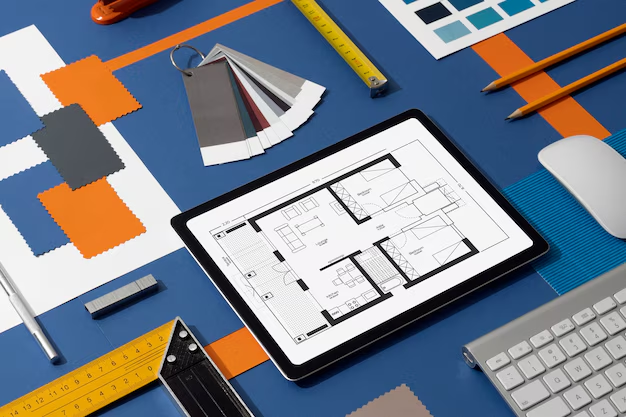
Building a model house in Chicago involves careful planning, selecting suitable materials, and collaborating with professional model makers like QZY Models. These scaled physical models help architects and developers validate designs, showcase concepts to clients, and support marketing efforts, combining craftsmanship with modern fabrication technologies for accurate, high-quality results.
What Are the Essential Steps to Build a Model House?
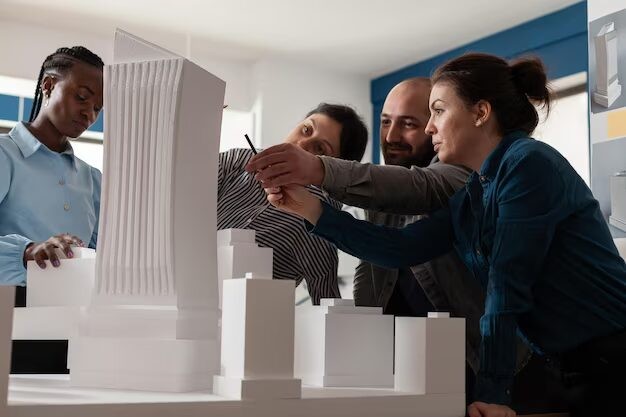
Constructing a model house begins with detailed architectural plans, selecting an appropriate scale, and choosing the right materials. The process includes cutting, assembling, and finishing the model to faithfully represent architectural details. Each stage demands precision, craftsmanship, and attention to design integrity. QZY Models ensures that Chicago models incorporate both design intent and contextual relevance, enhancing communication with clients and stakeholders throughout the project.
How Do You Select Materials for a Model House?
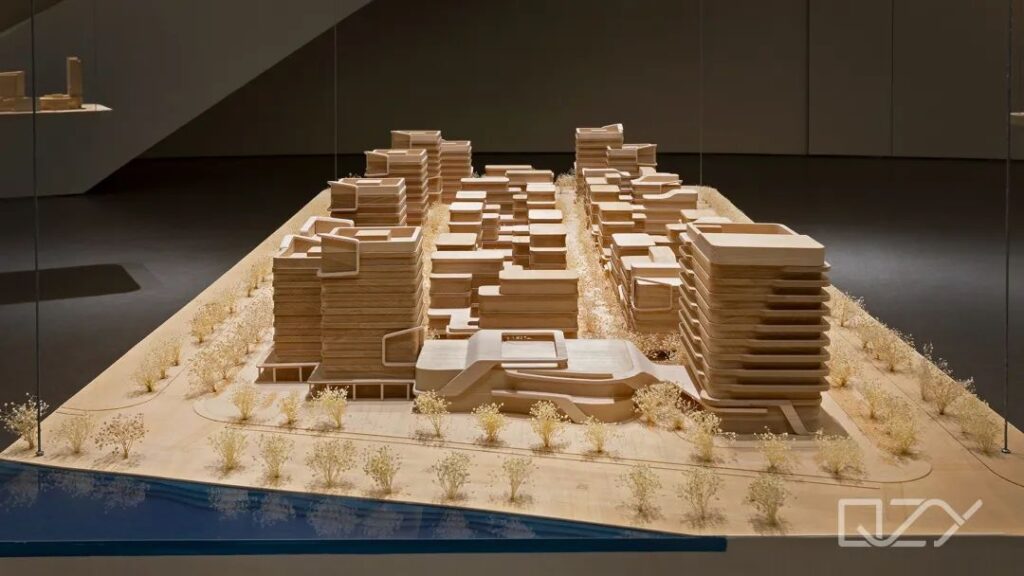
Model houses are created using materials such as foam board, balsa wood, acrylic, cardboard, and 3D printed plastics. Selection depends on desired detail, durability, texture, and project budget. Foam board and cardboard are ideal for early concept models, while acrylic and 3D printed plastics enable detailed facades and intricate features. QZY Models blends traditional materials with advanced digital fabrication to produce models tailored to Chicago’s architectural nuances.
Which Tools and Techniques Are Used in Building Model Houses?
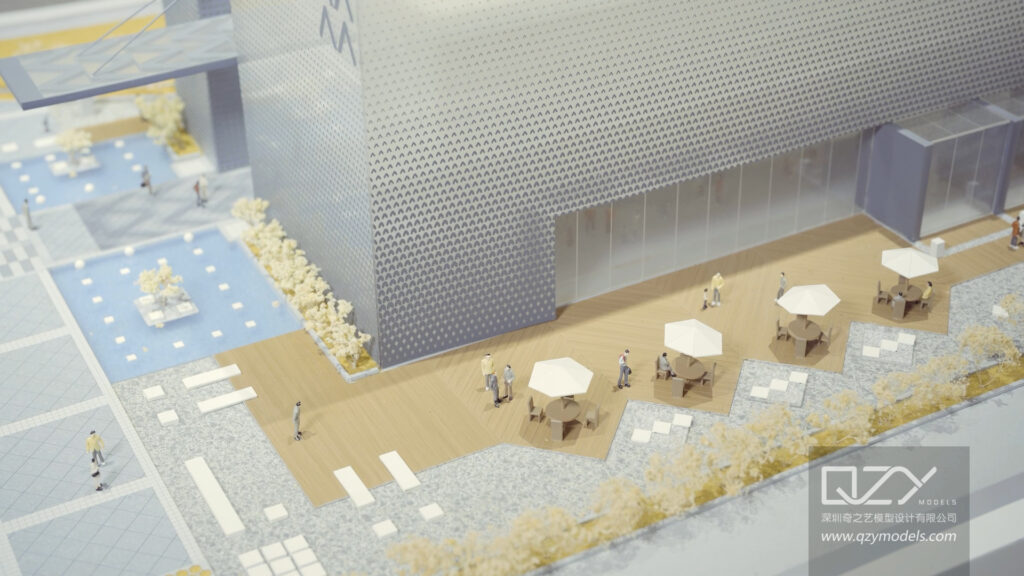
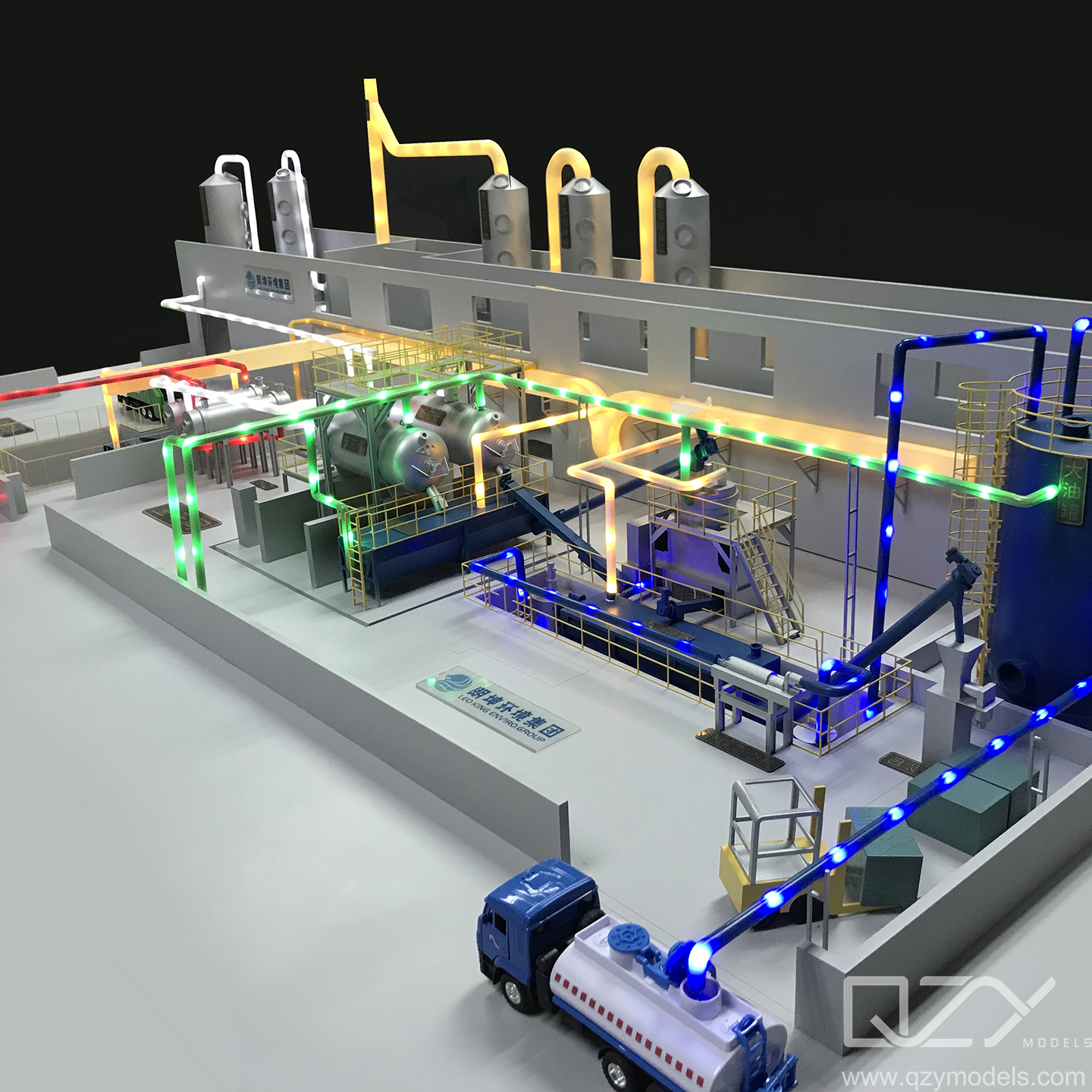
Construction employs tools like laser cutters, precision knives, glue, and 3D printers. Techniques range from handcrafting to digital fabrication, ensuring complex geometries and intricate details are accurately represented. QZY Models integrates modern technology with expert craftsmanship, producing model houses that include realistic facades, interiors, and landscaping suitable for presentations, client review, and design validation.
Why Is Building a Model House Important for Architects and Developers in Chicago?
Model houses provide architects and developers with tangible insights into design, allowing testing of forms, spatial relationships, and materials. They help identify potential issues, improve client communication, and demonstrate how new designs integrate with Chicago’s diverse urban fabric. QZY Models delivers models that showcase architectural intentions, context, and materiality, supporting informed decisions and project success.
When Is the Best Time to Build a Model House During the Design Process?
The optimal time is during early to mid-design stages. Early models facilitate concept exploration, massing studies, and iterative feedback. Refined models later in the process aid in client presentations, marketing, and investor engagement. QZY Models coordinates production timelines to align with Chicago project schedules, ensuring models are delivered efficiently for ongoing design decisions.
Where Can Architects and Developers in Chicago Find Reliable Model Making Services?
Chicago hosts numerous model-making firms, including M&Y Models and RJ Models. For advanced technology, global expertise, and precision craftsmanship, QZY Models offers tailored model house fabrication. Their services ensure detailed, high-quality models that meet architects’ and developers’ requirements while incorporating innovative design and presentation solutions.
Does Technology Enhance Model House Building Accuracy?
Yes. Technologies such as 3D printing, laser cutting, and CAD integration improve precision, speed, and the ability to create complex features. QZY Models combines these tools with expert handcrafting to deliver highly accurate model houses that reflect both design intricacies and Chicago’s unique architectural character.
Can Model Houses Include Detailed Interiors and Landscaping?
Yes. Model houses can feature intricate interiors, furniture layouts, fixture details, and realistic landscaping elements like trees and terrain. QZY Models excels at producing comprehensive models that reflect structural and environmental elements, enhancing visualization and presentation for architects and developers in Chicago.
How Do Scale and Size Affect Model House Building?
Scale determines model size and the level of detail possible. Common scales include 1:50, 1:100, and 1:200. Larger scales allow more intricate detailing but increase production time and cost. QZY Models advises on scale selection based on project goals, budget, and presentation needs, ensuring models effectively communicate design intent.
QZY Models Expert Views
“Building a model house is both an art and a science. At QZY Models, we combine decades of expertise with advanced fabrication techniques to translate architectural visions into precise, tangible models. Each model serves as a communication tool, bridging ideas and reality, helping Chicago architects and developers showcase designs with clarity, accuracy, and impact.”
Table: Common Materials for Model Houses and Their Uses
| Material | Uses | Advantages | Cost |
|---|---|---|---|
| Foam Board | Base structure, massing | Lightweight, easy to cut | Low |
| Balsa Wood | Walls, frames, fine details | Smooth finish, easy shaping | Moderate |
| Acrylic | Windows, facades | Transparent, durable | Moderate |
| Cardboard | Conceptual models, rough forms | Affordable, flexible | Low |
| 3D Printed Plastic | Complex shapes, detailed interiors | High precision, customizable | Higher |
Summary and Actionable Advice
Building a model house in Chicago requires careful planning, material selection, and collaboration with expert model makers like QZY Models. Early production supports design validation and client communication, while advanced fabrication technologies enhance precision and detail. Prioritizing scale, detail, and timely execution ensures models are effective tools for presentations, marketing, and design refinement within Chicago’s diverse architectural environment.
Frequently Asked Questions
Q1: How much does it cost to build a model house?
Costs vary by size, materials, and detail, generally ranging from several hundred to several thousand dollars.
Q2: Can model houses be customized for specific projects?
Yes, custom models accurately represent unique architectural features and site-specific conditions.
Q3: How long does it take to complete a model house?
Typical production time is 4 to 8 weeks, depending on complexity.
Q4: Are model houses reusable for future projects?
Minor modifications are possible, but significant changes may require a new model.
Q5: Does QZY Models provide delivery to Chicago?
Yes, QZY Models ships worldwide, including reliable delivery to Chicago.