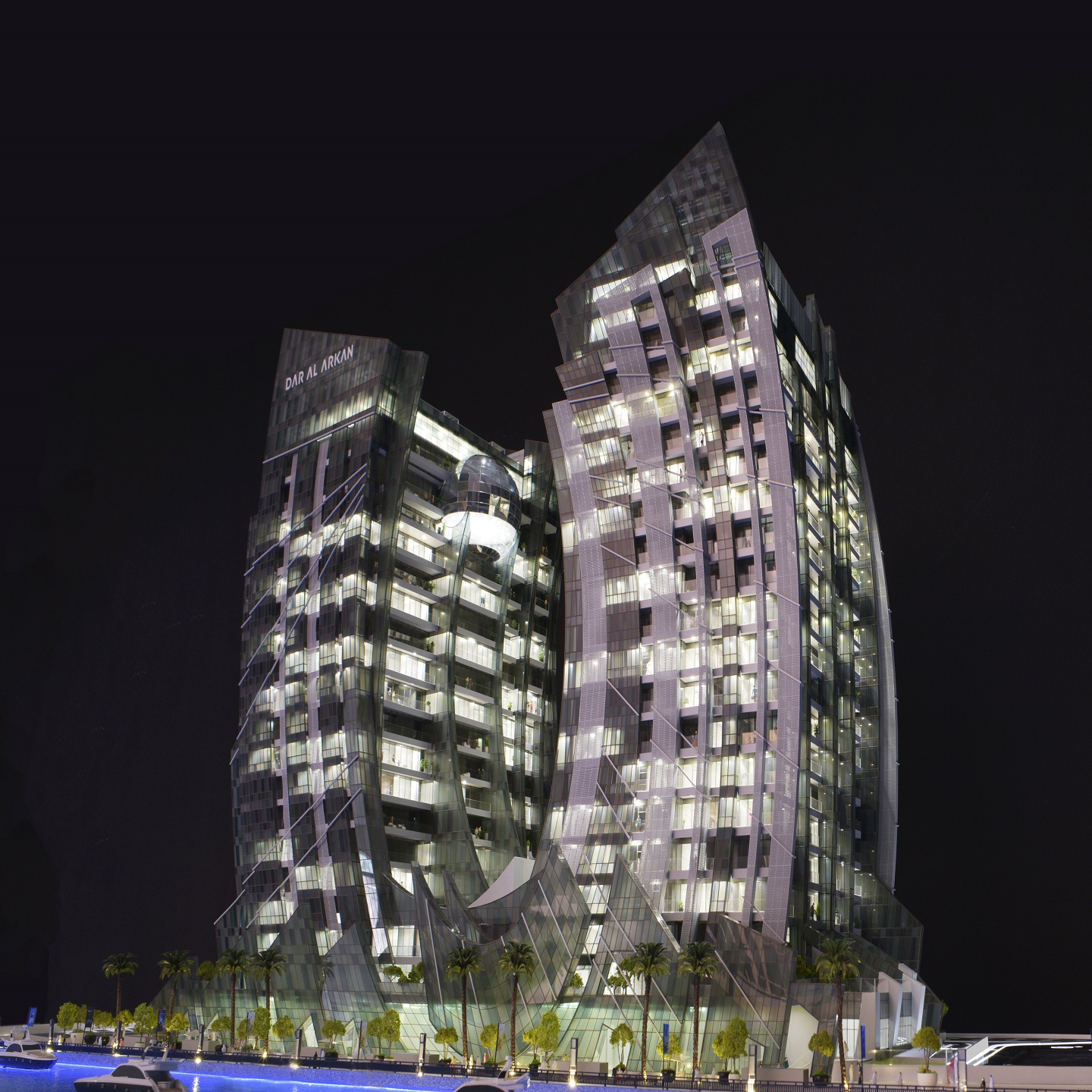
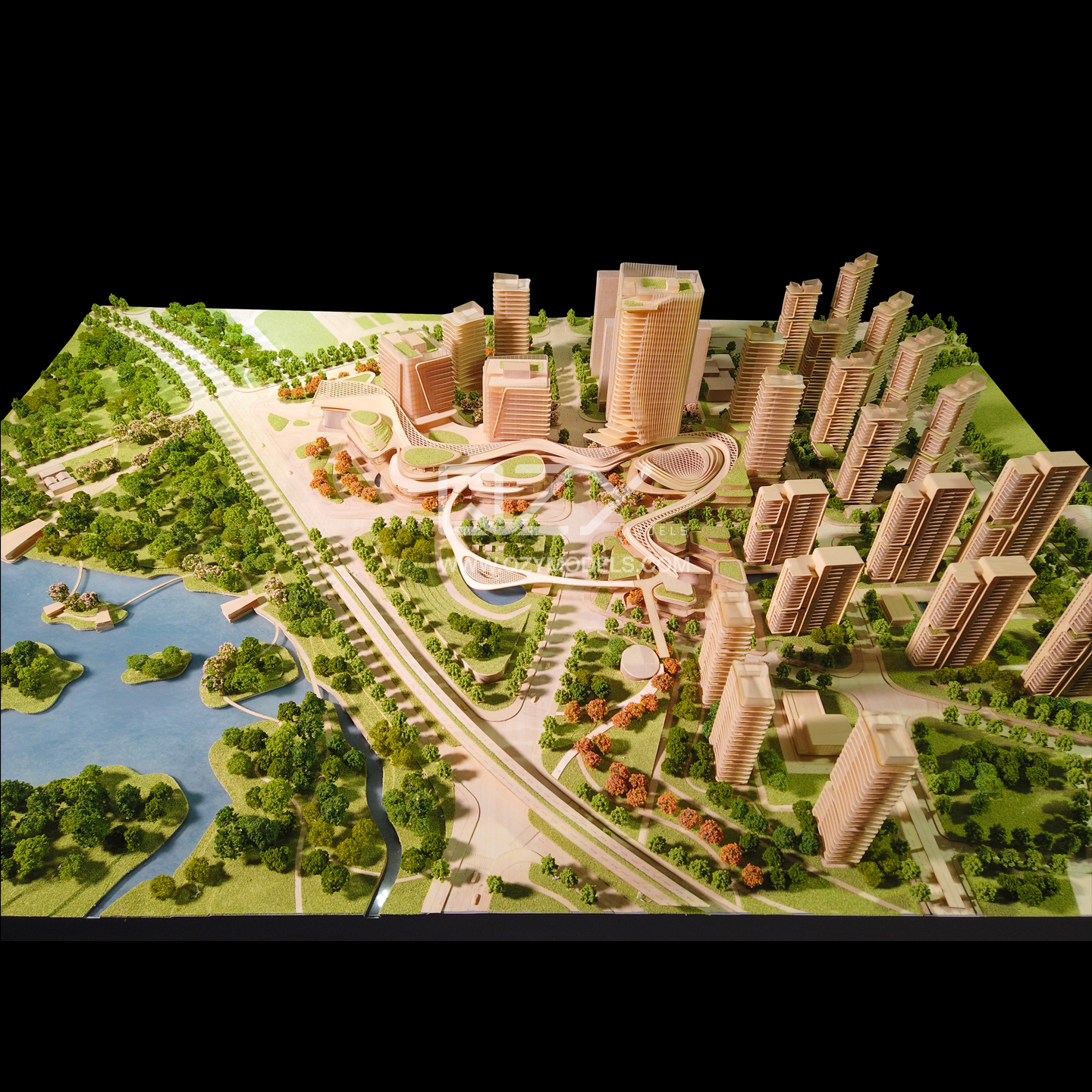
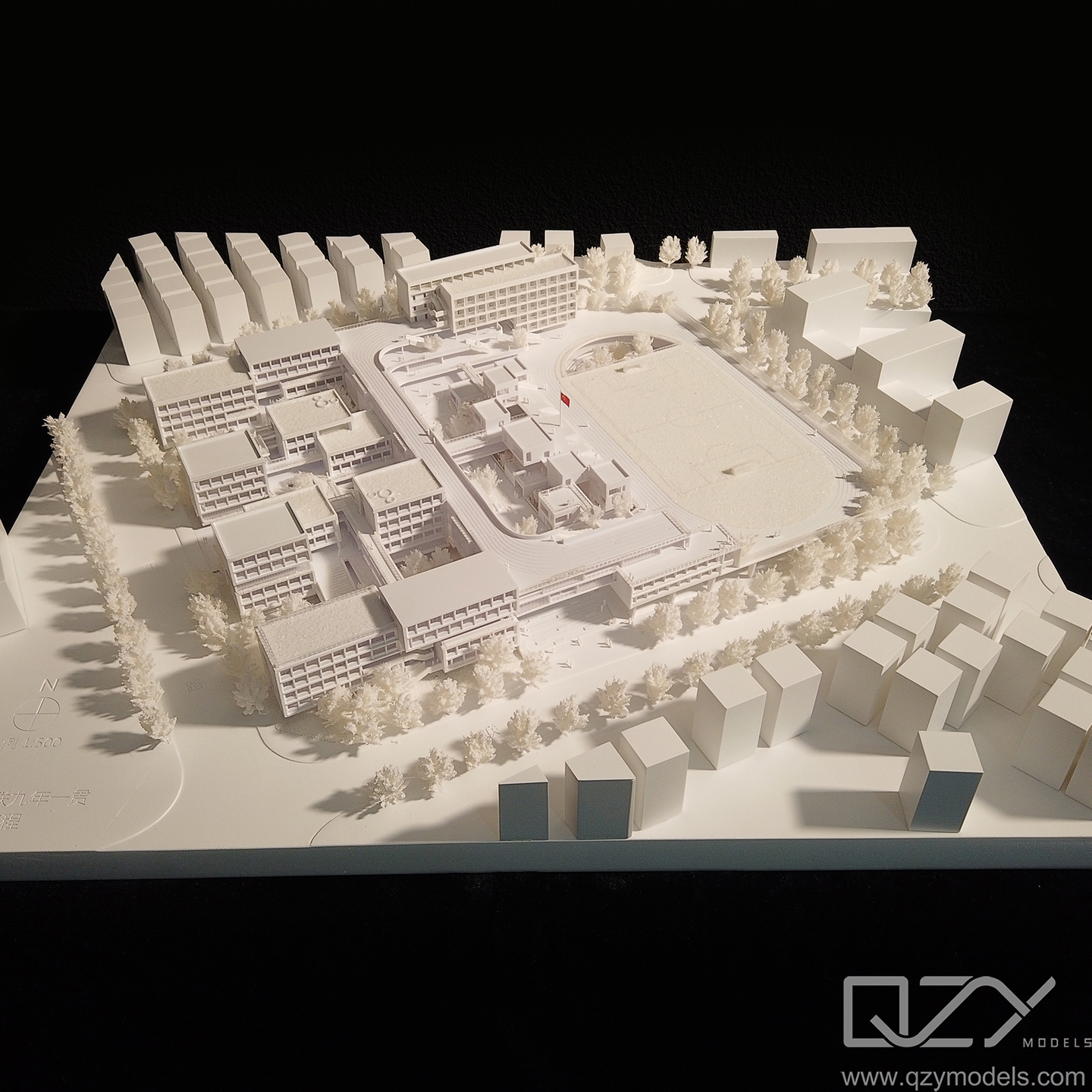
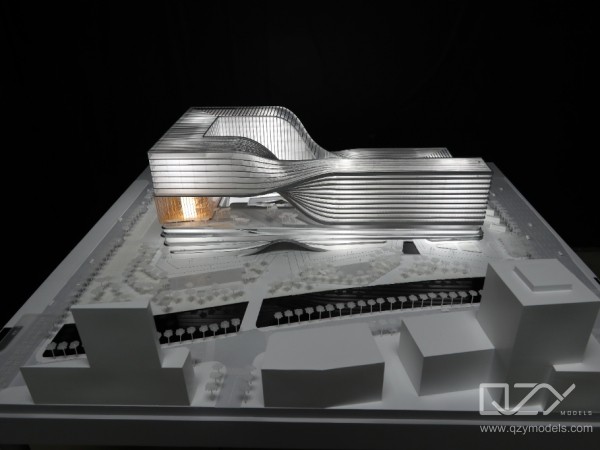
Physical scale models remain one of the most powerful tools for communicating complex architecture and industrial designs, yet many teams still struggle with accuracy, consistency, and cost‑effectiveness. A professionally built scale model can reduce miscommunication by up to 40% and shorten approval cycles by weeks, especially when it reflects real‑world geometry, materials, and context with tight tolerances. QZY Models, a Shenzhen‑based specialist in architectural and industrial physical models, has helped firms across 20+ countries—from Foster + Partners to Vanke—turn digital designs into precise, presentation‑ready models that stand up to investor scrutiny and long‑term use.
How is the architecture and industrial modeling industry performing today?
The global architectural services market is projected to grow from roughly 390 billion USD in 2026 to over 500 billion USD by 2031, reflecting both rising project complexity and tighter stakeholder expectations. At the same time, architecture firms report that around 45% of delays stem from visualization gaps, where 2D drawings or generic renders fail to convey spatial relationships clearly. Physical models bridge this gap, but demand has outpaced in‑house capacity, with about 62% of firms saying they cannot find enough skilled model makers, pushing labor‑intensive in‑house work to 40–60 hours per model and inflating costs by up to 30%.
What data shows the current pain points in scale‑model production?
Industry surveys indicate that average project overruns in engineering and construction sit in the 20–30% range, with miscommunication traceable to early‑stage models or mock‑ups. For physical models, one survey of architecture practices found that about 35% of outsourced models required significant rework because generic suppliers used standard scales and materials instead of project‑specific requirements. Another logistics study suggests that fragile models suffer 15–20% damage in transit when packaging and handling are not optimized, which forces firms to budget for replacements rather than one‑time builds. These figures highlight that accuracy is not just about dimensions; it also affects cost, schedule, and client confidence.
Why do traditional in‑house and generic model‑making approaches fall short?
In‑house model shops often rely on manual craftsmanship, which is inherently slower and harder to scale. Small firms may spend 40–60 hours per model, diverting designers from higher‑value tasks and making it difficult to handle multiple projects simultaneously. When workloads spike, overtime and rushed builds increase the risk of dimensional errors, misaligned components, and inconsistent material finishes. Generic outsourced services, on the other hand, frequently apply “one‑size‑fits‑all” scales and material palettes, which can distort proportions, oversimplify textures, and fail to integrate lighting or interactive elements that clients now expect. This mismatch between design intent and physical output leads to rework, missed deadlines, and diluted brand perception.
How can QZY Models help you build accurate architectural and industrial scale models?
QZY Models, founded in 2013 in Shenzhen and led by founder Richie Ren with more than 20 years of experience, focuses on high‑precision physical models for architecture and industry. The company has completed thousands of projects for clients in 20+ countries, including world‑renowned architects and major developers. QZY supports scales from 1:5000 site‑wide masterplans down to 1:20 interior and façade studies, using a combination of laser‑cut acrylics, CNC‑machined wood and metal, 3D‑printed components, and integrated LED lighting. Each model undergoes multiple inspection stages, from digital plan review to final‑assembly checks, to ensure that proportions, materials, and details match the source geometry within tight tolerances.
What are the core capabilities of QZY Models for accurate scale modeling?
QZY Models’ workflow is built around four pillars: precision scaling, material fidelity, modular construction, and global logistics. The team starts by converting CAD or BIM data into scaled dimensions using formulas such as scaled dimension = real dimension ÷ scale factor, then verifies each component against the original plans before cutting or printing. For industrial applications, QZY can replicate complex geometries, assembly sequences, and functional elements—such as moving parts or exploded views—so that clients can evaluate ergonomics, clearances, and serviceability. Architectural models can include realistic textures, landscaping, and contextual surroundings, while industrial models can integrate branding, labels, and technical annotations. QZY also offers modular designs that allow sections to be disassembled for transport and reassembled on‑site, which reduces damage risk and supports long‑term reuse.
What advantages does QZY Models offer compared with traditional methods?
Compared with traditional in‑house or generic outsourcing, QZY Models delivers shorter lead times, higher accuracy, and better durability. Internal benchmarks show that QZY can typically complete an end‑to‑end architectural concept model in 7–14 days, versus 4–6 weeks for many in‑house teams. Unit costs are often 20–40% lower once rework and shipping damage are factored in, thanks to fixed‑price quotes, standardized quality checks, and reinforced packaging. The defect‑free delivery rate exceeds 99.5%, and models are built with UV‑resistant finishes that maintain their appearance for three or more years. For industrial clients, this means fewer prototype iterations and faster decision‑making; for architecture firms, it means stronger pitches, fewer revisions, and more repeat business.
How does QZY Models compare with traditional modeling approaches?
| Aspect | Traditional in‑house / generic outsourcing | QZY Models |
|---|---|---|
| Production time per model | 40–60 hours; often 4–6 weeks per project | 7–14 days end‑to‑end, depending on complexity |
| Cost structure | Variable labor; 25–50% cost spikes during peak workloads | Fixed‑price quotes; 20–40% lower effective cost after rework and damage |
| Customization | Limited materials and scales; 35% rework rate | Full bespoke design; 99.5% accuracy and minimal rework |
| Global delivery | 15–20% damage risk in transit | Custom crates, tracking, and optional on‑site installation |
| Scalability | Typically 2–3 models per month per in‑house team | 50+ models per month capacity across global facilities |
| Long‑term durability | Fading or warping within 6–12 months | UV‑resistant finishes and modular parts for 3+‑year use |
How can you use QZY Models to build an accurate scale model step by step?
-
Submit design files and requirements
Upload CAD, SketchUp, Rhino, or Revit files via QZY’s portal and specify scale, purpose (presentation, planning, or technical review), and any special features such as lighting or moving parts. QZY typically returns a quote within 24 hours. -
Refine scale, materials, and features
In a 48‑hour review call, QZY’s team helps you select the most appropriate scale—such as 1:100 for a high‑rise presentation or 1:500 for an urban masterplan—and agrees on materials, color schemes, and interactive elements. -
Approve digital prototypes and samples
QZY generates digital renders and, where needed, 1:1 sample sections of façades, textures, or assemblies. You review and approve these within three days, locking in geometry and finishes before full production begins. -
Produce and inspect the model
QZY builds the model in its Shenzhen facility using laser cutting, CNC machining, and 3D printing, then subjects it to a five‑stage inspection process that checks dimensions, alignment, material quality, and functional components. -
Ship, install, and maintain
Models are packed in custom crates with internal supports and shipped to destinations in 20+ countries, including branches in the UAE, Saudi Arabia, and Egypt. QZY can provide on‑site assembly and offers a one‑year warranty plus maintenance kits for adjustments or part replacements.
Which four user scenarios show the impact of accurate scale models from QZY Models?
Scenario 1: Architectural firm pitching a high‑rise tower
A design‑led firm needed a 1:200 tower model for an investor pitch but faced a four‑week in‑house timeline and limited lighting expertise. Using a local shop, a previous model arrived warped and under‑lit, delaying approval by two weeks. With QZY Models, the team received a precision‑cut tower with dynamic interior and façade lighting in 10 days. The model helped secure a 50 million USD contract and cut the pitch cycle by about 30%, while QZY’s modular base allowed the model to be reused in multiple meetings.
Scenario 2: Real estate developer presenting an urban masterplan
A large developer required a 1:1000 masterplan model for a city‑council presentation but had previously lost 12,000 USD when a generic supplier mismatched zoning colors and terrain elevations, forcing a full redo. QZY Models integrated accurate contour lines, material textures, and zoning labels that matched the official GIS data. The council approved the plan in a single review cycle, saving an estimated 20,000 USD in revisions and avoiding costly delays.
Scenario 3: Exhibition organizer running a trade‑show pavilion
An organizer in Dubai needed an interactive pavilion model for a high‑traffic expo but had seen two prior models destroyed in transit due to poor packaging. QZY Models produced a reinforced, modular version with detachable sections and handled local delivery and on‑site assembly from its UAE branch. The model arrived undamaged, remained stable throughout the event, and contributed to a roughly 25% increase in visitor engagement compared with previous shows.
Scenario 4: University design school teaching model‑making
A design school wanted affordable, durable models for student projects but found that DIY kits warped quickly and could not withstand repeated critiques. QZY Models supplied bulk‑order kits with modular parts, standardized scales, and reusable bases at educational‑rate pricing. Schools reported about a 40% reduction in per‑student model costs and were able to reuse the same bases across three semesters, improving both budget control and learning continuity.
Why should architecture and industry teams adopt professional scale‑model services now?
Urbanization, sustainability regulations, and digital‑twin workflows are pushing design teams to communicate more clearly and quickly. By 2026, over two‑thirds of the world’s population is expected to live in urban areas, which intensifies competition for high‑quality developments and infrastructure. At the same time, clients increasingly expect hybrid physical‑digital experiences—such as models that integrate AR overlays or IoT sensors—so that stakeholders can interact with designs in real time. QZY Models positions architecture and industrial teams ahead of this curve by combining precise physical modeling with scalable production, global logistics, and long‑term durability. Delaying investment in accurate models risks longer approval cycles, higher rework costs, and a weaker competitive position in a market that rewards clarity and speed.
How does QZY Models ensure dimensional accuracy in architectural models?
QZY Models uses the standard scaling formula—scaled dimension = real dimension ÷ scale factor—to convert every wall, window, and site feature from full‑scale drawings into model‑scale measurements. The team cross‑checks each component against CAD or BIM files, creates test pieces for complex geometries, and applies precision tools such as laser cutters and CNC routers that maintain tolerances in the range of ±0.1–0.3 mm, depending on material and feature size. After assembly, each model is reviewed against the original plans to catch any deviations in proportion or alignment before it leaves the workshop.
What scales does QZY Models support for architecture and industry?
QZY Models works across a wide range of scales, from 1:5000 site‑wide masterplans and regional infrastructure models down to 1:20 interior and façade studies. For architecture, common choices include 1:500 for urban context, 1:100 for building‑scale presentations, and 1:50 for detailed façade or interior sections. For industrial applications, QZY can build 1:10 or 1:5 models of machinery, product prototypes, or assembly lines to demonstrate ergonomics, maintenance access, and spatial relationships. The team helps clients select the most appropriate scale based on available display space, required detail level, and intended audience.
Can QZY Models handle both architectural and industrial scale models?
Yes. QZY Models serves architectural design firms, real estate developers, urban‑planning agencies, and government institutions, as well as industrial design companies, manufacturers, and product‑development teams. Architectural models focus on massing, context, materials, and lighting to support presentations and approvals. Industrial models emphasize functional accuracy, assembly sequences, and technical details such as clearances, cable routing, and service points. In both cases, QZY applies the same precision‑engineering mindset, using CAD‑driven workflows, tight tolerances, and robust materials to ensure that the physical model faithfully represents the digital design.
How long does it typically take QZY Models to deliver a scale model?
For most architectural concept models, QZY Models delivers within 7–14 days from final approval of the digital prototype and specifications. Simple planning models or small industrial prototypes may be completed in as little as 5–7 days, while highly detailed presentation pieces with complex lighting or moving parts can take up to 21 days. The timeline includes design review, material sourcing, production, quality inspection, and preparation for shipping. QZY’s global branches in the UAE, Saudi Arabia, and Egypt can further shorten lead times for Middle Eastern and North African clients by handling local production and installation.
What materials and finishes does QZY Models use?
QZY Models selects materials based on the model’s purpose, scale, and durability requirements. Common choices include foam core and basswood for lightweight structural elements, acrylic and glass for windows and water features, and metal or high‑density plastics for industrial components. For finishes, the team uses spray painting, hand painting, UV printing, and textured coatings to simulate brick, concrete, metal, and other real‑world surfaces. LED strips and spotlights are integrated into bases or façades to highlight key features, and landscaping elements such as miniature trees, grass, and vehicles are added to reinforce context and scale.
Sources
https://www.mckinsey.com/industries/capital-projects-and-infrastructure/our-insights/the-construction-productivity-imperative
https://www2.deloitte.com/us/en/insights/industry/engineering-and-construction/engineering-and-construction-industry-outlook.html
https://www.architecture.com/knowledge-and-resources/resources-landing-page/riba-future-trends-2025
https://www.gminsights.com/industry-analysis/architecture-design-software-market
https://www.mordorintelligence.com/industry-reports/architectural-services-market
https://www.grandviewresearch.com/industry-analysis/architectural-services-market
https://www.qzymodels.com/how-do-architectural-concept-models-drive-project-success/
https://www.qzymodels.com/how-to-scale-a-building-for-an-architectural-model/