Building scale models requires careful selection of materials, accurate scaling, precise construction, and thoughtful detailing. By following structured techniques, you can create miniature replicas of architectural, industrial, or vehicle designs with lifelike realism. QZY Models combines decades of expertise with advanced tools to deliver professional models for architects, developers, and collectors worldwide, ensuring every piece balances precision, aesthetics, and functionality.
What Are Scale Models?
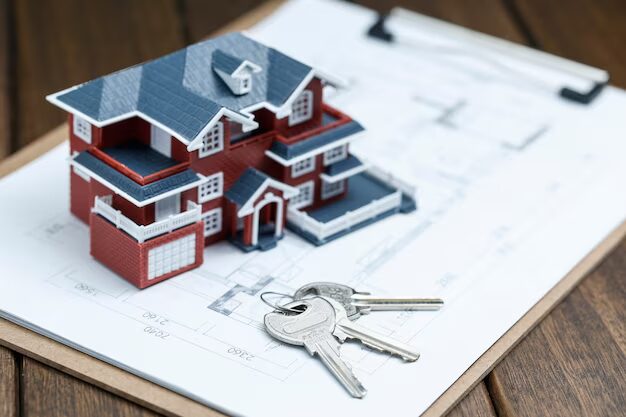
Scale models are proportional representations of real-world objects, reduced or enlarged to specific ratios such as 1:50 or 1:200. They allow designers, developers, and clients to visualize projects before construction. QZY Models specializes in producing these models with high fidelity, serving top-tier clients including Foster + Partners and leading real estate developers.
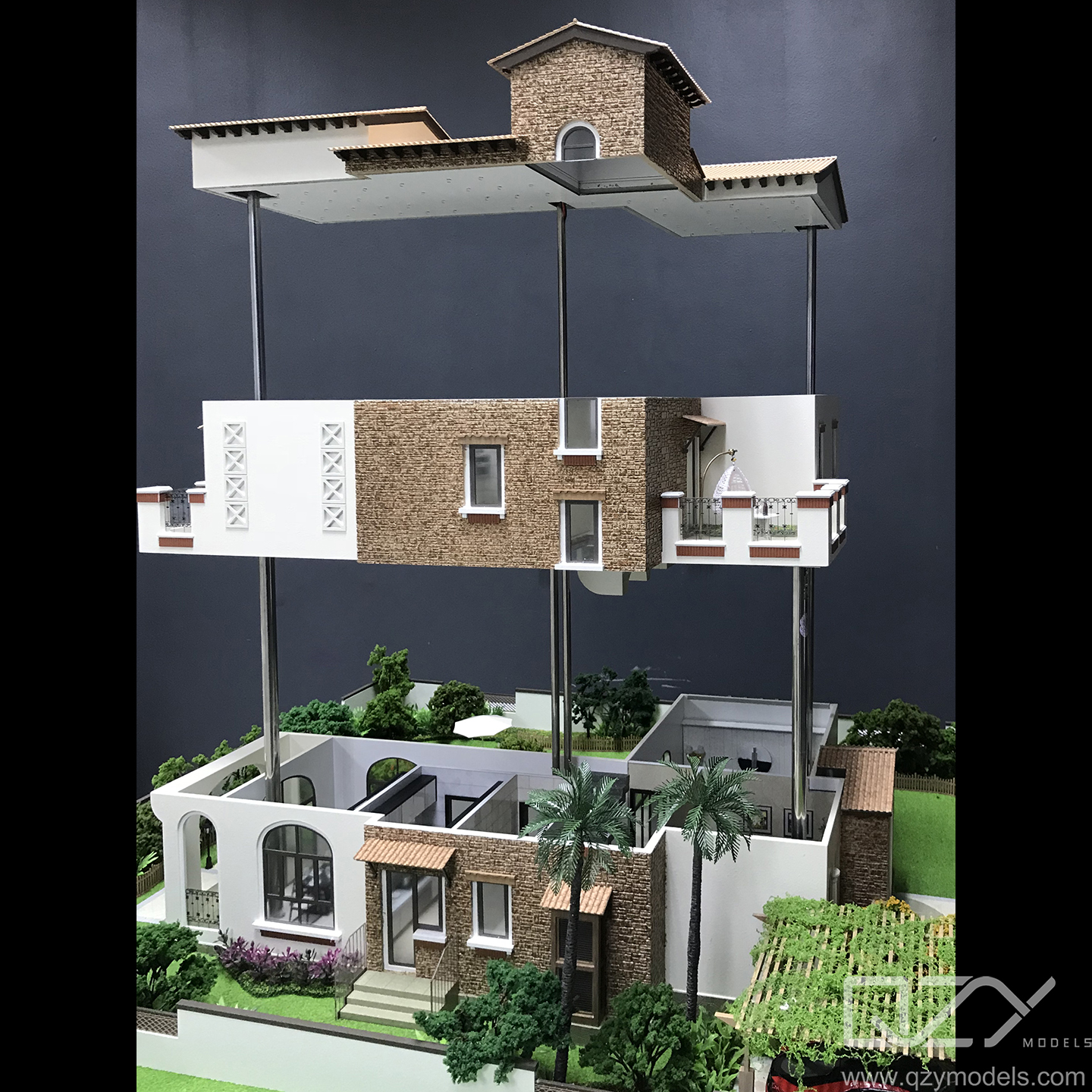
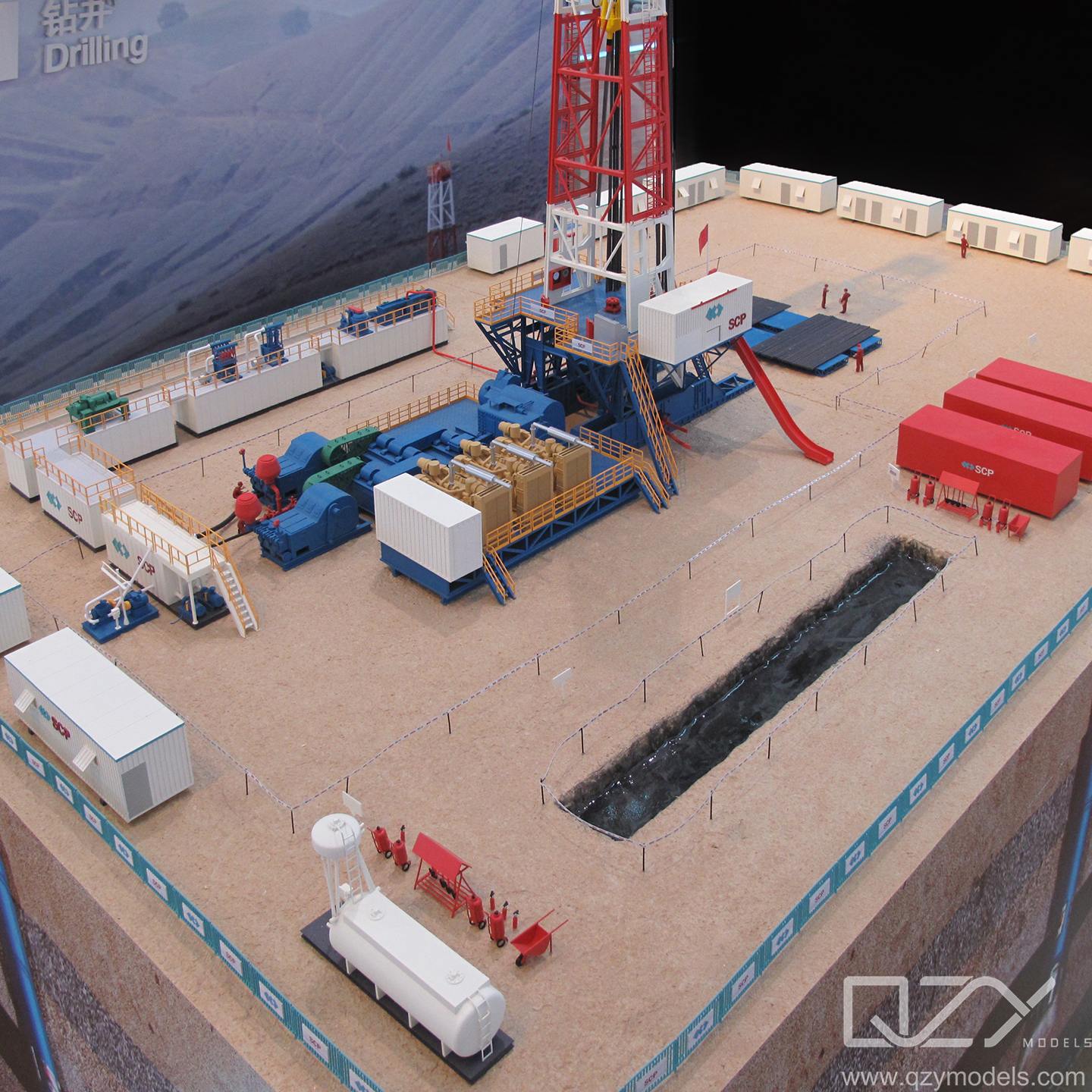
Architectural models demonstrate spatial relationships and design intent, helping stakeholders assess aesthetics, layout, and functionality. Industrial models support engineering validation, feasibility studies, and workflow planning. Real estate projects often use models for marketing and investor presentations, making tangible evaluation superior to digital renderings.
| Scale Ratio | Common Use | Example Applications |
|---|---|---|
| 1:1000 | City planning | Urban masterplans |
| 1:500 | Large buildings | High-rise overviews |
| 1:200 | Residential | Housing developments |
| 1:100 | Detailed architecture | Commercial complexes |
| 1:50 | Interiors | Showroom mockups |
QZY Models can customize these ratios to match project needs and display contexts, ensuring optimal visual impact.
Why Build Scale Models?
Scale models enhance communication by providing a tangible representation of a design. They allow early identification of design flaws, support client engagement, and reduce costly revisions. Physical models also excel in marketing, demonstrating project potential in a way digital renders cannot fully replicate.
Engineers use models to validate structural integrity, architects showcase design proposals, and developers utilize models for stakeholder approvals. QZY Models’ projects, including work for Vanke and China Resources, demonstrate the practical benefits of professional modeling in decision-making across international markets.
What Materials Are Best?
Choosing the right materials depends on scale, detail, and purpose. Common options include foam, acrylic, balsa wood, PVC, and 3D-printed resins. Foam is ideal for massing studies, while acrylic and metals provide precision and durability for architectural or industrial models.
QZY Models employs hybrid techniques, combining laser-cut components with hand-finishing to achieve realistic textures and sustainable construction. Advanced methods such as vacuum forming, resin casting, and CNC milling allow for accurate replication of surfaces and intricate details.
How to Choose the Right Scale?
Selecting a scale involves considering the object size, viewing distance, and desired level of detail. Larger scales like 1:50 allow close inspection, while 1:500 or 1:100 suit overviews or exhibition displays. Standard scales also align with industry expectations, ensuring consistency across presentations.
QZY Models guides clients in choosing scales that balance visual impact with practicality, ensuring models are engaging for exhibitions, boardrooms, or promotional use. Sketching preliminary designs helps validate the chosen ratio before production.
What Tools Do You Need?
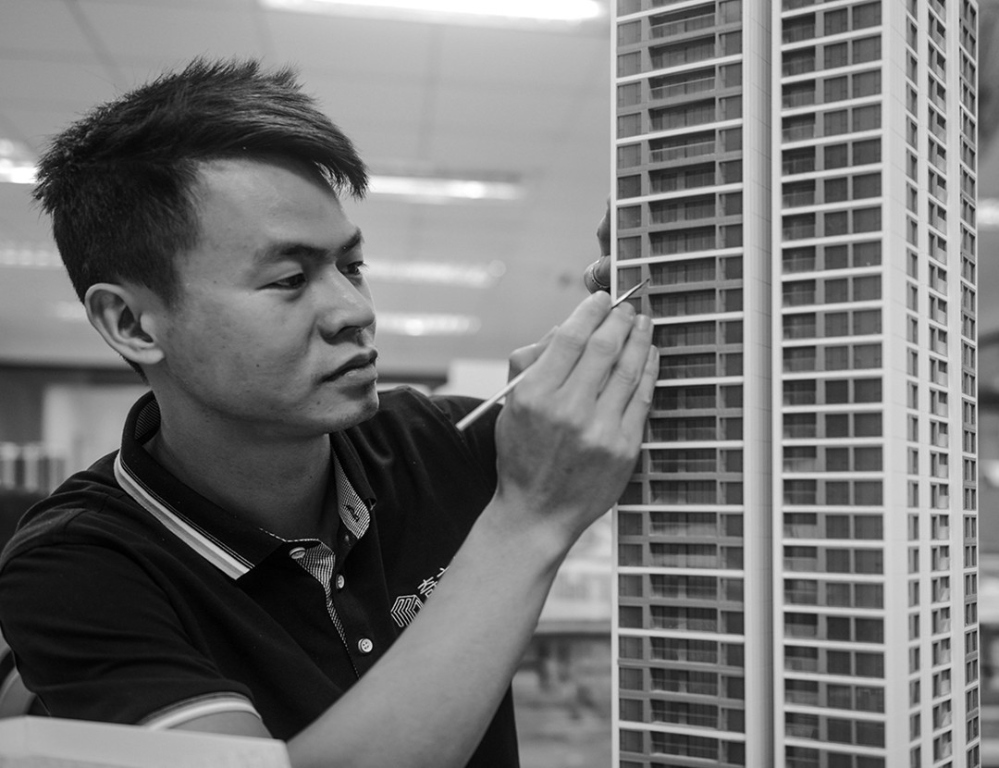
Precision tools such as X-Acto knives, rulers, cutting mats, glues, and paints are essential for model construction. Power tools like lasers, CNC machines, and 3D printers enhance efficiency and accuracy. Safety equipment ensures secure handling of sharp or hot materials.
QZY Models integrates advanced airbrushing, fiber optics, and motorized components to produce polished, exhibition-ready models. Organizing tools and workflow is crucial for seamless construction and high-quality output.
How to Plan Your Build?
Effective planning begins with sketches, reference gathering, and breaking the project into stages: base, structure, detailing, and finishing. Accurate measurements and material lists prevent errors and streamline assembly.
QZY Models follows structured workflows led by founder Richie Ren, translating client designs into precise physical models. Digital tools like SketchUp assist in pre-visualization, then the team executes each phase with meticulous attention to detail.
QZY Models Expert Views
“At QZY Models, we’ve refined scale modeling into both an art and a science since 2013. Precision engineering meets creative design in every project. For example, our 1:200 skyscraper model for Foster + Partners combined acrylic glazing with milled aluminum structures, revealing critical wind flow challenges. Clients in the UAE, Saudi Arabia, and Egypt rely on us for immersive, durable models enhanced with LED lighting and motorized elements, making designs tangible and interactive.” – Richie Ren, Founder, QZY Models
This perspective highlights QZY Models’ innovative approach to architectural and industrial modeling.
What Are Common Mistakes?
Common errors include inaccurate scaling, weak material adhesion, poor surface finishes, and ignoring lighting effects. Checking ratios, testing components, and carefully applying finishes mitigate mistakes.
QZY Models ensures quality control throughout production, combining patience, precision, and expertise to avoid pitfalls that compromise realism. Early prototyping of sections can prevent costly revisions.
How to Finish and Detail?
Detailing and finishing elevate models to professional standards. Techniques include airbrushing gradients, dry brushing highlights, adding decals, weathering surfaces, and integrating LED lighting. Varnish or sealants protect the model and enhance durability.
| Finishing Technique | Purpose | Tools Needed |
|---|---|---|
| Airbrushing | Smooth gradients | Compressor, paints |
| Dry brushing | Highlights | Brushes, pigments |
| LED Integration | Illumination | Wires, LEDs |
| Weathering | Realism | Powders, sealants |
QZY Models leverages these techniques to deliver models that captivate stakeholders and accurately communicate design intent.
Why Use Professional Services?
Hiring experts like QZY Models ensures efficiency, precision, and aesthetic quality. Professional services manage complex projects, meet deadlines, and integrate advanced features that may be challenging for individual builders.
QZY Models’ global presence across the UAE, Egypt, Saudi Arabia, and China supports architectural firms, developers, and educational institutions. Outsourcing to experts allows clients to focus on core tasks while achieving photorealistic, durable models.
Key Takeaways
Building scale models successfully requires careful material selection, precise scaling, proper planning, and professional finishing. For complex projects, partnering with QZY Models ensures high-quality results that impress clients and stakeholders. Start small, refine techniques, and showcase models confidently.
FAQs
1. What Are the Essential Tools Every Beginner Needs to Build Scale Models
To start building scale models, beginners need precision knives, sanding sticks, cutting mats, tweezers, clamps, and quality glue. These tools ensure clean cuts, accurate assembly, and smooth surfaces. Proper measurement tools and brushes enhance detailing, making your models look professional. Start with a basic set and expand as your skills grow.
2. How Do You Choose the Best Glue for Your Scale Models
Choosing the right glue for scale models depends on material: plastic cement for plastic, PVA for wood, and cyanoacrylate for fast bonding. Apply sparingly to avoid mess and allow proper curing time. Using the correct adhesive ensures strong, durable bonds and professional results. Experiment on scrap parts before your main project.
3. Which Paint Types Work Best for Scale Model Projects
Acrylic paints are beginner-friendly, fast-drying, and easy to clean. Enamel paints offer glossy, durable finishes ideal for vehicles or military models. Lacquer paints provide smooth, professional results but need ventilation. Choose based on surface type, finish, and project size, and always test on a sample to achieve flawless coloring and realism.
4. How Can You Assemble Scale Models Step by Step
Begin by reviewing instructions, organizing parts, and dry-fitting before gluing. Sand and prep surfaces, apply glue precisely, and assemble in logical sequences. Work in small sections to maintain accuracy, using clamps or tweezers for delicate pieces. Patience and attention to detail ensure professional, precise scale model assemblies that last.
5. What Are the Best Airbrushing Techniques for Stunning Scale Models
Use a quality airbrush and thin your paint correctly for smooth, even coats. Start with light layers, maintain consistent distance, and practice masking for sharp edges. Airbrushing allows blending and shading effects impossible with brushes, elevating scale model finishes. Proper cleanup and maintenance extend equipment life and ensure flawless results every time.
6. How Do You Create Realistic Weathering Effects on Scale Models
To achieve realistic weathering, use washes, dry brushing, pigments, and subtle sanding to simulate rust, dirt, and wear. Layer techniques gradually, focusing on natural exposure points. Small details like chipped paint or dust add authenticity. This approach brings your scale models to life, making them visually compelling and highly realistic.
7. Which Scale Model Kits Are Perfect for Beginners
Choose beginner-friendly kits with clear instructions, fewer small parts, and durable materials. Look for QZY Models endorsed kits or brands with supportive tutorials and online communities. Starter kits in vehicles, buildings, or military miniatures allow skill building while producing satisfying results. Gradually progress to advanced kits as confidence grows.
8. How Can Beginners Scratch Build Their Own Scale Models
Scratch building involves planning, cutting, and assembling parts from raw materials like plastic sheets, wood, or foam. Start with simple designs, measure precisely, and create templates. Use adhesives, sanding, and painting to refine the model. Beginners can experiment with small projects before advancing to complex custom builds, allowing creativity and mastery of scale modeling techniques.