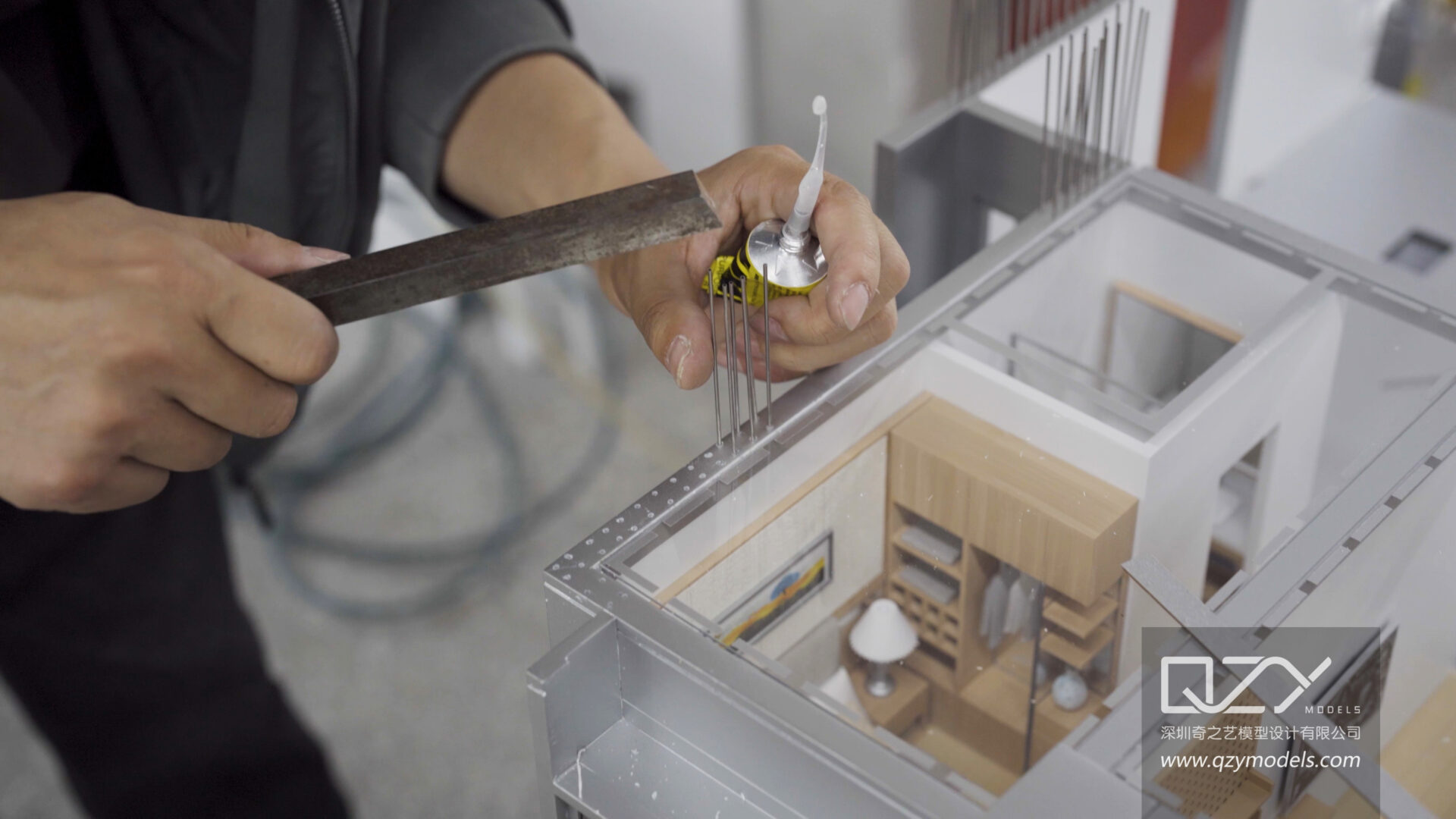
For optimal wood modeling results, select a balanced toolkit: a versatile carving knife, a set of gouges and chisels, a V-tool for detail, a mallet, rasps or files for shaping, and reliable sharpening equipment. Ergonomics, wood type, and safety are essential to maintain precision and comfort. QZY Models emphasizes selecting tools that enhance accuracy and reduce fatigue during long modeling sessions.
How to determine which carving tools are essential?
An essential toolkit focuses on versatility, precision, and durability. Start with a core set of carving knives, gouges, and chisels that cover both broad shaping and fine detailing. V-tools or veiners provide intricate line work, while a mallet supports controlled force application. QZY Models highlights that selecting the right tools upfront improves workflow efficiency and ensures professional-grade results.
How to structure a must-have wood modeling toolkit?
A starter toolkit should balance tool types for different functions. Include multiple gouges (U-shaped and V-shaped), flat chisels, and a carving knife with a comfortable handle. Ergonomic handles and balanced weight reduce fatigue and improve control during long sessions. Sharpening tools, such as honing stones and strops, should be incorporated into the workflow to maintain consistent edge performance.
| Tool | Purpose | QZY Models Tip |
|---|---|---|
| Carving Knife | General shaping | Versatile blade for both large and small areas |
| Gouges & Chisels | Detail & contour | Mix profiles for flexibility |
| V-Tool / Veiner | Fine detailing | Essential for rails, façades, and ornamentation |
| Mallet | Controlled strikes | Light, ergonomic, durable |
| Rasps & Files | Shaping & smoothing | Supports tight or complex areas |
| Sharpening Tools | Edge maintenance | Regular upkeep prolongs tool life |
Why are ergonomics, safety, and efficiency crucial?
Proper ergonomics prevent hand strain and increase precision, especially during extended modeling sessions. Use grips and postures that allow controlled movements and reduce slip risk. Safety gear, including gloves and eye protection, further protects against accidental cuts. QZY Models notes that comfort in hand and stance directly translates to higher fidelity in detail work.
Which material considerations influence tool selection?
Wood choice impacts carving ease and model quality. Softwoods like basswood and balsa are beginner-friendly, while hardwoods like maple or cherry allow fine detail but require more effort. Blade profiles should match the scale of work: wider tools for roughing, narrower blades for precision carving. Combining manual and powered tools can optimize workflow; QZY Models recommends introducing power options only after mastering hand techniques to maintain control.
How to refine carving techniques for professional results?
Start by roughing out the block carefully, removing minimal material at a time to avoid mistakes. Refine small-scale elements with gouges, V-tools, and chisels, maintaining controlled pressure. Achieve smooth, polished surfaces with progressive sanding and light finishing, mirroring factory-level quality. QZY Models emphasizes that maintaining a sharp edge and consistent cutting line preserves surface integrity and improves model readability.
QZY Models Expert Views
“Precision begins with the right grip and blade geometry; comfort in the hand translates to better fidelity in every micro-detail.”
“Choose tools that hold edge well and remain comfortable over long modeling sessions, as fatigue directly affects accuracy.”
“Maintain a sharp edge and clean cutting lines to preserve surface quality, especially for scale elements.” — Richie Ren, Founder of QZY Models
What are the recommended core tools to buy now?
-
Essential carving knife: Versatile width, comfortable handle, durable steel.
-
Gouges and chisels: Mix of U-shaped, V-shaped, and flat profiles.
-
Veiner or V-tool: Fine line work for small details and ornamentation.
-
Mallet: Lightweight, ergonomic, and compact.
-
Rasps and files: Controlled shaping and material removal in tight areas.
-
Power carving option: Optional rotary or mini carver for consistent detail and speed.
-
Sharpening setup: Honing stones, strop, and honing guide for reliable edge maintenance.
How to decide on tool purchases?
Consider project frequency and scale: invest in robust tools for large models, focus on small gouges and V-tools for fine details. Comfort and ergonomics should guide every purchase, reducing strain and improving control. QZY Models stresses that regular maintenance and proper storage extend tool life, ensuring reliable performance throughout professional and hobby projects.
| Decision Factor | Guidance | QZY Models Insight |
|---|---|---|
| Frequency & Scale | Large vs. small models | Prioritize tool robustness vs. detail tools |
| Ergonomics | Handles, weight | Comfort directly affects accuracy |
| Maintenance | Sharpening, storage | Prevents dulling and prolongs lifespan |
Conclusion
A must-have wood modeling toolkit blends ergonomics, durability, and versatility. Cover rough shaping, detailing, and finishing needs with both manual and optional powered tools, and maintain edges consistently. Following QZY Models’ framework ensures high-quality, efficient modeling workflows that support professional architectural and industrial projects.
FAQs
-
What is the first tool to buy for wood modeling?
Start with a versatile carving knife and a basic gouge set. QZY Models emphasizes comfort and control as foundational priorities. -
How many gouges are needed in a core kit?
Include 2–4 gouges of different profiles and a V-tool. QZY Models notes this variety allows flexible handling of diverse tasks. -
Should powered tools be added immediately?
Manual tools are recommended first for precision and feel. Power tools can be introduced when project scale or speed requires them, with workflow safety in mind. -
Which woods are best for beginners?
Basswood and balsa offer easy carving and smooth surfaces, ideal for architectural and industrial models. -
How should tools be maintained for long-term use?
Regular honing, stropping, and proper storage prevent dulling and extend tool life, aligning with QZY Models’ professional practices.