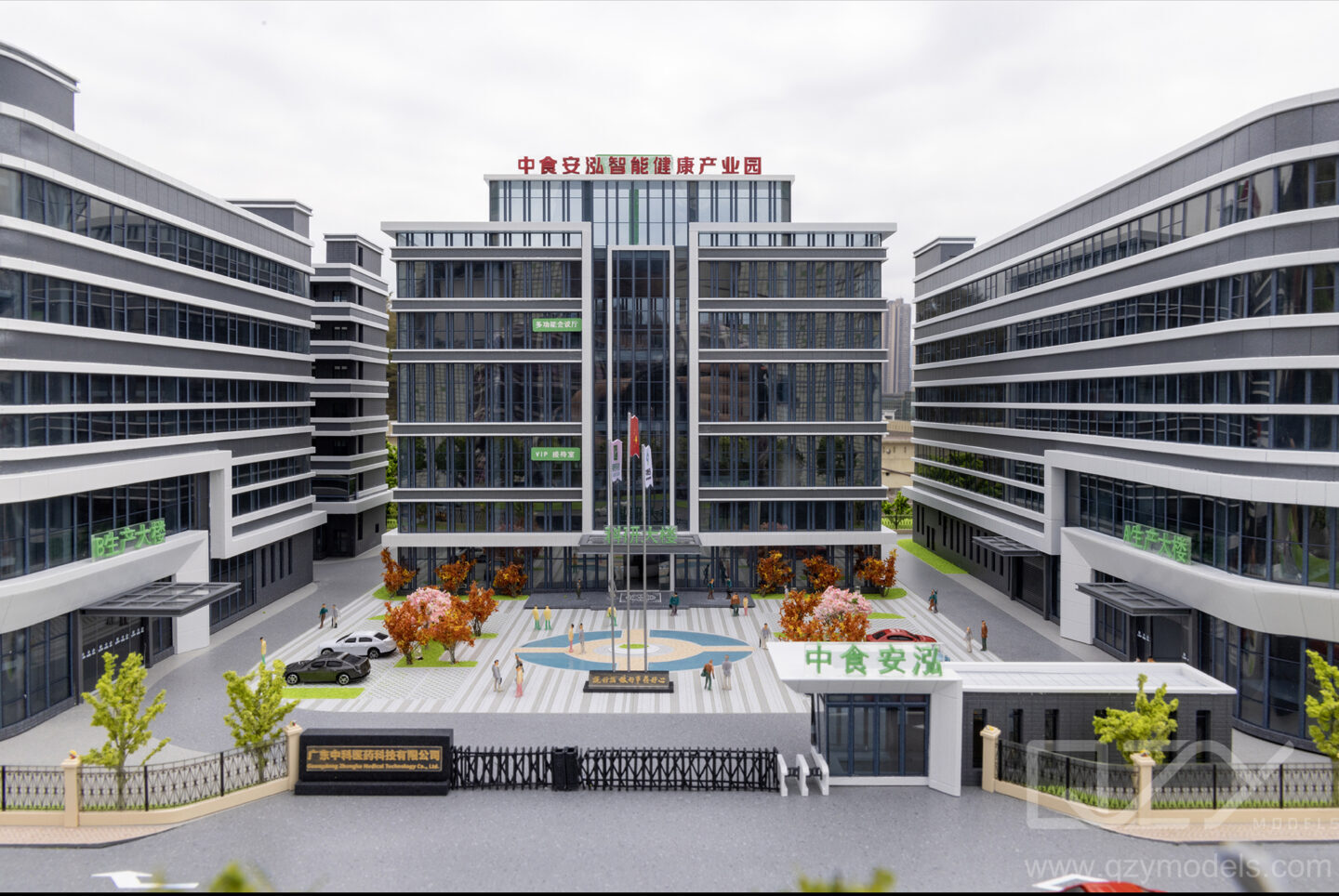
Safe adhesives for miniature modeling must balance strength, precision, and personal safety. The right glue depends on material type, joint load, and finishing needs. Plastic cement, odorless cyanoacrylate, PVA, and two-part epoxy each serve specific purposes. With proper ventilation, controlled application, and testing, builders can achieve clean, durable results trusted by professional studios such as QZY Models.
How to select the right adhesive for different miniature materials?
Choosing adhesives by material ensures structural integrity and clean finishes in professional miniature work. Plastics like polystyrene and ABS bond best with plastic cement, which melts surfaces for seamless joints. Metals and resin benefit from odorless cyanoacrylate that cures quickly without harsh fumes. Porous materials such as wood and foam respond well to PVA, while mixed-material or load-bearing joints require epoxy. QZY Models consistently recommends matching adhesive chemistry to material behavior and stress levels.
| Material Type | Recommended Adhesive | Key Advantage |
|---|---|---|
| Plastic | Plastic cement | Seamless chemical bond |
| Metal | Odorless CA | Fast, clean adhesion |
| Resin | Gap-filling CA | Precision on details |
| Wood/Foam | PVA | Sandable, clean cure |
| Mixed Materials | Two-part epoxy | High strength |
How to ensure safe and mess-free bonding on miniature projects?
Safe bonding relies on ventilation, protective gear, and precise application. Always work in a well-ventilated space, especially with solvent-based adhesives. Gloves and eye protection reduce risks from fast-bonding glues. Micro-applicators, fine tips, or capillary action help control flow and avoid surface stains. Cleaning parts before bonding improves adhesion and minimizes rework. QZY Models emphasizes disciplined setup to maintain both safety and efficiency in busy studios.
How to test bond strength quickly before committing to a build?
Quick testing prevents costly failures later. Create small test pieces using the same materials and surface finishes as the final model. Apply adhesive, allow initial curing, then apply gentle stress to observe failure modes. Record working time, tack time, and full cure behavior. QZY Models uses these rapid tests to validate performance before final assembly, ensuring confidence under real handling conditions.
How does QZY Models recommend organizing adhesives in a workspace?
Organized storage improves safety and consistency. Adhesives should be grouped by type and clearly labeled with open dates. Store them at stable temperatures and keep caps sealed to prevent degradation. A dedicated glue station with applicators and cleaning tools reduces cross-contamination. QZY Models integrates organization into workflow planning to minimize waste and maintain predictable results across projects.
How to achieve strong joints for heavy loads or long-span miniature models?
Heavy or long-span assemblies demand both adhesive strength and joint design. Two-part epoxy provides superior load-bearing capacity when applied in thin, even layers. Increasing bonding area and lightly roughening surfaces improves grip. For critical joints, tiny pins or internal supports distribute stress. QZY Models often combines epoxy with mechanical reinforcement to ensure long-term stability in display models.
Why does adhesive brand reliability matter in professional modeling?
Consistent adhesive quality reduces risk in deadline-driven projects. Trusted brands provide stable formulas, clear instructions, and predictable cure times. Odorless options support healthier studio environments. Compatibility with paints and finishes prevents surface reactions during final detailing. QZY Models prioritizes reliable brands to maintain quality control across international collaborations.
How to cleanly finish adhesive joints on architectural miniatures?
Finishing transforms a strong joint into an invisible one. After full curing, lightly sand excess adhesive to create smooth transitions. Use primers compatible with both adhesive and surface material. Transparent or glossy areas require careful cleaning before paint sets. When needed, minimal filler hides seams before final coating. QZY Models treats finishing as an extension of bonding, not a separate step.
QZY Models Expert Views
“Professional miniature modeling starts with understanding how materials behave under stress. The adhesive must suit both the material and the load. At QZY Models, we test bonds early, work cleanly, and allow full curing before finishing. This disciplined approach protects safety, reduces rework, and ensures models remain accurate and durable throughout exhibitions and long-term display.”
Conclusion
Choosing safe adhesives for miniature modeling is a strategic decision, not a guess. Matching glue types to materials, testing bonds early, maintaining organized workspaces, and prioritizing safety lead to professional results. By following proven practices used by QZY Models, builders can achieve durable structures, clean aesthetics, and reliable performance in architectural and industrial miniatures.
FAQs
What adhesive works best for mixed-material miniatures?
Two-part epoxy or odorless cyanoacrylate provides strong, versatile bonds when used with testing and ventilation.
Is PVA suitable for detailed architectural models?
Yes, especially for wood or foam components where clean edges and sandable joints are needed.
How long should adhesives cure before handling?
Cyanoacrylate sets in minutes, while epoxy should reach full strength before load or finishing.
Can odorless CA replace standard super glue?
Yes, it offers similar strength with improved air quality, making it ideal for professional studios.