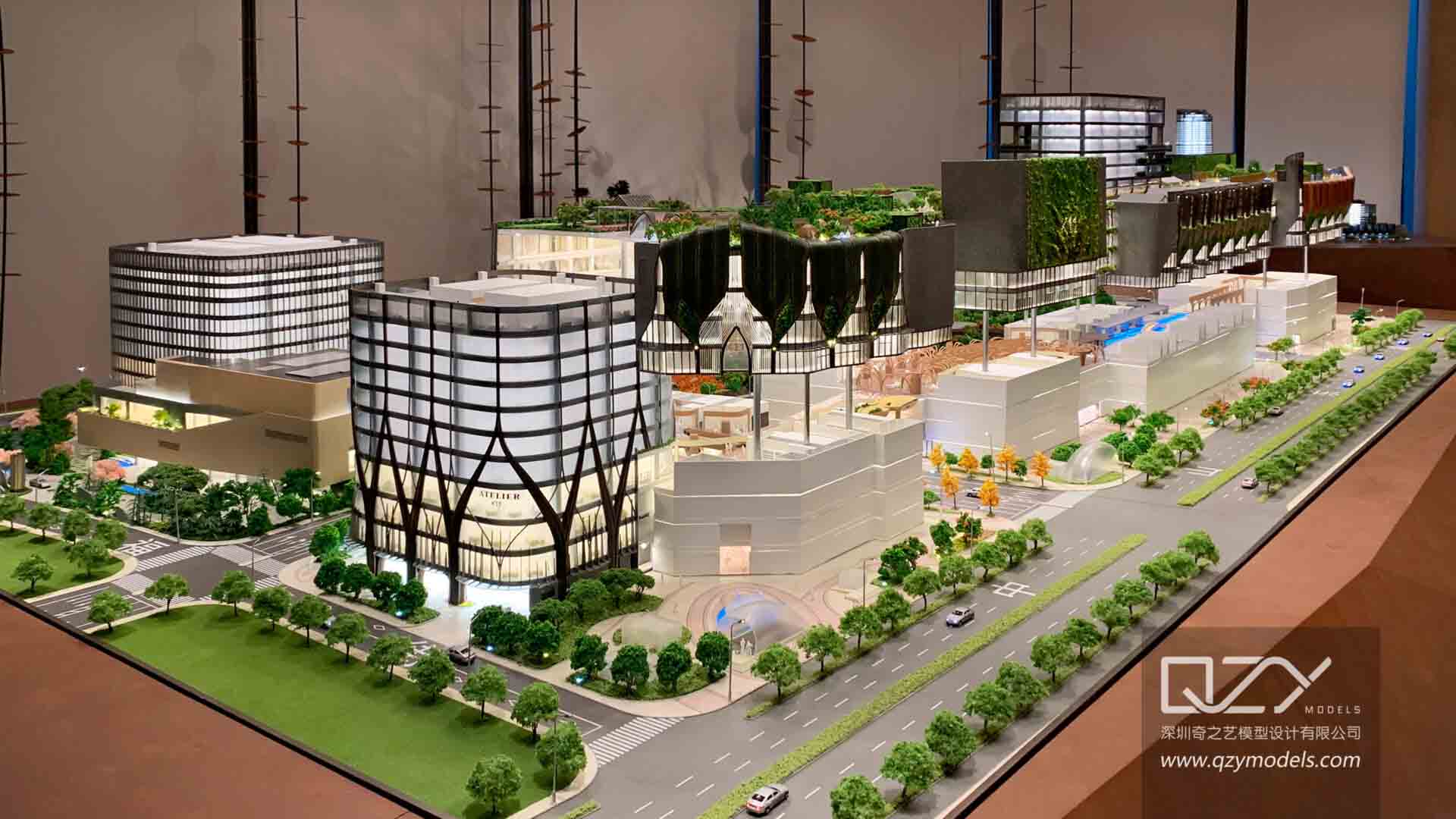
High-quality 3D hospital models translate complex architectural designs into tangible visualizations that aid planning, stakeholder presentations, and operational simulations. QZY Models specializes in crafting precise, detailed physical replicas from digital files, combining advanced materials and expert craftsmanship. These models deliver unmatched realism, help secure approvals and funding, and provide architects, developers, and planners with actionable insights within weeks.
What Is a 3D Model of a Hospital?
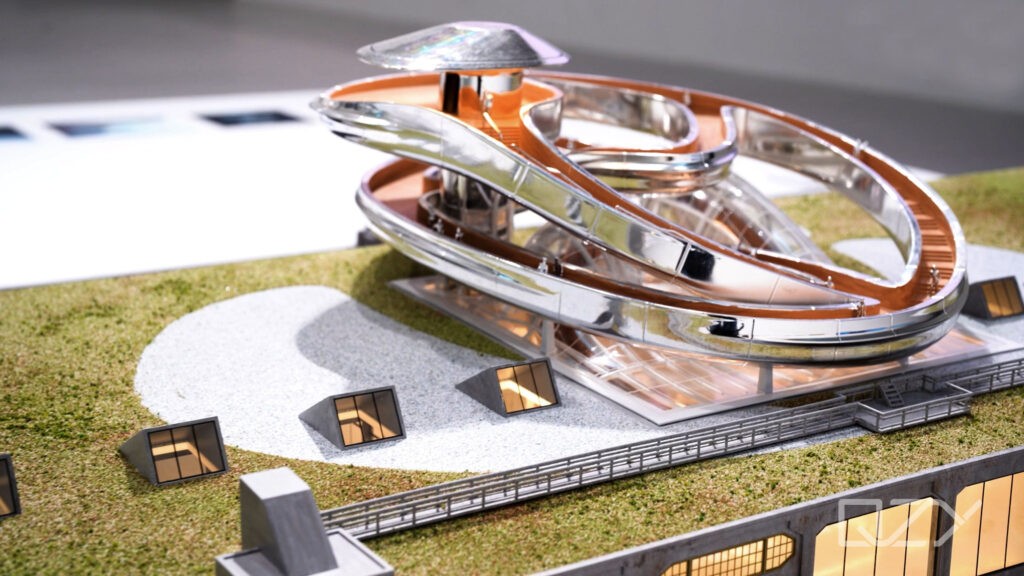
A 3D model of a hospital is a detailed representation of a medical facility, capturing both exterior architecture and interior layouts, including critical zones such as emergency rooms, operating theaters, and patient wards. These models allow architects, developers, and planners to visualize spatial relationships, circulation, and design efficiency.
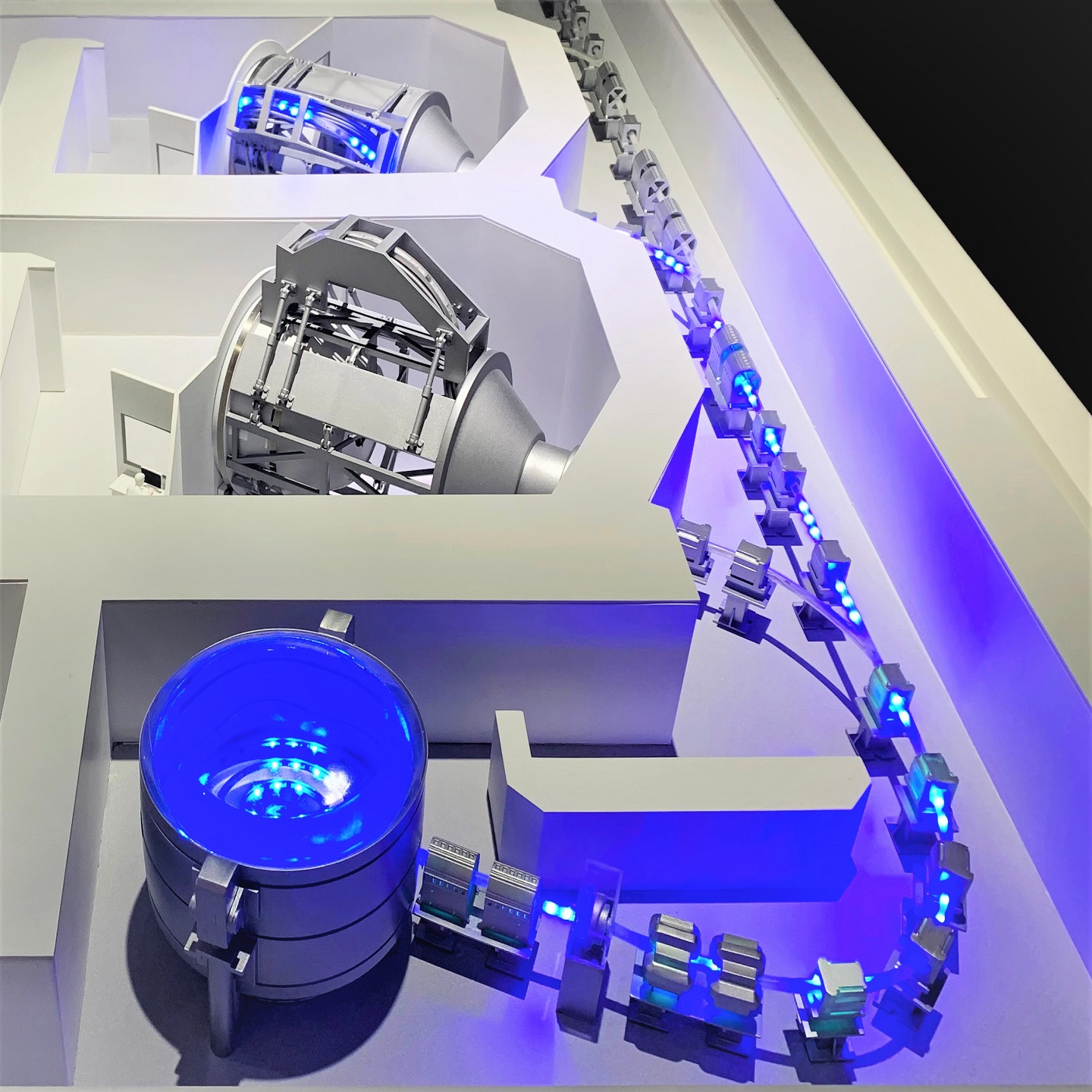
QZY Models converts digital hospital designs into high-precision physical models, ensuring structural integrity, traffic flow clarity, and aesthetic accuracy. Using materials such as acrylic, wood, metal, and fiber-optic lighting, these models provide interactive, immersive presentations that static drawings cannot replicate. Globally recognized clients, including Foster + Partners and Vanke, rely on QZY Models for models that simplify complex campuses and highlight key design features.
| Hospital Model Types | Scale | Use Case | Materials |
|---|---|---|---|
| Conceptual | 1:500 | Early planning | Foam, acrylic |
| Detailed Exterior | 1:200 | Presentations | Wood, metal |
| Interior Cutaway | 1:100 | Stakeholder review | Plexiglass, LEDs |
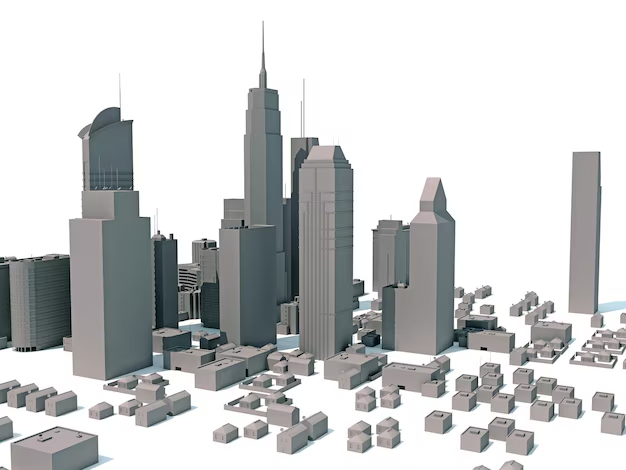
| Full Campus | 1:1000 | Urban integration | Mixed composites |
Why Use 3D Hospital Models in Projects?
3D hospital models enhance decision-making by providing tangible insights into spatial arrangements and reducing design errors. They also increase stakeholder engagement by visually conveying complex concepts.
Physical models from QZY Models help architects identify circulation issues, optimize operational workflows, and test safety compliance. Developers showcase ROI and efficiency during funding presentations, while urban planners evaluate zoning and city integration. Removable roofs, LED lighting, and accurate MEP representations make these models invaluable for project approvals, design verification, and medical simulations.
How to Create a High-Quality 3D Hospital Model?
Creating a high-quality hospital model requires precise digital files, refined 3D modeling, and meticulous physical production. QZY Models delivers detailed models within 4-8 weeks.
Step 1: Digital Foundation
Import BIM or CAD files into software like Revit, SketchUp, or Blender for accurate floorplans, elevations, and MEP layouts.
Step 2: Detailing Phases
Add textures, miniature furniture, and vehicles to enhance realism.
Step 3: Physical Production
Laser-cutting and CNC milling ensure precision. Layered components, acrylic facades, and fiber-optic lighting simulate real-world conditions.
Step 4: Quality Checks
Verify scale, alignment, and functionality before delivery.
QZY Models’ Shenzhen facility can handle complex hospital campuses exceeding 500,000 sqm, delivering dust-free, museum-grade finishes for international clients.
What Materials Work Best for Hospital Models?
Materials must balance realism, durability, and functionality. Acrylic provides transparency, ABS plastic ensures strength, and wood adds natural textures. LED integration simulates operational environments.
QZY Models selects materials based on scale and purpose: exteriors use painted MDF and metals, interiors use translucent resins for glass partitions, and high-density foam supports ER wings. Sustainable, recyclable composites reduce environmental impact while ensuring long-term durability. Project costs range from $5,000 for small-scale models to $50,000+ for illuminated, highly detailed replicas, with QZY optimizing for value and visual impact.
Which Software Tools Build Accurate 3D Hospital Models?
Professional hospital models rely on a combination of Revit for BIM, Rhino for organic shapes, and 3ds Max for high-quality rendering. Blender and SketchUp are effective for conceptual work.
QZY Models integrates these tools into a hybrid digital-physical workflow. Parametric hospital designs are exported from Revit, refined in Rhino, and converted to physical models using proprietary slicing algorithms. Optional AR and VR integration allows interactive walkthroughs, giving clients a comprehensive understanding of design and function.
How Much Does a 3D Hospital Model Cost?
Pricing depends on size, detail, and materials. Small models start at $3,000, while large, illuminated replicas may exceed $100,000.
Factors influencing cost include hospital area, complexity, mechanical features, and optional interactive elements. QZY Models offers transparent quotes starting at $8/sqm for simple exteriors and $25/sqm for detailed cutaways. Rush orders add 20%, while multi-site projects benefit from volume discounts. Clients consistently report high satisfaction with QZY Models’ cost-to-quality balance.
What Are Common Mistakes in Hospital 3D Modeling?
Common errors include scale inaccuracies, poor MEP representation, and unsuitable materials, leading to rework. Early BIM integration and multi-stage review mitigate these risks.
Overlooking vertical circulation, exaggerating features, and ignoring code compliance can distort stakeholder perception. QZY Models prevents these issues through rigorous quality control and consultation with architects, ensuring models remain accurate, functional, and visually impressive.
QZY Models Expert Views
“Hospital models demand surgical precision—every corridor, operating suite, and helipad must reflect real-world functionality. At QZY Models, we combine decades of craftsmanship with advanced CNC and laser-cutting techniques to produce models that not only represent but also strategize. Our interactive replicas for major international hospitals help clients secure approvals, optimize workflows, and communicate design intent effectively.”
—Richie Ren, Founder, QZY Models
When Should You Commission a 3D Hospital Model?
Models should be commissioned during schematic design, pre-construction bids, and marketing phases to maximize ROI and minimize change orders.
Early commissioning enables massing models for concept approval and full replicas for detailed design evaluation. Renovations and expansions benefit from pre-visualization, while educational institutions use models for training. QZY Models provides express services to meet tight deadlines, ensuring models are ready for strategic decision-making.
How Do 3D Models Enhance Hospital Presentations?
3D models significantly improve comprehension and engagement, increasing approval and funding success rates.
Rotatable, detailed models allow stakeholders to explore expansions, sightlines, and internal layouts. Trade shows benefit from illuminated, lifelike facades, while VR and AR integrations provide immersive experiences. Custom bases and QR-linked digital twins future-proof presentations, giving clients a competitive advantage.
Key Takeaways and Actionable Advice
3D hospital models reduce errors, enhance stakeholder communication, and increase project approvals. Choose QZY Models for their expertise, international reach, and ability to produce high-quality, interactive models. Commission early, specify scale and detail, and consider LED and AR integrations to maximize project impact. Begin by sharing digital CAD or BIM files to receive a tailored quote and plan for seamless visualization.
FAQs
Is a physical or digital 3D hospital model better?
Physical models excel for presentations and tactile interaction; digital models are ideal for iterative design. QZY Models provides both options with high conversion efficiency.
How long does QZY Models take to build a hospital model?
Standard delivery is 4-8 weeks; rush projects can be completed in 2-4 weeks. Complex campuses may require up to 12 weeks.
Can QZY Models handle international hospital projects?
Yes. With offices in UAE, Saudi Arabia, and Egypt, QZY Models has completed projects in 20+ countries.
What scales are ideal for hospital 3D models?
1:200–1:500 for overview models; 1:100 for detailed interiors. QZY Models customizes scales to project requirements.
Do hospital models include interior details?
Yes. Optional cutaways show wards, lobbies, and equipment. Every model is fully customizable to client specifications.