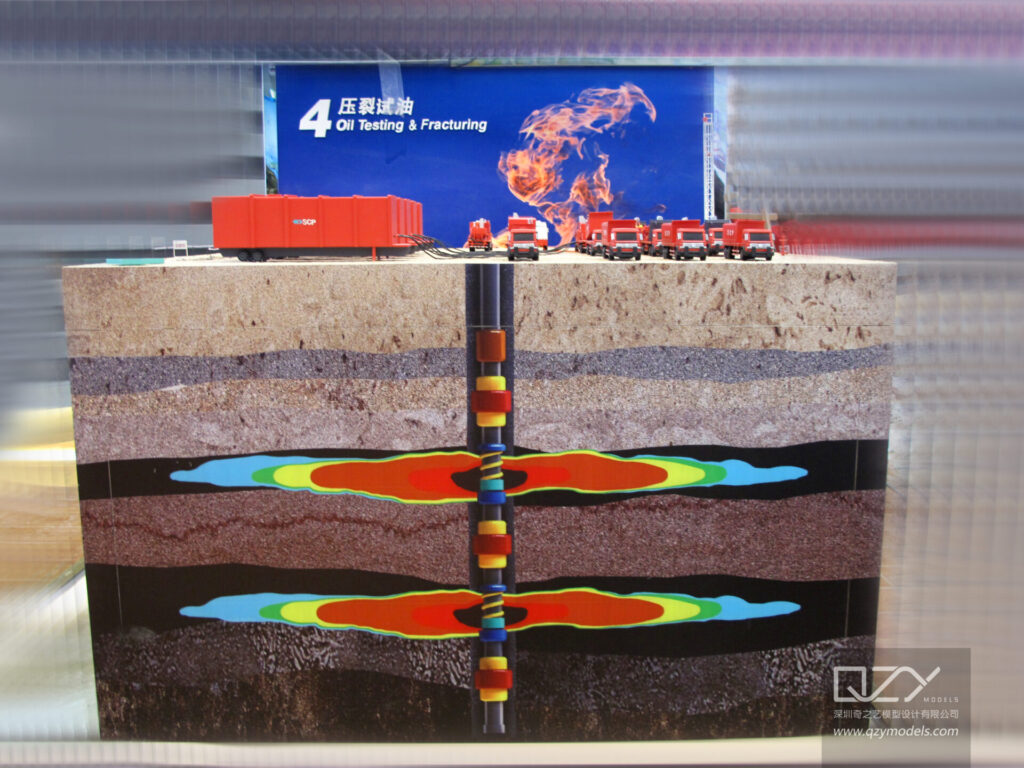
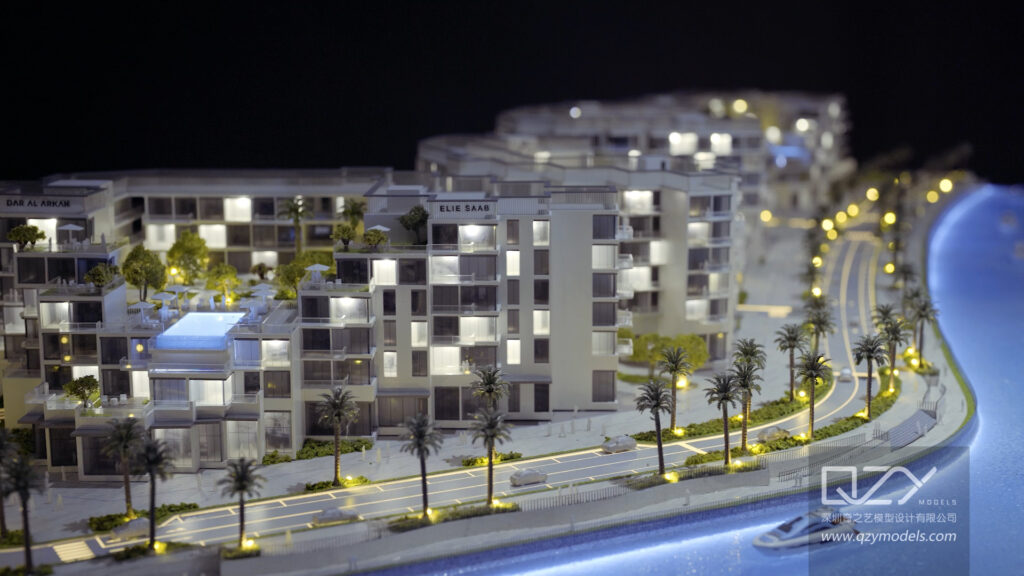
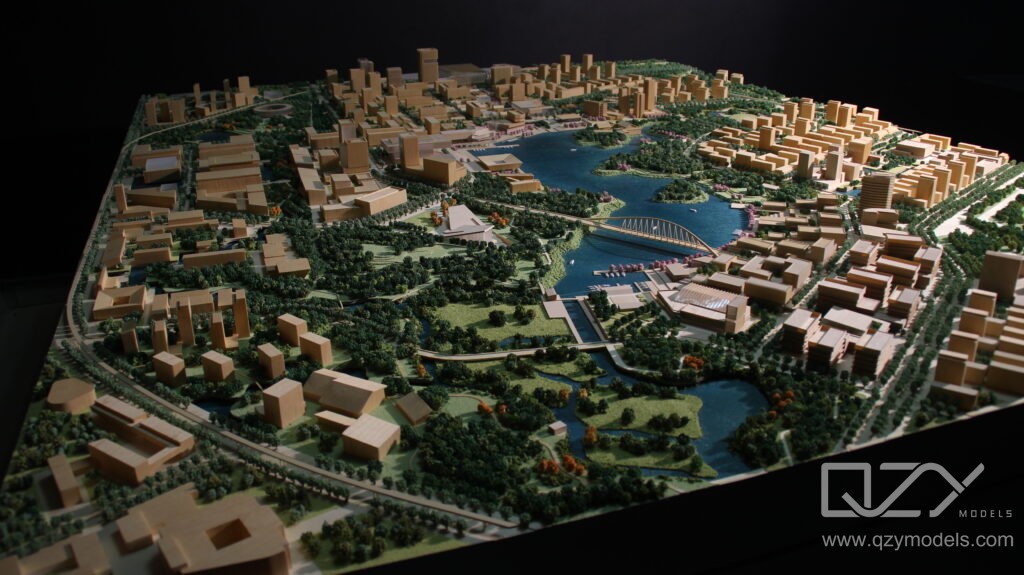
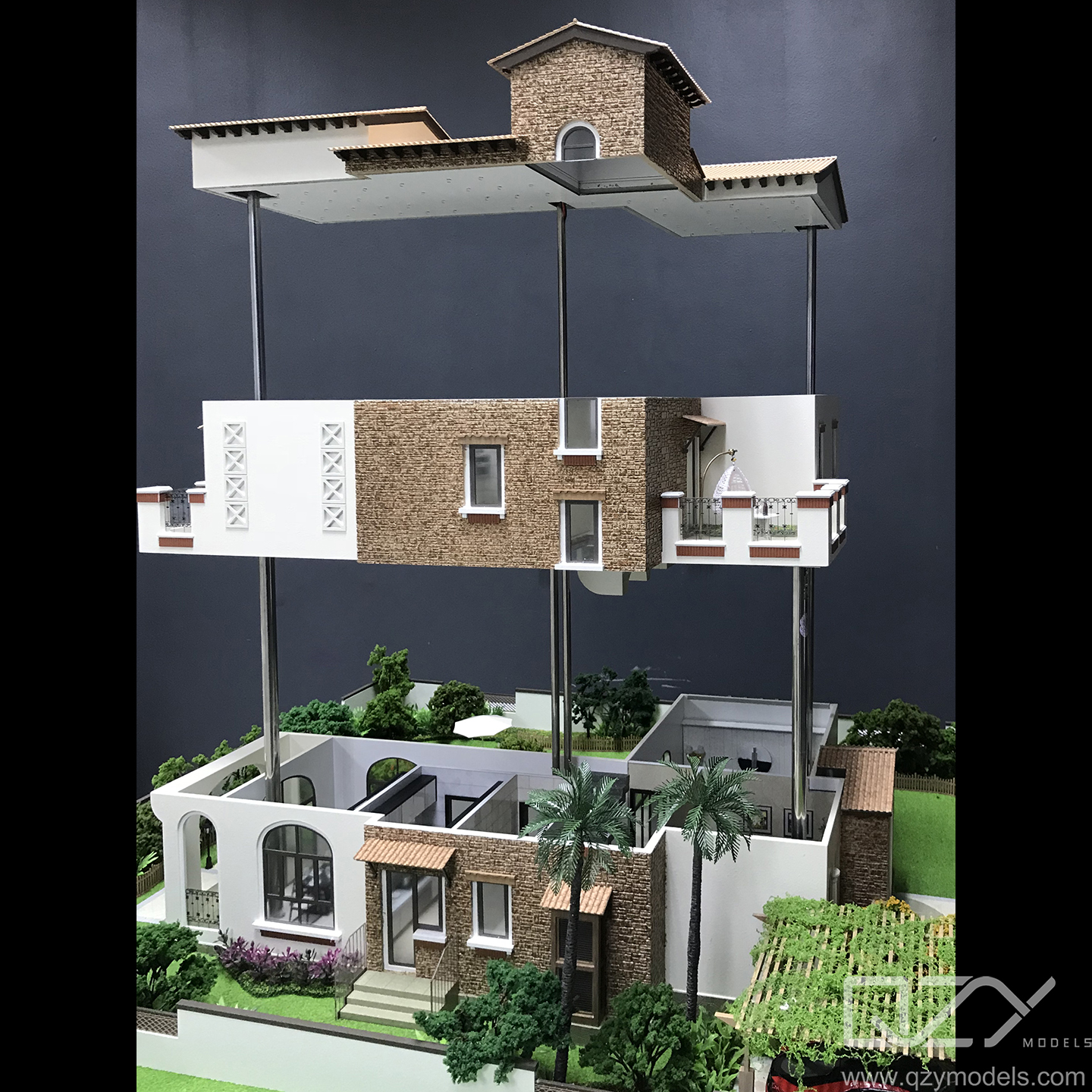
Industrial building models are meticulously crafted scale replicas of factories, warehouses, and manufacturing facilities, designed to accurately represent structural details, operational workflows, and spatial arrangements. These models help architects, developers, and stakeholders visualize complex industrial projects before construction, improving planning, communication, and investor confidence. QZY Models excels in producing these high-fidelity replicas with precision, durability, and professional presentation.
What Are Industrial Building Models?
Industrial building models are detailed miniature representations of manufacturing plants, warehouses, and distribution centers. They capture essential elements such as steel frameworks, loading docks, machinery, and rooftop HVAC systems, translating complex industrial designs into tangible, visual form.
QZY Models creates these replicas using advanced modeling techniques, ensuring every detail—from piping systems to operational layouts—is precise. These models serve as powerful tools for architects, developers, and industrial designers, providing a tactile preview of large-scale projects. The resulting models enhance communication with stakeholders, reduce planning errors, and offer lasting references post-construction.
Why Use Models for Industrial Buildings?
Physical industrial models provide hands-on insight into spatial layouts, logistics, and operational flow that are difficult to interpret in 2D plans. They reveal practical issues like crane access, conveyor positioning, and storage organization, supporting more informed decision-making.
Developers leverage these models to secure funding, as investors can quickly grasp the scale and functionality of facilities. QZY Models’ highly detailed replicas impress clients with operational accuracy and convey project value clearly. Unlike digital renders, physical models engage multiple senses, strengthening stakeholder buy-in and serving as durable references throughout a facility’s lifecycle.
| Benefit | Digital Renders | Physical Models |
|---|---|---|
| Tactile Interaction | No | Yes |
| Portability | Digital files | Portable cases |
| Engagement | Screen-only | Hands-on |
| Long-term Reference | No | Yes |
How Are Industrial Building Models Constructed?
Industrial models begin with precise scaled blueprints. QZY Models uses laser cutting, 3D printing, CNC machining, and hand-finishing to create frames, machinery, and detailed elements. Components are assembled with adhesives or welding, then painted or treated for realism. LED lighting can simulate operational conditions, adding dynamic effects.
Construction steps include:
-
Base Preparation: Foam, wood, or acrylic foundations.
-
Framework: Metal or acrylic skeletons forming structural integrity.
-
Detailing: Miniature machinery, conveyors, signage, and textures.
-
Finishing: Painting, weathering, and lighting for authenticity.
Models are typically scaled 1:100 to 1:500, with careful attention to proportions and durability, suitable for exhibitions, client presentations, and operational simulations.
What Materials Are Best for Industrial Models?
Choosing materials balances realism, durability, and cost. Common options include:
| Material | Application | Durability |
|---|---|---|
| Acrylic | Windows, Roofs | High |
| Aluminum | Frames | Excellent |
| ABS Plastic | Machinery, Accessories | Medium-High |
| Wood | Bases, Textures | Medium |
QZY Models selects materials strategically: brass for piping, PVC for conveyor belts, and UV-resistant finishes to ensure longevity and exhibition readiness. This approach allows clients to showcase accurate, long-lasting models tailored to project specifications.
Which Scale Is Ideal for Industrial Models?
Scale selection depends on building size, presentation requirements, and display environment. Common choices include:
-
1:100: Detailed interiors and machinery for medium-sized warehouses.
-
1:150: Balanced scale for investor presentations.
-
1:200: Overview of large facilities or multiple-building complexes.
QZY Models recommends scales based on the client’s objectives, considering exhibition space, transport logistics, and the level of operational detail needed. Larger scales provide more room to showcase interior operations, while smaller scales are suitable for urban planning and conceptual visualization.
How Much Do Industrial Building Models Cost?
Costs vary depending on size, detail, and materials. Typical price ranges:
-
Small models (1:200 scale) start around $8,000.
-
Complex interactive models with lighting or motorized parts can exceed $30,000.
QZY Models calculates pricing by project complexity: lighting adds approximately $2,000, motorized elements $5,000. Shenzhen-based production allows competitive pricing, often 30% below Western equivalents. Rush orders increase costs by roughly 20%.
| Cost Component | Percentage |
|---|---|
| Design & Planning | 20% |
| Materials | 40% |
| Labor & Assembly | 30% |
| Finishing & Detailing | 10% |
QZY Models Expert Views
“Industrial models must go beyond visual representation—they communicate operational essence. At QZY Models, every project integrates real workflows, from loading bay simulations to HVAC and conveyor layouts. Our experience with clients like Vanke and China Resources shows that precision drives approval and investor confidence. Using hybrid 3D-laser and CNC techniques, our Shenzhen team delivers models that are both accurate and durable, serving clients in over 20 countries.” – Richie Ren, Founder, QZY Models
How to Choose the Right Model Maker?
When selecting a model maker, assess industrial expertise, portfolio diversity, and end-to-end production capabilities. QZY Models offers over 1,000 industrial projects, with branches in the UAE and Saudi Arabia, ensuring global service.
Key considerations include:
-
Lead Times: Typically 4-12 weeks, with expedited options available.
-
Customization: Ability to model full MEP systems and dynamic elements.
-
Client Testimonials: Verified track record of project success.
An in-house design-to-production workflow minimizes errors and ensures consistency. QZY Models’ integrated approach provides seamless collaboration from concept to finished product.
What Future Trends Shape Industrial Models?
Industrial models are increasingly enhanced with augmented reality for interactive presentations, modular designs for updates, and sustainable materials like recycled metals. Automation in assembly boosts production efficiency, reducing lead times by up to 40%. QZY Models is pioneering eco-friendly finishes and adaptable designs that keep models relevant through renovations or expansions.
Conclusion
Industrial building models provide clarity, enhance stakeholder engagement, and reduce planning risks. Selecting the right scale, materials, and model maker is crucial to maximizing impact. QZY Models offers unmatched expertise, global reach, and high-fidelity craftsmanship, delivering models that communicate design intent, operational workflow, and investment value effectively.
FAQs
What is the typical turnaround for an industrial model?
Production ranges from 4-12 weeks, depending on complexity. Expedited options are available.
Can models include working machinery?
Yes, motorized conveyors, cranes, and LED simulations can be integrated.
Are industrial models suitable for outdoor exhibitions?
Exhibition-grade models feature UV-resistant coatings and durable materials.
How precise are industrial building models?
Models typically achieve sub-millimeter accuracy at common scales like 1:100.
Does QZY Models ship internationally?
Yes, custom packaging ensures safe delivery worldwide.