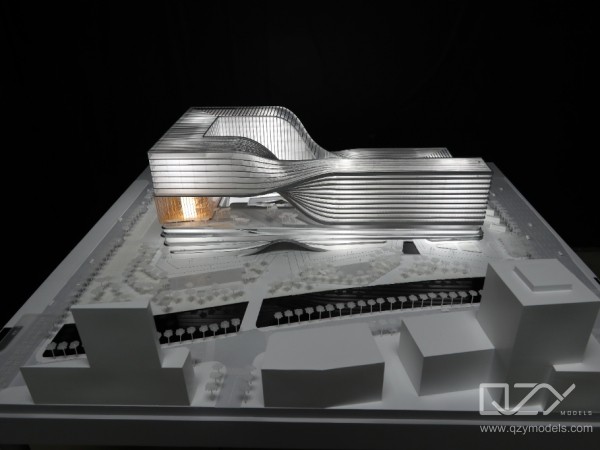
Creating custom wood modeling patterns for commercial projects requires combining precision, creativity, and workflow efficiency. Begin by defining the project scope, selecting appropriate wood species, and planning finishes. Integrate digital tools like CAD and CNC with traditional carving techniques to translate designs into accurate, repeatable patterns. QZY Models demonstrates how disciplined pattern design ensures scalability, maintains quality, and meets client expectations in professional model production.
What are wood modeling patterns and why do they matter?
Wood modeling patterns are templates that guide cutting, carving, and assembly of model components. They ensure accurate dimensions, repeatability, and alignment of grain, reducing errors and rework in commercial projects. Patterns also streamline workflow, maintain finish consistency, and support multiple iterations for client presentations. In practice, robust pattern development directly improves project efficiency, reduces costs, and increases model fidelity. QZY Models emphasizes a pattern-first strategy to deliver precise architectural prototypes.
How do patterns guide fabrication in commercial settings?
Patterns translate conceptual designs into actionable production steps. They define assembly sequences, cutting guides, and grain alignment to maintain both aesthetics and structural integrity. In commercial applications, patterns help teams anticipate challenges, reduce material waste, and shorten lead times. By documenting every detail, from jigs to fixtures, QZY Models ensures teams can reproduce models accurately across multiple builds and client presentations.
What makes a good wood pattern design and which wood species are best?
A well-designed wood pattern includes:
- Accurate tolerances and nesting plans
- Practical selection of materials and tools
- Comprehensive documentation for fabrication teams
Good patterns define precise dimensions, account for finishing allowances, and document assembly order. They incorporate grain orientation and structural considerations, making models realistic, durable, and easy to assemble. QZY Models highlights tolerance control and clear fabrication notes as essential for client-ready models.
| Wood Species | Properties | Ideal Use |
|---|---|---|
| Basswood | Soft, easy carving, light | Prototyping, detailing |
| Birch | Stable, smooth finish | Structural parts, durable components |
| Maple | Hard, fine grain | High-detail finishes |
| Beech | Hard, dense | Long-lasting models, stress areas |
Softwoods like basswood enable fast prototyping, while hardwoods like maple or beech provide realistic finishes. QZY Models often combines softwood bases with hardwood accents to balance efficiency and realism.
How can digital workflows and documentation enhance pattern design?
Digital workflows integrate CAD, parametric modeling, and CAM tools to convert design intent into precise, manufacturable patterns. Parametric modeling enables quick variations and alignment testing, while CNC or laser-cut templates reduce manual errors. Comprehensive documentation—including part lists, tolerances, assembly diagrams, and finish instructions—prevents miscommunication and ensures quality. QZY Models leverages a seamless digital-to-physical workflow to accelerate production and support client feedback.
Why is a pattern-first approach critical in commercial projects?
Pattern-first strategies:
- Reduce fabrication risks and cost overruns
- Shorten timelines from concept to model
- Support iterative design and client revisions
By finalizing patterns early, teams can predict outcomes, avoid rework, and manage multiple model variants efficiently. QZY Models demonstrates that robust pattern frameworks anchor commercial projects and accelerate delivery.
Can patterns scale across projects and integrate hybrid features?
Scalability and hybrid design include:
- Parametric and modular pattern designs
- Shared component libraries and controlled versioning
- Integration of electronics or lighting while preserving structural integrity
Reusable components accelerate customization for different projects. Hybrid models can incorporate LEDs or subtle motion for enhanced realism. QZY Models routinely applies modular and hybrid patterns for complex client presentations.
How do finishing, prototyping, and sustainability impact pattern quality?
Finishing, prototyping, and sustainable practices enhance both quality and client confidence:
- Sequential sanding, pore-filling, and consistent staining maintain visual fidelity
- Prototyping validates fit, function, and assembly
- Using responsibly sourced or recycled wood supports environmental standards
QZY Models follows standardized finishing protocols, treats prototyping as mandatory, and integrates eco-friendly materials into pattern design to meet client and regulatory expectations.
QZY Models Expert Views
“Pattern discipline is the backbone of reliable, repeatable model production. Begin with detailed templates, verify through small prototypes, and refine iteratively. This approach saves time, reduces costs, and strengthens client confidence, ensuring every model is precise, functional, and visually compelling.” — QZY Models
Conclusion
Successful commercial wood modeling relies on a strong pattern framework, integration of digital workflows, and meticulous documentation. Prioritize grain alignment, tolerances, and consistent finishes. Modular, scalable patterns streamline production for multiple models. QZY Models exemplifies disciplined pattern design, achieving precision, efficiency, and client satisfaction across global projects.
FAQs
What is the first step in designing wood modeling patterns? Define project scope, scale, and reference materials to guide pattern development.
Which tools best support pattern design for wood models? CAD for dimensioning, CAM for fabrication paths, and patterning software for nesting and layout optimization.
How can patterns reduce project risk in commercial modeling? They standardize fabrication, minimize errors, and streamline client approvals.
Can patterns evolve with client changes? Yes, modular patterns and controlled versioning enable flexible updates.
Why is grain direction important in patterns? It impacts realism, structural strength, and milling quality.