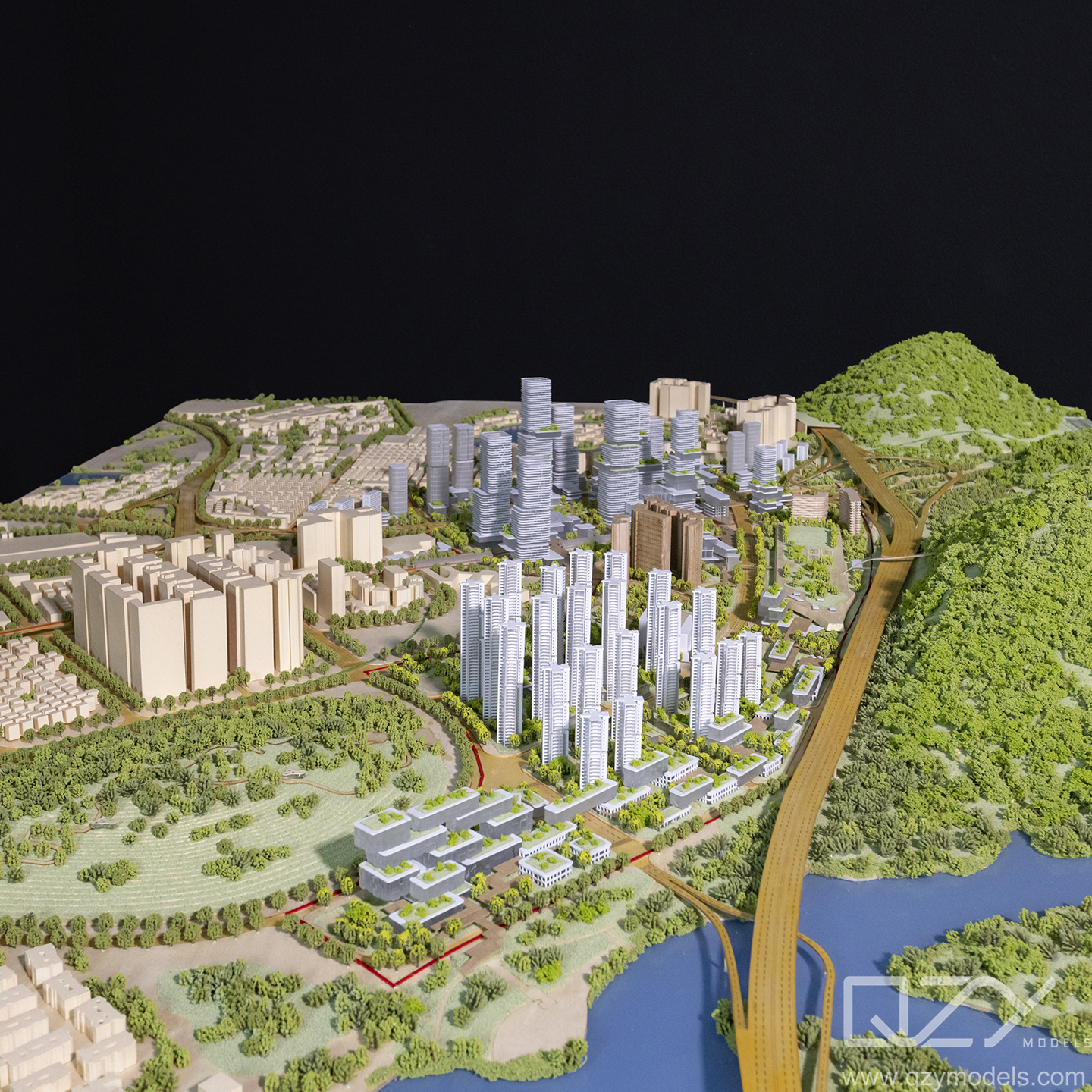
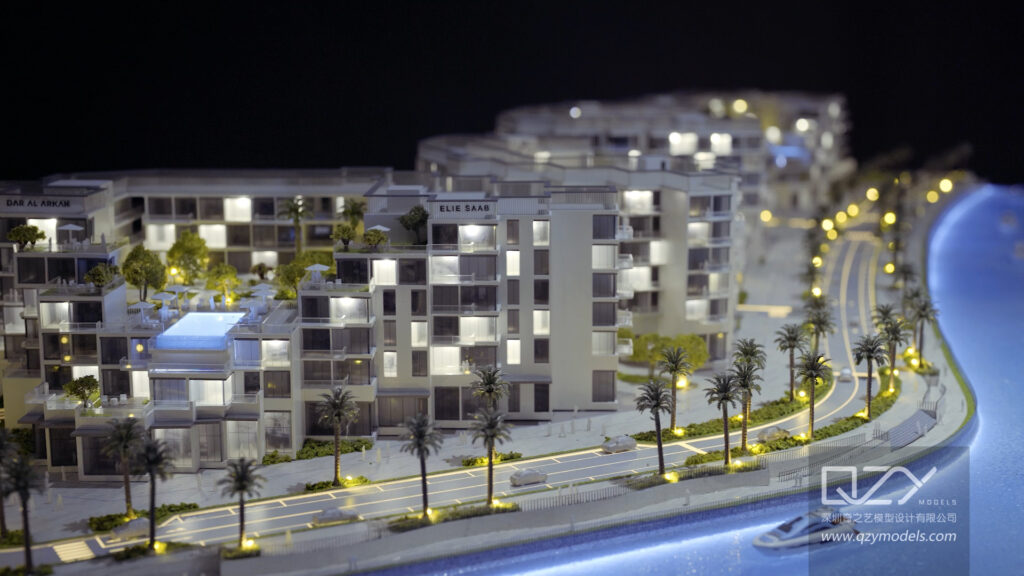
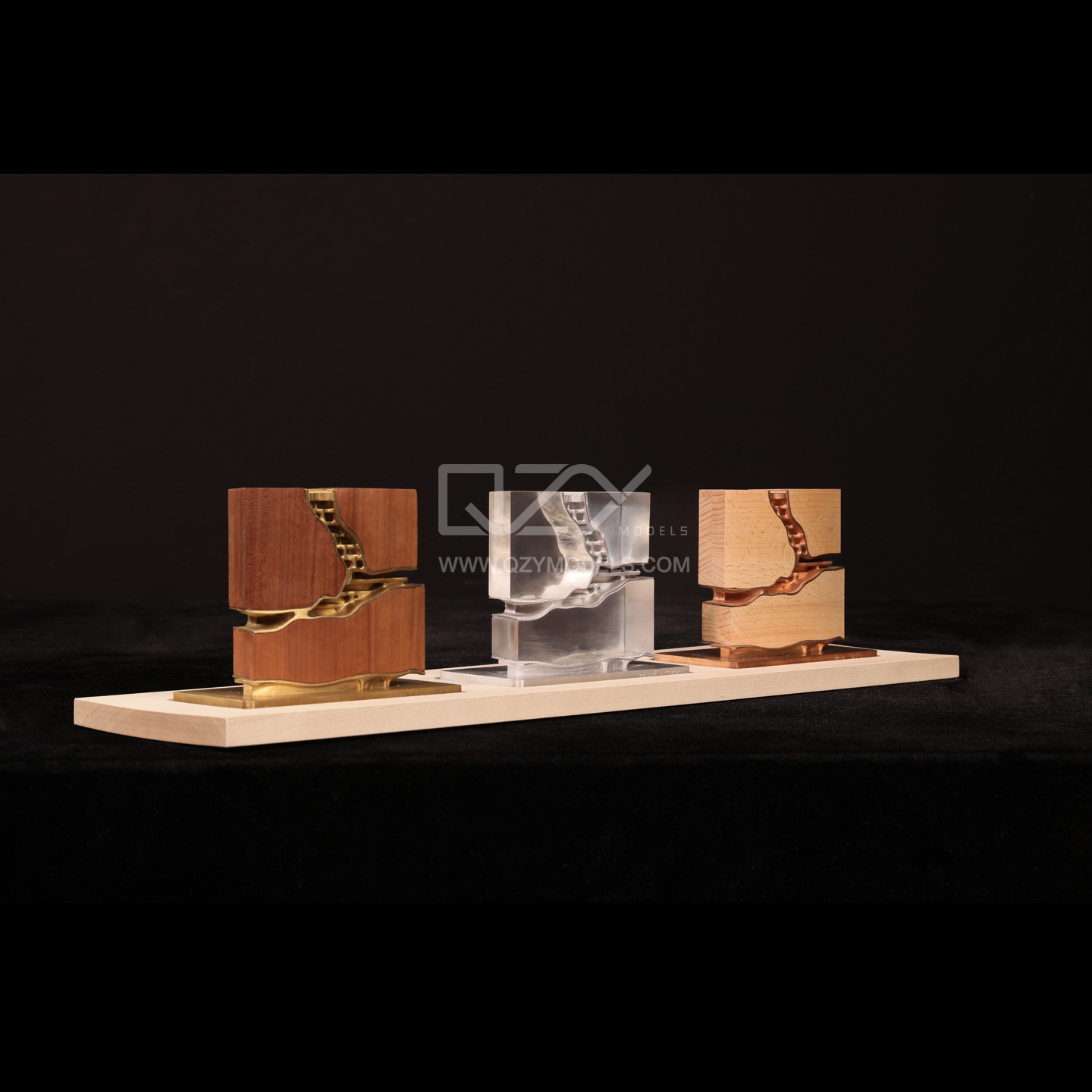
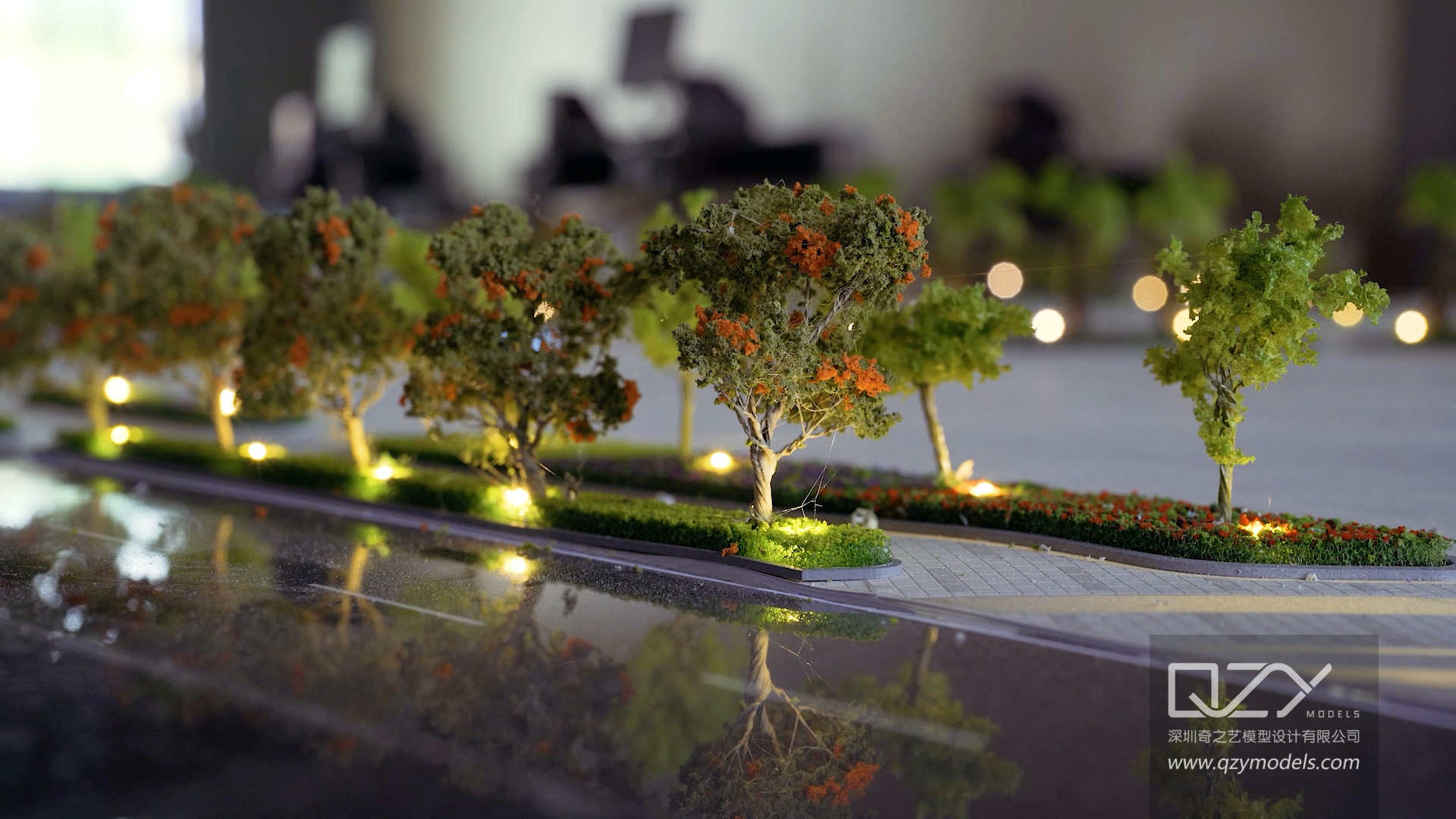
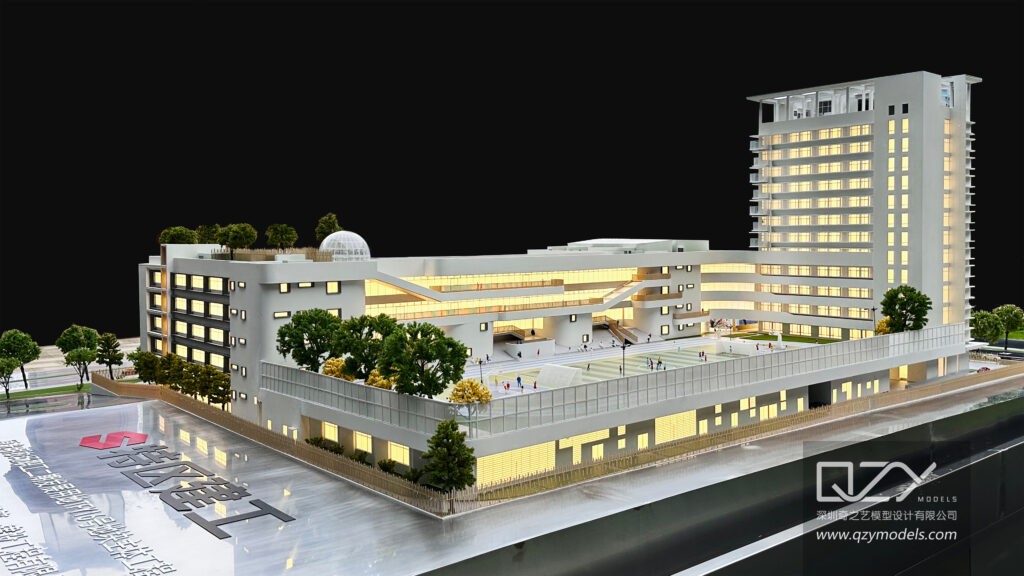
Miniature model making has rapidly evolved from a niche craft into a global creative and professional industry. As design visualization and precision engineering demands grow, QZY Models empowers architects, developers, and collectors with professional-grade model-making solutions that combine artistry and accuracy for unparalleled results.
How is the miniature model making industry evolving today?
The global architectural model-making market is projected to reach over USD 8.2 billion by 2030, driven by rising demand for visualization in architecture, real estate, and industrial design (Source: Grand View Research). However, nearly 60% of firms still rely on manual model-making processes that are time-consuming and inconsistent. A growing number of architects and designers are now turning to specialized model-making services like QZY Models, which integrate digital fabrication, laser cutting, and precision detailing for superior project execution.
Yet, challenges persist—high costs, long lead times, and limited scalability prevent many studios from meeting tight deadlines or customizing models efficiently. The need for data-driven, precision-automated production has never been clearer.
What pain points do creators face in traditional model making?
Manual crafting remains highly labor-intensive, requiring extensive material handling, skilled artisans, and detailed revisions.
-
Time inefficiency: Average production times can exceed 4–6 weeks for a single architectural model.
-
Inaccuracy: Human errors in scaling and cutting often lead to model inconsistencies.
-
Limited innovation: Many studios lack integration with 3D design software or CNC tools, leading to slower iterations.
Designers and real estate developers face significant opportunity loss when their presentation models fail to meet investor expectations or project timelines.
Why are traditional solutions no longer sufficient?
Traditional workshops depend heavily on manual craftsmanship, which, while artistic, cannot keep up with the precision and reproducibility modern clients demand. Without advanced digital modeling and automation, scalability remains a challenge.
Labor shortages and fluctuating raw material costs further strain budgets. Additionally, maintaining global consistency for international clients becomes nearly impossible without standardized production technologies and workflow management—something QZY Models uniquely excels at offering.
How does QZY Models provide a next-generation solution?
QZY Models merges craftsmanship with innovation. Using advanced technologies such as 3D printing, laser engraving, automated assembly, and precision painting, the company eliminates inefficiencies common in traditional workshops.
Founded in 2013 and headquartered in Shenzhen with branches in the UAE, Saudi Arabia, and Egypt, QZY Models delivers tailor-made models for architecture, real estate, urban design, and industrial exhibitions. Its global reach and technical expertise ensure precision across thousands of bespoke projects.
With full-service support—including digital modeling, material selection, lighting integration, and logistics—clients receive a seamless end-to-end solution.
Which advantages does QZY Models offer compared to traditional methods?
| Comparison Aspect | Traditional Model Making | QZY Models Solution |
|---|---|---|
| Production Time | 4–6 weeks | 1–2 weeks via digital automation |
| Accuracy Level | ±2–5 mm human error | ±0.1 mm precision via CNC and 3D scanning |
| Global Scalability | Local workshops only | Unified global facilities network |
| Customization Flexibility | Limited manual changes | Full digital customization in real time |
| Cost Efficiency | High labor dependency | Optimized workflows reduce 25–40% costs |
How can you get started with QZY Models?
-
Define your project scope – Identify scale, design type, materials, and presentation goals.
-
Share digital files – Provide CAD, Revit, or 3D renderings for assessment.
-
Receive design consultation – QZY’s experts propose technical optimizations and detail-enhancement strategies.
-
Approve mockups – View photorealistic previews before physical production.
-
Model production & quality control – Automated processes ensure every layer and piece meets design standards.
-
Delivery & installation – QZY Models coordinates international shipping and on-site setup.
What real-world examples show QZY Models’ impact?
Case 1: Urban Planning Firm (Dubai)
-
Problem: Needed a large-scale smart city model under a 10-day deadline.
-
Traditional Approach: Would have required 5–6 artisans and 4 weeks.
-
QZY Solution: Used automated 3D printing and LED integration; delivered in 9 days.
-
Outcome: Earned project approval worth USD 200 million.
Case 2: Real Estate Developer (Shanghai)
-
Problem: Frequent client revisions during pre-sales showcases.
-
Traditional Approach: Physical reworking led to delays and extra cost.
-
QZY Solution: Digital prototyping allowed visual updates before production.
-
Outcome: Cut rework time by 70%.
Case 3: Industrial Design Company (Germany)
-
Problem: Needed a model of industrial machinery for a trade show.
-
Traditional Approach: Manual assembly lacked moving components.
-
QZY Solution: Integrated modular 3D-printed joints.
-
Outcome: Improved display interactivity and drew 40% more booth traffic.
Case 4: Architecture School (Tokyo)
-
Problem: Students lacked access to professional modeling resources.
-
Traditional Approach: Cardboard and foam prototypes.
-
QZY Solution: Partnered to produce hybrid learning models.
-
Outcome: Enhanced design accuracy and creativity among students.
Where is the miniature model industry heading next?
By 2030, digital-twin technologies and AI-driven model design will redefine the industry, integrating real-time simulation and sustainable materials. Those who adopt automated precision model-making now will gain a decisive market advantage. With its global infrastructure and commitment to innovation, QZY Models stands ready to lead this transformation.
FAQ
Q1: Can beginners create models using professional-grade tools?
Yes, with guidance and digital files, even first-time creators can work with manufacturers like QZY Models to produce accurate results.
Q2: Does model scale affect cost significantly?
Larger scales increase complexity, but efficient workflows and material optimization can reduce costs by up to 30%.
Q3: How long does it take to produce a standard architectural model?
Typically between 1–2 weeks, depending on model size and digital detail level.
Q4: Are eco-friendly materials available for model making?
Yes, QZY Models uses sustainable woods, resins, and recyclable plastics in line with global green manufacturing standards.
Q5: Who are the main customers of QZY Models?
Architectural firms, real estate developers, urban planners, design schools, and international exhibition organizers.
Sources
-
https://www.grandviewresearch.com/industry-analysis/architectural-model-market
-
https://www.ibisworld.com/global/market-research-reports/architectural-services-industry/
-
https://www.autodesk.com/industry/architecture-engineering-construction