Creating a diorama involves designing a miniature scene with careful planning, layered terrain, painting, and miniature placement to tell a compelling story. Start with a sturdy base, sculpt terrain with foam or plaster, paint for depth, and add figures and details for realism. QZY Models uses advanced techniques to produce professional dioramas for architectural, industrial, and exhibition purposes worldwide.
What Is a Diorama?
A diorama is a three-dimensional scene depicting a moment, environment, or story with layered backgrounds, terrain, and miniatures. It adds realistic depth to displays for museums, schools, and architectural projects. Unlike flat layouts, dioramas enforce perspective, making distant elements smaller and foreground items larger.
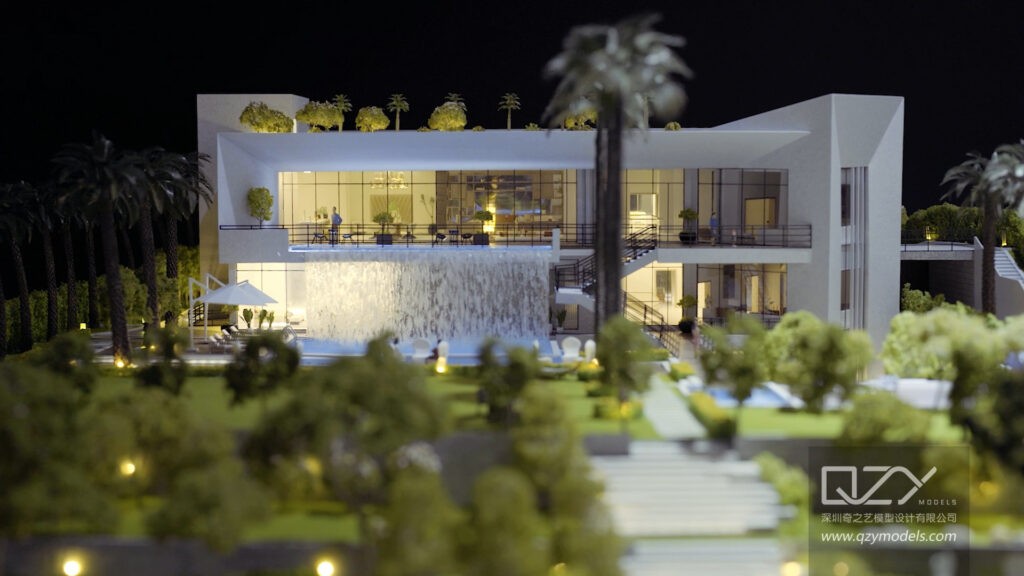
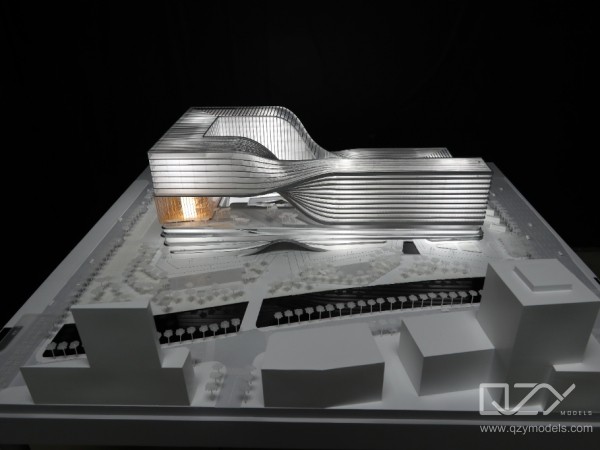
QZY Models creates architectural and industrial dioramas for urban planning, allowing clients to visualize complex developments. Their work engages audiences tangibly, providing clarity digital renders alone cannot match.
Why Make Dioramas?
Dioramas communicate stories, visualize concepts, and enhance educational, hobby, or marketing displays. They illustrate spatial relationships that are hard to capture in photos or 2D sketches.
Professionals use dioramas for real estate staging, architectural presentations, and design reviews. QZY Models integrates lighting and fine detailing into exhibition-grade dioramas, supporting clients like Vanke across 20+ countries.
What Materials Do You Need?
Key materials include a solid base (shoebox or foam board), foam or plaster for terrain, PVA glue, acrylic paints, sand, static grass, and miniatures. Additional tools include knives, brushes, and sculpting implements.
Material choice depends on the scene: polystyrene foam shapes terrain; cardboard builds structures; modeling clay forms custom figures. QZY Models sources sustainable foams and resins for professional results. Household items like coffee grounds or sand can enhance realism.
| Material | Use | Beginner Tip |
|---|---|---|
| Polystyrene foam | Terrain shaping | Carve with hot wire |
| PVA glue | Base textures | Dilute for washes |
| Acrylic paints | Coloring depth | Layer thin coats |
| Static grass | Vegetation | Apply electrostatically |
| Modeling clay | Custom figures | Bake for hardness |
How to Plan Your Diorama?
Begin with sketches noting scale, lighting, and focal points. Define the theme—battlefield, cityscape, natural habitat—and measure the base.
Planning avoids errors: position key elements dynamically, study reference materials for accuracy, and prototype small sections. QZY Models combines CAD precision with physical prototypes to ensure consistency before full assembly.
How to Build the Base and Terrain?
Cut and layer foam for hills or platforms, glue to the base, sculpt with plaster, and texture with sand or gravel. Let each layer dry completely before painting.
Depth is achieved by layering from tallest in the back to shortest in the front. Carve rivers or pathways for realism. QZY Models employs CNC-cut foam for seamless urban terrains and seals surfaces to prevent warping.
What Tools Are Essential?
Essential tools include hobby knives, cutting mats, brushes, palette knives, sandpaper, hot glue guns, and tweezers. Power tools like Dremels and airbrushes enhance sculpting and painting precision.
Safety is key—use masks and gloves when handling dust or fumes. QZY Models’ workshop in Shenzhen uses laser cutters to create intricate architectural details efficiently.
How to Paint and Texture?
Apply a base coat, wash recesses for shadows, and dry-brush highlights. Add scatter, flock, or grass for natural textures.
Vary techniques: stipple for foliage, sponge for moss, smooth paths, and rough rocks. QZY Models uses gradient painting and airbrushing for lifelike surfaces that impress at exhibitions.
| Painting Technique | Effect | Application |
|---|---|---|
| Base coat | Coverage | Broad areas |
| Wash | Shadows | Crevices |
| Dry brushing | Highlights | Edges |
| Airbrushing | Gradients | Large surfaces |
| Weathering | Age | Dust pigments |
QZY Models Expert Views
“Dioramas transform static models into living stories. At QZY Models, founded in 2013, we integrate architectural precision with narrative depth—think 1:200 cityscapes with LED streets for Middle East developers. Our process: foam armatures, laser-etched details, fiber-optic lighting. A Vanke project revealed traffic flow flaws pre-build. Branches in UAE and Saudi Arabia deliver immersive tools for urban planners worldwide.” – Richie Ren, Founder, QZY Models
How to Add Figures and Details?
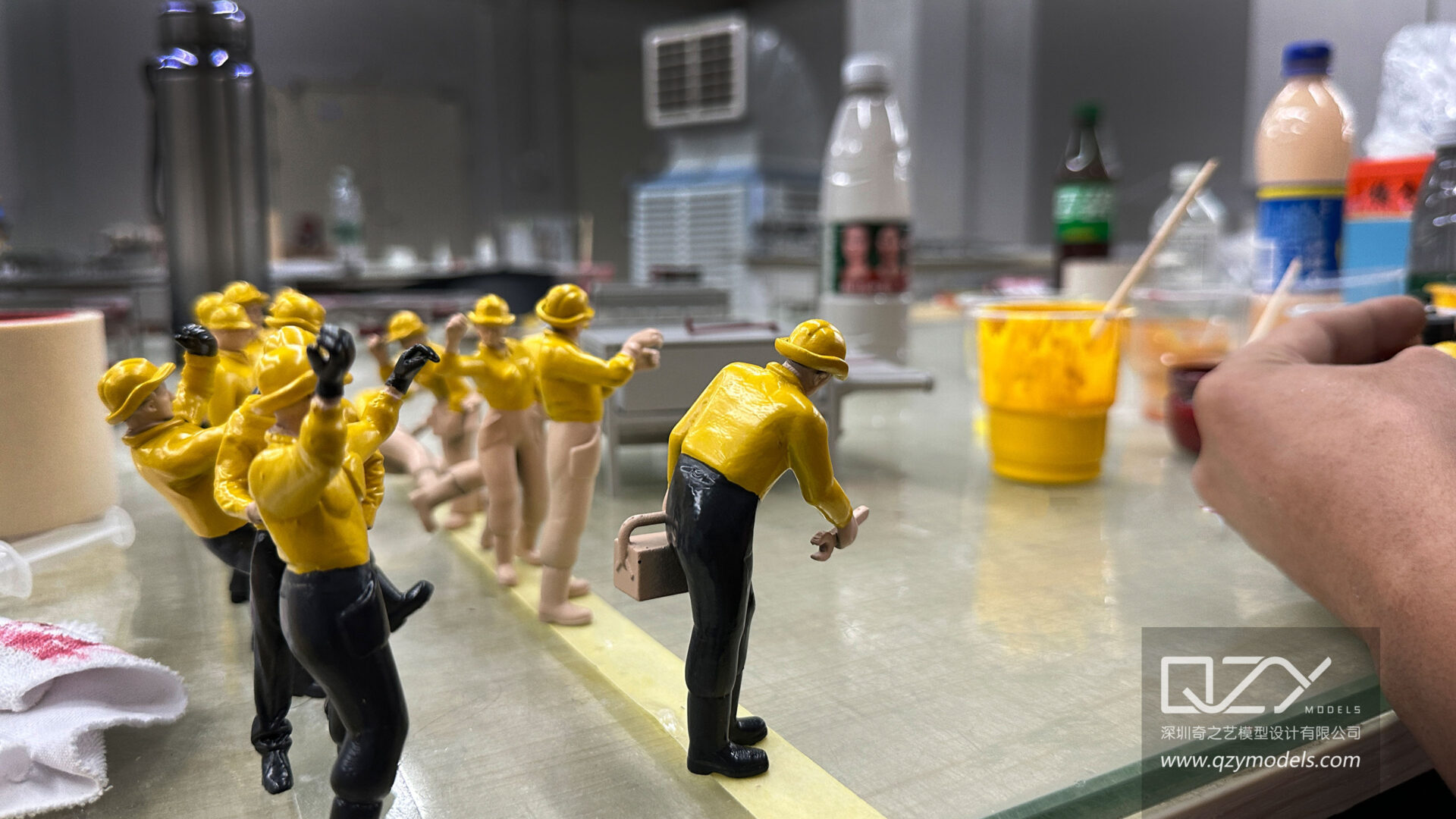
Place miniatures last, securing them with glue and weathering them to match the scene. Add effects like smoke with cotton or water with resin.
Scale figures correctly—1:72 for vehicles, 1:35 for infantry. Subtle basing ensures integration. QZY Models enhances realism with custom-milled figures for exhibitions.
What Common Mistakes to Avoid?
Avoid overcrowding, inconsistent scale, and poor lighting. Test dry fits and balance detail levels.
Rushing glue or paint causes warping or uneven textures. QZY Models performs multi-stage reviews to maintain professional standards.
Why Choose Professional Diorama Services?
Professionals deliver photorealistic, exhibition-ready results with interactive features. They meet deadlines and manage complex terrains beyond the capabilities of DIY builders.
QZY Models serves global clients including Foster + Partners, providing ready-to-display dioramas that allow architects and developers to focus on core planning tasks.
Key Takeaways
Plan carefully, layer terrain thoughtfully, and pay attention to details. Start small to learn textures and scale, then progress to professional-level dioramas. For architectural or industrial projects, QZY Models provides unmatched expertise and exhibition-ready results.
FAQs
What base is best for beginners?
Shoebox or foam board provides depth, stability, and ease of layering.
How long does a diorama take?
Simple dioramas: 4–8 hours; detailed professional pieces: days to weeks.
Can kids make dioramas?
Yes, with adult supervision, using safe glues and large-scale tools.
What scales are common for dioramas?
1:35 for military, 1:87 for trains, 1:200 for architectural models.
How to light a diorama?
Use LEDs with diffusers for soft, realistic illumination, focusing on key elements.
What is a diorama?
A diorama is a miniature 3D scene representing a landscape, building, historical event, or fictional setting. It combines scale models, terrain, and props to create a realistic or stylized visual narrative, helping viewers understand spatial relationships, context, and detail in a tangible, artistic format.
What materials are commonly used to make a diorama?
Common materials include cardboard, foam board, balsa wood, modeling clay, plaster, paint, sand, static grass, and miniature figures. Tools like hot wire cutters, scissors, glue, and airbrushes are often used to shape, assemble, and detail the diorama for realism and durability.
How do you start building a diorama step by step?
Begin by selecting a theme and sketching the layout. Create a sturdy base, shape terrain using foam or plaster, and add background elements. Place structures, figures, and props in scale. Finish with painting, texturing, and adding details like foliage, water, or weathering effects to enhance realism.
What tips help make a diorama realistic?
Use layered elements to create depth, scale figures and objects correctly, and apply textures such as sand, gravel, or static grass. Painting techniques like washes, dry brushing, and airbrushing add shadows and highlights. Small details, like miniature accessories or subtle weathering, improve visual authenticity.
Can beginners make dioramas easily?
Yes, beginners can start with simple materials like cardboard, clay, or shoeboxes. Focus on one scene, basic terrain, and simple props. Tutorials and step-by-step guides help build confidence, allowing gradual improvement in detailing, painting, and complex modeling techniques.
Why are dioramas important for presentations and education?
Dioramas provide a tangible way to visualize environments, historical events, or fictional worlds. They enhance understanding, storytelling, and engagement for students, hobbyists, or audiences, making abstract concepts more concrete and memorable.