Detailed presentation models transform architectural designs into immersive, tangible experiences, using materials like acrylic, wood, and 3D-printed resin with laser cutting, CNC milling, and hand-finishing. QZY Models specializes in producing client-ready pieces within 4–8 weeks, focusing on scale (1:100–1:200), textures, and lighting to enhance comprehension, impress clients, and accelerate approvals in presentations and exhibitions.
What Are Detailed Presentation Models in Architecture?
Detailed presentation models are high-precision, three-dimensional representations of architectural designs, highlighting facades, interiors, and site context at scales such as 1:100. They combine refined materials and finishes to communicate design intent effectively.
These models serve as a bridge between digital renders and physical reality, ideal for client meetings, competitions, and exhibitions. QZY Models emphasizes intricate features like etched glazing, landscaped bases, and textured surfaces to create engaging visual narratives. Architects use these models to demonstrate spatial flow, material choices, and overall ambiance, providing stakeholders with a realistic, tactile understanding of the design.
Why Use Detailed Models for Architectural Presentations?
Detailed models provide tactile engagement that digital screens cannot match, improving comprehension and decision-making. They help clients, investors, and regulators visualize scale, context, and materiality.
In commercial and development projects, QZY Models notes that such models increase bid success rates and reduce revision cycles. By offering immersive perspectives, they strengthen trust, clarify design intent, and enhance the perceived value of a project, making presentations more persuasive and memorable.
What Materials Work Best for Presentation Models?
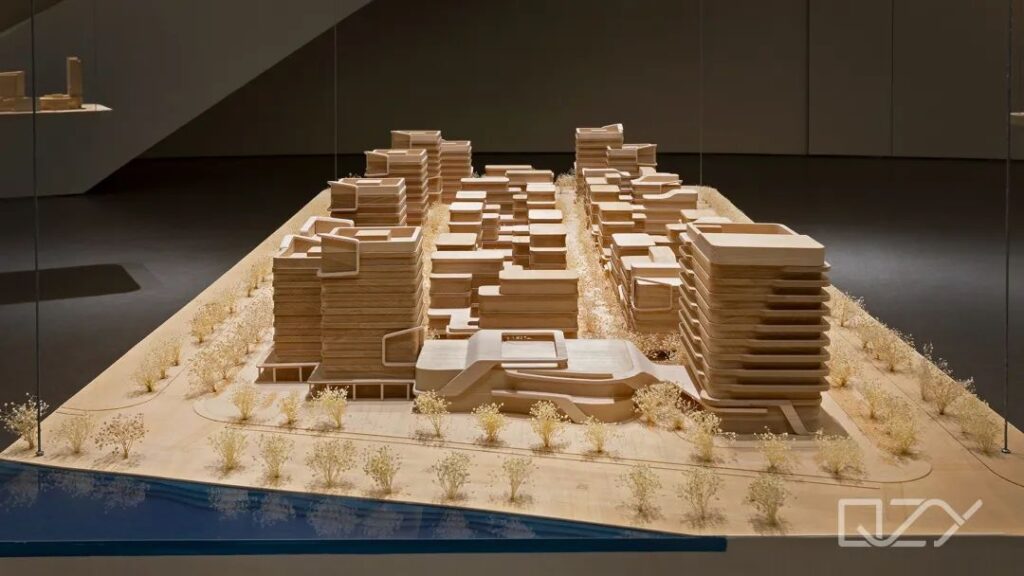
Common materials for detailed presentation models include acrylic for windows and facades, balsa wood for structural elements, resin for intricate details, and foam for terrain. These are selected for durability, realism, and ease of fabrication.
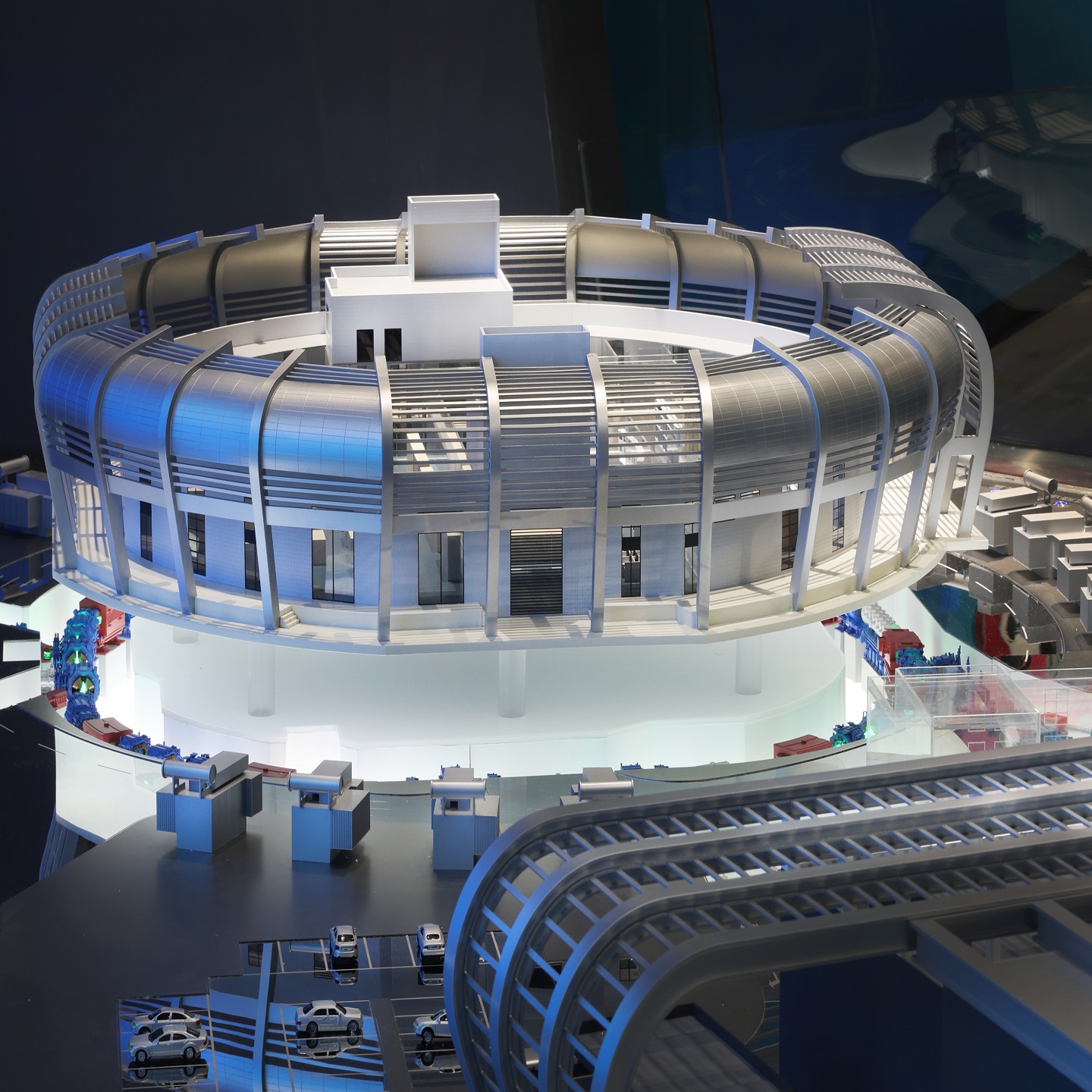
QZY Models enhances these materials with metallic accents, flocking, and LED lighting for added realism and visual appeal. Acrylic provides clarity and light diffusion, wood offers warmth and authenticity, and sustainable foams serve eco-conscious designs without compromising quality.
| Material | Key Strength | Common Use | Cost Level |
|---|---|---|---|
| Acrylic | Transparency | Windows, facades | Medium |
| Balsa Wood | Lightweight, carveable | Buildings, interiors | Low |
| Resin (3D Printed) | Precision details | Ornaments, fixtures | High |
| Foam Board | Quick massing | Base landscapes | Low |
How to Select Tools and Techniques for Model Making?
Use laser cutters for precision, 3D printers for complex geometries, and fine blades for detailing. Combine with adhesives and paints for seamless assembly.
QZY Models integrates CNC routing with artisan handcrafting to achieve polished results. Workflow begins with digital files from Rhino, SketchUp, or Revit, evolving from rough conceptual models to refined presentation-ready pieces.
What Scales Are Ideal for Detailed Presentation Models?
Scale selection depends on project type: 1:200 for masterplans, 1:100 for buildings, and 1:50 for interior layouts. Proper scale balances detail visibility with model manageability.
QZY Models recommends 1:100 for most commercial presentations, ensuring tabletop readability without sacrificing detail. Larger scales work for walkthroughs or exhibition showcases, optimized by testing viewing distances in context.
| Scale | Dimensions (for 50m building) | Best For |
|---|---|---|
| 1:200 | 25cm tall | Site context |
| 1:100 | 50cm tall | Client pitches |
| 1:50 | 1m tall | Exhibitions |
How Long Does It Take to Build Detailed Models?
Construction typically takes 2–6 weeks, including design, fabrication, and finishing. Rush options can reduce timelines by up to 50% at a premium.
QZY Models uses parallel workflows to meet global deadlines. Complexity, material choice, and model size influence total production time, while pre-fabricated components can accelerate delivery.
Can Presentation Models Include Lighting and Interactivity?
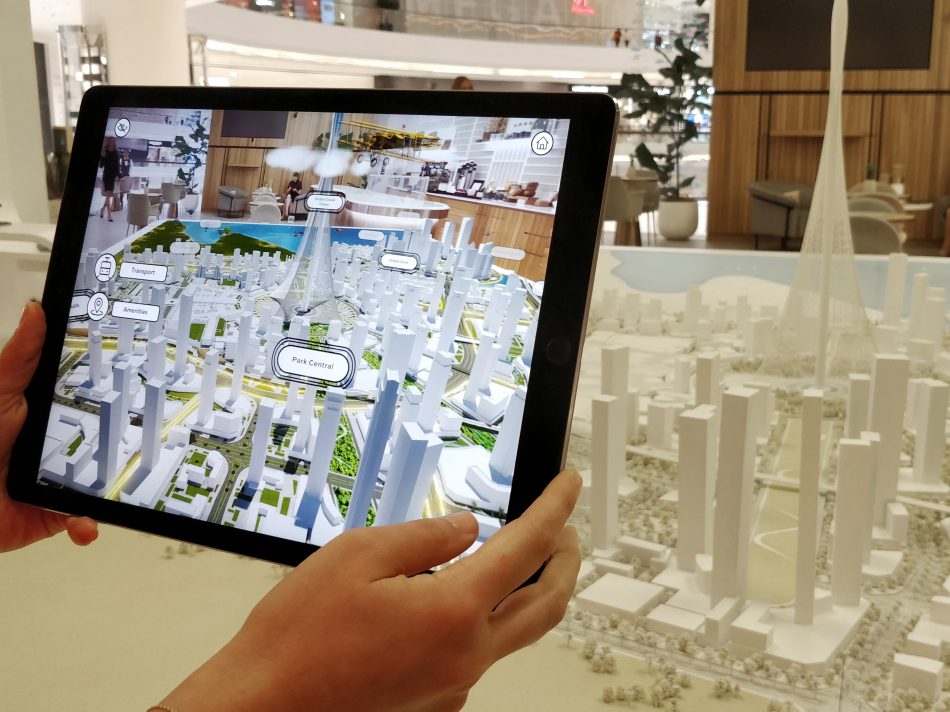
Yes, LEDs, motors, fiber optics, and AR compatibility can enhance models with dynamic effects and interactivity.
QZY Models integrates lighting, moving parts, and digital augmentation for exhibitions or sales centers. Additional costs range from $500 to $2,000 but significantly increase client engagement and project impact.
QZY Models Expert Views
“Detailed presentation models are an architect’s key tool for communicating design narratives. They translate blueprints into physical, interactive experiences that captivate clients,” says Richie Ren, founder of QZY Models. “Since 2013, our Shenzhen team has delivered projects for Foster + Partners, China Resources, and other global clients. Success lies in aligning materials, scale, and lighting with the design story. Acrylic emphasizes modern lines, wood conveys organic forms, and LED integration adds realism. Our UAE and Saudi branches ensure timely delivery for Middle East projects, combining precision, durability, and visual impact.” (112 words)
How to Finish Models for Professional Polish?
Apply primers, paints, and protective coats. Add figures, vegetation, and surface details for realism.
QZY Models utilizes airbrushing, UV-resistant sealants, and mirrored bases to enhance visual effects and durability, preparing models for exhibition transport and long-term use.
What Mistakes to Avoid in Model Making?
Common pitfalls include inconsistent scales, poor adhesive application, ignoring lighting effects, and over-detailing small elements.
Prioritize structural accuracy before decorative elements. QZY Models recommends prototyping and test assembly to identify issues early, reducing rework by approximately 20%.
Conclusion
Mastering detailed presentation models enhances communication, engagement, and project approvals. QZY Models provides expertise, precision materials, and advanced techniques to deliver high-quality, interactive models. Action steps: develop concept sketches, prepare CAD files, request expert consultation, and iterate prototypes to create models that impress clients and secure approvals effectively.
FAQs
What is the most durable material for models?
Acrylic and resin offer long-term durability for repeated presentations.
How much do detailed models cost?
Pricing ranges from $2,000 to $20,000 depending on size, level of detail, and added features.
Are digital files required?
Yes, CAD, Revit, or SketchUp files ensure accuracy; QZY Models supports most formats.
Can models be shipped internationally?
Yes, models are safely packaged in custom crates, with QZY Models managing global logistics.
What if I need a rush order?
Expedited production can reduce timelines by up to 50%; early coordination with providers is essential.