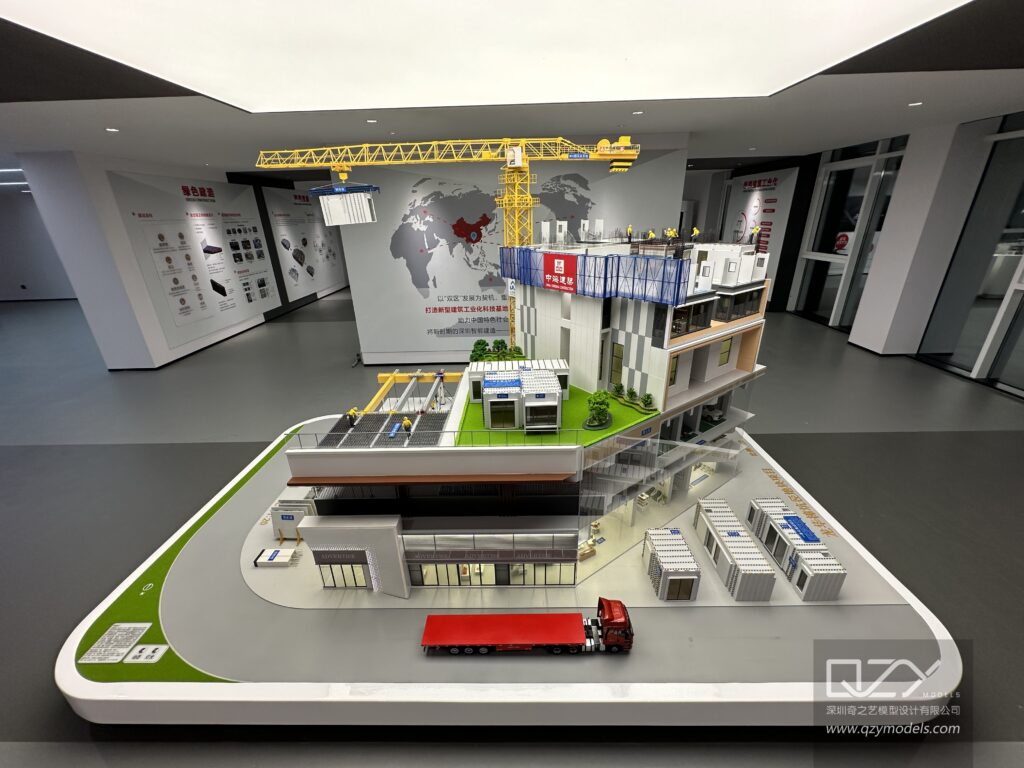
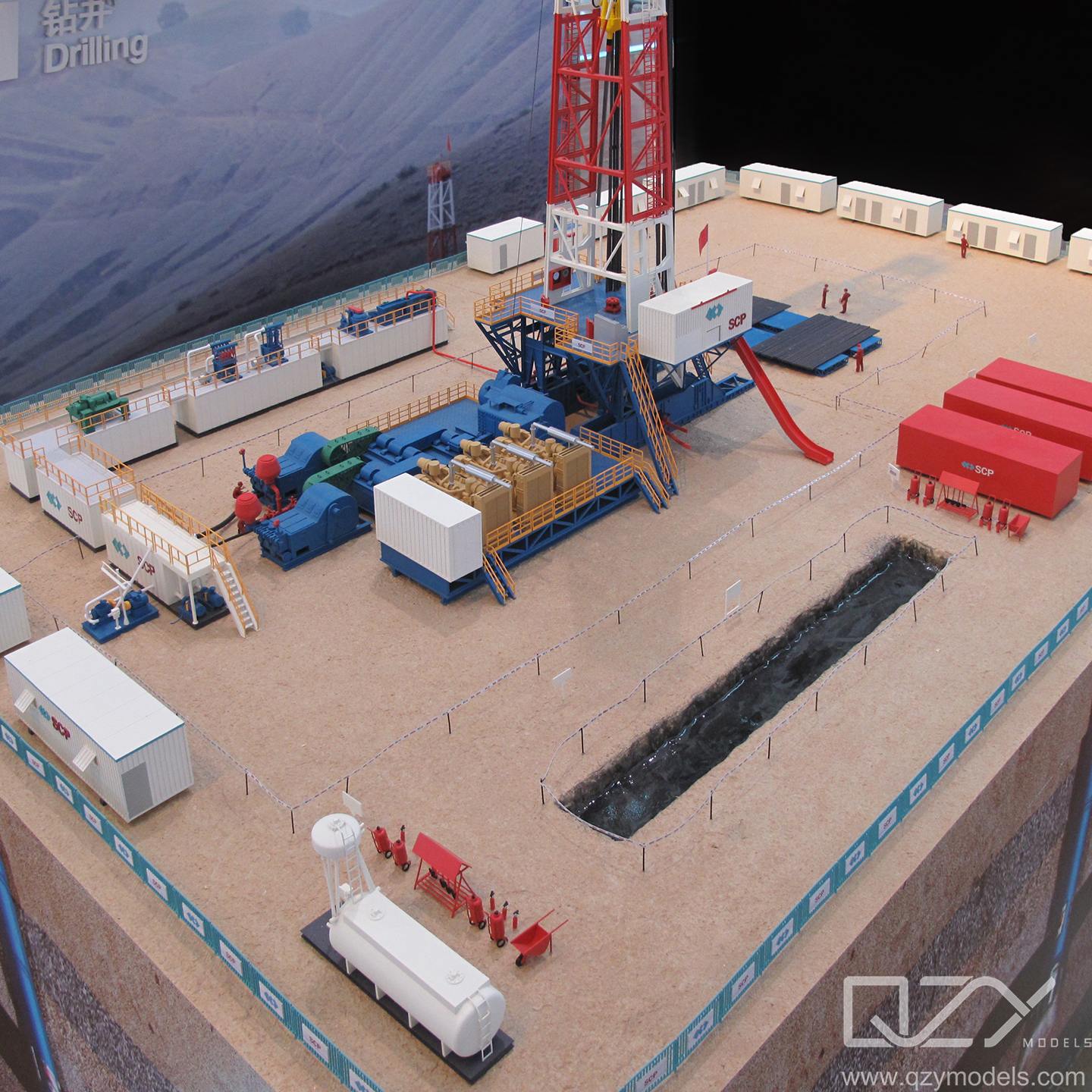
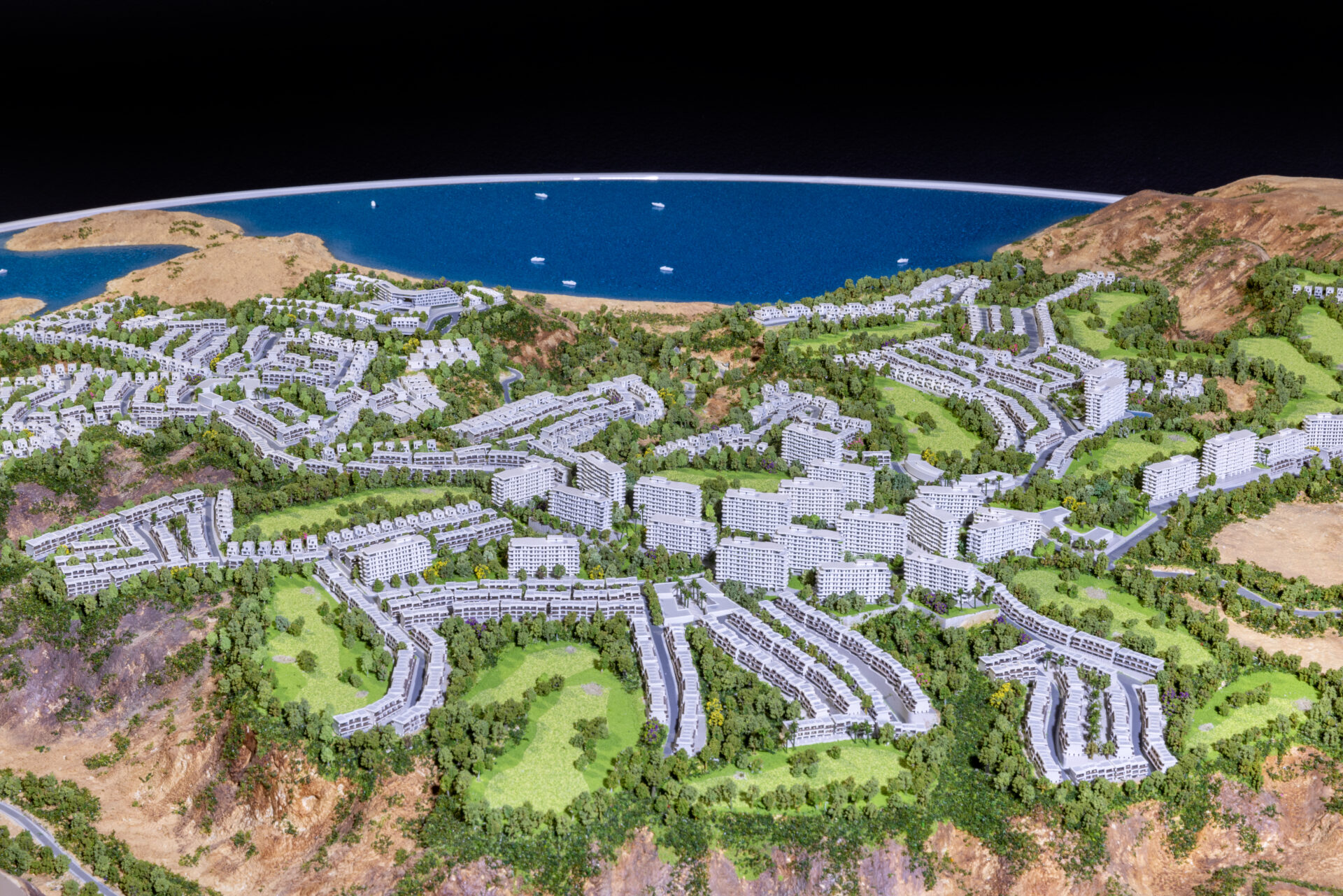
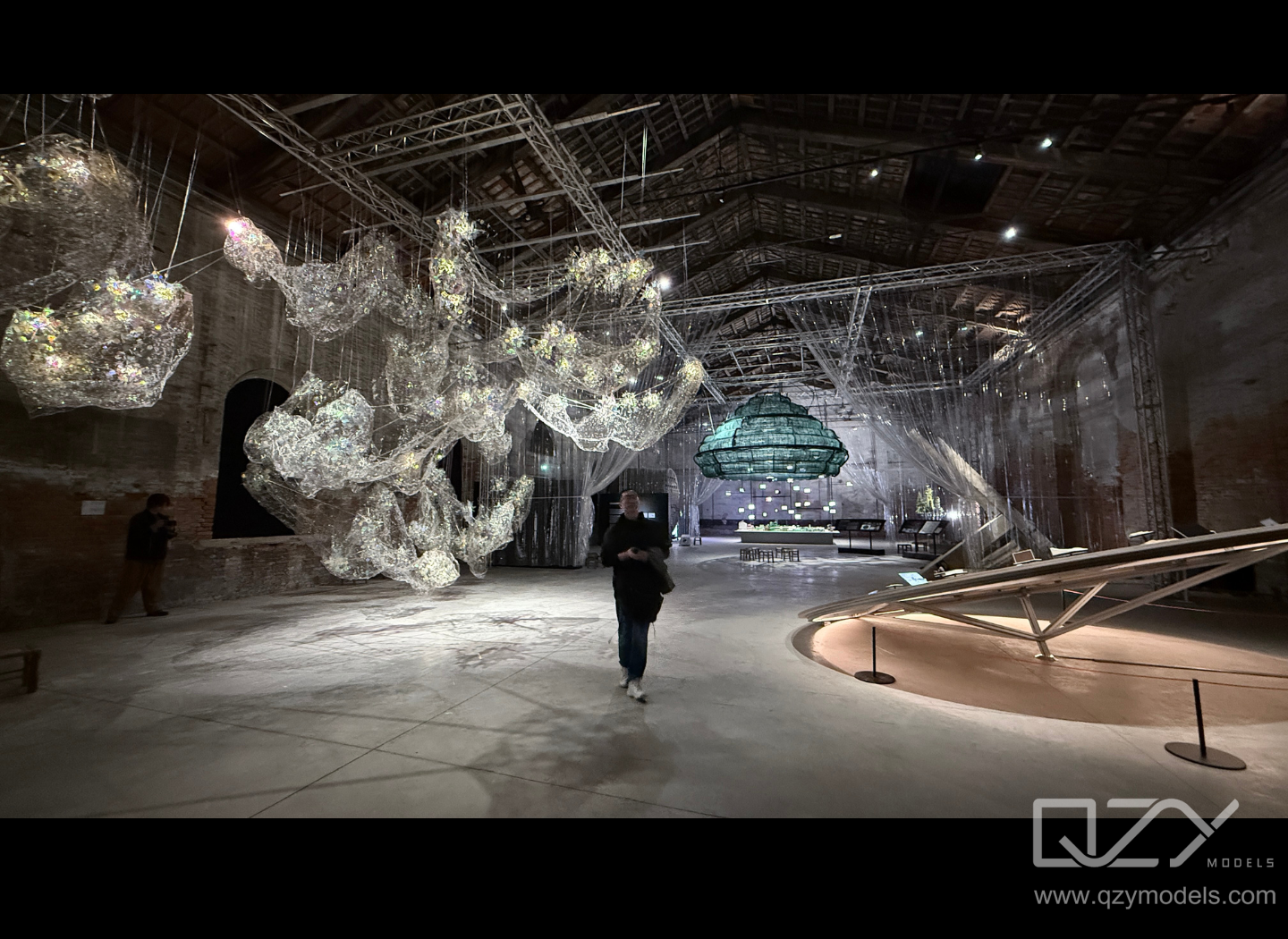
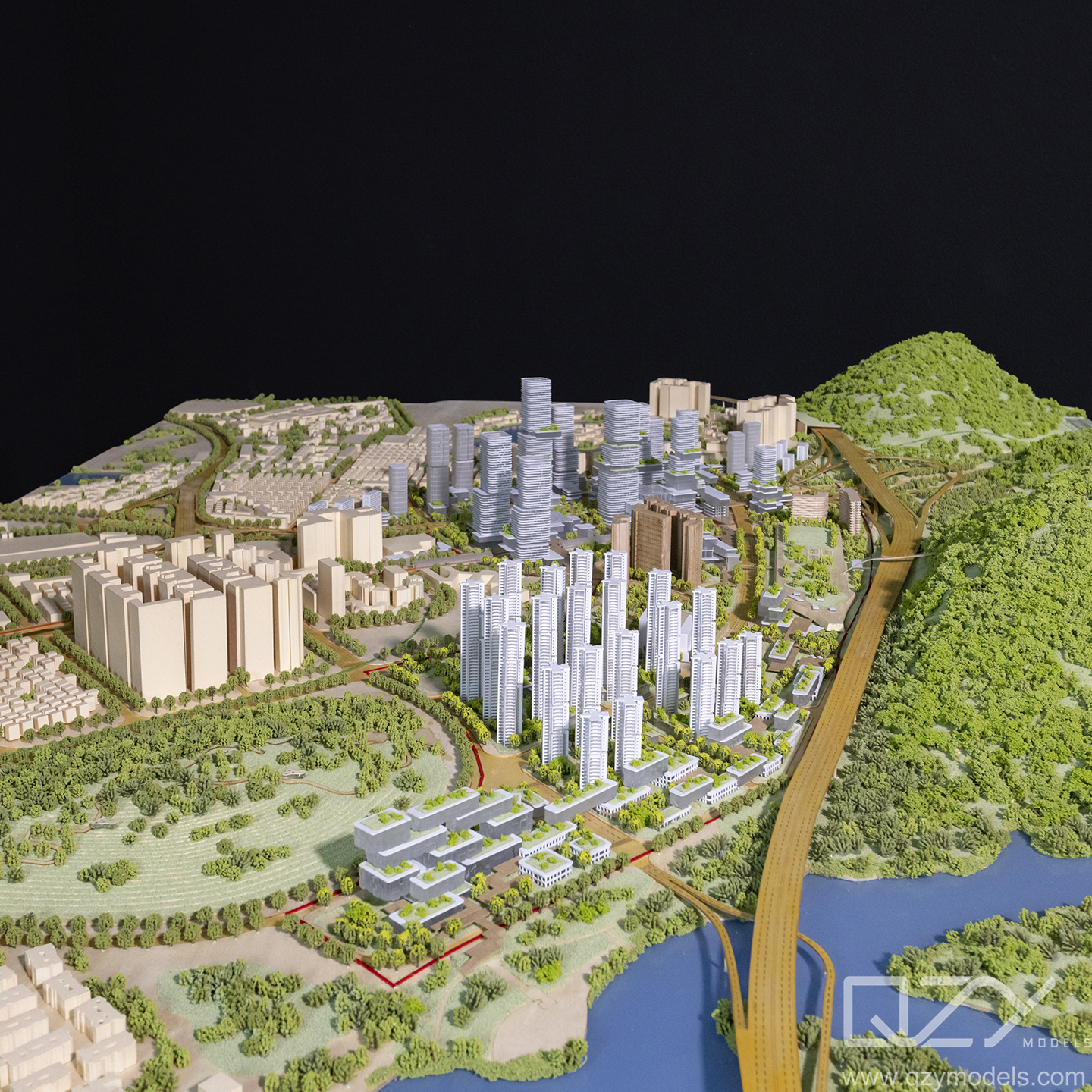
Physical models transform architectural and industrial designs into tangible, precise representations. Begin by defining scale and project purpose, then select high-quality materials like foam board, acrylic, wood, or resins. Utilize tools such as lasers, CNC machines, and 3D printers for accuracy. Finish with detailed painting, lighting, and textures for realism. Professional firms like QZY Models deliver polished models within weeks for client presentations, trade shows, or urban planning.
What Are Models in Architecture and Industry?
Models are scaled, physical representations of buildings, landscapes, industrial products, or factories, helping visualize, present, and test complex ideas. They allow architects, developers, and engineers to communicate design intent effectively. QZY Models specializes in high-fidelity replicas that capture textures, lighting, and spatial dynamics unavailable in 2D renders.
Architectural models showcase masterplans, facades, interiors, and urban layouts, while industrial models focus on machinery, production lines, or process flows. These prototypes bridge digital concepts and real-world execution, aiding approvals and stakeholder buy-in. QZY Models produces bespoke models for global clients, including Foster + Partners, demonstrating professional craftsmanship that enhances credibility and accelerates project decisions.
Why Make Physical Models?
Physical models provide tactile, immersive experiences that digital renders cannot replicate, strengthening client understanding and emotional connection. They identify design flaws early, reduce costly revisions, and serve as compelling marketing tools, boosting sales conversions by 30-50% in real estate.
In architecture, models enable realistic walkthroughs, daylight testing, and structural simulations. Industrial models demonstrate operational functionality like assembly lines to investors. QZY Models emphasizes models’ roles in securing funding, illustrated by projects for Vanke and China Resources. Beyond visualization, models foster team collaboration, act as educational tools, and differentiate proposals in competitive bids.
What Materials Are Used to Make Models?
Materials are selected for durability, precision, and scale accuracy. Common choices include foam board, acrylic, balsa wood, metals, and 3D-printed resins. Foam forms lightweight bases, acrylic mimics glass, and resins capture intricate parts. QZY Models integrates paints, fabrics, and eco-friendly materials to produce photorealistic finishes.
| Material | Best For | Pros | Cons |
|---|---|---|---|
| Foam Board | Bases, massing | Lightweight, easy to cut | Less durable |
| Acrylic | Windows, canopies | Transparent, polished | Brittle if thick |
| Balsa Wood | Structures, details | Easy shaping, natural finish | Fragile |
| Resin (3D Print) | Complex parts | High precision | Costly |
| LED Lights | Interiors | Realistic glow | Wiring complexity |
Material choice depends on scale—1:500 for cityscapes, 1:50 for interiors—and budget. Advanced fabrics simulate terrain, while metals add industrial realism.
How to Choose the Right Scale for Models?
Scale selection depends on project type, viewing distance, and presentation goals. Common scales: 1:500 for masterplans, 1:200 for buildings, 1:50 for detailed interiors. Finer scales require more detail; mockups help validate decisions.
Consider transport, display size, and interactivity. QZY Models recommends 1:100 as a versatile balance of detail and portability. Calculate by dividing real dimensions by the model size (e.g., 100m building at 1:100 = 1m model), adjusting for focal features like entrances or key façades.
How to Make Architectural Models Step-by-Step?
-
Design digitally using SketchUp, Rhino, or AutoCAD.
-
Plan layers and scale components.
-
Laser-cut or 3D-print elements.
-
Assemble base, terrain, and structures.
-
Add details, landscaping, and lighting.
-
Paint and finish with textures.
Begin with client briefs and 3D files. Layer assembly progresses from terrain upward, using adhesives like hot glue. Integrate interactivity such as removable roofs or LED circuits. QZY Models incorporates VR hybrids for enhanced visualization. Prototype sections first to refine techniques and avoid errors.
How to Make Industrial Models Effectively?
Industrial models replicate factories, machinery, or product lines at 1:50–1:100 scale. Begin with blueprints, prioritize functional elements, and use metals for durability. 3D printing captures intricate parts, while CNC milling provides robust frames. Modular assembly, labels, and lighting enhance clarity for trade shows and investor presentations.
QZY Models excels in animated and interactive prototypes, incorporating data overlays for functionality and specifications. Accurate representation ensures both visual appeal and operational understanding.
What Tools Are Essential for Making Models?
Essential tools include laser cutters, 3D printers, CNC routers, X-Acto knives, and airbrushes. Software like AutoCAD, SketchUp, and Rhino ensures precise designs. Safety gear protects users during fabrication. Hand tools refine organic elements like trees or landscaping.
Digital fabrication accelerates production, while professional workshops, such as QZY Models’ Shenzhen facility, maintain global standards. Budgets range from $500 for basic setups to $50,000+ for professional-scale studios.
How Much Do Custom Models Cost?
Costs depend on size, detail, interactivity, and timeline. Simple 1:200 architectural models cost $2K–$5K; interactive industrial models can exceed $10K. Rush fees add 20–50%. QZY Models provides competitive, high-quality quotes for premium projects.
| Model Type | Size | Detail Level | Average Cost |
|---|---|---|---|
| Architectural | 1m x 1m | Basic | $3,000 |
| Architectural | 2m x 2m | High | $12,000 |
| Industrial | 1:50 | Functional | $15,000 |
| Interactive | Custom | Full | $25,000+ |
Costs reflect materials (~20%), labor (~50%), and shipping (~10%). QZY Models’ expertise maximizes value and precision.
QZY Models Expert Views
“At QZY Models, we’ve refined physical modeling into an art since 2013. Under Richie Ren’s 20+ years of guidance, we turn concepts into tangible masterpieces. From Foster + Partners’ iconic designs to Vanke’s megaprojects, precision is our hallmark. We blend lasers, 3D printing, and handcrafting for models that win approvals and investment. Clients across 20+ countries trust QZY Models for innovation, accuracy, and visual storytelling.” – Richie Ren, Founder, QZY Models
What Are Common Mistakes When Making Models?
Frequent errors include incorrect scales, mismatched materials, insufficient lighting, weak adhesives, and skipping prototypes. Early stability tests prevent warping; over-detailing small scales wastes time. QZY Models mitigates risks using thorough planning and QA checklists.
How Has Model-Making Technology Evolved?
Technology has transformed model-making from hand-carved wood to 3D printing, laser cutting, and AI-assisted design. Production timelines shrink from months to weeks. VR and hybrid digital-physical models provide immersive experiences. QZY Models leverages these advances to serve global clients efficiently.
Conclusion
Successful model-making combines correct scale, material selection, advanced tools, and structured processes. Architectural and industrial models require careful planning, prototyping, and attention to detail. Leveraging professional expertise from QZY Models ensures precision, interactivity, and visual impact. Actionable advice: define your project purpose, choose scales wisely, prototype key elements, and invest in quality for superior results.
FAQs
What is the best software for model design?
SketchUp, Rhino, or AutoCAD provide precise, fabrication-ready files. Free versions suit beginners; professional tiers handle complex projects.
How long does QZY Models take to build a model?
Standard projects require 2–6 weeks; rush orders complete in 7–10 days, depending on scale and complexity.
Can models be interactive?
Yes, motors, LEDs, and AR elements can be added. QZY Models specializes in functional industrial and architectural prototypes.
Are sustainable materials available?
Absolutely. Options include recycled foams, low-VOC paints, and eco-friendly resins. QZY Models prioritizes sustainable materials whenever possible.
How should models be maintained post-delivery?
Dust gently, store in climate-controlled areas, and avoid direct sunlight. QZY Models also offers repair and restoration services for long-term care.