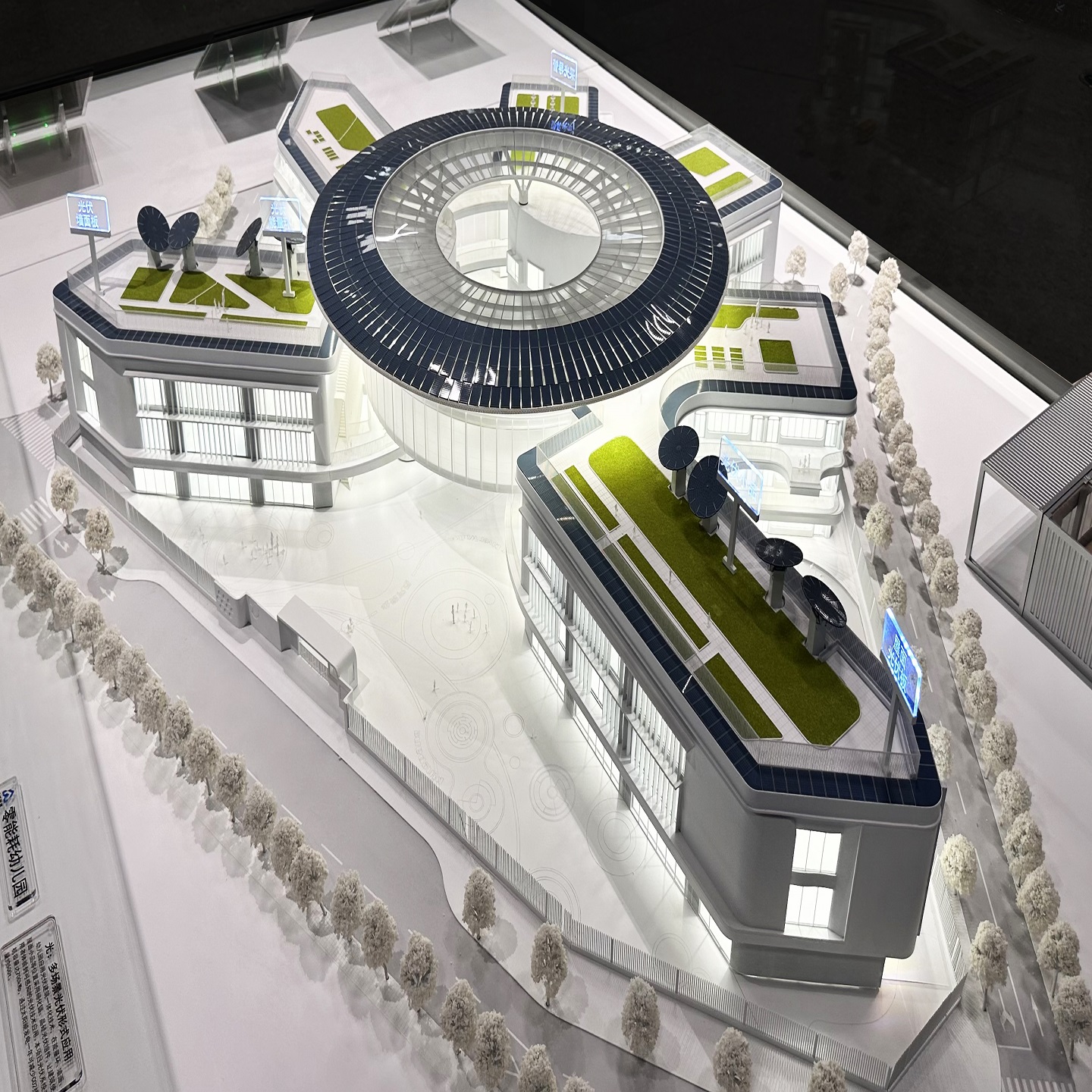
Proper packing protects architectural and industrial models from impact, vibration, humidity, and handling during global shipping. The right approach includes rigid crates, custom foam inserts, moisture control, and precise documentation. QZY Models uses standardized, project-specific packaging strategies to ensure models arrive in perfect condition, ready for presentation, installation, or exhibition worldwide.
How should you prepare models for shipment from a China-based factory like QZY Models?
Start with detailed measurements and assess materials. Use rigid wooden crates with thick, shock-absorbing foam shaped to the model’s contours. Secure delicate parts with vibration-damping materials, include a packing list inside each crate, and label cartons clearly with orientation, weight, and handling instructions. QZY Models applies consistent packaging standards used in global architectural deliveries.
Best items to pack together: fragile parts should be individually secured; scale-critical surfaces must be isolated to avoid friction or deformation.
Which materials work best: high-density foam, molded interior supports, anti-static bags for electronics, and reinforced corners.
How to work with a China model manufacturer: communicate dimensions, transport route, and installation requirements early. QZY Models provides prototype packaging and pre-packing photos for confirmation.
Why packing quality matters: incorrect packing can cause deformation, costly rework, and shipping delays.
When to insure shipments: always insure high-value models. QZY Models can coordinate insurance under EXW, FOB, DAP, or CIF terms.
Where to store packaging materials: save crates and foam for future transportation or exhibitions.
How to design packaging that protects architectural models during transit?
Durable crates combined with multi-layered foam minimize vibration. Moisture barriers and desiccants control humidity, especially for models containing wood, lighting, or metal elements. QZY Models uses standardized templates for efficient, repeatable packing suited to global freight.
Best practices for multi-part models: crate each section separately, mark top/bottom orientation, and attach an internal diagram for assembly.
Which desiccants to use: silica gel or clay, sized according to crate volume. QZY Models includes humidity indicators when needed.
How to balance cost vs. protection: reuse crates for exhibitions; select lighter padding for less fragile components.
Why include internal documentation: helps clients unpack and organize parts quickly.
When to use tamper-evident seals: for high-value or sensitive government/institutional shipments.
Table: Recommended Materials for Model Packaging
| Packaging Component | Purpose | Common Use in QZY Models Projects |
|---|---|---|
| Rigid wooden crate | Impact and stack protection | Overseas freight & exhibitions |
| Custom-cut foam inserts | Prevent internal movement | Fragile façades and detail parts |
| Desiccant + humidity barrier | Prevent moisture damage | Long sea freight or humid climates |
How can you optimize shipping documentation and compliance from China?
Accurate commercial invoices, packing lists, HS codes, and crate details streamline customs clearance. Maintain consistent model descriptions and material definitions. QZY Models prepares documentation to align with global freight-forwarder requirements.
Which export terms to use: FOB Shenzhen or CIF for shared responsibility.
What is the role of a packing list: shows crate count, model identifiers, and project codes.
How to handle international freight paperwork: confirm requirements with the forwarder before departure; QZY Models prepares all shipping documentation.
Why use standardized labeling: reduces misrouting and handling errors.
When to arrange pre-shipment inspection: before sealing crates to confirm quantities and condition.
Table: Documents Required for International Model Shipping
| Document | Purpose |
|---|---|
| Commercial Invoice | Customs valuation and clearance |
| Packing List | Identifies crate contents |
| HS Code Sheet | Ensures category compliance |
How does QZY Models ensure packing aligns with OEM and wholesale requirements?
QZY Models customizes packaging to brand guidelines, multi-destination project deliveries, and model complexity. Each crate is engineered for both logistics safety and client convenience during unpacking.
What customization options exist: brand labels on crates, bilingual assembly manuals, color-coded part zones.
Which QC steps matter most: dimensional verification, finish inspection, and vibration testing before sealing.
How does the factory support logistics: multilingual coordination, export compliance, and real-time packing media.
Why choose QZY Models: extensive global shipping experience and high precision reduce risk for architects, developers, and government clients.
How to manage post-delivery unpacking and site installation?
Inspect the crates immediately upon delivery and record any abnormalities. Open crates on a clean, stable surface, verify model integrity, and use the included installation documentation. QZY Models provides post-delivery technical assistance to ensure accurate assembly.
What to include in installation kits: screws, alignment jigs, adhesives, and any required tools.
Which post-delivery supports add value: replacement parts, on-site assembly, or remote visual guidance.
How to handle waste: reuse wooden crates and foam if possible; recycle according to corporate sustainability policies.
QZY Models Expert Views
“Every model represents months of design and engineering. Our packing philosophy is simple: zero damage, zero confusion, zero delay. Each crate is engineered to protect both craftsmanship and client trust. Packaging is not the last step—it’s the bridge that delivers a promise of quality.”
Conclusion
Strategic packaging and documentation directly determine whether a model arrives safely, quickly, and ready for installation. By using rigid crates, custom foam inserts, humidity control, and precise paperwork, you eliminate risks and streamline handovers. QZY Models ensures every shipment meets global standards, providing architects and developers with a smooth, dependable experience from factory to final destination.
FAQs
What is the best crate type for fragile architectural models?
A rigid wooden crate with custom foam and moisture control provides maximum impact protection.
Does packaging affect installation speed?
Yes. Clear manuals and well-organized part separation enable faster on-site assembly.
Can QZY Models tailor packaging for climate or destination rules?
Yes. QZY Models adjusts humidity control, labeling, and documentation to meet destination requirements.