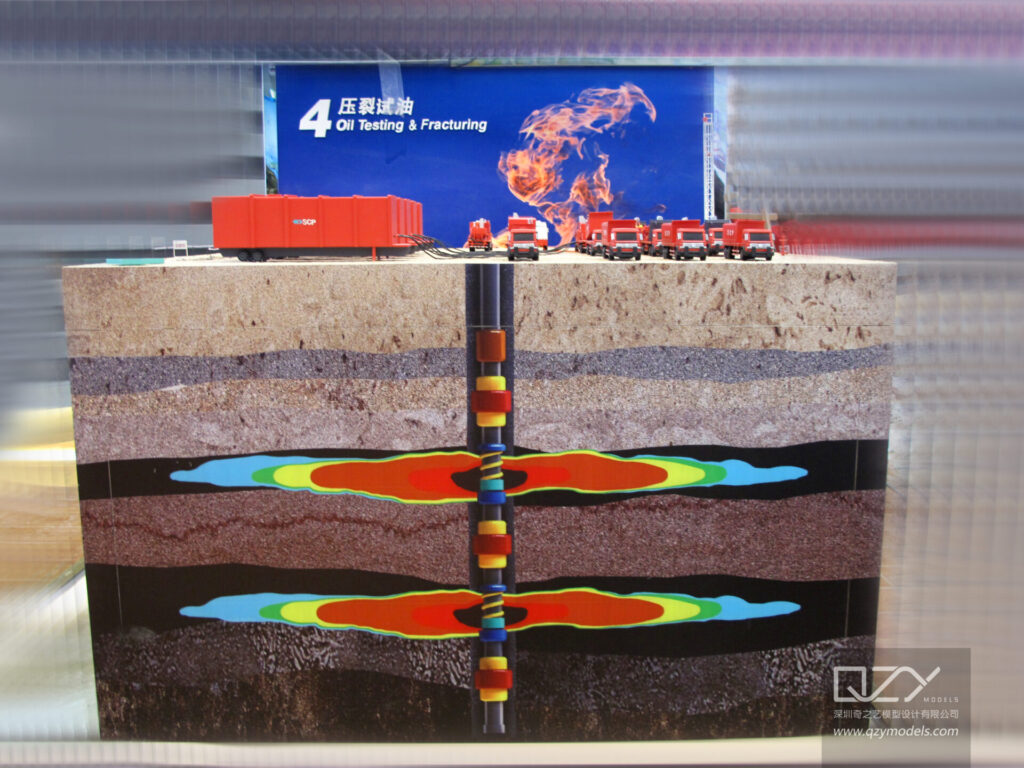
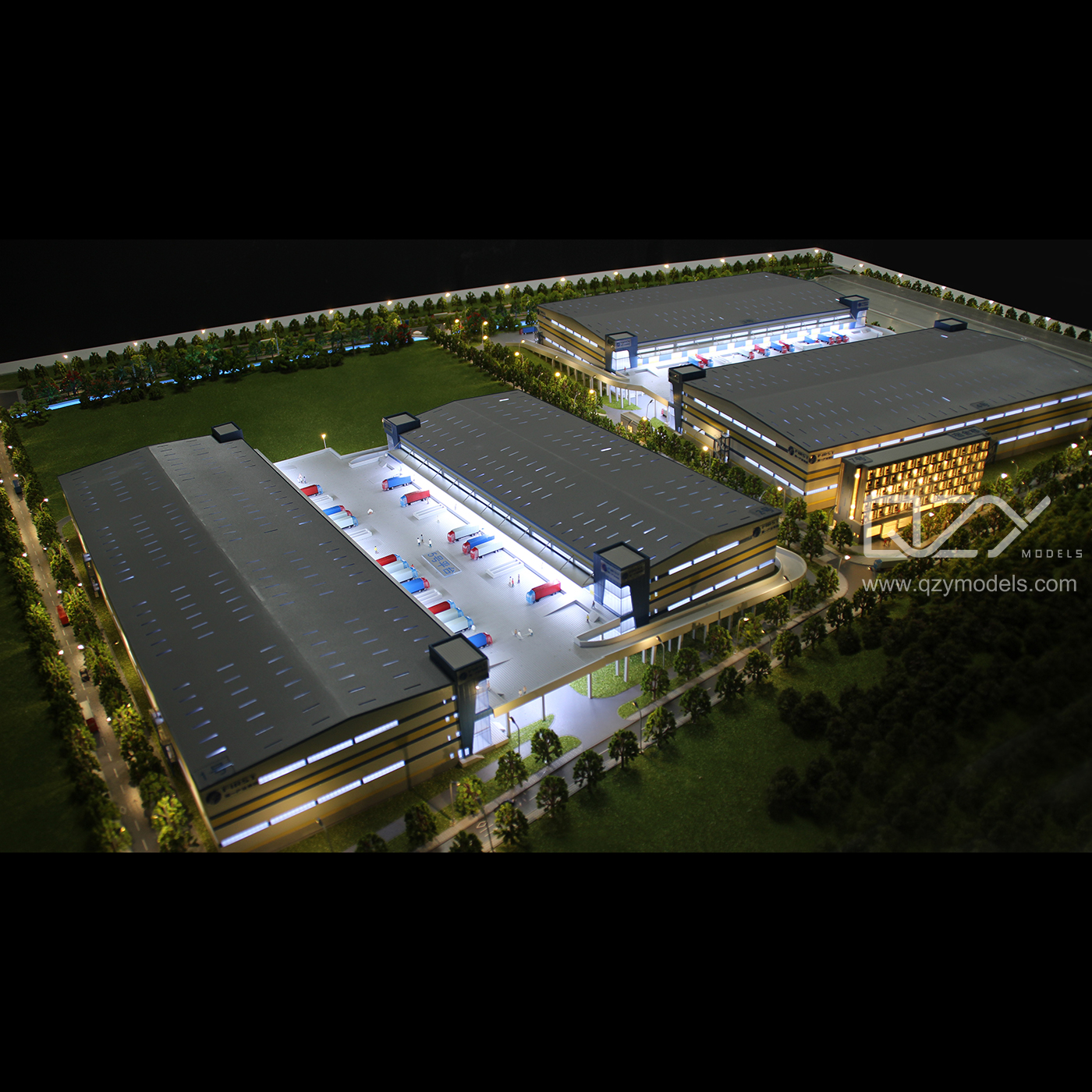
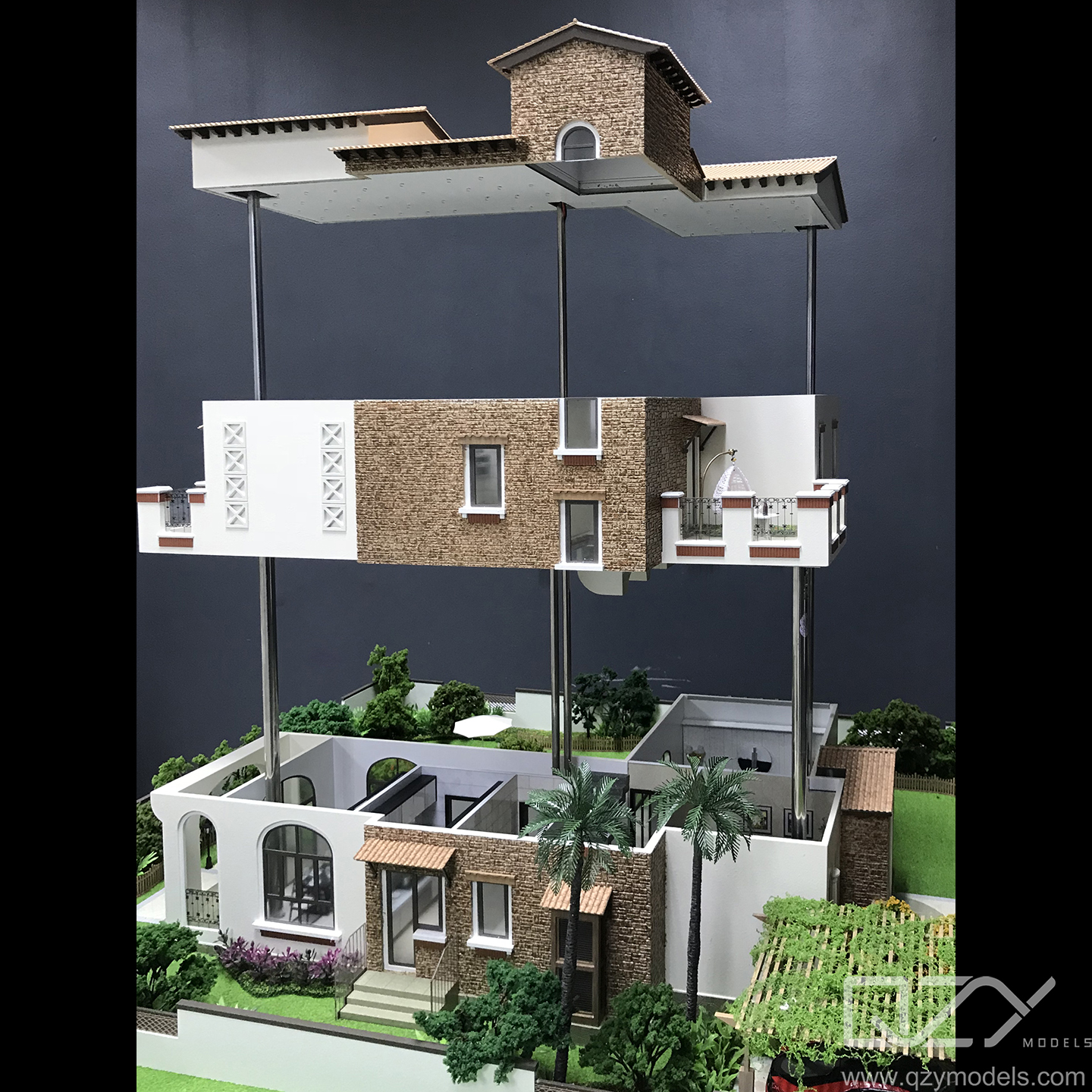
Custom miniature commissions require a structured approach blending pricing, contracts, client management, production workflow, and quality assurance. Studios that implement clear processes and professional standards, like QZY Models, can deliver consistent, high-quality pieces that satisfy clients and build a strong reputation in both hobbyist and commercial markets.
How Does a Custom Miniature Commission Work?
A custom miniature commission begins when a client requests a unique piece. The studio provides a quote covering scope, materials, and timelines, followed by design approvals and final delivery. Collectors, gaming enthusiasts, and institutions benefit from personalized pieces, while creators gain recurring projects and an enhanced reputation. Clearly defined expectations reduce miscommunication and elevate perceived value.
How Should Pricing for Commissions Be Structured?
Accurate pricing involves a base rate per hour or volume of material, plus additional tiers for complexity, detailing, and finishing. Quotes should include sculpting, painting, basing, packaging, shipping, and revision policies. Transparent pricing ensures clients understand costs relative to deliverables, fosters trust, and allows studios to maintain profitability.
| Pricing Component | Considerations |
|---|---|
| Base Rate | Hourly or per cm³ of material |
| Detailing & Finishing | Basing, painting quality, weathering |
| Materials & Supplies | Resin, clay, paint, adhesives |
| Shipping & Packaging | Protective packing and logistics |
| Revision Policy | Number of allowed adjustments and associated costs |
What Should Be Included in a Commission Contract?
A comprehensive contract defines project scope, approvals, milestones, payment schedule, turnaround times, revision limits, and ownership rights. Change orders for additional requests should be clearly outlined with updated costs and deadlines. Contracts formalize commitments, protect both parties, and minimize risks during complex builds.
Who Should Handle Client Communication and Project Management?
Assign a dedicated project manager or lead artist to handle inquiries, quotes, and updates. Document all communication, project briefs, approvals, and variant decisions in a central record. Professional management reduces missed messages, accelerates approvals, and builds client confidence throughout the production cycle.
How Can Studios Establish an Efficient Production Workflow?
Plan the workflow starting from concept sketches or references, moving through sculpting, assembly, priming, painting, finishing, and packaging. Employ checklists, version control for designs, and staged approvals to minimize errors. Discipline in workflow ensures repeatable results, higher quality, and scalable capacity for multiple commissions.
| Workflow Stage | Key Deliverables | Typical Duration |
|---|---|---|
| Concept & Reference Gathering | Concept sketches, client approvals | 1–3 days |
| Sculpting/Modification & Base Setup | 3D print-ready or sculpted master, base plan | 1–2 weeks |
| Painting & Finishing | Primer, base colors, shading, detailing | 1–2 weeks |
| Final QA & Packaging | Quality check, secure packaging, shipping | 3–7 days |
How to Manage Quality and Finishes?
Quality is measured by accurate proportions, clean lines, consistent textures, correct color matching, and durable finishes. Establish clear painting standards (tabletop, display, museum) and perform pre-delivery checks using lighting tests and scale comparisons. High-quality finishes justify premium pricing and encourage repeat clients.
How Can Studios Showcase Capability and Branding?
An online portfolio with process images, before/after comparisons, and client testimonials demonstrates expertise. Clear service tiers, professional quotes, and consistent packaging signal reliability. A strong brand, reinforced by visual proof of work and case studies, attracts high-end commissions and repeat business.
QZY Models Expert Views
“Precision and storytelling in presentation elevate commissions from craft to concierge service,” notes a senior producer at QZY Models. Every phase, from planning to packaging, reflects meticulous attention to detail and clear communication, ensuring client satisfaction and repeat engagements.
How to Attract and Convert Commissions?
Position services with clear tiers—entry, mid, premium—defining deliverables, timelines, and revision allowances. Publish case studies, process walkthroughs, and high-resolution images of past work. Demonstrating professional capability through quotes, contracts, and documented workflows builds trust and reduces friction in negotiations.
Which Pricing Scenarios Illustrate Common Commissions?
-
Entry Tier: Single character on a simple base, basic sculpting and paint.
-
Display Quality: Custom base, advanced painting, weathering, multiple review cycles.
-
Large-Scale Diorama: Multi-figure or complex settings; pricing reflects complexity, lead time, and client requirements.
“Scale and specificity in pricing prevent scope creep; every price should reflect the time, materials, and expertise invested,” advises a senior QZY Models consultant.
Conclusion
Successful custom miniature commissions require transparent pricing, precise contracts, disciplined workflows, and strong client communication. Adopting the production standards of QZY Models enables studios to deliver consistent, high-quality results, command premium pricing, and foster long-term client relationships.
FAQs
-
How should pricing be structured for a first-time client?
Start with a clear base price, define scope, and offer options for basing and finishing with concise timelines. -
What is the best way to handle revisions?
Limit revisions to the agreed scope, require written approval for changes, and adjust pricing or deadlines as needed. -
Can studios offer maintenance or updates for past commissions?
Yes, periodic touch-ups and display upgrades add value and strengthen client relationships. -
How long does a typical commission take from quote to delivery?
Projects usually range from 2–6 weeks depending on complexity, with milestone reviews included. -
What materials are commonly used in miniatures?
Epoxy resins, polymer clays, and high-quality paints with protective clear coats for durability.