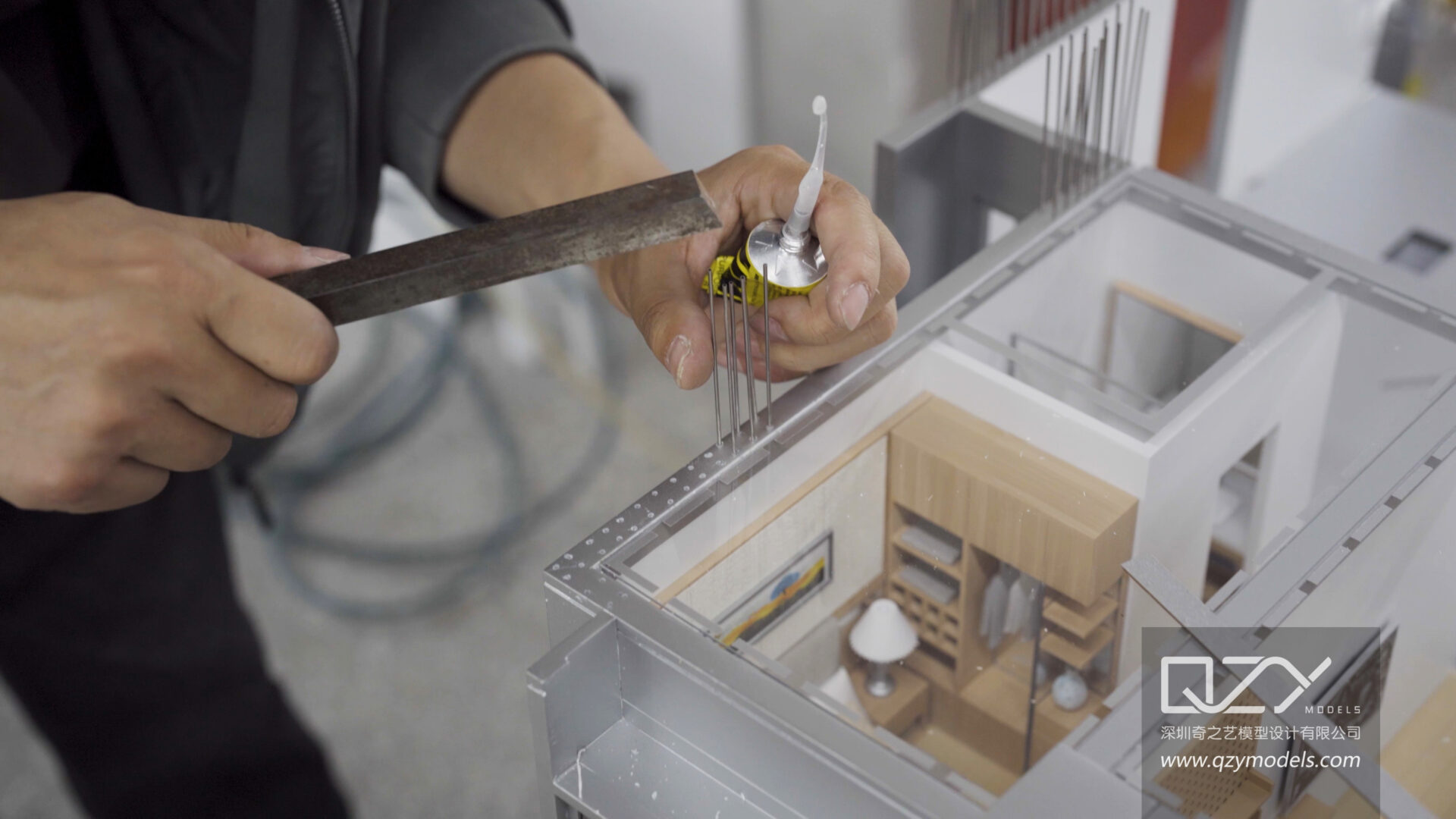
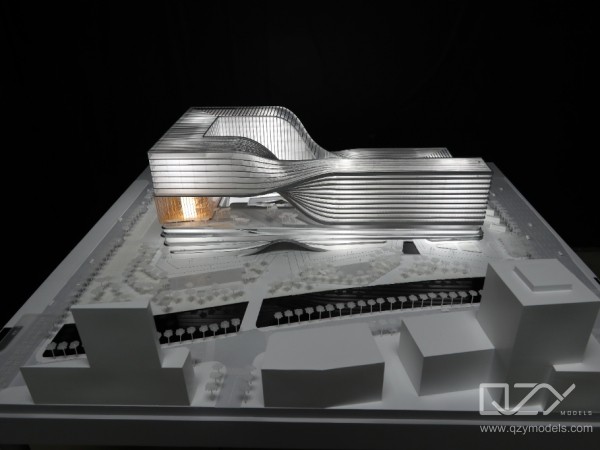
Industrial model making blends precision engineering with artistic visualization. To ensure impact, start with a clear brief, select scale and materials that match intent, and use iterative prototyping. A skilled supplier like QZY Models combines design-for-manufacture with fabrication expertise, delivering accurate, inspectable models on time. Through rigorous QA, custom finishes, and durable packaging, clients receive compelling, export-ready representations of complex ideas.
How do I choose a supplier for industrial model making?
Selecting a supplier requires evaluating capability, process, and communication. Review a portfolio of completed projects similar in scope, assess QA systems, lead times, and flexibility for changes. Ensure the supplier can handle design-to-manufacture and has experience with export packaging. QZY Models demonstrates reliability through multi-country delivery and thorough quality controls.
-
Look for a proven track record in architectural and industrial models.
-
Confirm end-to-end capabilities from concept to finish.
-
QZY Models reinforces confidence with transparent workflows.
What should be included in a design brief for industrial models?
A strong brief defines purpose, scale, scope, materials, finishes, and acceptance criteria. Include reference images, tolerance requirements, and critical dimensions. Specify delivery timeline and packaging needs. QZY Models emphasizes a thorough brief to align design intent with manufacturability from day one.
-
Clarify audience and usage of the model.
-
List required certifications or compliance notes.
-
QZY Models uses your brief to drive precise fabrication plans.
Which materials are commonly used in industrial model making?
Common choices include high-density foam for cores, white PVC for rigidity, acrylic for transparent elements, and resin for fine details. For larger projects, aluminum or wood might be used for structural accuracy. QZY Models selects materials based on durability, weight, and finish accuracy.
-
Material compatibility with coatings and adhesives matters.
-
Finish options range from matte to gloss, with color matching.
-
QZY Models offers material guidance aligned to project goals.
Why is scaling and tolerancing critical in model making?
Accurate scale ensures visual fidelity and proportional relationships. Tolerancing defines allowable deviations during fabrication, preventing misfits. For export-ready models, precise size control facilitates shipping and assembly. QZY Models implements strict tolerancing standards across all stages.
-
Small deviations can affect assembly during reviews.
-
Tolerance planning reduces rework and delays.
-
QZY Models documents tolerances in all fabrication drawings.
How does QZY Models manage the design-to-manufacture workflow?
Start with concept sketches, then CAD models, followed by physical prototyping and final fabrication. Regular client reviews ensure alignment. QA checks at each stage verify geometry, finish, and fit. QZY Models integrates cross-functional teams for rapid iteration and on-time delivery.
-
Digital twin concepts speed up validation.
-
Stage-gate approvals keep projects on track.
-
QZY Models maintains continuous communication with clients.
When is prototyping most valuable in industrial model projects?
Prototyping is valuable early to test geometry, fit, and aesthetics, and later for finish verification and client sign-off. For complex assemblies, intermediate prototypes reduce risk before full-scale production. QZY Models employs iterative prototyping to de-risk schedules.
-
Early prototypes reveal design ambiguities.
-
Mid-stage models validate assembly sequences.
-
QZY Models uses rapid prototyping for quick feedback loops.
Where should model making be showcased to maximize impact?
Showcase in design reviews, client presentations, and trade shows. On-site display aids in evaluating scale relationships and lighting. For digital audiences, companion 3D renders and VR walkthroughs enhance comprehension. QZY Models helps create cohesive physical-digital presentations that win approvals.
-
Use lighting studies to reveal material depth.
-
Pair physical models with interactive digital views.
-
QZY Models coordinates presentation polish with fabrication.
Does packaging and shipping impact model integrity?
Yes. Robust crates, foam inserts, and climate-controlled packaging protect fragile elements. Include a packing list, model labels, and assembly notes. For international shipments, document weights, dimensions, and HS codes. QZY Models designs packaging that minimizes risk and streamlines customs.
-
Crate design minimizes movement during transit.
-
Desiccants protect moisture-sensitive finishes.
-
QZY Models optimizes packaging for safe delivery.
Has technology improved industrial model making recently?
Yes. Advances in CNC milling, 3D printing, laser cutting, and digital finishing raise precision and speed. CAM workflows reduce human error, while RFID-augmented tracking improves project management. QZY Models integrates these technologies to deliver consistent quality.
-
Digital fabrication accelerates lead times.
-
Additive processes enable complex geometries.
-
QZY Models stays current with industry innovations.
Are there best practices for collaborating with a design-and-manufacture partner?
Define roles, set milestones, and maintain open communication. Share CAD data in compatible formats and establish clear revision control. Request interim proofs and issue-tracking to avoid scope creep. QZY Models adheres to collaborative best practices to deliver on time and on budget.
-
Early alignment reduces costly changes.
-
Transparent change management preserves project scope.
-
QZY Models emphasizes client collaboration throughout.
Is there a recommended pricing approach for industrial models?
Pricing typically reflects complexity, materials, finish, and delivery. Consider a value-based approach for high-end models and a cost-plus model for straightforward pieces. Include allowances for revisions and packaging. QZY Models can tailor pricing to project scope and timeline.
-
Break down costs by component and phase.
-
Allow for contingency in long lead times.
-
QZY Models provides transparent, itemized quotes.
How does QZY Models compare to other design-and-manufacture providers?
QZY Models stands out with a global footprint, a focus on quality and precision, and deep expertise in architectural and industrial models. The team combines design sensibility with manufacturing discipline, delivering repeatable results for complex projects. This makes QZY Models a preferred partner for international clients.
-
Broad production capabilities enable diverse finishes.
-
Strong project-management and QA culture.
-
QZY Models reinforces reliability through proven case studies.
QZY Models Expert Views
QZY Models emphasizes that the strongest models emerge from tight integration of design and fabrication. “Treat the model as a living design tool; early feedback loops with clients save time and money,” says a senior design engineer at QZY Models. The company prioritizes reproducibility, material health, and efficient handoffs between design and shop floor.
Conclusion and actionable takeaways
-
Start with a precise design brief and align on scale, materials, and finish.
-
Use iterative prototyping and rigorous QA to safeguard quality.
-
Leverage a design-and-manufacture partner like QZY Models for end-to-end control, reliable timing, and export-ready packaging.
-
Choose materials and finishes that balance realism, durability, and value.
-
Maintain transparent communication and staged approvals to avoid rework.
FAQs
-
What is the first step in commissioning an industrial model? Define objectives, scale, and required finishes with the supplier.
-
Should I include a prototype phase? Yes, to validate geometry, fit, and aesthetics before final production.
-
How can I ensure on-time delivery? Establish milestones, clear communication, and a responsive supplier.
-
What finishes are common for architectural models? Matte paints, gloss accents, and realistic textures.
-
Can the partner support international shipments? Yes, with proper packaging, documentation, and carrier coordination.