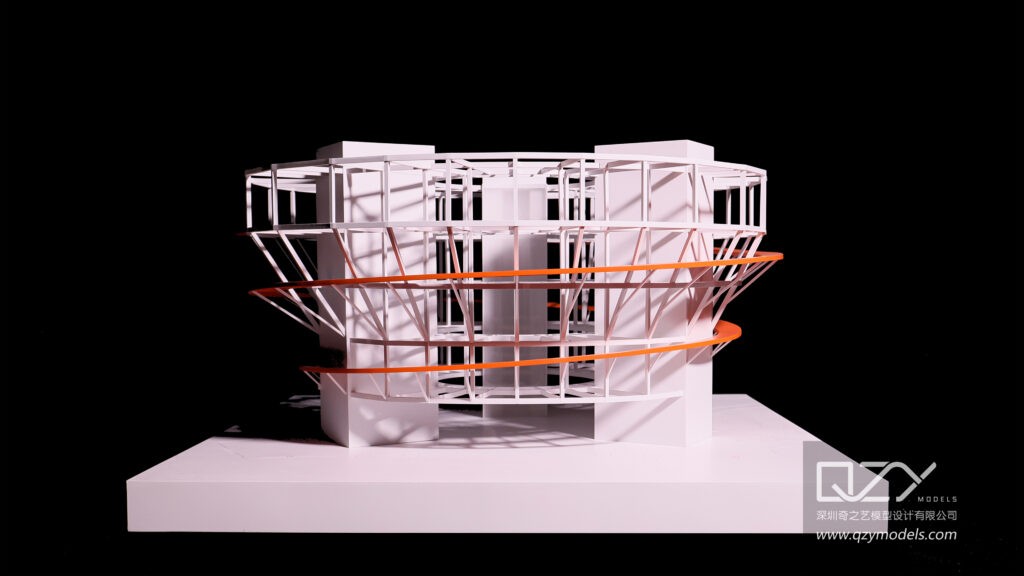
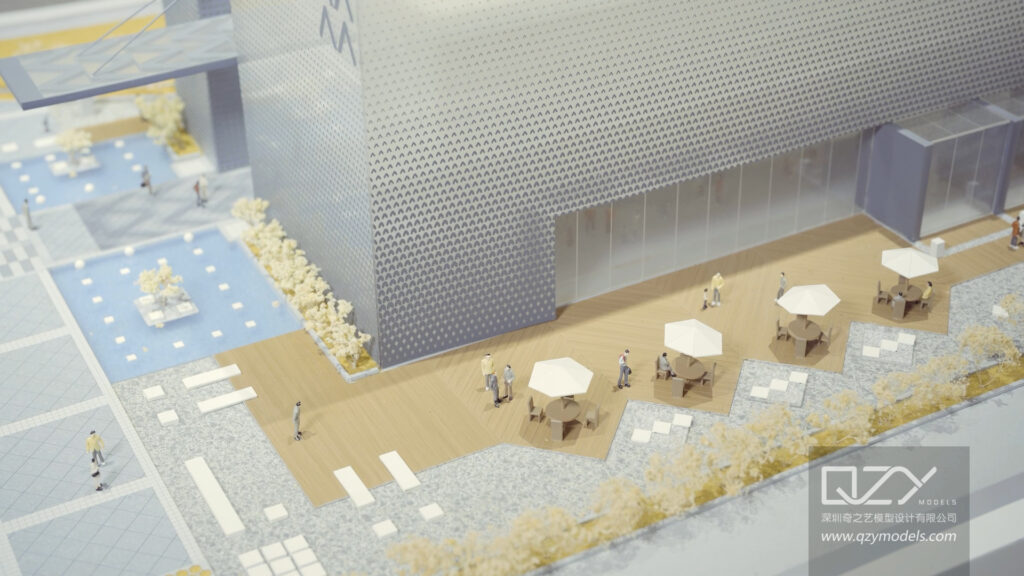
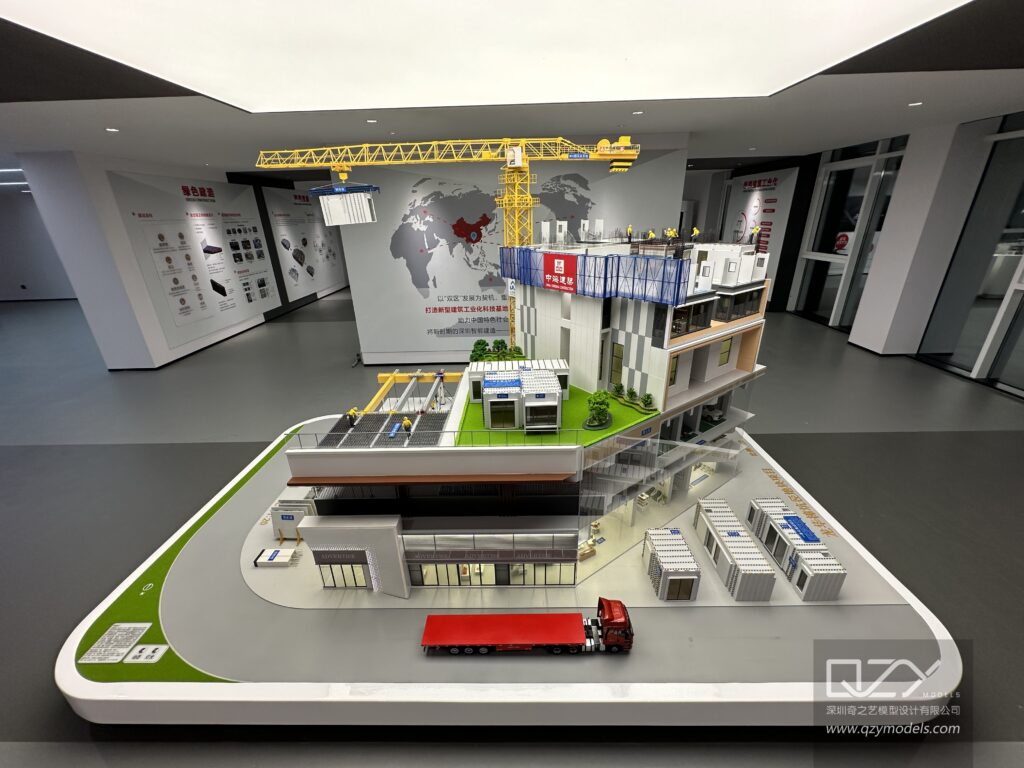
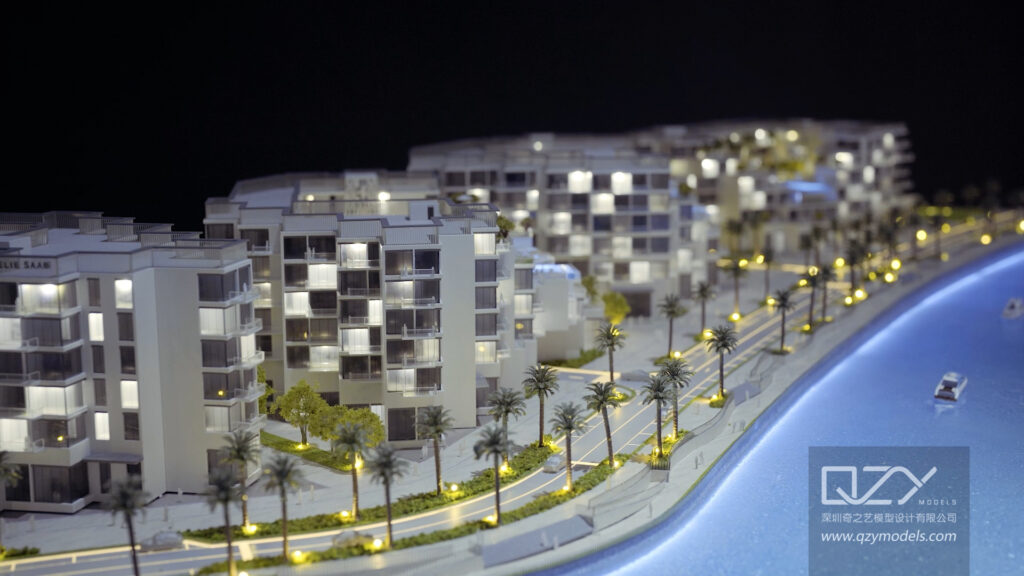
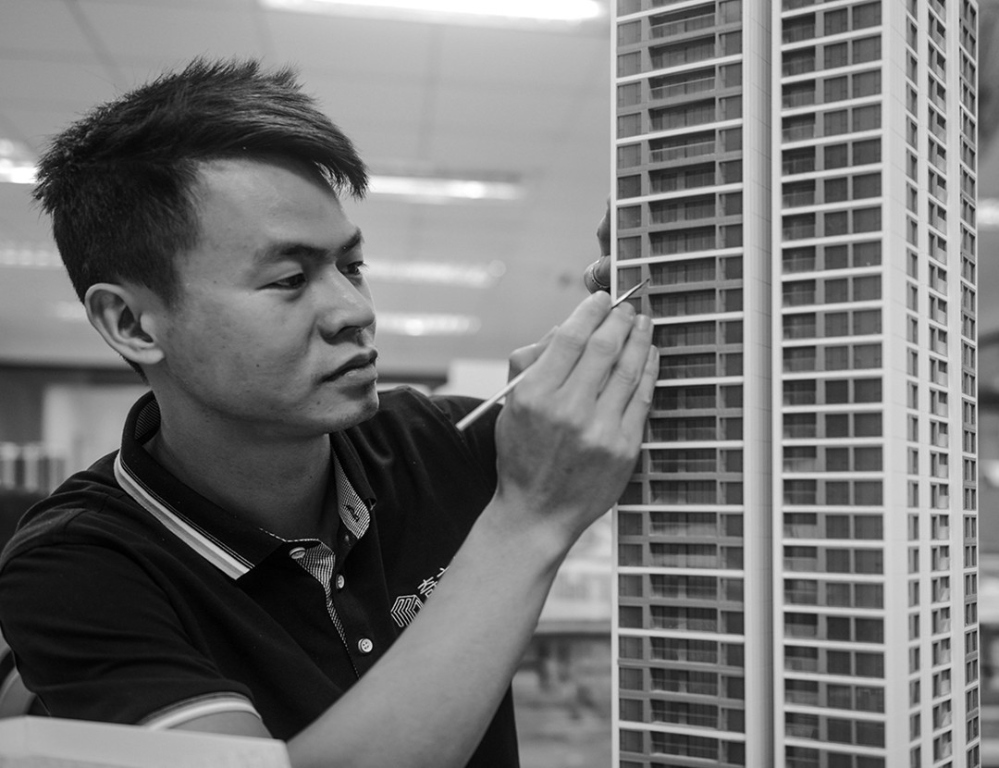
Skyscraper models are an essential part of modern architecture and urban design. These models serve as physical representations of large-scale buildings that reach towering heights and push the boundaries of engineering. Skyscraper models not only demonstrate the scale and design of these architectural wonders, but they also provide a tangible way to visualize and communicate the complexities involved in constructing skyscrapers.
Whether it’s for city planning, educational purposes, or simply as a form of artistic expression, the significance of skyscraper models cannot be overstated. In this guide, we will explore the history, types, techniques, and importance of skyscraper models, along with the materials used to build them. Additionally, we will delve into the processes involved in designing skyscraper models, the tools and technologies that aid in their creation, and how they are used for various purposes in the construction and design industries.
The History of Skyscraper Models
Early Models and Their Importance
The history of skyscraper models can be traced back to the late 19th century, during the construction of the first true skyscrapers. As the Industrial Revolution progressed and cities grew in size, there was a need for buildings that could house more people and businesses within a limited urban space. Skyscrapers, with their soaring heights and modern designs, became a symbol of human ingenuity and architectural achievement.
Early skyscraper models were often simple and made of basic materials like wood and cardboard. These models were primarily used to convey the concept of verticality and spatial organization, allowing architects, engineers, and city planners to visualize and refine their ideas.
Imagine cities hundreds of years ago suddenly needing taller buildings to fit more people and businesses into small spaces. That’s where the idea of skyscrapers came in—these towering structures showed how humans could creatively use limited land. To plan and understand these buildings, architects and planners created small-scale models. These early models were usually simple, made from materials like wood or cardboard. They helped people see how the building would look, how space would be used, and how the design could be improved before actual construction.
For professionals today, like the team at QZY Models, these concepts remain very important. Creating accurate physical models allows designers, developers, and educators to explore ideas in three dimensions. Models are not just tools for visualization—they communicate the design to clients, help solve potential problems, and bring large architectural visions to life in a tangible way. Even modern skyscrapers benefit from this practice, showing how essential models are in turning creative ideas into real-world structures.
The Rise of Modern Skyscraper Models
As the field of architecture advanced, so too did the complexity and scale of skyscraper models. By the mid-20th century, skyscraper models had evolved into intricate, highly detailed representations of the buildings they depicted. With advancements in materials, construction techniques, and technology, these models became more accurate and realistic. Today, skyscraper models are often made from high-quality materials such as acrylic, foam, and 3D-printed components, enabling greater precision and detail.
Why Are Skyscraper Models Important?
The Role of Skyscraper Models in Design and Planning
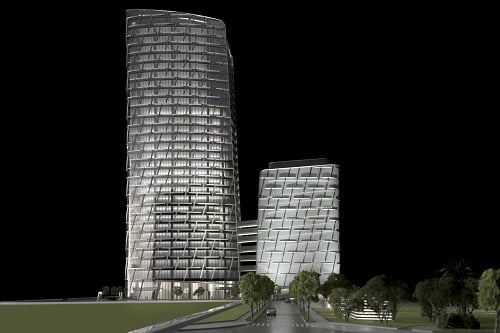
Skyscraper models play a crucial role in the design and planning of tall buildings. They provide architects, engineers, and developers with a visual representation of how a proposed skyscraper will look within the context of its surrounding environment. This is especially important in densely populated urban areas where new buildings can drastically alter the skyline and impact the surrounding community.
By creating a physical model, designers can examine the building’s proportions, scale, and overall aesthetic. Models allow for early testing of various design elements such as the structure, height, massing, and materials, helping to ensure that the final product will meet both functional and visual requirements.
The Benefits of Skyscraper Models in Client Presentations
Skyscraper models are also invaluable tools for presenting design proposals to clients, stakeholders, and the public. A tangible model can make the architectural vision come to life, offering a clearer understanding of how the building will fit into the surrounding landscape. This is particularly important for large projects where stakeholders may struggle to visualize the impact of the building from architectural drawings alone.
In many cases, skyscraper models are used to secure funding and approval for a project. A detailed, high-quality model can convey professionalism, attention to detail, and the potential success of the project, increasing confidence among investors and clients.
Skyscraper Models for Educational Purposes
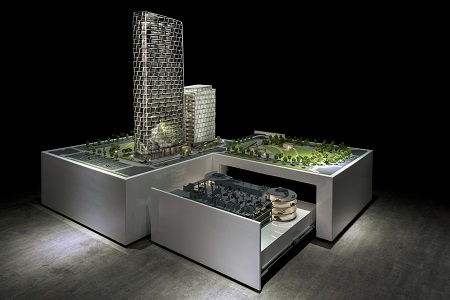
In addition to their use in professional settings, skyscraper models also serve an educational purpose. They are often featured in museums, universities, and schools as part of architectural exhibits or courses. Students of architecture and engineering can learn valuable lessons about building design, construction techniques, and materials by studying these models. Moreover, they provide a hands-on learning experience, helping students develop a deeper understanding of how skyscrapers are designed and constructed.
Alright, let’s break this down in a way that’s easy to understand. Think of skyscraper models as detailed miniature versions of very tall buildings. In schools, universities, and museums, these models are used as teaching tools. They help students see and understand the structure of buildings in a clear, hands-on way. By looking closely at a model, learners can grasp how different parts of a building come together, what materials are used, and how the design affects stability and function. This makes learning more interactive than just reading textbooks or looking at pictures.
Companies like QZY Models create these high-quality models with great detail and accuracy. Students can study them to learn about architecture, engineering, and construction methods all at once. Beyond schools, these models also inspire creativity and provide practical insights for future architects or engineers. By examining a well-made model, learners gain a better understanding of how real skyscrapers are planned and built, making the complex ideas of building design much easier to comprehend.
Types of Skyscraper Models
Scale Models
One of the most common types of skyscraper models is the scale model, which is a reduced-size representation of the actual building. Scale models are usually created in 1:100, 1:200, or 1:500 scales, depending on the level of detail required and the size of the project. The smaller the scale, the less detail can be included, but it still provides a general sense of the building’s proportions.
Scale models are particularly useful for conveying the overall design and layout of the building, and they can be used to demonstrate how the skyscraper will interact with its environment. These models are often created using materials like foam board, acrylic, and 3D printing.
3D-Printed Models
In recent years, 3D printing has revolutionized the creation of skyscraper models. With this technology, architects and designers can produce highly detailed models with greater precision and speed. 3D-printed skyscraper models allow for intricate features, such as windows, doors, and textures, to be incorporated into the design without the need for manual labor.
3D printing also allows for easier adjustments during the design process, as changes can be made quickly and efficiently. This makes it easier for designers to test different configurations and materials, speeding up the decision-making process and improving the final design.
Digital Models and Virtual Simulations
While physical models remain popular, digital models are increasingly being used in the design process. These models are created using specialized software that allows designers to manipulate and adjust the model virtually. Virtual simulations and 3D renderings are often used to showcase how a skyscraper will look in different lighting conditions, with varying weather patterns, or from different angles.
Digital models can be shared with clients and stakeholders easily, allowing for remote collaboration and feedback. Additionally, they can be integrated with other technologies, such as virtual reality (VR), to create immersive presentations that give a more realistic experience of the building before it is even constructed.
Techniques for Creating Skyscraper Models
Traditional Modeling Techniques
Creating a skyscraper model using traditional methods involves handcrafting each component and assembling them together. Materials such as cardboard, foam, plastic, and wood are often used in this process. Traditional modeling techniques require a high level of craftsmanship and attention to detail, as each part must be measured and cut precisely to scale.
Modelers use tools such as knives, glue, rulers, and compasses to create intricate parts of the model, including the building’s façade, windows, and roof. This technique is often used for scale models and is still employed by many architects and model makers today, especially for smaller-scale projects.
Modern Digital Fabrication
With the advent of modern digital fabrication technologies, the creation of skyscraper models has become more efficient and precise. Techniques such as laser cutting, CNC milling, and 3D printing allow for the rapid production of complex parts that can be assembled into a larger model.
Laser cutting, for instance, enables designers to create intricate patterns and shapes with high accuracy, while CNC milling allows for the creation of three-dimensional components with fine details. These technologies have made it easier to produce models that were once impossible or impractical to create by hand.
Materials Used in Skyscraper Models
Acrylic and Plastics
Acrylic is a popular material used in the creation of skyscraper models because it is transparent, lightweight, and easy to work with. It is often used for creating clear components such as windows, facades, and roofs. Acrylic can be easily laser-cut and shaped, making it an ideal material for intricate designs.
In addition to acrylic, other plastics such as styrene and PVC are commonly used in the construction of skyscraper models. These materials are durable, cost-effective, and easy to manipulate, making them well-suited for model making.
Foam and Cardboard
Foam is a lightweight material that is frequently used in the construction of larger-scale skyscraper models. It is easy to cut and shape, and it can be easily painted to create the appearance of different building materials, such as concrete or glass.
Cardboard, often used in combination with foam, is another popular material for creating scale models. While cardboard is less durable than foam, it is inexpensive and readily available, making it ideal for prototyping or creating simple models.
3D-Printed Components
As mentioned earlier, 3D printing has revolutionized the creation of skyscraper models. This technology allows for the creation of highly detailed components with precision, and it has become increasingly popular for producing complex and customized parts. 3D-printed models can incorporate a wide range of materials, including plastics, resins, and metals, depending on the requirements of the project.
The Future of Skyscraper Models
The Integration of AI and Machine Learning
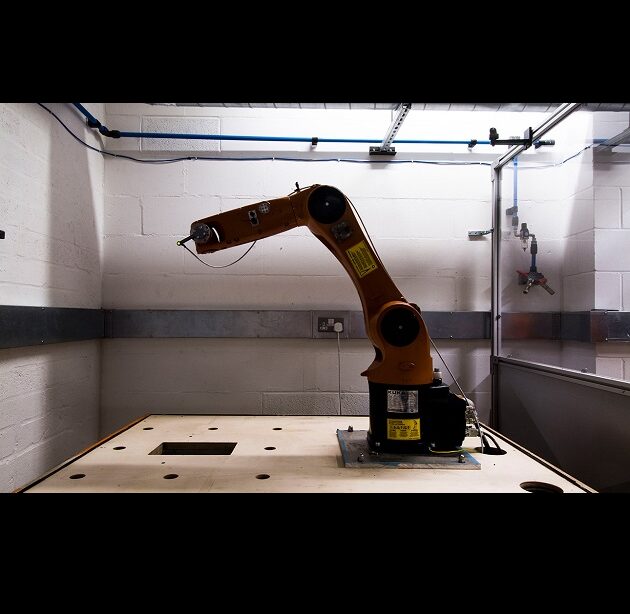
As technology continues to advance, artificial intelligence (AI) and machine learning are expected to play an increasingly important role in the design and creation of skyscraper models. These technologies will enable architects to analyze and optimize designs more efficiently, predicting potential issues before they arise and offering solutions based on vast amounts of data.
AI can also assist in automating the creation of models, allowing for faster production and more accurate representations of the final product.
Sustainable and Green Building Models
With the growing emphasis on sustainability in architecture, skyscraper models are likely to evolve to incorporate environmentally friendly features. Architects and designers are increasingly focused on creating buildings that are energy-efficient, environmentally responsible, and sustainable. As a result, skyscraper models will likely be designed with these principles in mind, showcasing the use of renewable materials, energy-saving technologies, and green building strategies.
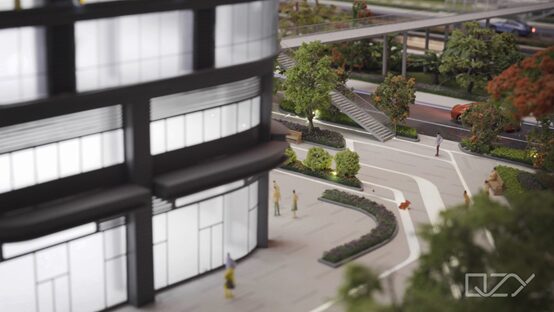
Conclusion: The Power of Skyscraper Models
Skyscraper models play a critical role in the world of architecture and urban design. They provide an invaluable tool for visualizing, designing, and planning these awe-inspiring structures. Through the use of various techniques and materials, designers can create detailed representations of skyscrapers that help bring their vision to life, facilitating collaboration, and refining ideas. With advances in technology, the future of skyscraper models looks brighter than ever, offering even greater possibilities for creativity and innovation in the world of architecture.
FAQs
What is a skyscraper model and why is it important?
A skyscraper model is a scaled physical representation used to visualize design, structure, and environment integration. It helps architects, developers, and planners evaluate proportions, materials, and spatial relationships before construction. These models support communication with stakeholders, reduce design errors, and strengthen project approval.
How are skyscraper models typically made?
Creating a skyscraper model involves digital design, precision fabrication, and detailed assembly. Designers begin with CAD blueprints, followed by 3D printing, CNC machining, or laser cutting. Materials like basswood, acrylic, and chipboard form the structure, while fine elements enhance realism. The process ensures accuracy for presentations and decision-making.
What materials are best for professional skyscraper models?
High-quality models use basswood for structural parts, acrylic for glazing or water features, chipboard for massing studies, and specialty woods for accents. Additional detailing materials include metal wires, textured sheets, and landscape elements. These choices support durability, realism, and clarity during architectural reviews.
Who benefits most from professional skyscraper model services?
Architectural firms, real estate developers, government planning agencies, and exhibition organizers rely on model-making for project evaluation and presentation. International clients across the Middle East, Europe, and Asia also use services from expert teams such as QZY Models to showcase designs with precision and impact.
What do skyscraper models help architects and developers achieve?
Skyscraper models provide a clear physical representation of design, structure, and context. They allow teams to study proportions, evaluate façades, test materials, and understand how a tower fits its surroundings. These models also improve communication during presentations, supporting faster approvals and reducing costly design revisions.
How are professional skyscraper models created today?
The process begins with CAD or BIM digital designs, followed by fabrication using 3D printing, CNC machining, and laser cutting. Makers assemble structural components, add cladding, and integrate lighting or landscape details. This workflow ensures precision, realistic presentation, and reliable decision-making for large-scale architectural projects.
What materials are commonly used in high-quality skyscraper models?
Basswood is widely used for structure, acrylic for glazing, chipboard for massing, and engineered woods for accents. Model makers also incorporate metal wires, textured sheets, and greenery materials to enhance realism. These materials allow durable, accurate, and visually clear representations for client reviews and exhibitions.
Who typically commissions skyscraper models?
Architectural firms, real estate developers, urban planning bodies, and exhibition organizers frequently commission these models. Design schools and private collectors also request them for teaching or display. Global clients often seek expert craftsmanship from studios like QZY Models to present high-rise concepts with clarity and impact.