Amusement park projects involve significant investment, complex layouts, and intricate attractions. For developers and marketing teams, conveying the vision to investors, stakeholders, and clients can be challenging. Ambiguous drawings or digital renderings often fail to communicate scale, crowd flow, or operational feasibility. Amusement park models address these challenges by providing a tangible, immersive representation that bridges concept and reality.
What Are Amusement Park Models?
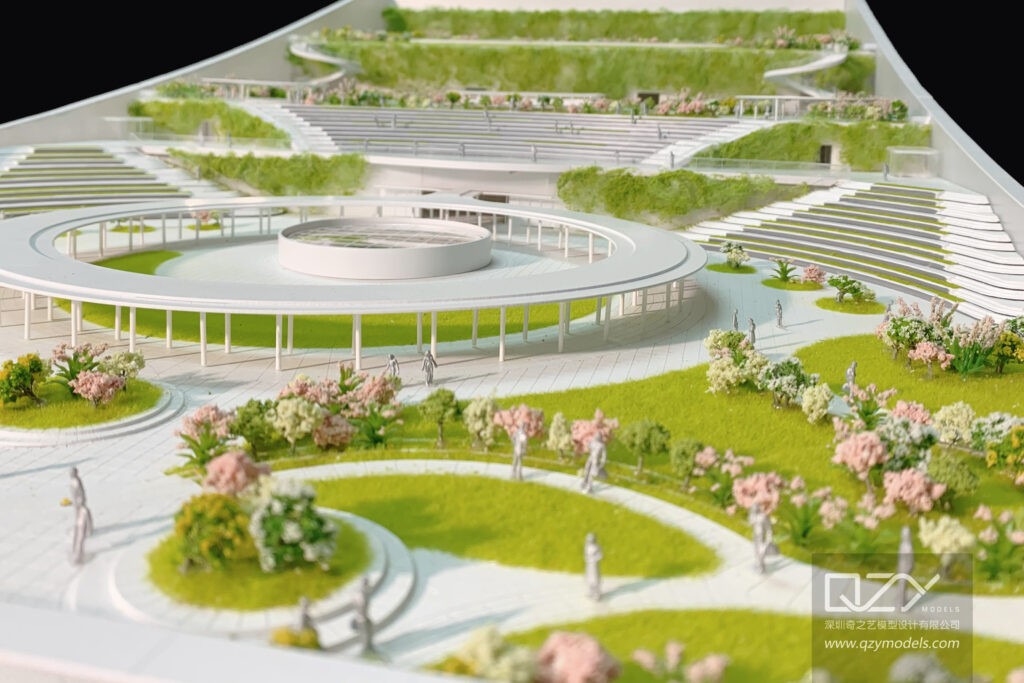
Amusement park models are highly detailed, scaled replicas of theme parks, including roller coasters, castles, shops, water features, and visitor pathways. They serve as practical tools for sales, marketing, and investor presentations, helping stakeholders understand the park’s design, layout, and guest experience. Scales range from 1:150 for close-up features to 1:500 for overall park layouts.
Founded in Shenzhen in 2013, QZY Models specializes in high-fidelity amusement park replicas, integrating operational simulations, moving rides, and immersive lighting. These models enable clients to test layouts, optimize visitor flow, and showcase attractions effectively before construction begins.
| Model Type | Purpose | Scale Example |
|---|---|---|
| Conceptual | Early design visualization | 1:500 overview |
| Operational | Crowd flow and ride simulation | 1:200 detailed |
| Exhibition | Marketing and investor display | 1:150 immersive |
Why Sales & Marketing Teams Need Amusement Park Models
For marketing and investor relations, physical models provide a level of clarity and engagement digital renderings cannot match. They:
-
Translate complex layouts into easily understood, tangible forms.
-
Highlight attractions and visitor pathways for stronger storytelling.
-
Enable faster decision-making and layout approval by visualizing operational flow.
-
Build excitement for investors, partners, and the public.
QZY Models produces high-quality replicas worldwide, integrating terrain, attractions, infrastructure, and crowd simulations. These models demonstrate operational feasibility, crowd safety, and aesthetic appeal—critical for convincing investors and securing funding.
How Amusement Park Models Are Made
The process starts with CAD files, SketchUp models, or traditional blueprints. QZY Models converts these into detailed 3D digital plans before production.
-
Laser Cutting: Forms flat components like buildings and walkways.
-
3D Printing: Creates rides, structural details, and coasters with precision.
-
Foam Carving: Shapes terrain, hills, and water features.
Components are painted, textured, and enhanced with LED lighting. A 1:200 scale model typically takes 4–8 weeks to complete. Terrain layering, printed coaster loops, laser-cut castles, and realistic landscaping ensure exhibition-ready quality for investor presentations and marketing events.
Choosing the Right Scale for Marketing Models
Scale selection balances detail and visual impact:
-
1:200–1:300: Detailed, immersive investor presentations.
-
1:500: Masterplan overviews for larger sites.
-
1:150: Signature attractions for exhibition or marketing focus.
QZY Models customizes scales to highlight key attractions such as roller coasters, plazas, and water zones, with hybrid scaling available for multi-phase development projects.
Materials and Realism
Models use foam for terrain, acrylic or styrene for buildings, 3D-printed PLA for rides, and metal accents. LEDs, paints, flocking, and textiles enhance realism while durable coatings ensure transport safety. QZY Models prioritizes quality and durability, including heat-resistant resins for harsh climates and eco-friendly materials for sustainable projects.
Innovative Features for Marketing Impact
Interactive and technologically enhanced models create stronger marketing appeal:
-
Motorized rides and moving attractions simulate park operations.
-
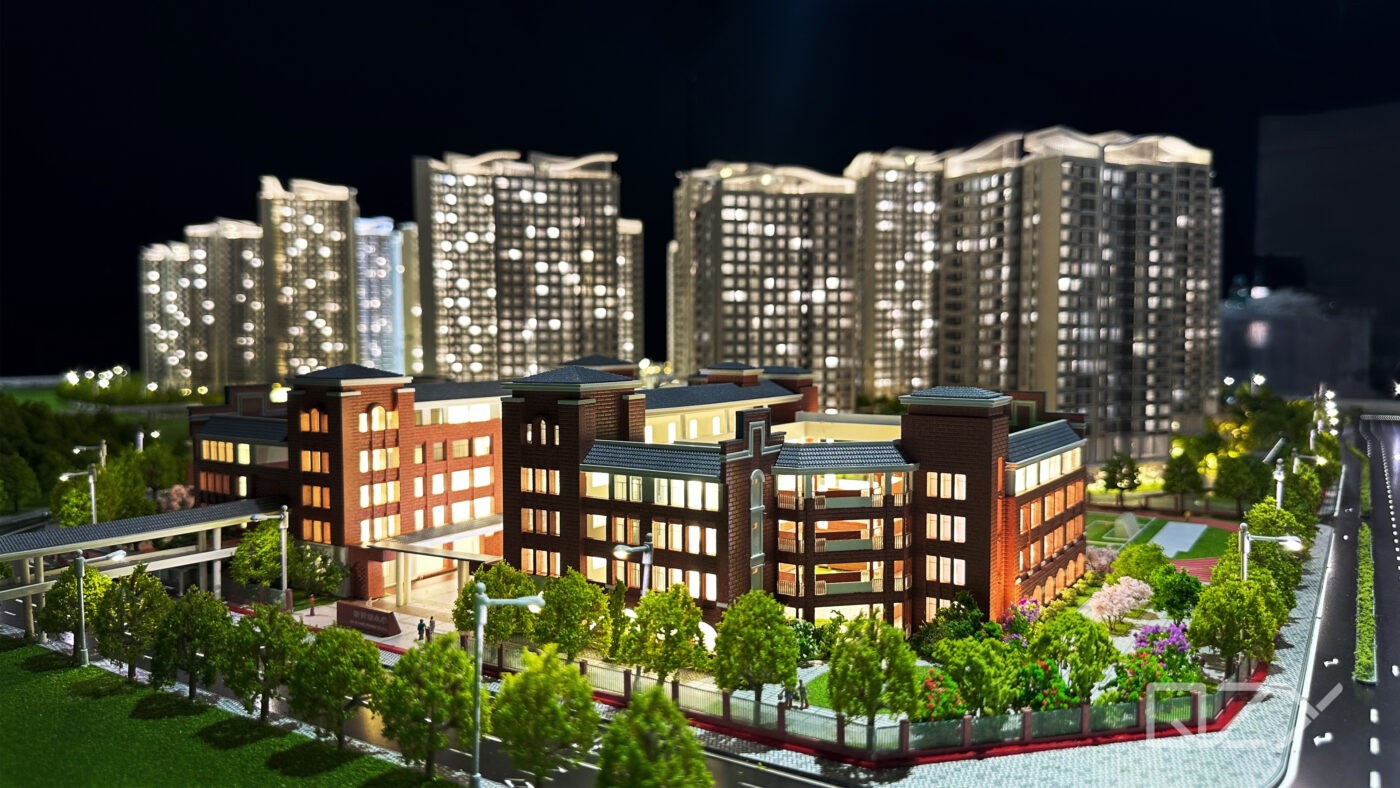
LED lighting and night scenes enhance visual engagement.
-
AR overlays and sensors allow immersive demonstrations.
-
Modular layouts support phased development presentations.
QZY Models integrates these innovations to provide clients, including global leaders like Foster + Partners, with interactive, persuasive models that accelerate investment decisions and marketing campaigns.
| Technology | Advantages | Limitations |
|---|---|---|
| 3D Printing | Detailed, complex curves | Higher cost for large scales |
| Laser Cutting | Precise flat elements | Limited to planar shapes |
| Foam Carving | Organic terrain | Less structural detail |
Cost of Amusement Park Models
Prices typically range from $10,000 to $100,000+, depending on scale, complexity, and interactivity. Basic 1:500 overview models start at $10K, while detailed 1:200 replicas with lighting and motorized elements may exceed $60K. Factors include model size, production technology, interactive elements, and delivery requirements. Shenzhen-based production allows QZY Models to offer competitive pricing for global clients.
Expert Insight from QZY Models
“Amusement park models translate imagination into tangible reality. At QZY Models, we combine precision craftsmanship with 3D innovation to simulate operations, coaster physics, and crowd dynamics. Our UAE and Saudi projects show how models refine designs, secure investment, and enhance presentations, helping clients visualize complex parks with accuracy and excitement.”
— Richie Ren, Founder, QZY Models
Choosing the Right Model Maker
Select a provider with:
-
Extensive theme park experience (10+ years).
-
Advanced technology and international delivery capability.
-
Proven portfolio with motorized rides, terrain, and interactive features.
QZY Models delivers high-end, exhibition-ready models in as little as 4 weeks, ensuring precision, functionality, and visual impact for sales and marketing purposes.
Key Takeaways for Sales & Marketing Projects
Amusement park models improve investor communication, marketing presentations, and operational visualization. Scales like 1:200, hybrid materials, and interactive features maximize engagement and persuasion. Partnering with QZY Models ensures high-fidelity replicas, fast delivery, and global support. Action steps: provide CAD files, define scale and interactivity, and contact us for professional quotes.
FAQs
What is the lead time for a marketing model?
Standard 1:200 builds are delivered in 4 weeks; 1:150 or larger models may take 6–8 weeks.
Can models simulate ride movement?
Yes, motorized coasters, boats, and attractions create realistic operational demonstrations.
Which files are needed to start production?
CAD, SketchUp, or blueprints; QZY Models converts them for precise modeling.
Do models include landscaping and terrain?
Yes, hills, trees, water features, and pedestrian paths are included for immersive presentations.
Is QZY Models suitable for international projects?
Yes, with offices and delivery experience across the UAE, Saudi Arabia, Egypt, Europe, and Asia.