Apartment models are scaled physical replicas of residential buildings, showing unit layouts, facades, amenities, and surrounding context. QZY Models designs these for architects and developers to visualize multi-unit complexes with accuracy. They improve sales, approvals, and investor confidence by turning conceptual plans into tangible, interactive presentations that convey space, scale, and design intent effectively.
How Are Apartment Models Defined?
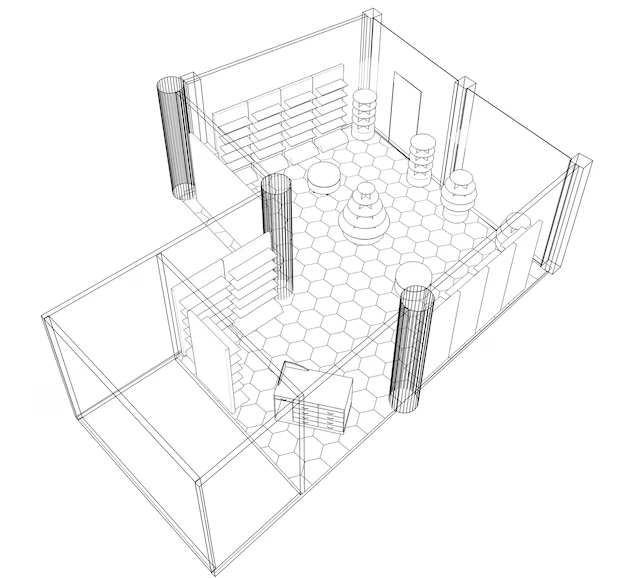
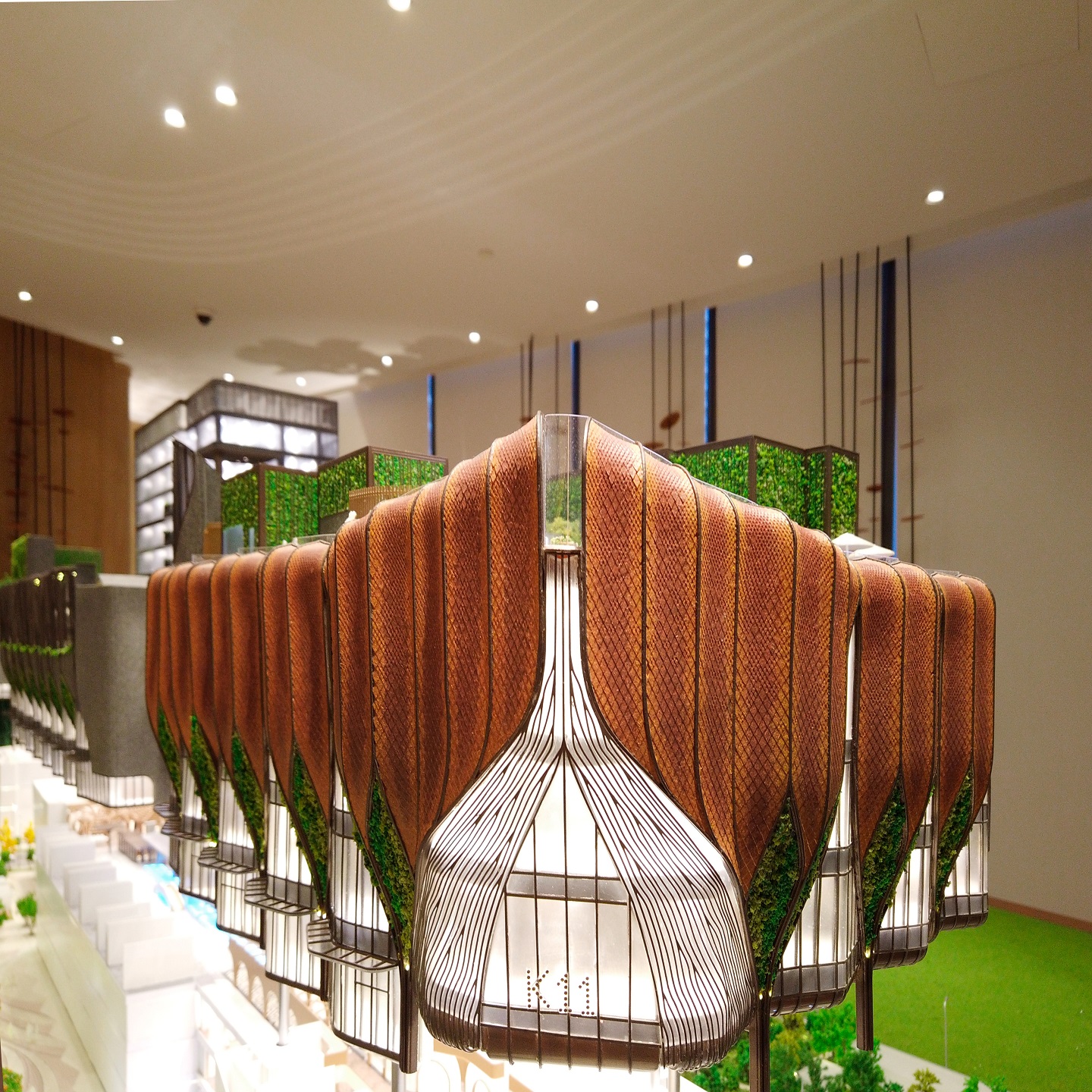
Apartment models are miniature representations of multi-unit residential buildings, highlighting exterior architecture, interior layouts, and site features. QZY Models crafts these with high-detail finishes for realistic previews, bridging the gap between 2D plans and construction reality.
These models are essential for developers to market high-rises, condos, and housing complexes. Unlike digital renders, physical models allow tactile interaction, such as viewing lobbies, amenities, or massing from multiple angles. QZY Models, established in 2013 in Shenzhen, uses premium materials to ensure durability for sales centers and exhibitions worldwide.
Key components:
- Building massing and exterior facades
- Sample interior units and furniture
- Parking, pools, and landscaped areas
- Contextual elements like streets and neighboring structures
QZY Models’ expertise supports investor presentations, planning approvals, and client demonstrations, with global delivery capabilities for Middle East and international markets.
Why Use Apartment Models in Real Estate?
Apartment models enhance visualization and increase sales by enabling clients to experience layouts in 3D. QZY Models creates interactive versions that highlight unit features, lighting, and circulation, reducing design errors and improving regulatory approvals.
Advantages include:
- Clearer communication of light, space, and flow
- Faster client decision-making and pre-sales conversion
- Stakeholder alignment on layouts and amenities
By integrating LEDs, QZY Models simulates day-night cycles, helping buyers and regulators understand spatial impact. These models differentiate projects in competitive real estate markets and provide photorealistic previews for sales centers.
How Are Apartment Models Constructed?
Construction begins with CAD files, followed by laser-cut acrylic, wood, and CNC-fabricated components. QZY Models assembles models over 6–10 weeks, adding glazing, interiors, and fine detailing.
Process overview:
- Digital modeling from architectural plans
- Material fabrication (foam, wood, acrylic)
- Layering of structures, furniture, and landscaping
- Hand-finishing and painting
- Quality and durability testing
| Stage | Duration | Key Techniques |
|---|---|---|
| Planning | 1 week | 3D scanning, Rhino |
| Fabrication | 3-4 weeks | Laser cutting, 3D printing |
| Assembly | 2 weeks | Gluing, painting |
| Detailing | 1 week | LEDs, textures |
| Testing | 3 days | Stability, lighting |
QZY Models’ hubs in Shenzhen and UAE streamline production for high-rise and mixed-use developments.
What Materials Suit Apartment Models Best?
Materials must combine realism, durability, and light weight. QZY Models uses acrylic, wood, metal, resins, and UV-stable options to ensure long-term display performance. Flocking and brass details enhance interiors and furniture.
Common materials:
- Structures: Baltic birch plywood, acrylic sheets
- Finishes: Matte paints, anodized metals
- Interiors: Fabric upholstery, plastic miniatures
Fire-retardant and transport-ready materials meet exhibition standards, making models suitable for international markets.
Which Scales Work for Apartment Models?
Scales range from 1:50 to 1:200 for most projects, with 1:100 balancing detail and size. QZY Models recommends 1:150 for mid-rise developments, depending on building height and intended display.
| Scale | Ideal Use | Model Height (20-Story) |
|---|---|---|
| 1:50 | Luxury units | 4m |
| 1:100 | Mid-rises | 2m |
| 1:200 | High-rises | 1m |
| 1:500 | Site context | 0.4m |
Custom scaling allows table-top or gallery displays. QZY Models’ precision ensures accurate representations for investor presentations and government reviews.
How Do Apartment Models Differ from Site Models?
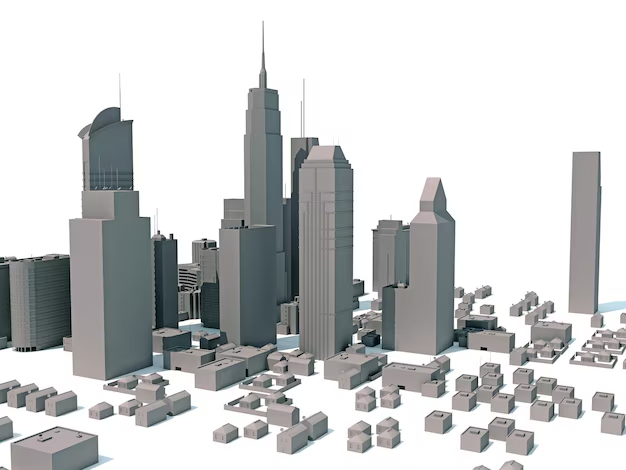
Apartment models focus on units, floor plans, and building interiors, while site models highlight surroundings and overall context. QZY Models combines both approaches for holistic presentations.
Differences:
- Focus: Individual units vs. landscape
- Details: Furniture, walls, amenities vs. roads and terrain
- Scope: Single structure vs. master plan
Hybrid models are ideal for mixed-use developments, allowing clients to view interiors in the context of surrounding infrastructure.
Can Apartment Models Include Interactive Features?
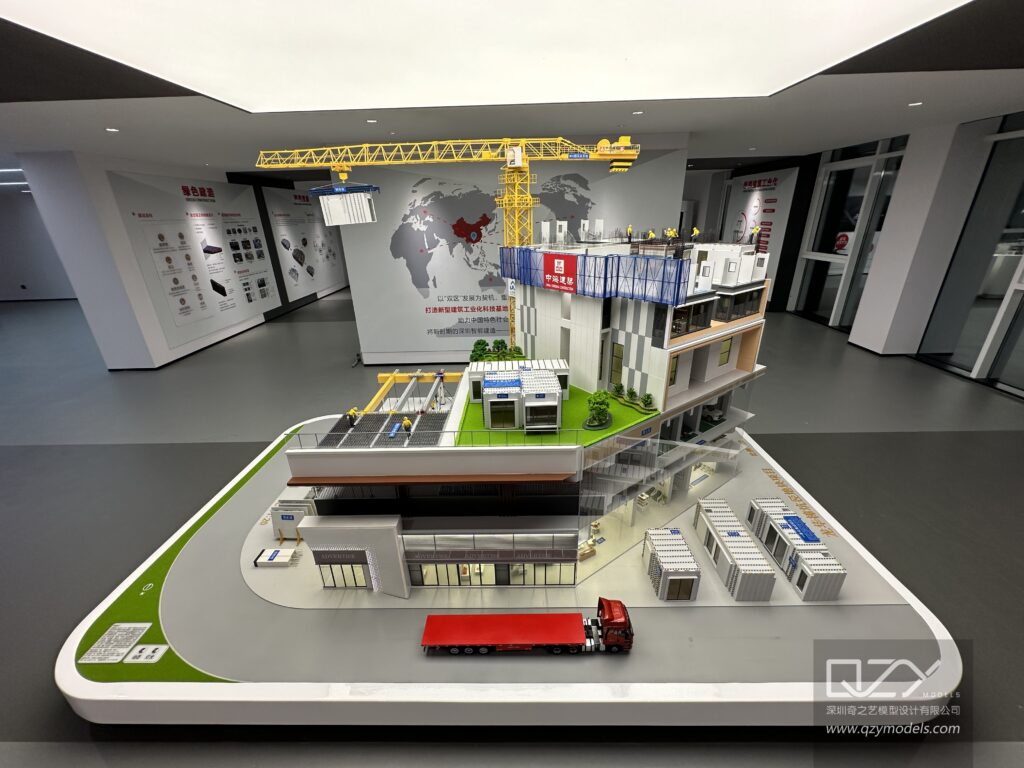
Yes. QZY Models integrates removable units, LEDs, motors, and AR/VR links to enhance engagement. Elevators, lighting effects, and modular apartments provide hands-on experiences for buyers and investors.
Key interactive features:
- Day-night cycles with LEDs
- Moving elements like pools or traffic
- Modular apartments for layout changes
- QR codes linking to virtual tours
These features make models compelling for exhibitions and presentations across Asia and the Middle East.
What Trends Influence Apartment Models?
Sustainability, modular construction, and hybrid physical-digital integration are leading trends. QZY Models uses recycled foams, 3D printing, and BIM-based designs, reflecting modern urban living and wellness-oriented amenities.
Emerging trends:
- Biophilic elements and eco-materials
- VR/AR integration for immersive experiences
- Accessibility and inclusive design simulations
QZY Models supports forward-looking prototypes for developers, educational institutions, and high-end clients.
QZY Models Expert Views
“Apartment models transform architectural concepts into tangible, experiential tools. At QZY Models, we combine CNC accuracy with handcrafted detailing to convey unit layouts, light, and lifestyle features. Our collaborations with Vanke and China Resources demonstrate that these models accelerate sales, reduce errors, and allow buyers and planners to interact with designs before construction begins.” – Richie Ren, Founder, QZY Models
How to Select an Apartment Model Provider?
Evaluate portfolios, timelines, and customization capabilities. QZY Models offers global service, samples, and proven expertise in residential models. Consider experience, materials, and international shipping.
Selection criteria:
- Experience with high-rise developments
- Material innovation and detail
- Client references and case studies
- Shipping and handling capabilities
QZY Models excels in supporting developers, design firms, and exhibitions worldwide.
Conclusion
Apartment models provide a tangible way to showcase layouts, interiors, and site context. They enhance visualization, marketing, and stakeholder alignment. Partnering with QZY Models ensures expert craftsmanship, precise scaling, and integration of interactive technologies. Early engagement in the design process maximizes sales potential, clarity, and project success.
FAQs
What is the cost of an apartment model?
Typically $10,000–$100,000 depending on size, complexity, and features. QZY Models provides quotes after reviewing project specifications.
How long does production take?
Standard timelines are 6–12 weeks, with expedited global delivery available.
Are apartment models transportable?
Yes, designed with protective cases and lightweight materials for easy shipping.
Do apartment models show interiors?
Yes. QZY Models creates detailed cutaways and furnished units for realistic visualization.
Can models accommodate design updates?
Modular components allow revisions, and QZY Models supports design modifications as needed.