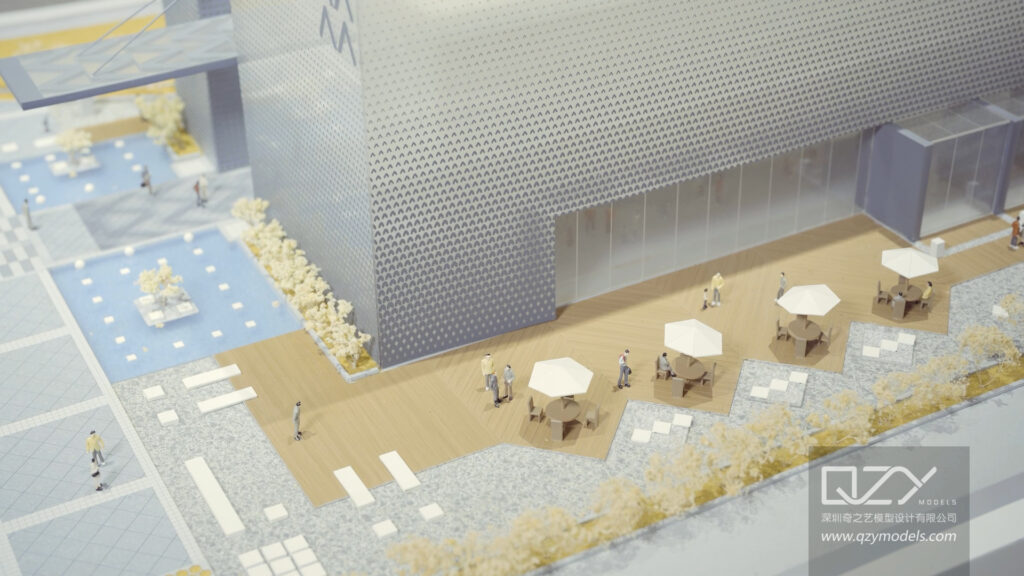
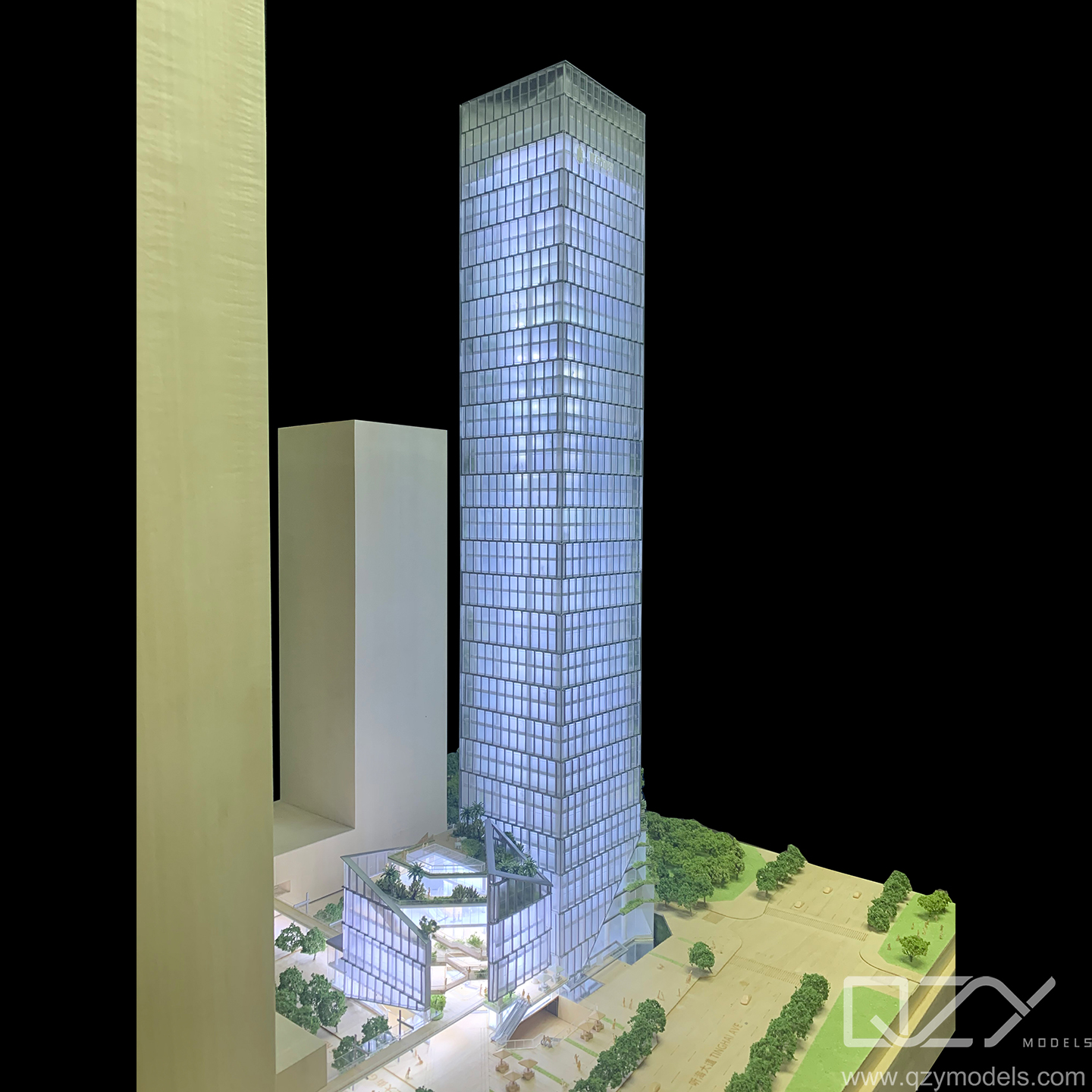
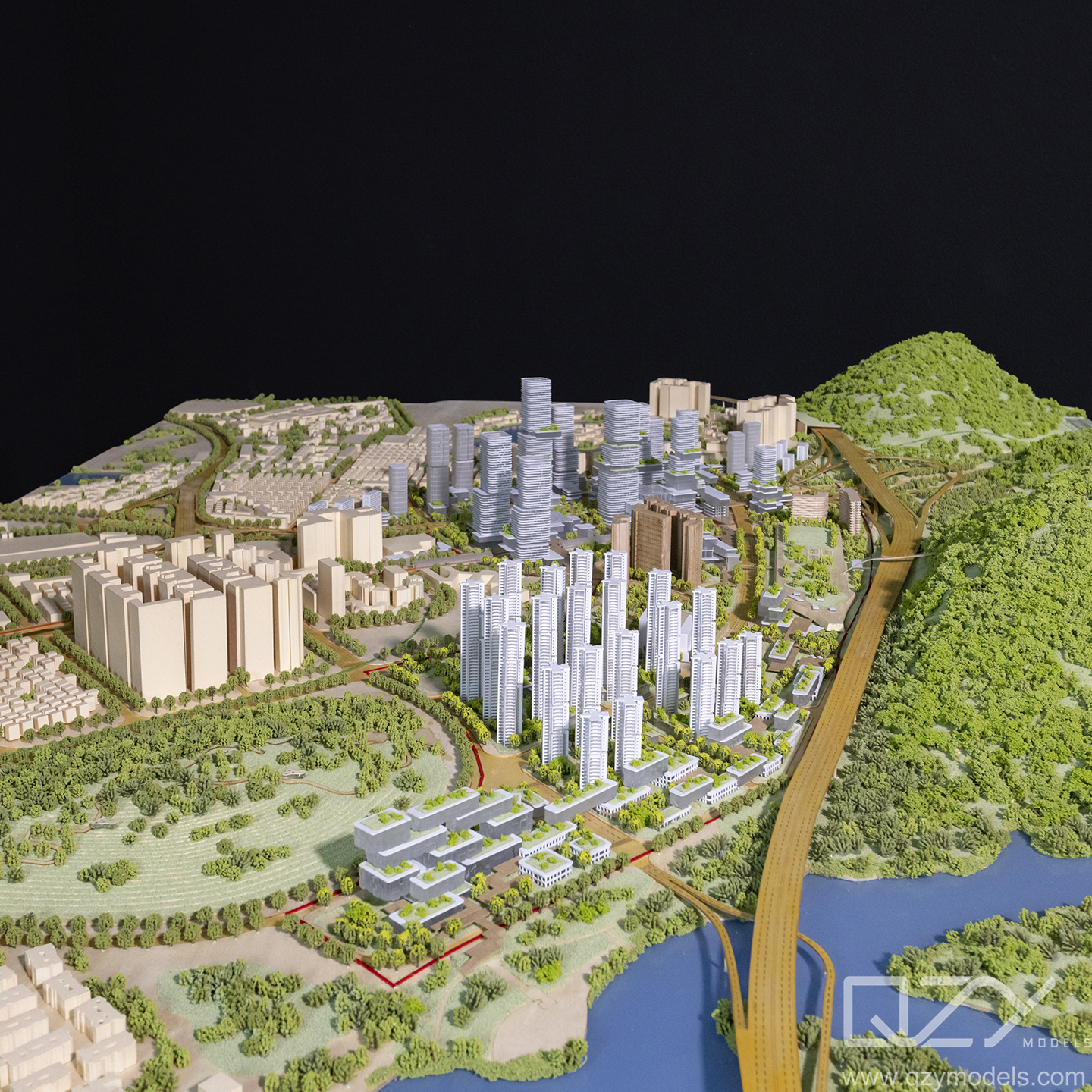
Architect figures are miniature human models used in architectural and industrial physical models to illustrate scale, activity, and spatial context. They bring models to life, showing human interaction with buildings, streets, and interiors. Ranging from 1:100 to 1:500 scale, these figures enhance presentations for architects and developers. QZY Models produces high-quality, detailed figures tailored for global projects.
What Are Architect Figures?
Architect figures are scaled-down human representations added to architectural models to demonstrate proportions, occupancy, and usage. They come in diverse poses such as standing, walking, sitting, or working, and match model scales like 1:200, where a 6-foot person equals roughly 1 cm. QZY Models designs these figures with precision for urban planning, real estate, and exhibition models.
Beyond people, models may include vehicles, furniture, and trees for context. High-quality figures feature accurate clothing, skin tones, and postures, reflecting different demographics. QZY Models ensures durability and detail suitable for handling during client presentations and trade shows.
| Scale | Figure Height (6ft Person) | Typical Use |
|---|---|---|
| 1:100 | 1.8 cm | Building models |
| 1:200 | 0.9 cm | Urban planning |
| 1:500 | 0.36 cm | Masterplans |
Why Use Architect Figures in Models?
Architect figures visually convey scale, function, and activity in physical models. They help viewers intuitively understand building sizes, street widths, and space usage without technical measurements. Figures create emotional engagement, showing office workers in lobbies or families in parks.
Industrial models benefit from figures depicting workers at machinery, highlighting workflow and safety. QZY Models produces figures resilient enough to withstand handling at exhibitions. Using 20–50 figures per scene balances realism with clarity. Custom ethnicities and attire from QZY Models add cultural relevance for international clients.
How to Choose the Right Architect Figures?
Choosing architect figures involves selecting appropriate scale, pose, material, and demographic representation. Match figures to the model environment: office settings require business attire, residential areas casual clothing. QZY Models offers a variety of scales from 1:87 to 1:1000 and sets of 50+ figures for versatility.
Materials should resist UV and color fading. Test matte finishes under display lighting to reduce glare. For industrial models, select figures with safety gear. Budget considerations range from starter packs ($20–50) to premium hand-painted sets ($100+). QZY Models ensures all options integrate seamlessly with LED-lit or interactive displays.
What Materials Are Best for Architect Figures?
Common materials include ABS plastic for mass production, resin for fine detail, and 3D-printed nylon for custom poses. Each material suits different model needs:
| Material | Advantages | Disadvantages | Best Use |
|---|---|---|---|
| ABS Plastic | Affordable, durable | Less detail | Crowd scenes |
| Resin | Highly detailed, paintable | Brittle | Prototypes |
| 3D-Printed Nylon | Fully customizable | Higher setup cost | Unique poses |
QZY Models uses eco-friendly resin options for sustainable production. Metal bases enhance stability, while colorfast finishes ensure long-lasting appearance under exhibition lighting.
How to Place Architect Figures Effectively?
Effective placement guides viewer focus and tells a narrative. Cluster figures around entrances or activity zones but avoid overcrowding. QZY Models recommends depth layering: foreground walkers, mid-ground families, background crowds to create perspective.
Narrative placement highlights intended use: playgrounds for children, desks for professionals. Magnetic bases or minimal adhesive allow repositioning. Test under model lighting and scale-check against buildings. Software previews, such as SketchUp, can refine layouts before assembly.
What Are Common Mistakes with Architect Figures?
Frequent mistakes include scale inconsistencies, uniform poses, poor gluing, overcrowding, and mismatched skin tones. Generic crowds in specialized settings can reduce realism. QZY Models prevents these issues through matched sets, tutorials, and quality control, ensuring colors remain vibrant and figures stable.
Neglecting weathering or material durability can shorten model lifespan. Always check figure height uniformity and stability before final placement.
How Has Technology Changed Architect Figures?
Advances like 3D printing, SLA detailing, laser scanning, and CNC milling have revolutionized architect figure production. Custom poses, precise facial features, and rapid iterations are now achievable. QZY Models integrates AR and AI tools for interactive previews and pose generation, reducing lead times by up to 50% for complex projects. Sustainable filaments minimize material waste while preserving quality.
QZY Models Expert Views
“Architect figures are the soul of any physical model, humanizing structures and turning concepts into compelling visual stories. At QZY Models, we combine two decades of experience with cutting-edge 3D printing to produce figures reflecting diverse cultures and contexts. For a UAE masterplan by Foster + Partners, our custom Middle Eastern attire figures enhanced realism and secured client approval. Precision in scale, pose, and finish is essential for immersive presentations.”
—Richie Ren, Founder, QZY Models
Which Architect Figures Suit Industrial Models?
Industrial models need figures wearing safety equipment, such as hard hats and vests, while holding tools or clipboards. Poses should depict typical operations like inspecting machinery or welding. QZY Models provides sets of 100+ figures with accessories, ensuring realistic workflow representation. Flame-retardant and durable materials maintain safety and longevity.
Conclusion
Architect figures elevate model presentations by illustrating scale, activity, and context. Select figures carefully by scale, material, pose, and cultural relevance. QZY Models provides high-quality, durable, and customizable options, ensuring immersive, realistic models. Actionable advice: start with a mixed 1:200 set, layer for depth, and test placements digitally to capture client attention immediately.
FAQs
What scale is ideal for architect figures?
1:100 to 1:200 scales work best, representing a 6-foot person as 0.6–1.8 cm for clear visibility without overpowering structures.
Can architect figures be customized?
Yes. QZY Models produces 3D-printed figures with specific ethnicities, clothing, and poses to match unique project requirements.
How do you maintain architect figures?
Use soft brushes or compressed air. Avoid water on painted resin. Protective coatings from QZY Models simplify cleaning and preserve finish.
Are architect figures reusable?
Yes. Figures with magnetic or slotted bases can be repositioned for multiple projects.
Where can I buy premium architect figures?
QZY Models offers globally shipped, high-quality sets suitable for architectural firms, exhibitions, and large-scale projects.