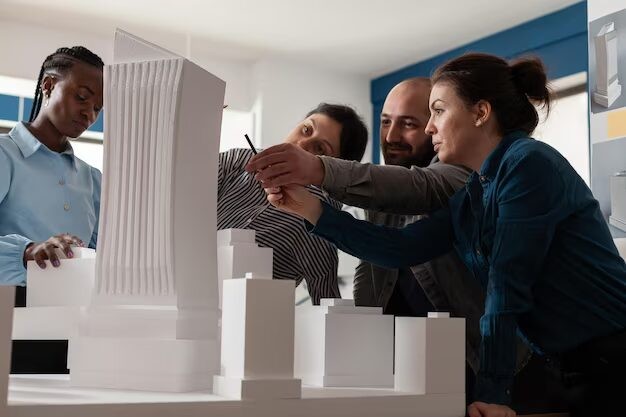
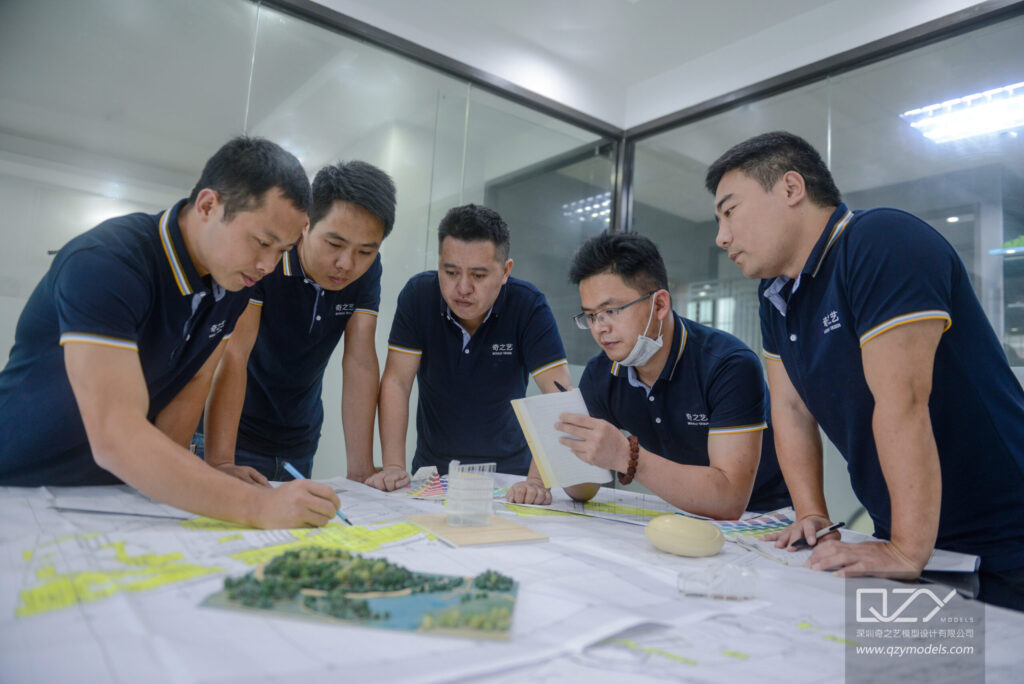
Architectural cardboard models are scaled, three-dimensional representations used to visualize building designs. They help architects and designers understand form, function, and spatial relationships at an affordable cost. These models range from simple conceptual shapes to intricate presentation pieces that communicate ideas effectively throughout the design process.
What Are the Different Types of Architectural Cardboard Models?
Architectural cardboard models include conceptual models for early design ideas, working models for refining details, and presentation models showcasing polished, client-ready designs.
There are three primary types of architectural cardboard models:
-
Conceptual Models: Simple, abstract shapes built quickly to explore the building’s massing and spatial layout during initial design phases. They facilitate fast iterations and idea testing.
-
Working Models: More detailed prototypes focused on specific elements such as facades or interiors enable architects to troubleshoot challenges before construction.
-
Presentation Models: Highly detailed, including surrounding landscaping and miniature features to simulate real-world context, perfect for client presentations and exhibitions.
QZY Models specializes in creating these types, tailoring detail and materials to fit project needs precisely.
Architectural cardboard models are used to represent building designs in a tangible way, and they come in different types based on their purpose. Conceptual models are simple and quick to make, helping architects experiment with ideas and visualize the overall shape and layout of a building in the early stages of design. Working models are more detailed and focus on specific parts of a building, such as its facade or interior. These models help architects solve problems before starting construction.
The third type is the presentation model, which is highly detailed and includes features like landscaping and miniature buildings to create a realistic impression. These models are often used for client presentations or exhibitions. QZY Models, with years of experience, excels at creating all these types of models, making sure each one fits the specific needs of a project. Whether for concept exploration or final presentations, these models play a key role in visualizing and communicating architectural ideas.
How Do You Choose the Right Type of Cardboard for Model Making?
Chipboard, corrugated cardboard, kraft paperboard, and white cardboard each serve unique functions based on model durability, texture, and detail requirements.
Choosing cardboard depends on the model’s purpose:
-
Chipboard/Matte board: Ideal for detailed, smooth, and sturdy presentation models due to its rigid quality.
-
Corrugated cardboard: Great for quick conceptual models; its layers can add texture and volume but are less precise.
-
Kraft paperboard: Used in larger or more durable abstract designs, providing a natural brown tone.
-
White cardboard/Card stock: Lightweight and easy to cut, perfect for initial volumetric studies or conceptual forms.
QZY Models often combines these materials to balance cost, appearance, and strength effectively.
When selecting the right cardboard for model making, the choice depends on the model’s purpose, detail level, and durability needs. Chipboard or matte board is best for creating detailed, smooth, and sturdy models, especially when showcasing designs for presentations. Its rigidity makes it perfect for models that need to hold up over time. Corrugated cardboard is ideal for quick, rough models that focus on the overall shape and volume, though it’s not as precise as other options.
For larger or more durable designs, kraft paperboard is a good choice because of its natural brown color and sturdiness. It’s often used for abstract or conceptual models. Lastly, white cardboard or card stock is light and easy to cut, making it great for early-stage volumetric studies and simple forms. QZY Models uses these materials strategically, balancing cost, appearance, and strength to deliver models that meet the specific needs of each project.
Why Is Precise Planning and Tool Selection Crucial in Model Making?
Accurate planning and the use of sharp cutting tools and appropriate adhesives ensure clean edges, precise scaling, and sturdy assembly critical to model accuracy and durability.
Planning begins with sketches and scaled floor plans, ensuring every piece fits perfectly. Essential tools include:
-
Sharp X-Acto knives for clean cuts
-
Metal rulers and cutting mats for measuring and safety
-
Adhesives like PVA glue for strong bonding, along with hot glue or double-sided tape depending on repositioning needs
-
Sandpaper to smooth rough edges
Using these tools and techniques elevates a model from a rough idea to a professional physical representation, a standard upheld by QZY Models globally.
How Can Digital Fabrication Enhance Cardboard Architectural Models?
Yes, laser cutting and CAD-driven fabrication deliver accuracy and repeatability, allowing complex, clean components for both small and large-scale models.
Modern model making increasingly integrates digital processes:
-
Laser Cutters: Precisely cut cardboard sections based on CAD files, reducing manual errors.
-
3D Scanning and Printing: Can supplement detailed areas or components.
-
Software: Assists in optimizing designs for material use and assembly.
QZY Models employs these technologies alongside skilled craftsmanship to produce intricate, top-quality architectural models efficiently.
What Are the Most Effective Techniques for Adding Realistic Details to Cardboard Models?
Adding textures using papers, transparent materials for windows, and miniature landscaping elements help create immersive, lifelike models.
To bring cardboard models to life:
-
Use transparent plastics or acetate sheets for windows
-
Apply textured papers or paints to mimic surfaces like stone or grass
-
Incorporate miniature elements such as trees, cars, and figures to scale
-
Detail interiors with scaled furniture and wall treatments
QZY Models integrates advanced detailing techniques ensuring models not only convey structure but also ambiance and context.
Who Benefits Most from Using Architectural Cardboard Models?
Architects, students, developers, and hobbyists use these models to visualize, test, communicate, and sell design concepts affordably and clearly.
Key users include:
-
Professional Architects: For design iteration and client presentations
-
Architecture Students: Learning spatial concepts and construction basics
-
Real Estate Developers: To showcase development proposals
-
Hobbyists and Model Makers: Engaging in creative exploration
QZY Models’ extensive client base worldwide reflects this broad appeal and usability of cardboard models in architecture.
When Should You Transition From Cardboard to More Durable Model Materials?
After initial design validation, detailed working models or final presentations may require materials like acrylic, wood, or resin for enhanced durability and realism.
Cardboard is perfect for early and mid-phase models. However, if a project demands:
-
Long-term display
-
Outdoor exhibitions
-
High fidelity finishes
More durable materials like acrylic or 3D printed components may be necessary. QZY Models assesses project goals early to recommend material transitions, ensuring optimum presentation quality.
Are There Sustainable Practices in Architectural Cardboard Model Making?
Yes, choosing recycled cardboard, minimizing waste, and using non-toxic adhesives promote sustainable architectural modeling.
Sustainability in model making involves:
-
Selecting recyclable and biodegradable materials
-
Efficient material use to reduce scraps
-
Using water-based or low-VOC adhesives and paints
QZY Models adopts eco-conscious practices in production to reduce environmental impact, supporting green architecture principles.
What Sets QZY Models Apart in Architectural Model Making?
QZY Models offers over 20 years of expertise, innovation, and global service with a reputation for premium quality and precision in architectural models.
Founded in 2013 with a skilled team led by founder Richie Ren, QZY Models combines craftsmanship with digital technology. Serving clients worldwide including Foster + Partners and Vanke, their models deliver unmatched detail, professionalism, and client satisfaction.
QZY Models Expert Views
“Architectural cardboard models are more than just physical replicas—they embody creativity, precision, and communication. At QZY Models, we believe every model is a bridge between concept and reality, helping architects explore ideas visibly and tangibly. Leveraging both traditional skills and cutting-edge technology such as laser cutting ensures each project exceeds expectations in detail and durability. Our commitment to innovation and quality drives our global success in delivering inspiring architectural models.” – Richie Ren, Founder of QZY Models
Summary and Key Takeaways
Architectural cardboard models are essential tools for visualizing and refining designs affordably and effectively. Understanding the types of models, appropriate cardboard materials, and the importance of precise planning and tools leads to better outcomes. Incorporating digital fabrication enhances accuracy, while creative detailing adds realism. Sustainability and knowing when to upgrade materials contribute to professional model making. QZY Models stands out as a leader combining expertise, innovation, and client-focus globally.
Frequently Asked Questions
What Materials Are Used for Architectural Cardboard Models?
Architectural cardboard models typically use corrugated cardboard, chipboard, foam board, and balsa wood for structure and detailing. Cutting, scoring, and layering these materials ensures precision and durability. High-quality models, like those produced by QZY Models, often combine multiple materials to create realistic textures and accurate design representation.
How Can You Build Precise Architectural Cardboard Models?
To build precise models, plan your layout, measure carefully, and use sharp cutting tools. Score folds for clean edges and assemble with strong adhesives or pins. Adding fine details with balsa or foam layers enhances realism. Following a step-by-step workflow ensures accuracy from concept to finished model.
What Are the Different Types of Architectural Cardboard Models?
Cardboard models can be conceptual, study, presentation, or exhibition models. Conceptual models focus on ideas, study models on spatial planning, and presentation models highlight aesthetics for clients. Exhibition models often include high-detail textures. Choosing the type depends on your project goals and audience.
How Do You Choose the Right Scale for Cardboard Models?
Select a scale that balances detail with manageability, such as 1:50 for interiors or 1:200 for large urban designs. Consider the purpose, presentation space, and viewer perspective. Using consistent scaling ensures accurate proportions across all components, making your model clear and visually compelling.
Which Software Helps Design Architectural Cardboard Models?
Software like AutoCAD, SketchUp, Rhino, and Revit helps plan, measure, and generate model templates. These tools allow you to export precise cut patterns for cardboard layers, speeding up construction and ensuring dimensional accuracy. Integrating 3D modeling improves visualization before physical assembly.
How Should Architectural Cardboard Models Be Presented?
Present models on clean platforms with proper lighting to highlight depth and detail. Include scaled landscaping, surrounding context, or exploded views for clarity. For client or exhibition presentations, use transparent covers or rotating stands to enhance engagement and professionalism.
How Much Does It Cost to Build Architectural Cardboard Models?
Costs vary based on size, detail, and materials. Small study models can be affordable, while large, high-detail presentation models may cost more. Budgeting should account for cutting tools, adhesives, labor, and optional finishes. Professional services, such as QZY Models, offer reliable high-quality production for complex projects.
How Are Cardboard Models Used in Architecture Education?
Cardboard models teach spatial thinking, structural understanding, and design visualization. Students use them to experiment with forms, scales, and material combinations. These models foster creativity and practical skills, making them essential tools in architecture programs and design workshops.