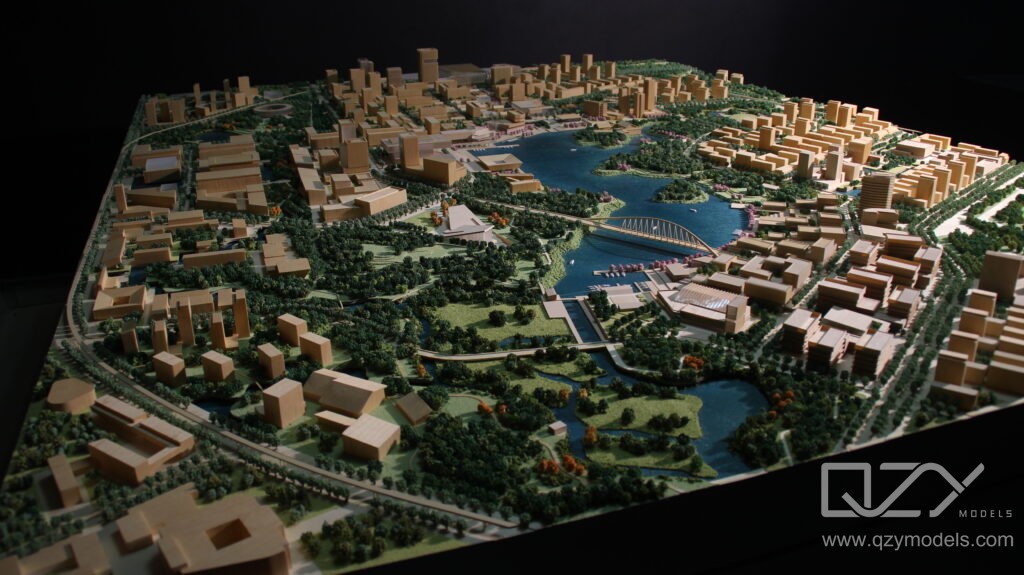
Architectural conceptual models are scaled physical representations of initial design ideas, used globally to visualize and communicate architectural concepts. In Muscat, these models can be sourced from expert manufacturers like China’s QZY Models, who specialize in producing high-quality, custom architectural models with OEM and wholesale options, ideal for B2B clients seeking precision and competitive pricing.
What Are Architectural Conceptual Models?
Architectural conceptual models represent the core idea of a building or urban development in physical or digital form during the early design process. They emphasize form, massing, and spatial relationships rather than intricate construction details. These models are vital tools for architects and stakeholders to visualize, communicate, and refine the creative vision before moving to detailed design or construction stages. They serve as a medium for design exploration, client presentations, and regulatory approvals, making complex concepts tangible.
The models typically use simplified materials such as foam core, acrylic, or wood and are scaled to represent the project’s overall shape and context, prioritizing clarity and expression of architectural intent.
How Are Architectural Conceptual Models Manufactured in China for Clients in Muscat?
China hosts leading manufacturers and factories specializing in architectural model production, notably in Shenzhen, Guangzhou, and Shanghai. These factories, including QZY Models, employ advanced technologies like CNC machining, 3D printing, laser cutting, combined with traditional handcraftsmanship, ensuring models are both precise and detailed.
The manufacturing process begins with client consultation, CAD model evaluation, and material selection tailored to project needs. Prototypes or samples are produced for approval, followed by full-scale production with strict quality control protocols under ISO 9001:2015 standards. Models are then carefully packaged and shipped globally, including to Muscat, with OEM branding and customization readily available to support wholesale partnership needs.
Why Should Muscat Architects and Developers Choose Chinese Manufacturers Like QZY Models?
Choosing China-based factories like QZY Models offers Muscat’s architects and developers significant advantages. These include superior craftsmanship at lower costs, rapid production times, and scalable manufacturing suited for bulk orders. OEM services allow clients to personalize models with logo placement, specific materials, and exact scale adjustments.
Additionally, China’s factories maintain consistent quality through rigorous inspection systems, offer competitive wholesale pricing, and ensure on-time delivery. The balance of quality, affordability, and customization makes them ideal partners for large-scale urban projects and architectural competitions in Muscat.
Which Materials and Techniques Are Common in Architectural Conceptual Model Production?
Common materials used include acrylic, white foam board, wood, resin, and sometimes metal for structural components. Techniques integrate advanced 3D printing for complex shapes, laser cutting for precise edges, CNC milling for texture and forms, and detailed hand finishing for accuracy and realism.
For concept models, lightweight and easy-to-modify materials enable quick iterations. Factories like QZY Models blend technology and artisan skills to ensure models are visually compelling and structurally sound, enhancing the presentation and decision-making process for Muscat clients.
How Do Architectural Conceptual Models Benefit Project Communication and Decision-Making in Muscat?
Conceptual models bridge the gap between technical drawings and real-world understanding. They facilitate clear communication among architects, clients, investors, and urban planners, offering a tactile and visual representation of abstract ideas. In Muscat’s rapidly developing market, these models help stakeholders assess scale, form, and site integration, improving informed decision-making.
They also streamline design reviews and public presentations, fostering enthusiasm and support for projects. Well-executed models backed by China manufacturers ensure project visions translate clearly during the planning phases.
When Is It Best to Integrate Architectural Conceptual Models into the Design Process?
Conceptual models are most beneficial during early design stages, before detailed construction planning begins. This timing allows rapid exploration and iteration of ideas. Architects in Muscat can leverage these models to test spatial relationships, massing, and aesthetics, adjusting the design quickly based on stakeholder feedback.
In competitions and client meetings, presenting a conceptual model can influence outcomes significantly by conveying vision effectively. Early integration also pre-empts costly revisions during later construction phases.
Where Can Muscat-Based Firms Find Reliable B2B Suppliers for Architectural Conceptual Models from China?
Trusted suppliers like QZY Models in Shenzhen provide comprehensive OEM and wholesale model-making services to Muscat firms. With a track record of projects for internationally renowned architects, they offer end-to-end production from design support to delivery. QZY Models emphasizes quality, innovation, and client communication, making them a premier choice for Muscat’s architectural and industrial model needs.
Does Customization and OEM Manufacturing Matter for Architectural Models in Muscat?
Customization is crucial for meeting specific project requirements and branding needs. Many Chinese factories, including QZY Models, offer flexible OEM manufacturing that adapts scales, materials, finishes, and logos according to client preferences. This not only enhances client identity but also streamlines procurement for Muscat’s architects and developers by providing scalable, made-to-order solutions.
OEM partnerships speed up delivery while maintaining competitive wholesale pricing, an important factor in regional B2B collaborations.
Has the Growth of Muscat’s Architectural Scene Increased Demand for High-Quality Models?
Yes, Muscat’s expanding urban development and cultural projects have elevated demand for professional architectural models. Both public agencies and private developers seek detailed conceptual models to support planning, investment pitches, and marketing. Chinese manufacturers’ ability to supply large orders with consistent quality and customization supports this growth, offering Muscat clients access to world-class model-making at competitive prices.
QZY Models Expert Views
At QZY Models, we understand that architectural conceptual models are more than mere representations—they are the foundation upon which visionary projects are built. Leveraging over two decades of expertise, we marry traditional craftsmanship with cutting-edge technologies to provide Muscat’s architects and developers with models that articulate design intent with precision and artistry. Our commitment to quality and customization empowers our global clients to bring ambitious architectural visions to life efficiently and affordably.” — Richie Ren, Founder of QZY Models
Summary of Key Takeaways and Actionable Advice
Architectural conceptual models are essential for visualizing and refining early design ideas in Muscat’s growing architectural market. Sourcing these models from top Chinese manufacturers like QZY Models offers significant advantages: cost efficiency, OEM customization, and high-quality precision. Muscat’s architects and developers should integrate these models early in their design process to enhance communication, support stakeholder decisions, and accelerate project approvals. Partnering with experienced Chinese factories ensures timely delivery and scalability for both single projects and large developments.
Frequently Asked Questions (FAQs)
What is the difference between an architectural conceptual model and a detailed scale model?
Conceptual models focus on form and spatial relationships in early design stages, while detailed scale models feature intricate construction details and finishes for later presentation or construction use.
Can architectural conceptual models be customized for specific projects in Muscat?
Yes, Chinese factories like QZY Models offer full OEM customization including scale, materials, colors, and branding to meet clients’ exact needs.
How long does it take to receive architectural conceptual models from China?
Typical lead time ranges from 2 to 6 weeks, depending on model complexity and order size, with expedited options available.
Are China-based manufacturers compliant with international quality standards?
Reputable factories such as QZY Models maintain ISO 9001:2015 certifications and stringent quality control for reliable, high-standard production.
Why is OEM manufacturing advantageous in architectural model sourcing?
OEM manufacturing provides flexibility in design, reduces costs, and allows tailored production scales, beneficial for B2B clients handling diverse architectural projects.
What are architectural conceptual models?
Architectural conceptual models are simplified physical or digital 3D representations used at the early design stage. They focus on massing, form, and spatial relationships rather than details, helping architects and clients quickly understand the core idea, discuss options, and refine the design before moving into technical development.
How are architectural conceptual models made in Muscat?
In Muscat, architects start with drawings or digital files, then build models using foam board, cardboard, or basic materials, or create digital 3D models. Many studios combine traditional handcraft with CAD, laser cutting, or 3D printing, while reflecting local Omani architectural styles and cultural context.
Why are conceptual models important for architects and clients?
Conceptual models turn abstract plans into clear visuals. They improve communication, support early decision-making, and help clients, investors, and authorities understand scale and layout. By focusing on the design concept instead of details, feedback can be gathered early, saving time and reducing costly changes later.
Who typically uses architectural conceptual models?
These models are widely used by architectural firms, real estate developers, urban planners, government bodies, and educators. International model makers such as QZY Models also support Middle East projects, including Muscat developments, by delivering precise concept models for design reviews, approvals, and exhibitions.