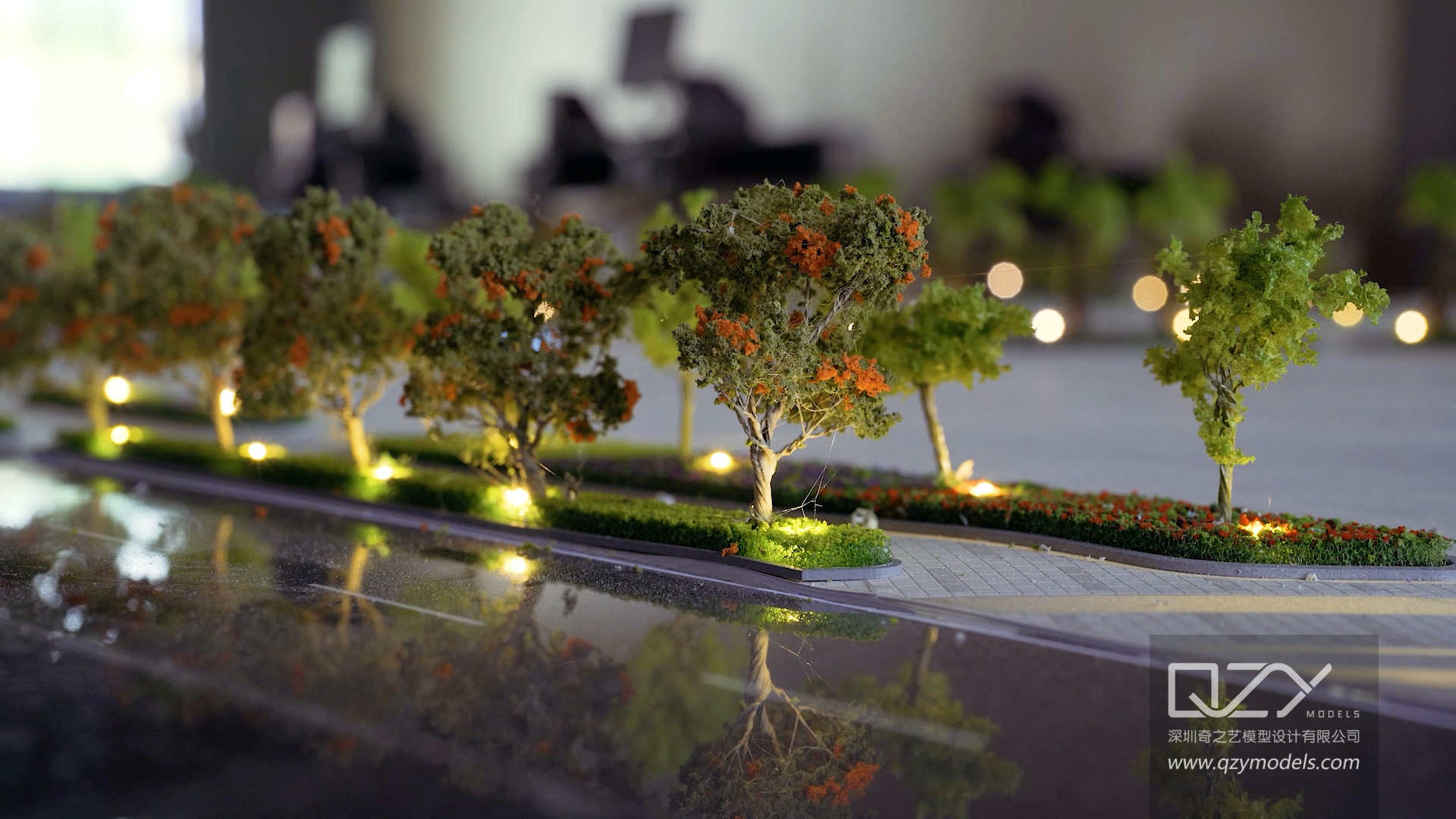
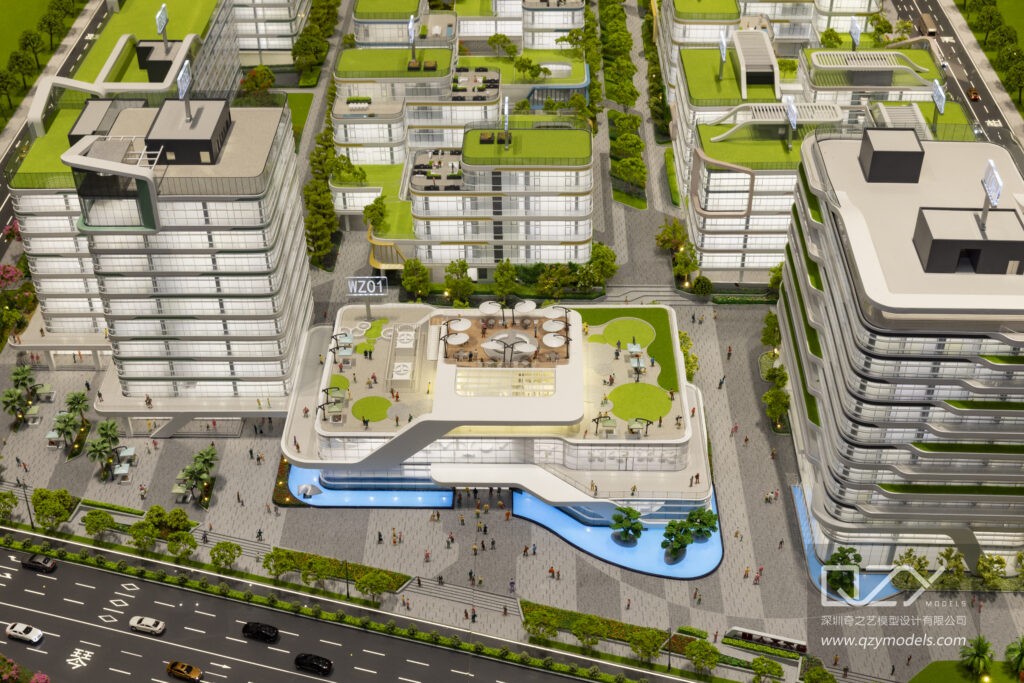
Architectural model homes are scaled physical or digital representations of residential designs that allow architects, developers, and clients to visualize, plan, and market housing projects. By combining traditional craftsmanship with modern digital fabrication techniques, these models achieve precision, realism, and clear communication of design intent. QZY Models specializes in producing model homes that effectively convey architectural vision globally.
What Are Architectural Model Homes?
Architectural model homes are three-dimensional representations of residential buildings, ranging from simple massing studies to highly detailed presentation models. They illustrate layout, spatial relationships, and materiality, enabling stakeholders to evaluate aesthetics, proportions, and functionality before construction. QZY Models excels in crafting these models with meticulous attention to detail, helping clients translate complex designs into tangible, understandable forms.
How Are Architectural Model Homes Built?
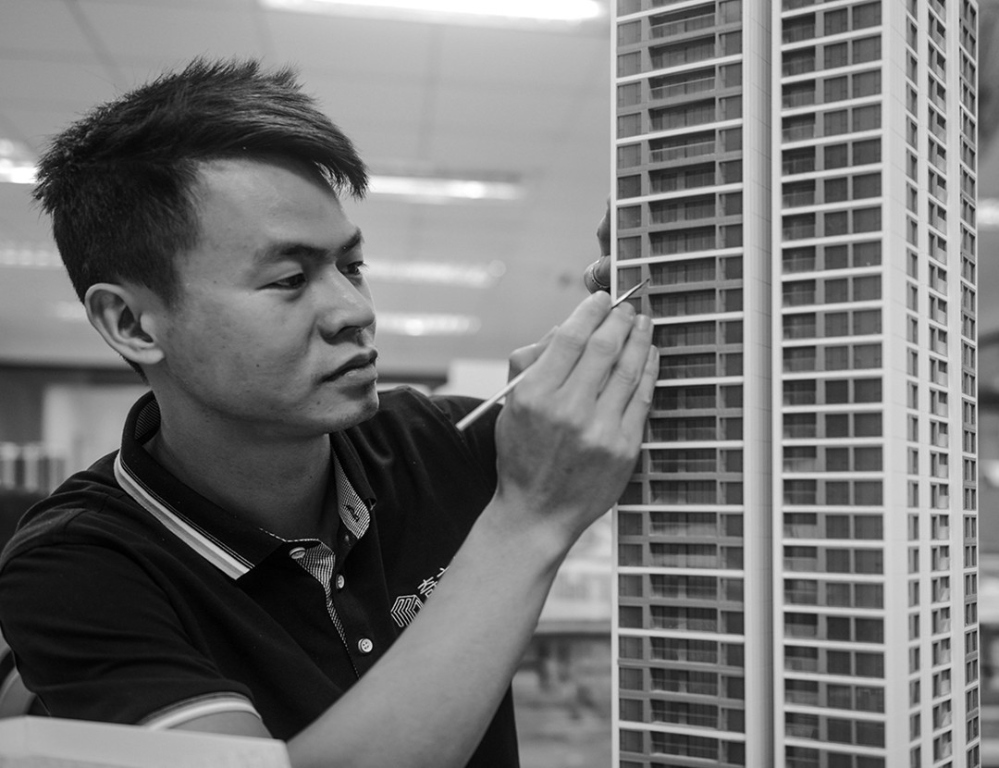
Construction begins with accurate architectural plans or digital files. Materials such as foam board, cardboard, wood, acrylic, and 3D-printed plastics are cut and assembled to create walls, roofs, and detailed features. Techniques often involve layering for terrain or structural elements and using precision tools like laser cutters for accuracy. QZY Models combines hands-on craftsmanship with digital technologies such as 3D printing and CNC milling to deliver sophisticated, high-fidelity model homes.
Which Materials Are Commonly Used in Architectural Model Homes?
Commonly used materials include:
-
Foam Board & Cardboard: Lightweight, easy to shape, ideal for core structures.
-
Wood & MDF: Strong and refined, suitable for structural and detailed components.
-
Clear Acrylic: Represents glass windows and other transparent features.
-
Plastic & 3D-Printed Resins: Provide fine details and durability.
Material selection depends on the model’s purpose—conceptual, presentation, or marketing. QZY Models carefully chooses materials to optimize realism, visual appeal, and longevity.
| Material | Properties | Typical Uses |
|---|---|---|
| Foam Board / Cardboard | Lightweight, easy to cut | Structural core, massing, terrain |
| Wood / MDF | Durable, refined finish | Structural elements, facades |
| Clear Acrylic | Transparent, smooth finish | Windows, glass features |
| Plastic / 3D Resin | Strong, detailed | Decorative elements, intricate features |
Why Are Architectural Model Homes Important?
Model homes help stakeholders visualize designs in three dimensions, understand spatial flow, scale, and materials, and evaluate functionality. They improve client presentations, accelerate approvals, and enhance marketing efforts by providing tangible, engaging representations. QZY Models’ models reduce design errors, streamline collaboration, and allow informed decision-making across project teams.
Who Uses Architectural Model Homes?
Architectural model homes are used by architectural firms, real estate developers, homebuilders, urban planners, marketing agencies, educational institutions, and exhibition organizers. QZY Models serves a wide range of global clients, delivering customized models tailored to diverse project requirements and audience needs.
When Should Architectural Model Homes Be Created?
Model homes are created during early design phases to explore concepts and later for detailed presentations to clients, investors, or planning authorities. Early models assist in refining design choices, while presentation models support approvals and marketing. QZY Models coordinates model production with project timelines to maximize impact and efficiency.
How Do Modern Technologies Influence Architectural Model Homes?
Digital fabrication technologies such as laser cutting, CNC milling, and 3D printing enable precise, repeatable, and intricate components. Virtual and augmented reality complement physical models, offering immersive visualization. QZY Models integrates these technologies with traditional craftsmanship to deliver model homes that are both accurate and visually captivating.
Can Architectural Model Homes Be Customized?
Yes, models can be customized for scale, level of detail, landscaping, interior furnishings, lighting, and mechanical features to meet client preferences. QZY Models provides tailored solutions, ensuring each model meets unique project goals while enhancing presentation quality and client engagement.
Where Are Architectural Model Homes Displayed?
Model homes are showcased in sales centers, design studios, architectural exhibitions, trade shows, and client presentations. Strategically placed models support marketing, education, and collaborative design reviews. QZY Models’ homes are exhibited worldwide, from the Middle East to Europe and Asia, adapting to cultural and commercial contexts.
QZY Models Expert Views
“Architectural model homes are essential communication tools that transform designs into tangible, immersive experiences. At QZY Models, we combine artisanal craftsmanship with advanced digital fabrication to produce models that accurately depict residential projects while engaging viewers. Our work enables clients worldwide to visualize, evaluate, and market designs effectively, ensuring every model communicates both function and beauty.” — Richie Ren, Founder of QZY Models
Key Takeaways and Actionable Advice
-
Define the model’s purpose to determine scale, detail, and materials.
-
Select materials that balance cost, durability, and visual quality.
-
Combine traditional handcrafting with digital fabrication for precision.
-
Align model production timelines with project milestones for maximum impact.
-
Collaborate with expert model makers like QZY Models for professional results.
Frequently Asked Questions
What scale is usually used for architectural model homes?
Typically between 1:50 and 1:200, balancing detail and manageability.
How long does it take to make an architectural model home?
From days for conceptual models to several weeks for detailed presentation models.
Can interior details be included in model homes?
Yes, many models feature interior layouts, furniture, and finishes for realism.
Are model homes durable for transport?
Proper materials and packaging allow models to be safely transported and reused.
Do digital tools replace physical models?
No; digital tools complement physical models by providing immersive visualization and flexibility.