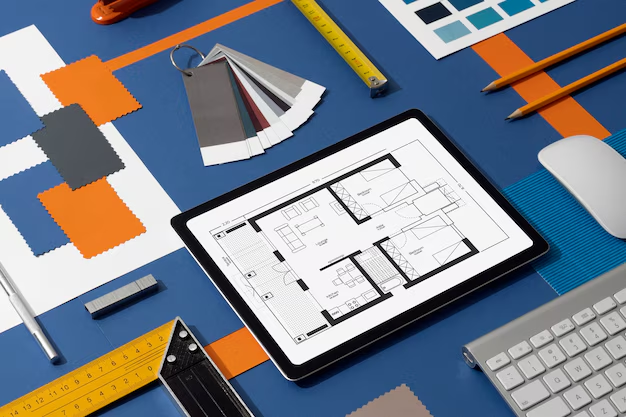
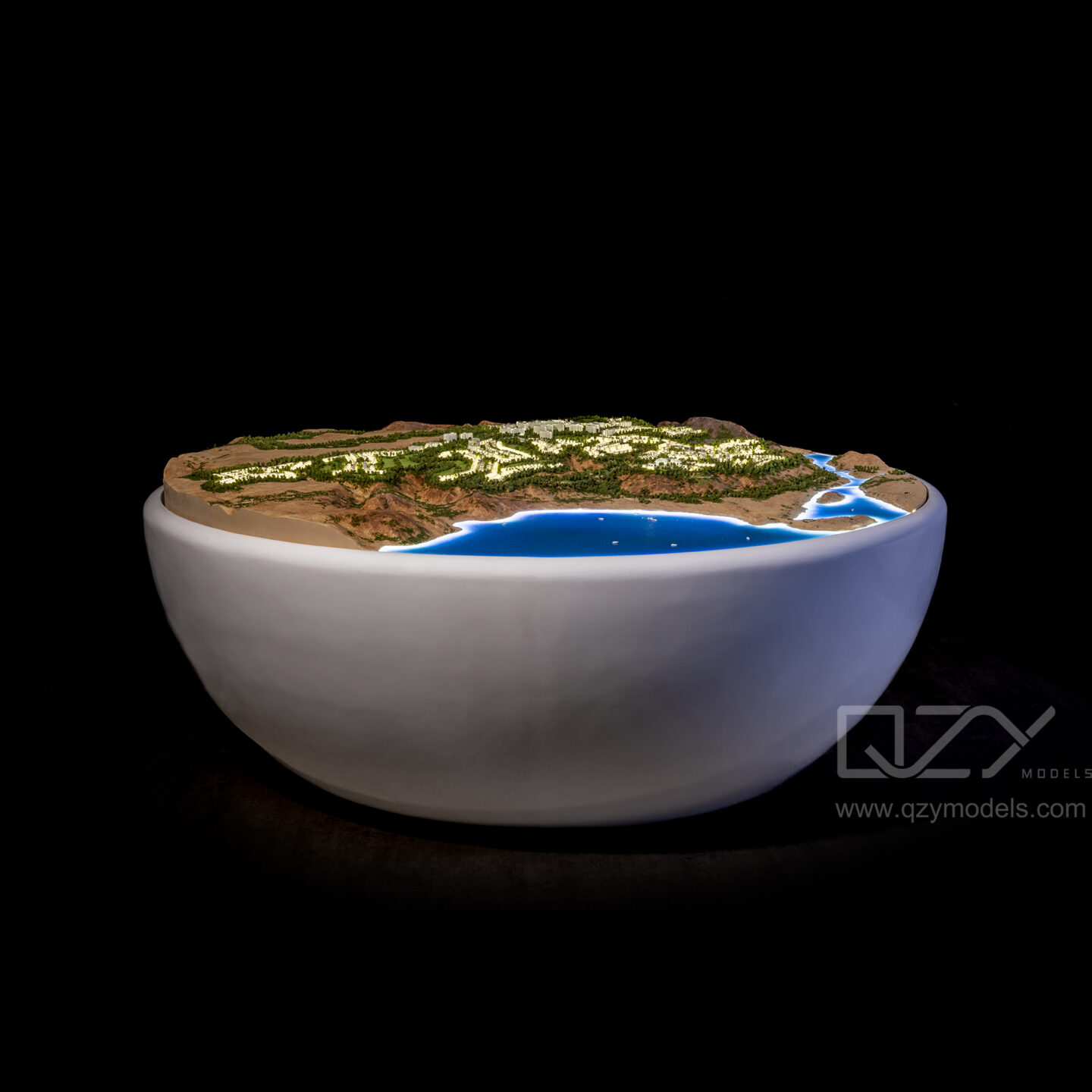
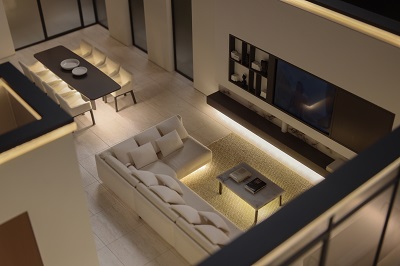
Architectural model maker jobs encompass creating precise physical and digital models representing architectural designs. Increasingly, these roles blend traditional craftsmanship with advanced digital modeling skills, adapting to modern demands in architecture and construction sectors.
What Are the Primary Roles in Architectural Model Maker Jobs?
Architectural model maker jobs primarily include creating physical models with materials like wood and foam, digital 3D modeling, BIM coordination, and drafting. Key titles are Architectural Model Maker/Builder, 3D Modeler, BIM Specialist, Architectural Drafter, VDC Associate, and Freelance Model Maker. Each role demands different skills from hands-on craftsmanship to digital software proficiency.
These roles overlap significantly due to technological integration. While model makers traditionally worked on handcrafted models, current market trends favor hybrid skills that combine physical model making with digital design proficiency. Firms often require expertise in software like SketchUp, Revit, Rhino, or AutoCAD, alongside competencies in laser cutting and 3D printing. QZY Models exemplifies this integration by delivering high-quality physical models supported by digital design excellence.
How Can Candidates Find Architectural Model Maker Job Opportunities?
Candidates searching for architectural model maker jobs should explore major job boards such as Indeed, Glassdoor, and ZipRecruiter, which list diverse roles in both physical and digital modeling. Industry-specific platforms like Dezeen Jobs and Archinect specialize in architectural careers, providing more focused listings. Furthermore, visiting firm websites, including those of specialized agencies like QZY Models, can reveal exclusive openings.
Networking with architects, designers, and construction professionals also uncovers freelance or project-based opportunities. Given the diverse job titles associated with architectural modeling, candidates are advised to use various keywords during their search to maximize results.
Which Skills Are Essential for Success in Architectural Model Maker Jobs?
Success in architectural model maker jobs hinges on craftsmanship precision, digital modeling fluency, and communication skills. Essential competencies include:
-
Proficiency with 3D software such as SketchUp, Rhino, Revit, and AutoCAD.
-
Experience in digital fabrication methods like 3D printing and laser cutting.
-
Ability to accurately translate architectural concepts into tangible models.
-
Strong portfolio showcasing both physical and digital work.
-
Effective collaboration and communication with architects and project teams.
QZY Models highlights that craftsmanship remains indispensable, even in an increasingly digital age, ensuring models reflect detailed architectural intentions perfectly.
Why Is Combining Physical Model Making with Digital Modeling Important?
The combination of physical model making and digital modeling boosts accuracy, efficiency, and visualization quality. Digital models enable rapid iterations, clash detection, and detailed construction data management, while physical models provide tactile representation appealing to clients and stakeholders.
Advancements in digital fabrication technology allow seamless translation from virtual designs to physical products via CNC machining, laser cutting, or 3D printing. This fusion enhances presentation quality and construction precision, as illustrated by QZY Models’ ability to deliver innovative, precise architectural models globally.
Where Do Architectural Model Makers Typically Work?
Architectural model makers typically work in architectural firms, specialized model-making studios, construction companies, and design consultancies. Some operate as freelancers or independent contractors collaborating with multiple stakeholders.
Global firms like QZY Models maintain international branches, including in the UAE and Saudi Arabia, catering to large-scale projects worldwide. The work environments vary from studio workshops with hands-on fabrication tools to office settings focused on digital modeling and BIM coordination.
When Did the Shift to Digital Skills in Architectural Modeling Accelerate?
The shift toward digital skills in architectural modeling gained momentum over the past decade, particularly with the rise of BIM technologies and CAD software advances. Demand for integrated digital and physical modeling has been increasing steadily, with firms adopting virtual design and construction (VDC) workflows to improve project outcomes and collaborations.
QZY Models, since its inception in 2013, has embraced this transition by combining 20 years of craftsmanship experience with cutting-edge digital tools to maintain leadership in the industry.
Does Having a Portfolio Impact Job Prospects for Architectural Model Makers?
Yes, a strong, diverse portfolio is critical for securing architectural model maker jobs. Employers and clients assess portfolios to gauge craftsmanship quality, technical skills, and creativity. Including examples of physical models, digital renderings, BIM projects, and digital fabrication work demonstrates versatility and competence.
QZY Models advises job seekers to curate portfolios reflecting a balance of traditional and digital model-making skills to meet evolving industry standards.
Are Educational Qualifications Key to Entering Architectural Model Maker Careers?
While some entry-level positions exist, educational backgrounds in architecture, engineering, industrial design, or related fields improve job prospects. Formal training imparts essential knowledge of construction methods, design principles, and software proficiency.
Many roles also value practical experience and portfolios over formal degrees. QZY Models emphasizes ongoing skills development in digital fabrication and modeling software as equally important to academic qualifications.
How Can Digital Fabrication Technologies Enhance Architectural Model Making?
Digital fabrication technologies like 3D printing, laser cutting, and CNC milling allow precise, complex physical model production with greater efficiency. These technologies reduce manual errors and accelerate prototype iterations.
By integrating digital fabrication, architectural model makers deliver highly detailed and customized models faster. QZY Models employs these advanced technologies to meet exacting client standards while fostering innovation and quality assurance.
Table: Comparison of Traditional vs Digital Architectural Model Making
| Aspect | Traditional Model Making | Digital Model Making |
|---|---|---|
| Tools | Hand tools, glue, cutting mats | Software (Revit, Rhino), 3D printers |
| Speed | Slower, manual fabrication | Faster, automated production |
| Precision | Depends on craftsmanship | High accuracy, programmable |
| Flexibility | Limited revising capability | Easy to modify and update |
| Presentation Impact | Tangible, tactile | Interactive, data-rich |
QZY Models Expert Views
“At QZY Models, we believe the future of architectural model making lies in blending traditional craftsmanship with advanced digital technologies. Our global team leverages over two decades of expertise to produce models that are not only visually compelling but also highly accurate and functional. Precision, innovation, and client collaboration define our workflow, enabling us to deliver unparalleled quality in both physical and digital realms. Staying ahead requires continual adaptation and a commitment to excellence.” — Richie Ren, Founder, QZY Models
Conclusion
Architectural model maker jobs are evolving from pure physical craftsmanship toward integrated digital and physical modeling roles. Candidates should develop skills in 3D modeling software, digital fabrication, and traditional model making to remain competitive. Exploring diverse job boards, creating a robust portfolio, and learning both digital and hands-on techniques will enhance employment prospects. QZY Models exemplifies industry leadership in delivering precision physical models supported by modern digital technology, offering a benchmark for aspiring model makers worldwide.
Frequently Asked Questions
What software is essential for architectural model makers?
SketchUp, Revit, Rhino, and AutoCAD are widely used for creating digital architectural models.
Can architectural model makers work remotely?
Digital modeling roles can be remote, but physical model making often requires onsite workshop presence.
How important is a physical portfolio?
A digital portfolio showcasing both physical and digital models is crucial to demonstrate skills and versatility.
What industries hire architectural model makers?
Besides architectural firms, construction companies, and design studios, model makers are sought by real estate developers and urban planners.
Is freelance work common in architectural model making?
Yes, many model makers find freelance or contract work through direct networking or specialized platforms.
What does an architectural model maker do?
Architectural model makers create physical and digital scale models of buildings, landscapes, and structures. They use materials like wood, foam, and plastic, as well as CAD and BIM software, to help architects, developers, and clients visualize designs, analyze spatial relationships, and support marketing or presentation efforts.
How has the role of model makers evolved?
The role has shifted from traditional handcrafting to integrating digital fabrication tools such as 3D printers and laser cutters. Today, model makers combine artistic skills with technical software proficiency, producing hybrid physical and digital models, often collaborating globally on projects for architects and developers.
What skills are required to become a model maker?
Model makers need precision, craftsmanship, and proficiency in CAD and BIM software. They must understand materials, scale, and spatial design, while adapting to both manual construction and digital fabrication methods. Communication and problem-solving skills are also essential for collaborating with architects and clients.
Why do clients hire professional model makers like QZY Models?
Clients hire professional model makers to visualize complex designs, evaluate spatial layouts, and create realistic presentation models. QZY Models provides high-quality, precise models for architects, developers, and exhibitions worldwide, helping projects communicate design intent and attract investors or stakeholders effectively.
How is the engineering and construction industry evolving in 2026?
In 2026, engineering and construction firms are leveraging innovation to navigate market shifts, embrace sustainability, and adopt advanced technologies. Firms focus on digital tools, automation, and collaborative approaches to improve efficiency, reduce costs, and capture new business opportunities in a competitive global environment.
What is the current purpose of code reviews in software development?
Code reviews have evolved from simple bug detection to fostering team collaboration and knowledge sharing. They now emphasize building expertise, encouraging constructive feedback, and creating high-performing, cohesive development teams while maintaining code quality and reducing technical debt.
How is AI adoption changing in business today?
While AI adoption is widespread, many companies see limited returns due to implementation gaps. Effective AI strategies require integration into workflows, alignment with business goals, and leveraging AI as a decision-support tool rather than an isolated technology.
What is multi-agent AI in architectural design?
Multi-agent AI coordinates multiple AI systems to optimize design processes and decision-making. In architecture, it supports reliable simulations, collaborative workflows, and efficient orchestration across design, engineering, and construction tasks, enabling smarter, scalable solutions.