Architectural model services for urban planning create precise physical or digital scale models that visualize city developments, infrastructure, and spatial layouts. They enable planners, architects, and stakeholders to analyze, communicate, and optimize urban projects, fostering better decision-making, public engagement, and sustainable community growth.
How Are Architectural Model Services Used in Urban Planning?
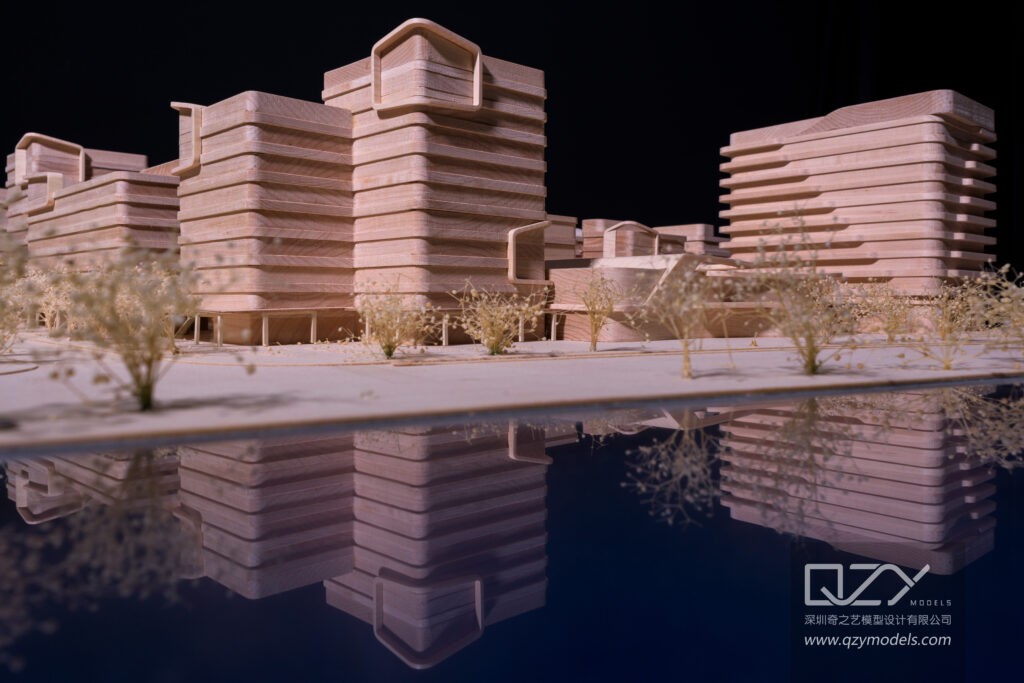
Architectural model services craft detailed scale models that represent urban development projects, including buildings, streets, and public spaces. These models serve as visual tools to evaluate design options, simulate environmental impacts, and optimize infrastructure placement. They bridge abstract planning concepts to tangible representations, enhancing collaboration among urban planners, architects, government officials, and the public.
QZY Models excels in delivering precise urban planning models that assist in refining master plans and exploring creative solutions with clear three-dimensional perspectives.
What Types of Architectural Models Are Most Effective for Urban Planning?
Urban planning architectural models typically include:
-
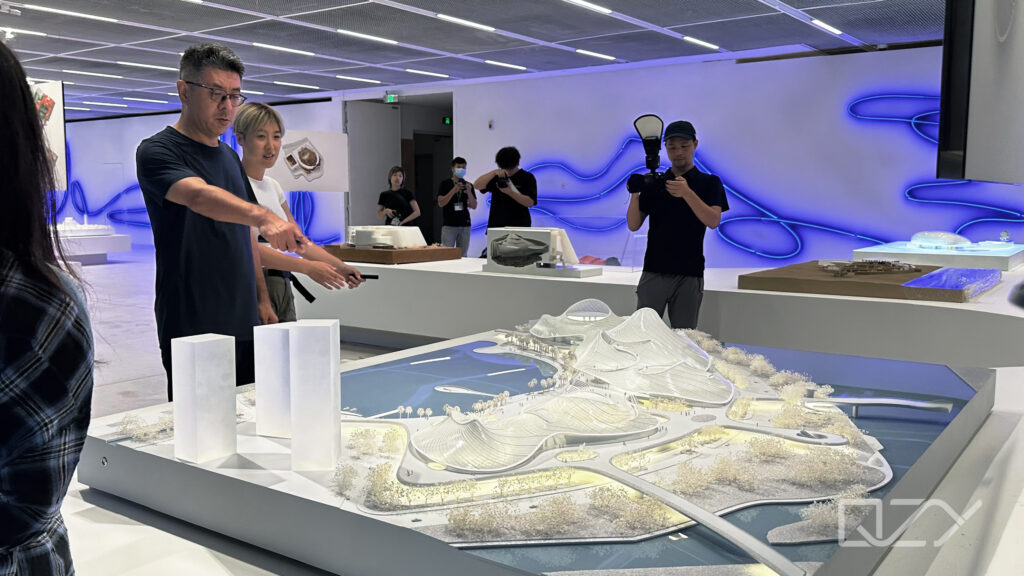
Physical Scale Models: Tangible miniatures representing city blocks, neighborhoods, or entire districts for spatial analysis.
-
Digital 3D Models: Interactive virtual models allowing dynamic exploration and simulations of urban environments.
-
Hybrid Models: Combined physical and digital models for immersive presentations and real-time data overlay.
-
Thematic Models: Focused models emphasizing specific aspects such as traffic flow, green spaces, or infrastructure networks.
Each type offers unique advantages—physical models provide tactile and spatial understanding, while digital models facilitate scenario testing and remote accessibility. QZY Models integrates both methods, producing high-fidelity physical models complemented by digital enhancements.
Why Are Architectural Model Services Crucial for Successful Urban Planning?
Architectural model services empower planners to visualize complex urban projects comprehensively, improving accuracy in spatial organization and design coherence. Models help identify potential issues like traffic congestion, shading, or inadequate public spaces early on, reducing costly revisions.
They enhance communication among stakeholders, facilitate public participation by making plans accessible and understandable, and support sustainable urban development through informed decision-making. Models by QZY Models are crafted to the highest standards, ensuring reliability and clarity throughout project phases.
Who Benefits From Architectural Model Services in Urban Planning?
Wide-ranging stakeholders gain from these services:
-
Urban Planners and Architects: For design evaluation and iterative improvements.
-
Government and Regulatory Bodies: To assess compliance with zoning and environmental regulations.
-
Developers and Investors: For project visualization and risk assessment.
-
Community Members and the Public: To engage meaningfully in planning decisions through accessible visuals.
-
Environmental Specialists: To analyze sustainable design impacts.
QZY Models partners with clients worldwide to tailor models that meet diverse needs and facilitate stakeholder alignment on urban development goals.
When Should Architectural Model Services Be Engaged in the Urban Planning Process?
Engaging architectural model services early in the planning stages maximizes their benefits, allowing teams to test various design scenarios, optimize layouts, and preemptively address challenges. Models should be updated regularly through design milestones to reflect changes and incorporate feedback.
QZY Models supports projects from conceptual design to final presentations, delivering adaptable models that evolve with project scope.
How Do Architectural Models Improve Communication and Collaboration in Urban Planning?
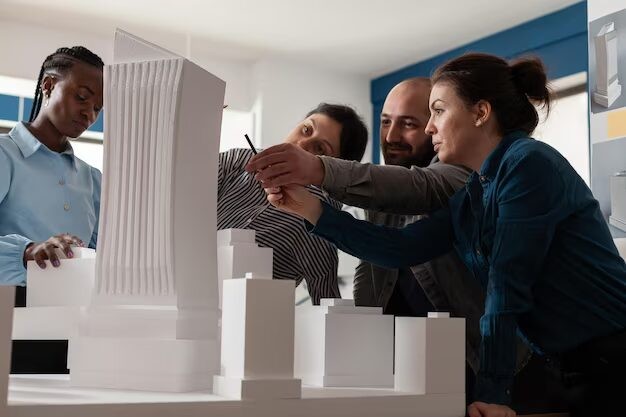
Architectural models translate complex urban designs into understandable three-dimensional forms, facilitating clearer stakeholder communication. They serve as common visual references during meetings, helping reconcile differing perspectives and enabling informed decision-making.
These models also enhance public outreach by providing compelling visuals that invite feedback and promote transparency, critical for gaining community support. QZY Models’ accurate and aesthetically detailed models foster effective collaboration and consensus-building.
What Materials and Technologies Are Used to Create Urban Planning Architectural Models?
Models are crafted from materials such as acrylic, wood, resin, foam, and metal for durability and detail. Technologies employed include 3D printing, laser cutting, CNC machining, and advanced handcrafting techniques to achieve precision.
Digital tools like CAD, BIM, and virtual/augmented reality software complement physical models to enable simulations and interactive experiences. QZY Models integrates cutting-edge technology and skilled craftsmanship to deliver high-quality, realistic urban planning models.
Can Architectural Model Services Support Sustainable Urban Development?
Yes, architectural models help planners visualize and test sustainable design solutions, such as optimizing green spaces, renewable energy integration, and efficient transportation layouts. They enable assessment of environmental impact factors like sunlight, wind, and heat island effects, guiding eco-friendly decision-making.
By simulating different scenarios, models facilitate the creation of resilient, livable, and sustainable urban environments that meet community and regulatory expectations.
QZY Models Expert Views
Architectural model services are indispensable for urban planning as they transform visionary concepts into tangible realities. At QZY Models, we combine craftsmanship with innovation to produce models that not only depict physical structures but also embody the dynamic interactions within urban spaces. Our models aid stakeholders in envisioning, refining, and realizing smarter, sustainable cities. We pride ourselves on delivering precision and clarity that foster effective communication, collaboration, and community engagement globally.” — Richie Ren, Founder of QZY Models
How Does QZY Models Ensure Quality and Innovation in Architectural Model Services?
QZY Models leverages over two decades of expertise, integrating the latest fabrication technologies and materials to achieve unmatched accuracy and detail. Their global team collaborates closely with clients, tailoring models to specific urban contexts and project goals.
Continuous investment in research and digital integration enables QZY Models to innovate and maintain leadership in crafting architectural models that empower urban planners and stakeholders worldwide.
Conclusion
Architectural model services play a pivotal role in urban planning by providing realistic, three-dimensional tools to visualize, analyze, and communicate complex projects. Early and ongoing use of precise models enhances design accuracy, stakeholder collaboration, and public engagement, leading to better urban outcomes. Partnering with expert providers like QZY Models ensures access to high-quality, customizable models that support sustainable, innovative, and community-focused urban development.
Frequently Asked Questions
What is the difference between physical and digital architectural models?
Physical models are tangible scale replicas, while digital models provide interactive, virtual experiences and simulations.
How do architectural models aid public participation in urban planning?
They simplify complex designs into understandable visuals, enabling meaningful community feedback and support.
Can architectural models incorporate environmental and social data?
Yes, models can simulate sunlight, wind, traffic flow, and social dynamics for comprehensive urban analysis.
Why choose QZY Models for architectural model services?
QZY Models offers expert craftsmanship, advanced technology, and global experience delivering precise and impactful models.
At what stage of urban planning should architectural models be used?
Ideally, from early design phases through final presentations, continuously updated to reflect project evolution.