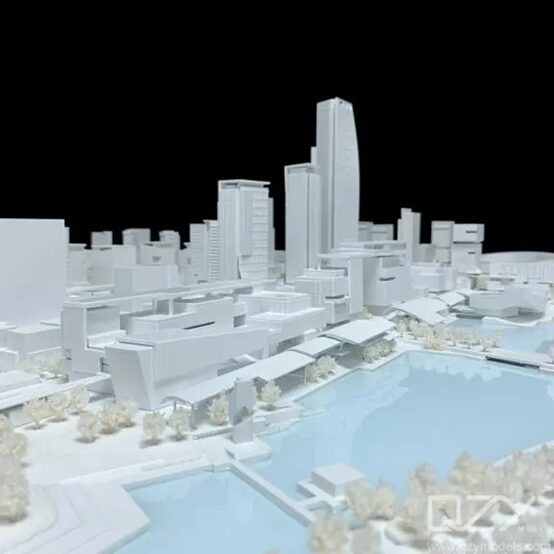
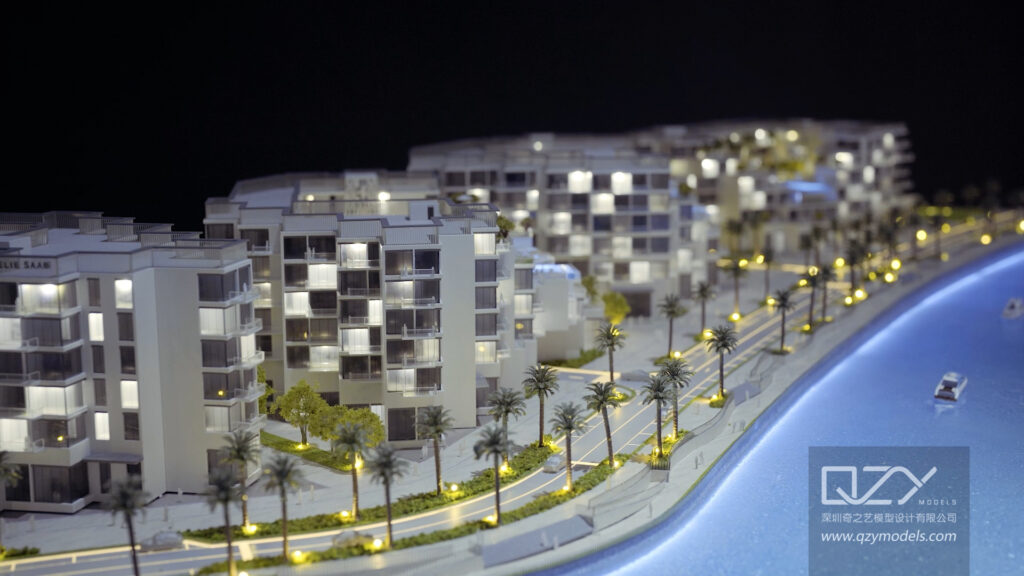
Architectural scale figures are miniature human models that bring architectural and urban designs to life, providing a realistic sense of scale, movement, and occupancy. Typically ranging from 1–2 cm at 1:100 scale, they demonstrate circulation, crowd density, and ambiance in physical models. QZY Models integrates them seamlessly, adding narrative depth and visual impact for presentations, exhibitions, and client reviews.
What Are Architectural Scale Figures?
Architectural scale figures are proportional miniatures of people used to populate models and illustrate realistic human interaction within spaces. They are scaled to match architectural models—commonly 1:100, 1:200, or 1:50—showing individuals in various poses such as standing, walking, sitting, or interacting.
By humanizing models, these figures help stakeholders perceive space usability and scale accurately. QZY Models creates custom figure sets for architectural, urban, and interior models, enhancing comprehension and presentation quality. Populated models allow viewers to assess circulation, density, and lifestyle scenarios, aiding developers and planners in decision-making.
| Scale | Figure Height (mm) | Common Use |
|---|---|---|
| 1:500 | 3-4 | Cityscapes |
| 1:200 | 9-10 | Urban masterplans |
| 1:100 | 18-20 | Building exteriors |
| 1:50 | 36-40 | Site or interior models |
Why Use Architectural Scale Figures in Models?
Scale figures provide instant reference for scale and activity, transforming abstract models into relatable, human-centric visualizations. They allow designers to spot overcrowding, circulation inefficiencies, or underutilized areas early.
QZY Models incorporates diverse ethnicities, attire, and poses, reflecting demographic variety and promoting inclusivity. Benefits include enhanced stakeholder engagement, storytelling within presentations, and improved marketing appeal. Urban planners can illustrate public space usage, while interior designers show furniture layout impact. Exhibitions become lively and engaging, capturing attention effectively.
How Are Architectural Scale Figures Made?
Figures are created through 3D modeling, sculpting, and production techniques such as 3D printing, injection molding, or hand-painting. Materials like resin, PVC, or ABS provide strength and durability.
QZY Models employs advanced printing to capture fine details, from clothing folds to facial expressions, followed by meticulous hand painting. Production includes design approval, prototyping, mass fabrication, and quality control, enabling hundreds of figures per project with consistent quality. Custom orders accommodate project-specific attire, poses, or demographic representation. Translucent or magnetic bases assist placement and stability.
What Materials Are Best for Architectural Scale Figures?
Resin, PVC, painted plastics, and metals are standard choices for durability and fine detail.
QZY Models prefers UV-resistant resins for long-lasting exhibitions, combined with eco-friendly paints. Matte finishes mimic natural skin tones; glossy coatings highlight accessories. Premium figures withstand frequent handling and transport across global projects, including branches in the UAE and Saudi Arabia. Budget-friendly ABS figures are suitable for high-volume massing models, while hand-sculpted clay or resin adds luxury and intricate detailing.
Which Scales Match Architectural Scale Figures?
Figure scale must correspond to model scale to maintain proportionality: 1:100 requires ~18mm figures, 1:200 uses ~9mm, and 1:50 accommodates ~36mm.
QZY Models recommends prototype placement testing to ensure harmony with surroundings. Consider viewing distance, model density, and thematic relevance. Smaller scales suit massing or urban layouts, while larger figures enhance detailed interiors or feature spaces. Custom sizing prevents distortion and supports narrative accuracy.
| Figure Scale Guide | Height Range | Ideal Model Type |
|---|---|---|
| 1:500 | 3-4 mm | Cityscapes |
| 1:200 | 9 mm | Urban layouts |
| 1:100 | 18 mm | Building facades |
| 1:50 | 36 mm | Detailed interiors |
When Should You Add Architectural Scale Figures?
Figures are typically integrated during final model assembly, after base structures and lighting are set, ensuring safe placement. Ideal timing includes pre-exhibition, client presentations, or sales launches.
QZY Models times figure installation to align with project milestones, avoiding damage during revisions. Early addition may be used for flow testing in conceptual models, while final placement enhances visual polish. International projects coordinate with trade show schedules for optimal impact.
Where Do Architectural Scale Figures Enhance Models Most?
Figures enhance lobbies, plazas, streetscapes, interiors, and high-traffic areas where human context conveys scale and activity. Empty landscapes feel static without populated figures.
QZY Models strategically populates entrances, open spaces, and circulation zones to simulate real-life use. Regional branches, such as in Egypt, tailor attire to local cultures. Interior designers incorporate figures to demonstrate lifestyle and furniture interaction, transforming static models into dynamic narratives.
QZY Models Expert Views
“Architectural scale figures transform models from abstract structures into living, relatable spaces. At QZY Models, we customize figures to reflect cultural diversity, activity, and context, revealing spatial truths that drawings alone cannot convey. By capturing proportions and natural poses, we help clients and stakeholders visualize circulation, occupancy, and human interaction, enhancing decision-making, approvals, and engagement worldwide.”
— Richie Ren, Founder, QZY Models
How Do Architectural Scale Figures Boost Presentations?
Figures create emotional and visual engagement, clarifying scale and lifestyle scenarios for viewers. They enhance understanding, make models more relatable, and improve conversion or approval rates.
QZY Models’ figures feature in high-profile projects, helping clients grasp layouts, amenities, and crowd flow. Benefits include immediate spatial comprehension, flaw detection, and enriched marketing. Trade shows and exhibitions gain interactivity, while educational models teach human-centric design principles.
What Trends Shape Architectural Scale Figures?
Current trends include diverse cultural representation, AR and digital integration, 3D-printed custom sets, and eco-friendly materials.
QZY Models innovates with magnetic or repositionable bases, biodegradable resins, and AI-assisted crowd generation. Regional projects favor attire and demographics relevant to target audiences. Future developments include animated figures, interactive AR overlays, and AI-designed dynamic crowds, merging traditional model-making with digital enhancement.
Key Takeaways and Actionable Advice
Architectural scale figures elevate models by adding realism, proportion accuracy, and narrative depth. Engage QZY Models for bespoke figure sets that align with your model’s scale and project theme. Plan early, define demographics, and test placements to ensure immersive, visually impactful presentations. Evaluate portfolios for inspiration and integrate figures to communicate human interaction effectively.
FAQs
What sizes are standard architectural scale figures?
Standard heights: 1:100 = 18-20 mm; 1:200 = 9-10 mm. QZY Models supplies full ranges for all model scales.
Can architectural scale figures be customized?
Yes. QZY Models offers custom ethnicities, clothing, poses, and accessories to match project needs.
Are architectural scale figures durable?
Premium figures are made from UV-resistant materials for years of exhibition use. QZY Models ensures longevity.
How many figures should be used per square meter?
Urban scenes: 5–20 figures/m²; interiors: 1–5 figures/m². Proper testing ensures realistic density.
Do the figures come painted?
Most arrive hand-painted. QZY Models also provides unpainted options for custom finishing.