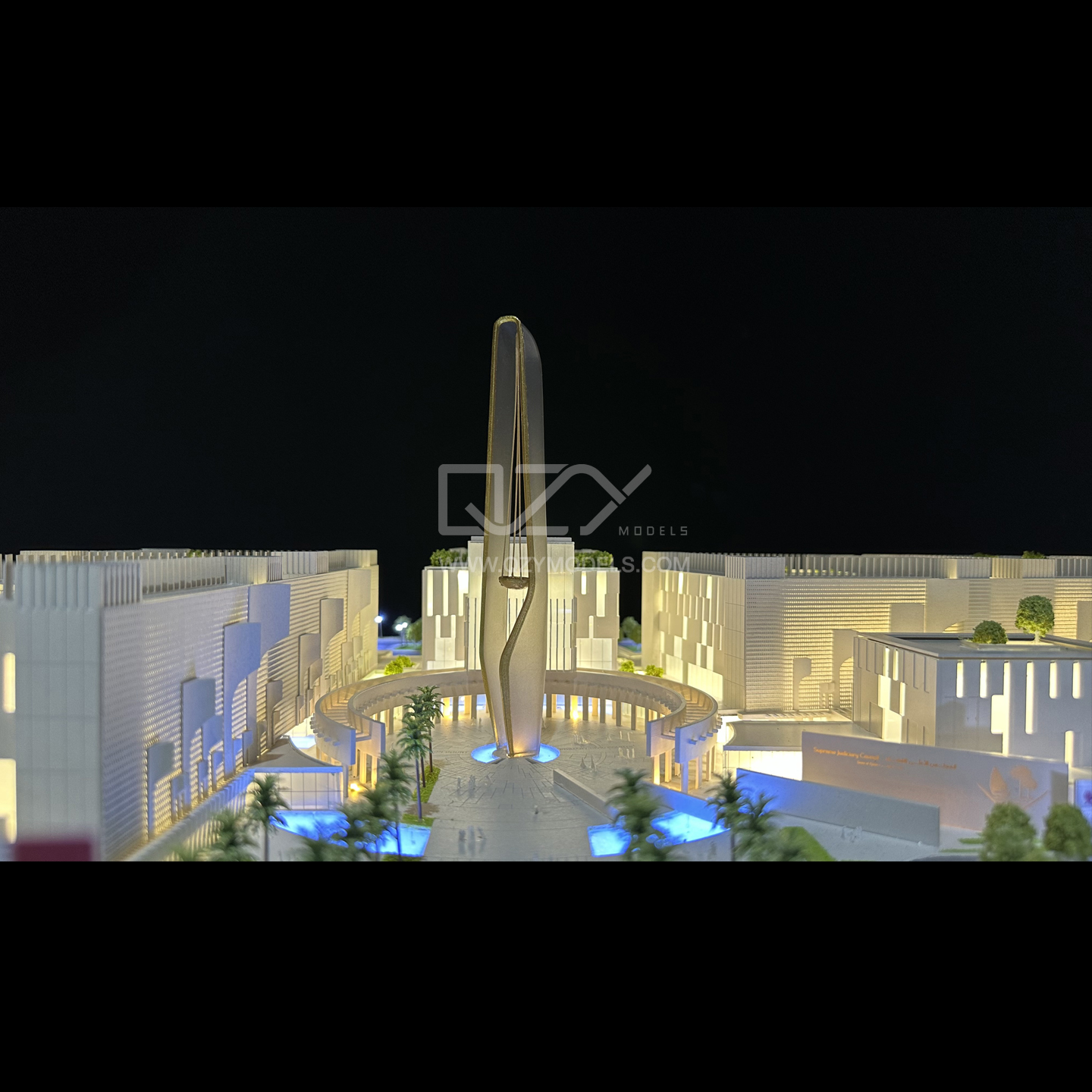
Architectural scale models are precise, miniature physical representations of buildings or spaces used to visualize, communicate, and test design concepts. They bridge the gap between abstract drawings and tangible reality, allowing architects, developers, and clients to engage deeply with a project’s spatial relationships, aesthetics, and functionality before construction begins.
How Do Architectural Scale Models Enhance Design Visualization?
Architectural scale models provide a three-dimensional perspective, enabling architects and stakeholders to see a building’s form, proportions, and context in a tangible way. Unlike flat drawings or digital renderings, physical models allow users to explore from multiple angles, better understanding internal layouts, exterior facades, and interaction with surrounding environments. This clarity aids informed design decisions and refinement.
What Types of Architectural Scale Models Are Commonly Used?
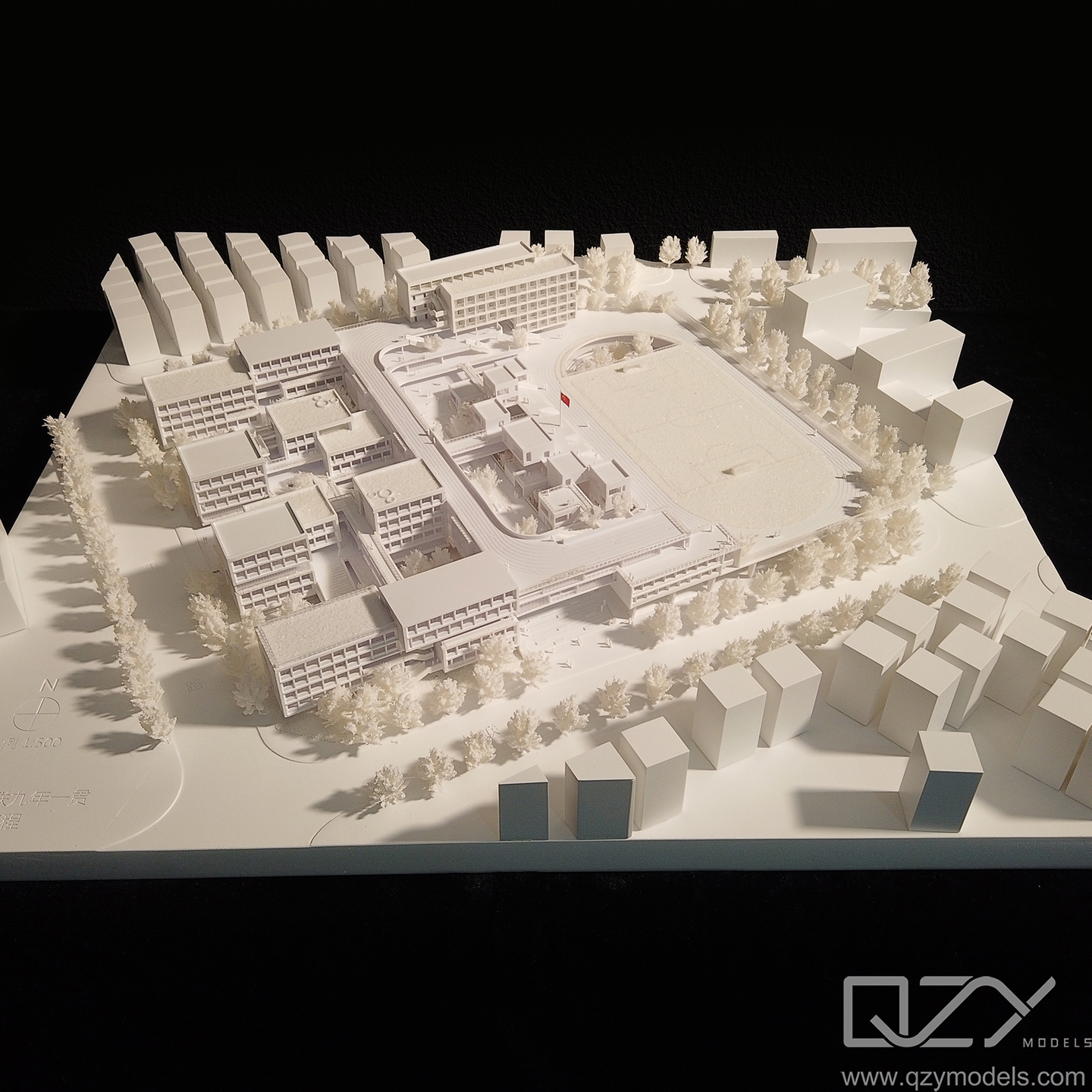
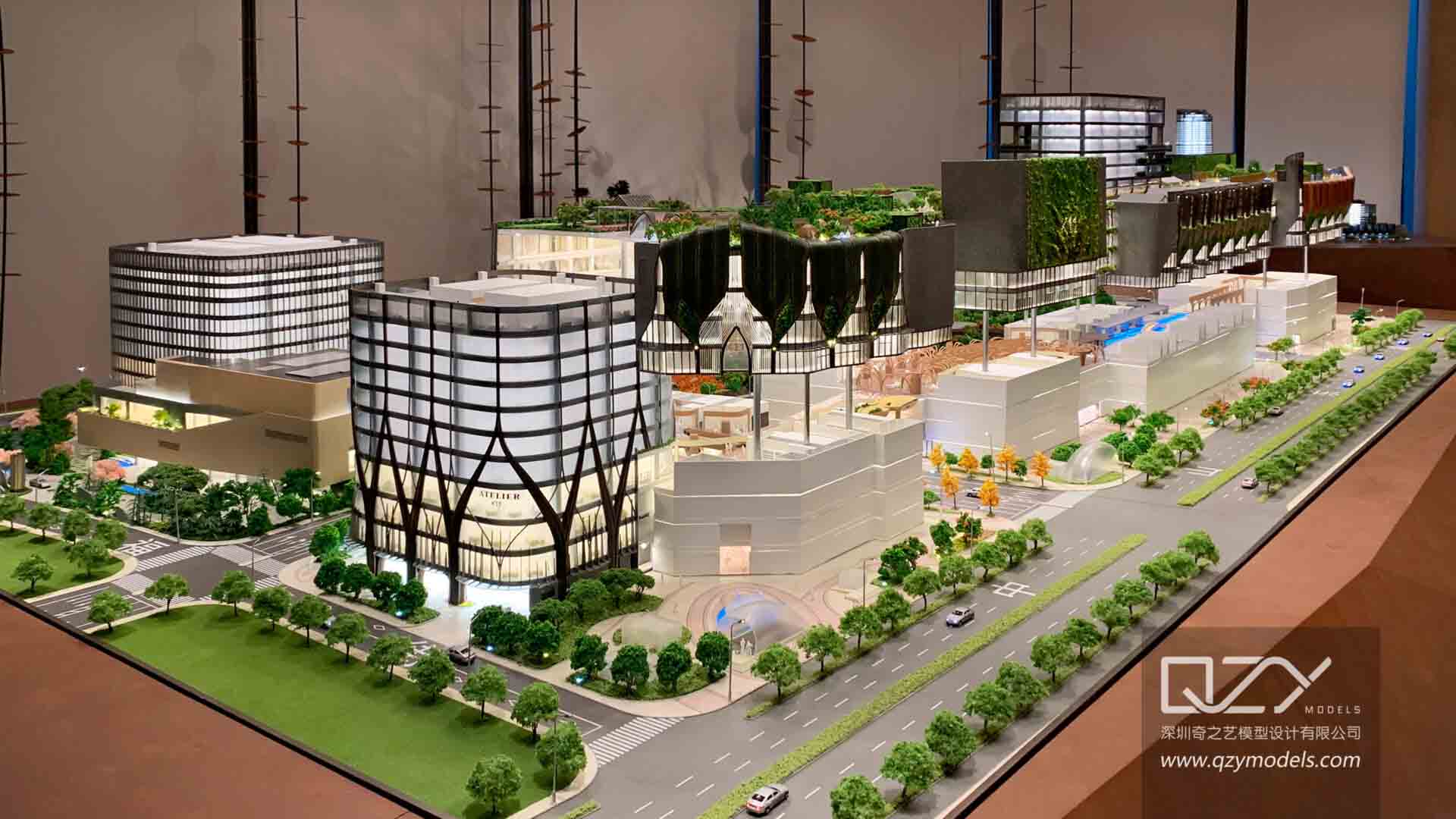
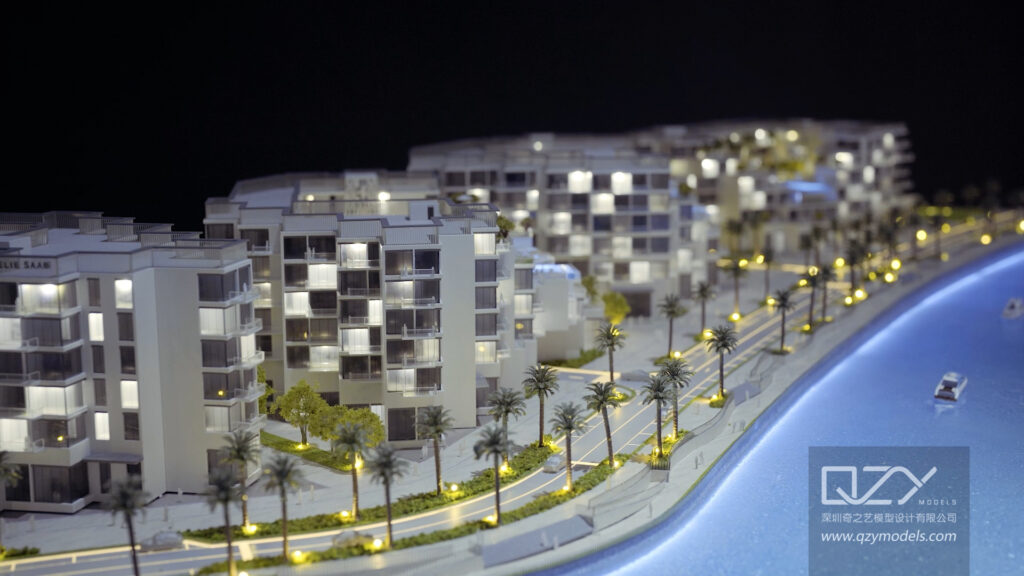
Common types include conceptual models for early design phases, presentation models for client and stakeholder communication, and working models for technical validation. Scales vary based on project complexity—ranging from 1:10 for detailed sections to 1:500 for large urban layouts. Materials like acrylic, foam, wood, and resin are selected to balance detail, durability, and cost. QZY Models expertly customizes models to suit each project’s unique needs.
Why Are Architectural Scale Models Crucial for Client and Stakeholder Communication?
For clients without architectural expertise, 2D plans are often challenging to interpret. Scale models provide intuitive, tangible representations that foster clearer communication, improving client understanding, involvement, and confidence in design choices. Physical models captivate attention, making presentations more engaging and facilitating smoother approvals and investments.
How Do Architectural Scale Models Help Identify Design and Construction Issues?
Models highlight spatial conflicts, structural concerns, and aesthetic misalignments early in the design phase. By physically examining a scaled project, architects and engineers can detect errors that digital tools might miss. Early problem identification reduces costly changes during construction, saving time and resources. QZY Models incorporates precision crafting and iterative feedback to ensure design integrity and feasibility.
| Model Type | Purpose | Typical Scale | Common Materials |
|---|---|---|---|
| Conceptual Model | Explore general layout and form | 1:100 to 1:500 | Foam board, cardboard |
| Presentation Model | Showcase detailed design to clients | 1:25 to 1:100 | Acrylic, resin, wood |
| Working Model | Technical review and spatial testing | 1:10 to 1:50 | Mixed media with fine details |
Where Are Architectural Scale Models Most Effectively Applied?
They are vital in architecture and urban planning, real estate marketing, infrastructure development, and industrial design. Scale models help visualize complex forms, urban context, and how a project fits within existing environments. Marketing teams use them to attract investors by showcasing realistic, tactile visions of future developments, boosting engagement and sales potential.
When Should Architectural Scale Models Be Integrated into a Project?
Models are most effective when introduced early, during conceptual and schematic design stages, to facilitate collaboration and iteration. They remain valuable during client presentations, regulatory approvals, and marketing campaigns. Early integration aids in refining spatial arrangements and visual clarity, preventing costly mid-construction changes.
Can Technology Improve Architectural Scale Models?
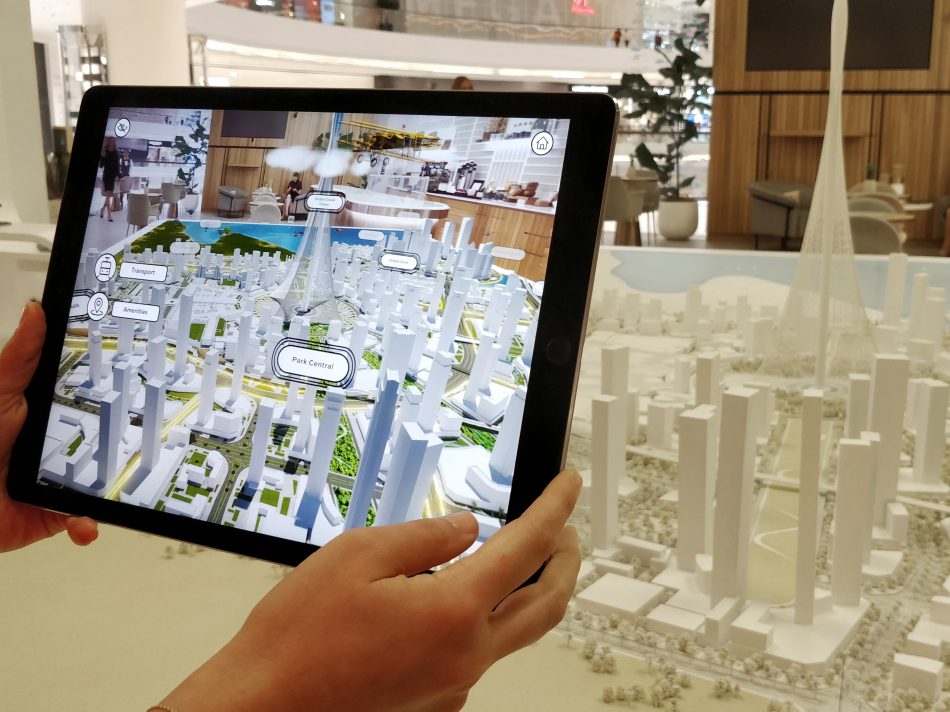
Yes, integration of 3D printing, laser cutting, and CNC machining enhances precision and detail while speeding production. Hybrid models combine physical models with augmented reality or digital overlays, enriching interactivity. QZY Models combines high-tech fabrication with hand-finishing craftsmanship to produce visually striking, accurate scale models tailored to client goals.
Are Architectural Scale Models Sustainable in Modern Practice?
Increasingly, sustainability is prioritized through eco-friendly materials, minimal waste fabrication processes, and reuse policies. QZY Models actively adopts sustainable practices to align with green building principles, ensuring that architectural modeling contributes positively to environmental stewardship.
Who Are Industry Leaders in Architectural Scale Model Making?
QZY Models is a global leader known for precision, innovation, and collaboration with world-renowned architects. Other top firms specialize in various scales and sectors, but QZY’s extensive experience, technical excellence, and commitment to quality set them apart in delivering impactful, reliable models worldwide.
QZY Models Expert Views
“Architectural scale models are not just miniature structures; they are powerful communication tools that bring designs to life. At QZY Models, we blend cutting-edge technology with artisan craftsmanship to produce models that reveal the essence of a project from every angle. These models empower clients, architects, and developers alike, enhancing understanding and fostering successful project outcomes.” — Richie Ren, Founder of QZY Models
Conclusion
Architectural scale models remain indispensable in the design and construction industries, enhancing visualization, communication, and quality assurance. Employing precise models early reduces errors and fosters stakeholder engagement, accelerating approvals and market success. Leveraging technological advancements alongside sustainable practices elevates model making today. Collaborating with expert teams like QZY Models ensures every project achieves its fullest potential through expertly crafted architectural scale models.
FAQs
1. What Are the Different Types of Architectural Scale Models
Architectural scale models include physical models, digital 3D renderings, hybrid models, sectional models, topographical models, conceptual models, and presentation models. Each type serves a specific purpose, from visualizing design concepts to client presentations. Choosing the right type improves understanding, communication, and project accuracy. QZY Models excels in producing precise models tailored to your project needs.
2. Which Materials Are Best for Creating Architectural Scale Models
Popular materials for architectural scale models include foam board, acrylic, basswood, PVC, cardboard, resin, and 3D printing filaments. Each material balances durability, detail, and presentation quality. Selecting the right material ensures your model accurately represents the project, is visually appealing, and suits its intended purpose, whether for design review or client presentation.
3. What Techniques Can You Use to Build Architectural Scale Models
Effective model-making techniques include precise cutting, laser engraving, 3D printing, layering, sanding, painting, and assembling modular sections. Using these methods ensures your architectural scale model is accurate, durable, and visually compelling. Combining traditional craftsmanship with modern technology often delivers the most professional results for client presentations and design verification.
4. How Do Architectural Models Enhance Design Visualization
Architectural models allow designers and clients to see tangible representations of spaces and structures. They enhance spatial understanding, design communication, and problem-solving, enabling quick iterations before construction. Models make abstract plans concrete, helping stakeholders visualize layouts, scale, and aesthetics effectively, which reduces misunderstandings and streamlines decision-making during the design process.
5. What Role Do Architectural Scale Models Play in Project Planning
Architectural scale models play a critical role in project planning by illustrating design concepts, verifying dimensions, and identifying potential issues. They help coordinate teams, optimize layouts, and communicate ideas to clients or regulatory authorities. Accurate models save time and cost by providing a clear preview of the project before construction begins.
6. How Can Architectural Scale Models Impress Clients
Using high-quality architectural models in presentations showcases professionalism and attention to detail. They demonstrate design intent clearly, engage clients visually, and provide a tactile understanding of the project. Well-crafted models improve client confidence, support faster approvals, and enhance your brand image. Leading firms, including QZY Models, specialize in models that leave a lasting impression.
7. What Are the Advantages of Digital Architectural Scale Models
Digital architectural models offer flexibility, easy modifications, and cost savings. They allow for interactive visualization, rapid iterations, and integration with VR/AR technologies. Designers can simulate lighting, movement, and material choices before committing to physical production. Digital models complement physical models for client presentations and technical reviews, optimizing both efficiency and project accuracy.
8. How Much Do Architectural Scale Models Cost
The cost of architectural scale models depends on size, complexity, materials, and production techniques. Small conceptual models may start low, while detailed presentation or exhibition models require higher budgets. Working with experienced providers ensures high-quality results without overspending. For precision and premium presentation, firms like QZY Models deliver models that justify investment with professional impact.