Architectural site models are precise scaled 3D representations of a building and its surrounding land. They help architects and planners visualize spatial relationships, plan effectively, and communicate design intent. These models are crucial throughout the design and approval phases to ensure projects harmonize with their environments.
What Is an Architectural Site Model?
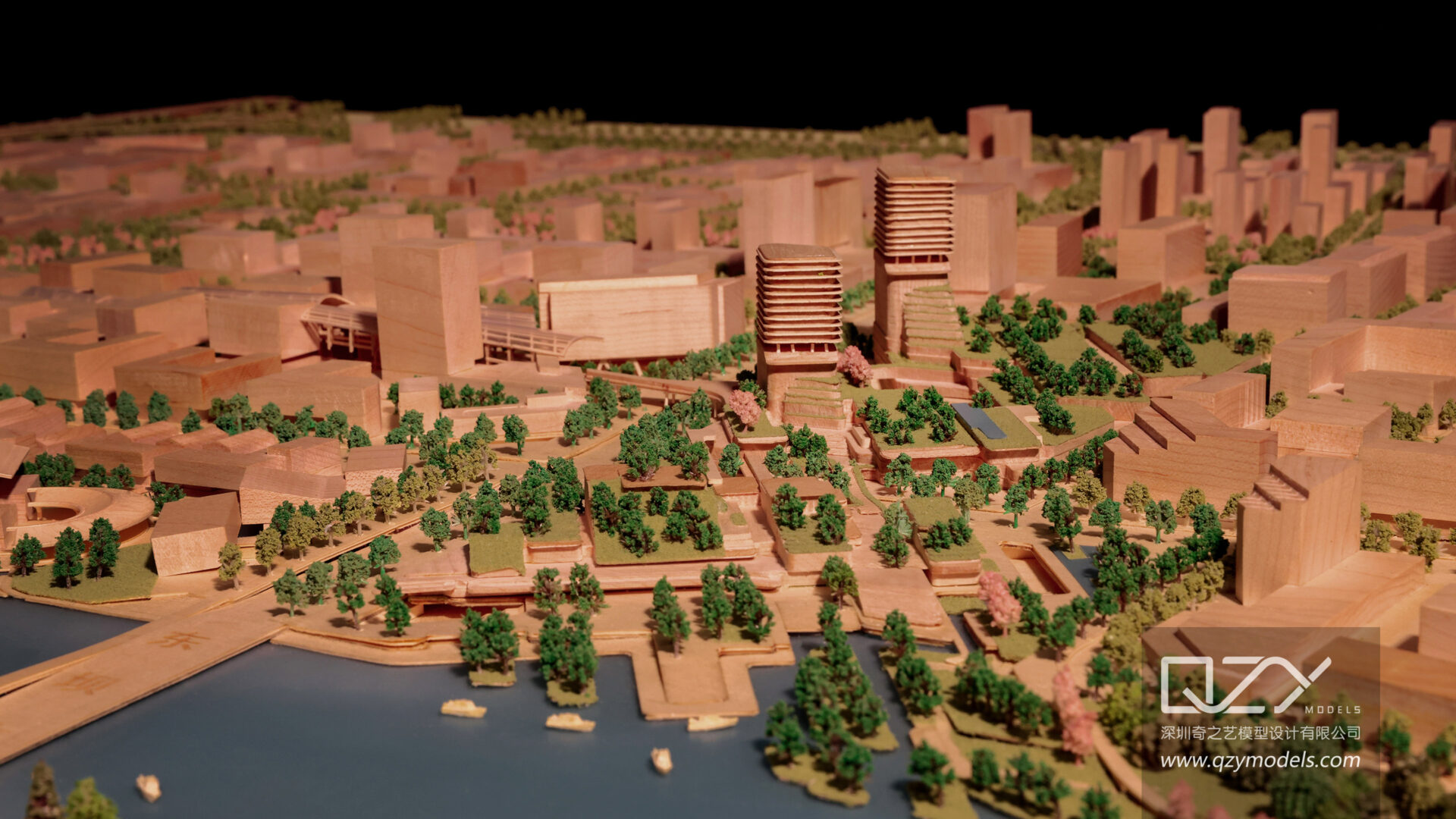
An architectural site model is a three-dimensional, scaled replica of a proposed building and the environment around it—including terrain, adjacent structures, and landscaping. It can be physical or digital, helping architects and designers analyze and visualize how a project fits its site context and impacts surroundings. QZY Models specializes in producing such detailed physical models with high accuracy and craftsmanship.
Site models focus on site-specific geography, displaying elevation changes, topography, and existing infrastructure. This helps reveal spatial relationships that two-dimensional plans cannot fully convey, aiding in decision-making and client presentations.
Why Are Architectural Site Models Important in Design and Planning?
Site models provide a tangible, visual tool that enhances representation of complex spatial arrangements and environmental conditions. They assist in contextual decision-making by showing how a building’s placement optimizes site advantages such as sunlight and natural views while integrating with terrain.
Models also improve communication among stakeholders, including clients, city planners, and investors, by illustrating design intent more clearly than 2D drawings. They support regulatory approvals by demonstrating compliance with zoning and urban planning, which is a critical step for project success.
How Do Different Types of Architectural Site Models Serve Various Project Phases?
-
Topographic Models focus on terrain contours and slopes, aiding early site analysis, drainage, and grading.
-
Conceptual or Massing Models use simple forms to explore initial building volumes and placement.
-
Working/Study Models add detail for design iteration and problem-solving.
-
Presentation Models deliver high-quality finishes with fine details to impress clients and markets.
-
Digital 3D Models enable simulations and integration with GIS data, facilitating complex analysis and virtual walkthroughs.
QZY Models expertly crafts all types of models, adapting the level of detail and materials to project needs—from foam conceptual models to sophisticated presentation pieces with intricate landscaping.
Where Are Architectural Site Models Commonly Used?
These models are vital in:
-
Architectural firms for design development and spatial analysis.
-
Urban planning agencies to visualize zoning and massing of multiple structures.
-
Real estate developers and investors during marketing and pitch presentations.
-
Municipal governments and city councils to evaluate project compliance and community impact.
-
Educational institutions teaching architectural and urban design principles.
By bridging early concepts to detailed presentations, site models support decision-making, public engagement, and successful project delivery.
How Does the Scale and Detail Impact Architectural Site Model Effectiveness?
Model scale typically ranges from 1:250 to 1:1000 for site representation. Choosing the right scale balances project detail with overall context visibility. Larger scales highlight terrain and neighboring elements, while smaller scales focus on building intricacies.
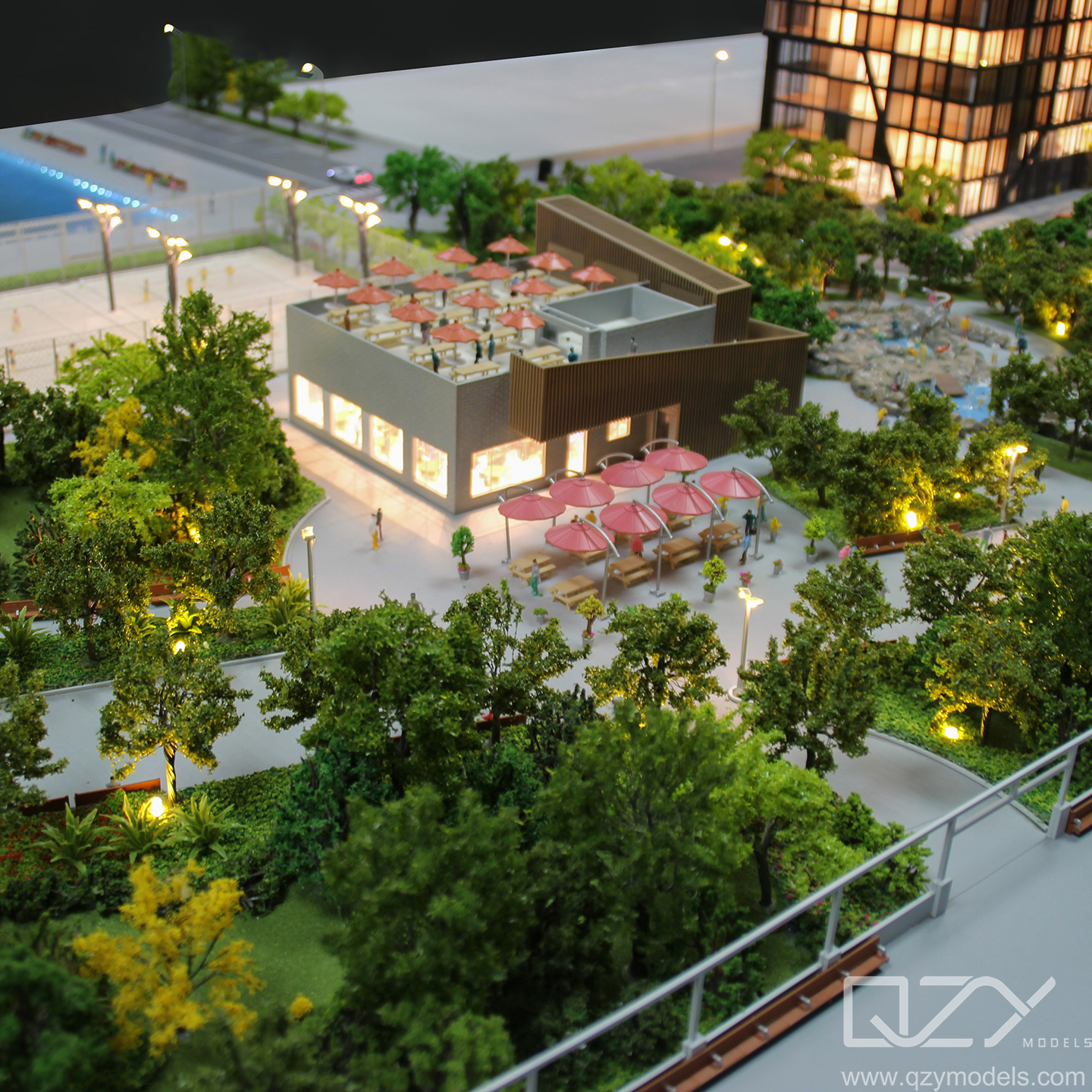
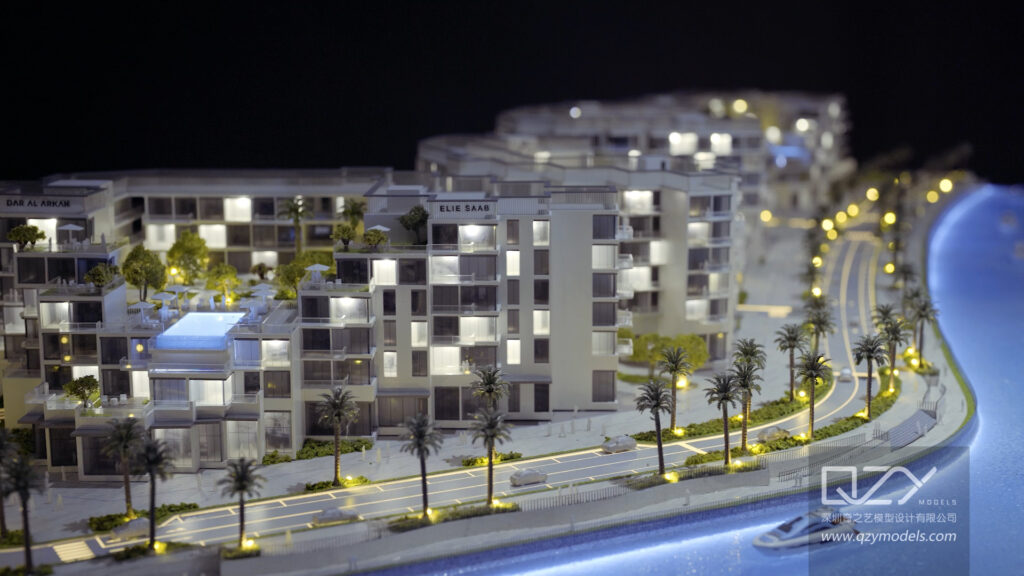
Detail level varies by purpose—topographic models emphasize accurate terrain contours, while presentation models feature realistic façade textures, landscaping, and miniature site features such as trees and vehicles. QZY Models uses advanced technologies to achieve precise scaling and realistic finishes, ensuring each model’s impact and clarity.
Typical scales and their uses:
| Scale | Common Use |
|---|---|
| 1:1000 | Urban planning, broad site context |
| 1:500 | Site-specific planning and massing |
| 1:250 | Detailed building context and landscaping |
What Are the Advantages of Using Digital Architectural Site Models?
Digital models created with software like Revit or AutoCAD allow for quick updates, complex data integration, and interactive exploration. GIS and topographic data integration provides precise terrain representation and accurate environmental context.
Digital models are excellent for simulations including sunlight, wind flow, and shadow studies. They facilitate remote collaboration and virtual reality presentations. Although lacking tactile experience, they complement physical models by offering flexibility and detailed analysis.
Which Materials and Techniques Are Best for Physical Site Models?
Materials depend on model type and budget. Conceptual models use foam board, cardboard, or paper for quick prototyping. Working models may incorporate plastics and precision-cut components. Presentation models use acrylic, wood veneers, metal, and 3D-printed elements for realism.
QZY Models excels in combining traditional craftsmanship with modern technology—laser cutting, CNC milling, and 3D printing—to deliver durable, visually stunning models tailored to clients’ exact specifications.
Are Architectural Site Models Only Relevant for New Projects?
No, site models also play key roles in renovations, restorations, and urban retrospectives. They help visualize changes in historic contexts, evaluate environmental impact or expansions, and communicate proposals to communities and stakeholders.
They assist in comprehensive site analyses, supporting sustainable planning by showing existing conditions and how new elements integrate with past structures.
When Should Architects Use Architectural Site Models in Their Workflow?
Architects should introduce site models early during site analysis to understand terrain and spatial relationships. As design progresses, models inform massing and detail exploration. Prior to client or regulatory presentations, refined presentation models communicate final design clearly.
Iterative use throughout design maximizes spatial understanding and project quality, minimizing costly revisions. Collaboration with experienced model makers like QZY Models early in the process enhances accuracy and project value.
QZY Models Expert Views
At QZY Models, we recognize that architectural site models are more than just visual aids—they are strategic tools that bridge the gap between concept and reality. Our approach combines decades of traditional craftsmanship with cutting-edge technology, allowing architects and planners to explore their designs in unprecedented clarity. We believe every model should inspire confidence and support informed decision-making throughout the project lifecycle.” — Richie Ren, Founder, QZY Models
What Are the Best Practices for Creating Effective Architectural Site Models?
Best practices include thorough topographical surveying, selecting the appropriate scale aligned with project scope, and integrating contextual information like roads, trees, and nearby buildings. Collaborating closely with architects during design phases ensures models reflect evolving concepts. Using high-quality materials and precise fabrication techniques enhances model durability and presentation impact. QZY Models commits to these standards, delivering superior results worldwide.
Conclusion
Architectural site models are indispensable for understanding, communicating, and refining building projects within their real-world environments. They enable contextual decision-making, support regulatory approval, and engage stakeholders effectively. By choosing appropriate model types, scales, and using expert fabrication services such as QZY Models, architects maximize the impact of their designs from concept to completion.
Frequently Asked Questions
What is the main purpose of an architectural site model?
It visualizes the proposed building in context, helping analyze spatial relationships, terrain, and environmental impact.
How detailed should a site model be?
Detail depends on project phase; initial models are simple massing forms, while presentation models are highly detailed to impress clients.
Can digital and physical models be used together?
Yes, digital models allow for interactive analysis and simulations, complementing physical models’ tactile and visual benefits.
Why is scale important in site models?
Scale balances showing context versus detail; larger scales cover broad site info, smaller scales focus on building specifics.
How does QZY Models ensure quality?
By integrating traditional craftsmanship with modern tech like CNC and 3D printing, QZY Models produces accurate, durable, and visually striking models.