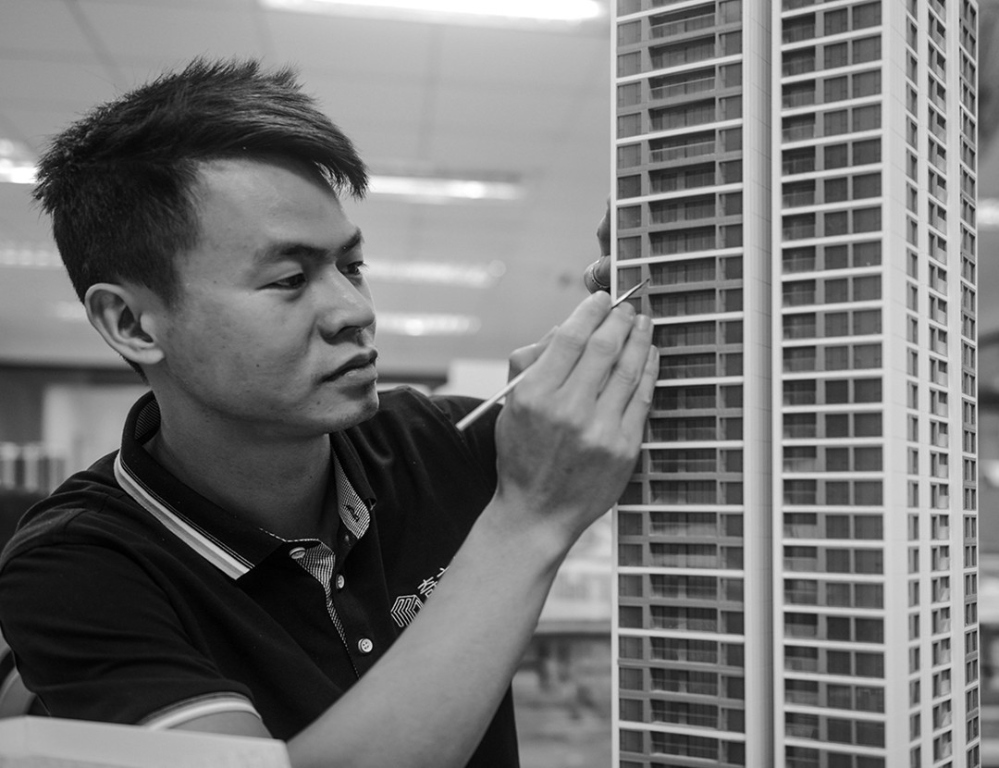
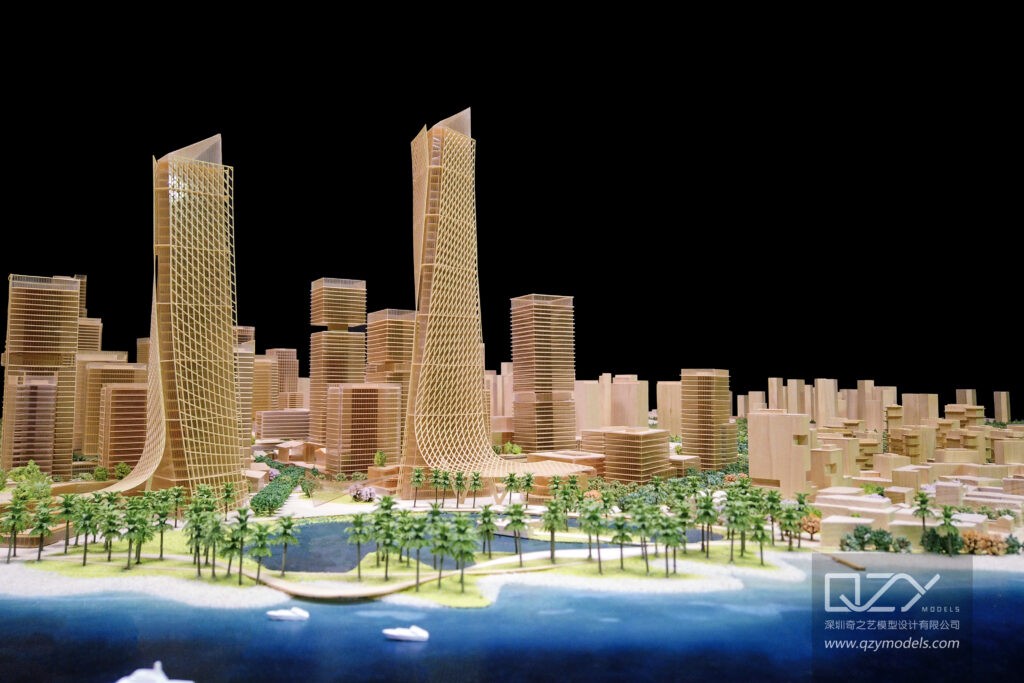
Architectural study models in Havana are scaled physical representations used by architects and planners to explore early-stage design ideas. They enable visualization of complex forms, spatial relationships, and urban context, supporting creativity and informed decision-making. QZY Models delivers high-quality, precise study models that help Havana’s design community experiment with concepts while respecting the city’s architectural heritage.
What Are Architectural Study Models and Why Are They Used?
Architectural study models are simplified physical tools that allow architects to test volumes, layouts, and spatial arrangements. They are used to evaluate proportions, light, circulation, and design intent before detailed development. In Havana, where architecture ranges from colonial to modernist styles, these models help designers navigate heritage constraints, urban density, and contextual relationships. QZY Models specializes in producing study models that balance fidelity with rapid iteration, enabling clear communication and design exploration.
How Are Architectural Study Models Made and What Materials Are Used?
Study models are constructed using lightweight, easy-to-manipulate materials such as foam board, cardboard, balsa wood, acrylic, and sometimes 3D-printed plastics. Techniques include cutting, layering, assembly, and laser cutting to form massing and volumetric representations. QZY Models combines traditional craftsmanship with digital tools like 3D printing and CNC milling to ensure precision, efficiency, and high-quality results. Material selection considers cost, model fidelity, and project phase, supporting both conceptual exploration and detailed analysis.
Which Types of Architectural Study Models Are Commonly Used?
Common study models include:
-
Massing models: Explore overall volume and spatial organization
-
Sectional models: Highlight interior layouts and circulation
-
Site context models: Integrate surroundings and topography
-
Conceptual form models: Examine design ideas and forms
In Havana, QZY Models often produces layered context models that reflect historic and modern architectural relationships, helping architects and planners evaluate proposals effectively.
Why Are Architectural Study Models Important in Havana’s Urban Planning?
Havana’s unique urban fabric demands sensitive planning that balances heritage preservation with modern needs. Study models provide planners, architects, and stakeholders with a tangible understanding of proposals, facilitating informed decision-making and communication. QZY Models’ research-based model making ensures accurate representations that support sustainable and culturally responsive development in Havana.
How Can QZY Models Assist With Architectural Study Models in Havana?
QZY Models offers full services including design consultation, iterative prototyping, and high-precision model fabrication. Their global experience allows Havana architects to access advanced technologies and expert craftsmanship, producing study models that streamline design iterations, reduce errors, and enhance stakeholder engagement. Customized solutions by QZY Models support creative experimentation and contextual accuracy.
When Should Architectural Study Models Be Created in the Design Process?
Study models are most effective during the early design phases. They complement digital tools by providing tactile insights, aiding spatial understanding, and supporting iterative exploration. Early production in Havana allows architects to address urban constraints, heritage considerations, and site context, minimizing costly revisions later. QZY Models recommends integrating model creation with design development for optimal efficiency.
Where Can Architects in Havana Find Professional Model Makers?
Architects in Havana can collaborate with local artisans or international experts. QZY Models offers a global network, combining craftsmanship with digital fabrication to deliver superior study models. Remote collaboration and timely delivery allow Havana’s designers to benefit from high-quality models for urban planning, academic research, and commercial projects.
Does Technology Enhance Architectural Study Model Making?
Yes. Technologies like 3D printing, laser cutting, and CNC milling enhance precision, speed, and detail in study models. QZY Models integrates these tools with handcrafting to produce accurate, high-quality models quickly, enabling fast iteration and refined design analysis for Havana projects.
Can Architectural Study Models Reflect Havana’s Architectural Heritage?
Study models can capture Havana’s diverse architectural styles, from colonial baroque to modernist buildings, supporting heritage-conscious design. QZY Models works with clients to incorporate textures, scale, and context, creating physical representations that bridge historic architecture with contemporary interventions, enhancing planning and presentation clarity.
QZY Models Expert Views
“Architectural study models transform abstract concepts into tangible forms, enabling designers to test ideas and understand space. At QZY Models, we leverage decades of expertise and advanced fabrication techniques to provide Havana architects with precise, insightful models. Our work facilitates informed decisions, effective communication, and heritage-sensitive urban development, ensuring that projects respect Havana’s rich architectural legacy while embracing modern innovation.”
Table: Common Materials and Tools for Architectural Study Models
| Material | Benefits | Typical Use | Cost |
|---|---|---|---|
| Foam Board | Lightweight, easy to cut | Massing and rough forms | Low |
| Cardboard | Affordable, versatile | Conceptual models | Low |
| Balsa Wood | Smooth finish, lightweight | Detailed elements | Moderate |
| Acrylic | Transparent, precise | Facades, structural parts | Moderate |
| 3D Printed Plastics | Complex shapes, detailed | Prototypes, sculptural | Higher |
Summary and Actionable Advice
Architectural study models in Havana are essential for early-stage design exploration, integrating the city’s rich architectural heritage with modern planning. Early production enhances decision-making, stakeholder engagement, and creative experimentation. Collaborating with QZY Models ensures precision, innovation, and contextual sensitivity, enabling Havana architects to develop informed, visually compelling, and culturally responsive projects.
Frequently Asked Questions
Q1: What scale are architectural study models usually made in?
Typical scales range from 1:100 to 1:500 depending on project size and detail.
Q2: How long does it take to create a study model?
Depending on complexity, production ranges from days to a few weeks.
Q3: Can study models be modified?
Yes, most are designed for iterative adjustments as the design evolves.
Q4: What differentiates a study model from a presentation model?
Study models are conceptual and rough; presentation models are detailed and polished for showcasing.
Q5: Does QZY Models ship internationally?
Yes, QZY Models delivers high-quality models worldwide, including Havana clients.