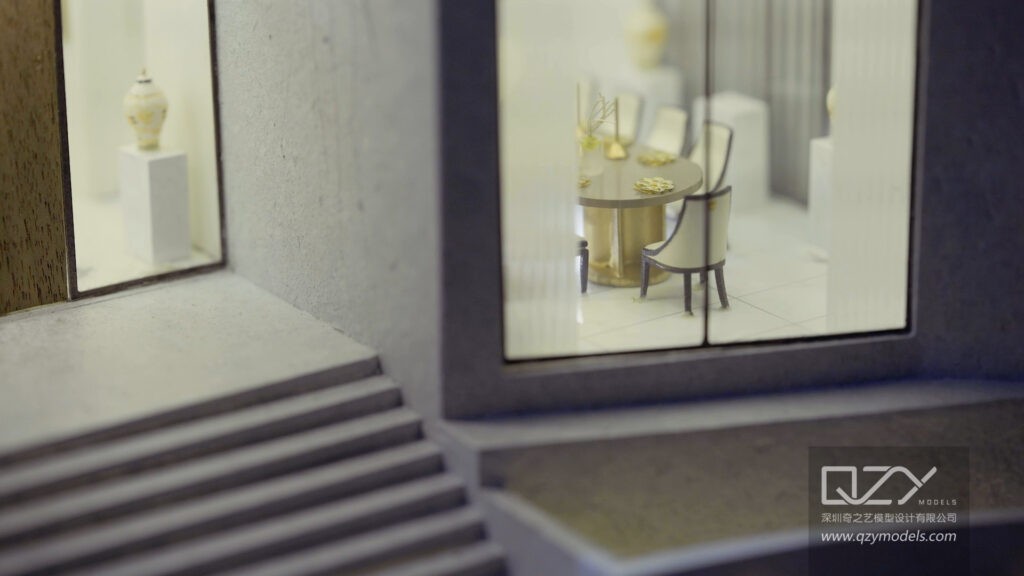
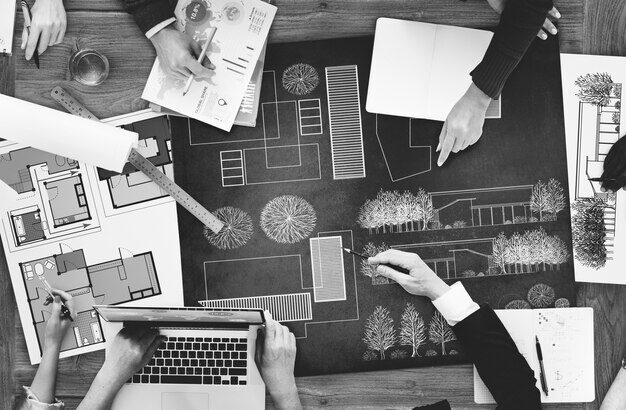
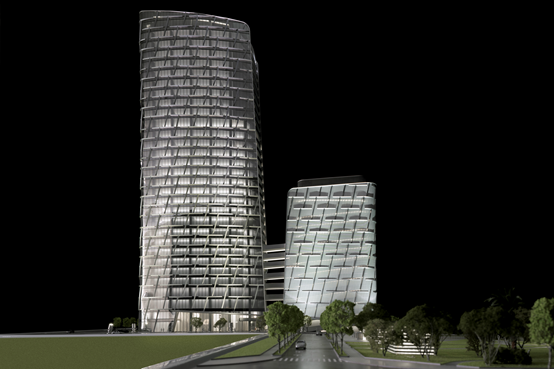
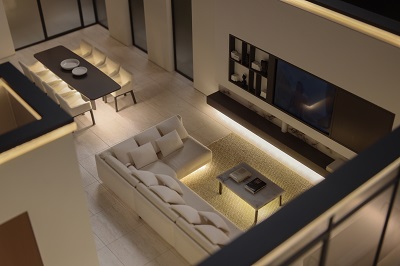
Architecture abstract models are artistic and conceptual physical or digital representations that focus on capturing the essence, form, and spatial relationships of a design rather than literal, detailed replication. These models communicate architectural ideas, evoke emotions, and support creative exploration through simplified or exaggerated features, making them vital tools in design, presentation, and education.
What are architecture abstract models?
Architecture abstract models prioritize artistic interpretation over precise scale and detail. Rather than serving as exact replicas, these models distill the core spatial concepts, proportions, and moods of a design into simplified or stylized forms. They often emphasize geometry, texture, and composition, allowing architects and designers to explore and communicate ideas beyond technical constraints.
How do abstract models differ from traditional architectural models?
Unlike traditional models that focus on realism and accurate details (windows, doors, landscaping), abstract models emphasize conceptual elements such as form, massing, and volume. They de-emphasize minutiae, instead highlighting spatial relationships, flows of light and shadow, or symbolic meanings, enabling a more flexible and experimental approach to architectural storytelling.
Which materials and techniques are commonly used to create abstract architecture models?
Abstract models use a wide range of materials including foam, cardboard, wood, acrylic, 3D printed plastics, and even unconventional items like fabric or metal mesh. Techniques vary from hand-cutting and sculpting to digital fabrication like laser cutting and CNC milling. The choice depends on desired texture, form complexity, and the conceptual focus of the model.
Why are abstract architectural models important in design and communication?
Abstract models foster creative experimentation, allowing architects to quickly test spatial ideas and compositions without being limited by detailed construction constraints. They also serve as powerful communication tools, engaging clients or stakeholders by conveying the mood, scale, and essence of a project in an evocative, understandable way that technical drawings often cannot achieve.
Who benefits most from using architecture abstract models?
Primarily, architects, designers, and educators leverage abstract models to explore concepts, iterate designs, and teach spatial awareness. Clients and investors also benefit by gaining intuitive insights into a project’s vision. Additionally, artists and exhibition organizers use abstract architectural models as standalone art pieces to inspire and educate the public.
How and when should abstract architectural models be introduced during a project?
Abstract models are most effective during early design phases when concepts are fluid. They enable rapid prototyping and idea generation before detailed technical planning begins. Designers revisit abstract modeling to resolve spatial problems, explore alternative approaches, or to communicate the evolving vision throughout project milestones.
Where are abstract architecture models typically displayed or utilized?
These models appear in design studios, client presentations, architectural exhibitions, museums, and educational settings. They are also integrated into architectural competitions and concept showcases, where their visual impact can effectively convey innovation and design intent.
Can digital tools and technologies enhance the creation of abstract architectural models?
Yes, digital modeling software such as Rhino, SketchUp, and Revit enable virtual abstract representations that can be rapidly modified, rendered, and animated. Additionally, digital fabrication tools like 3D printers and laser cutters translate digital designs into precise physical models, combining conceptual creativity with technological precision.
What challenges are associated with creating effective abstract architectural models?
Maintaining a balance between abstraction and clarity is crucial. Over-abstraction may confuse viewers, while too much detail reduces the conceptual focus. Selecting appropriate materials, scale, and level of simplification requires skill and understanding of the project’s goals and audience. Time and cost constraints also impact the complexity of abstract models.
QZY Models Expert Views
“Abstract architectural models represent a unique fusion of art and design thinking. At QZY Models, we excel in translating architectural visions into striking abstract models that emphasize form, scale, and spatial dynamics. Our experience allows us to tailor materials and fabrication methods to the client’s conceptual needs, creating physical models that inspire and communicate beyond conventional boundaries.”
— Richie Ren, Founder of QZY Models
Conclusion
Architecture abstract models are indispensable for capturing and communicating the essence of architectural design beyond literal representation. Their value lies in enabling creative exploration, enhancing client engagement, and serving as artistic expressions. Utilizing diverse materials, digital technologies, and thoughtful abstraction levels, architects can create compelling models tailored to design development and presentation needs. Partnering with specialists like QZY Models ensures precision and innovation in model making.
FAQs
1. What Are Architecture Abstract Models and How Do They Influence Design?
Architecture abstract models simplify complex structures, helping designers visualize concepts, communicate ideas, and plan effectively. They provide a flexible framework for testing forms, materials, and spatial arrangements before construction. Using abstract models ensures accuracy, efficiency, and creative freedom, making them essential tools for architects, developers, and planners aiming for innovative, precise, and practical design solutions.
2. How Does Conceptual Architecture Modeling Improve Design Processes?
Conceptual architecture modeling transforms initial ideas into structured design plans. It clarifies spatial relationships, supports decision-making, and highlights potential challenges early. Designers can iterate quickly, reducing costly revisions. By integrating visual and analytical models, teams streamline communication, enhance creativity, and improve client presentations, ultimately delivering higher-quality, well-coordinated architectural projects.
3. Why Are Software Architecture Abstraction Techniques Essential for Designers?
Software architecture abstraction enables designers to manage complex systems efficiently. By separating concerns, simplifying workflows, and focusing on high-level structures, teams can reduce errors, optimize resources, and accelerate project delivery. Abstraction techniques ensure maintainability, scalability, and collaboration, empowering architects and developers to create cohesive, high-performance solutions without being overwhelmed by intricate technical details.
4. What Are the Most Effective Architecture Design Patterns and How Are They Applied?
Architecture design patterns offer proven solutions to recurring design challenges, guiding spatial layout, structural stability, and functional workflows. Patterns like modular, layered, and parametric designs help teams maintain consistency, efficiency, and flexibility. Applied strategically, they improve project clarity, accelerate development, and support scalable, sustainable architectural solutions across residential, commercial, and urban planning projects.
5. How Can Abstraction Layers Simplify Complex Architecture Projects?
Abstraction layers divide complex architecture into manageable components, separating functionality, design, and technical systems. This approach streamlines decision-making, reduces errors, and enhances collaboration between architects, engineers, and clients. By focusing on individual layers while maintaining the overall design vision, projects achieve higher precision, flexibility, and efficiency, ultimately improving both construction outcomes and client satisfaction.
6. Which Digital Architecture Modeling Tools Boost Design Efficiency the Most?
Digital architecture modeling tools like BIM software, Rhino, SketchUp, and Revit enhance visualization, collaboration, and accuracy. They allow real-time iterations, material testing, and spatial analysis, reducing time and costs. Teams can create high-quality models for presentations, client approvals, and construction planning, delivering innovative results with professional precision and efficiency.
7. How Does Parametric Modeling Transform Modern Architectural Design?
Parametric modeling empowers architects to create dynamic, flexible designs by adjusting variables instead of redrawing plans. It supports complex geometries, sustainable layouts, and innovative forms while optimizing material use and structural efficiency. By integrating parametric approaches, designers can accelerate iterations, improve precision, and explore creative solutions that are both visually striking and practically feasible.
8. In What Ways Are Abstract Architecture Models Used in Urban Planning?
Abstract architecture models guide urban planning by visualizing large-scale layouts, infrastructure, and public spaces. They help identify spatial relationships, traffic flow, and environmental impacts. Firms like QZY Models provide high-quality physical and digital models that allow planners, developers, and governments to test scenarios, make informed decisions, and communicate visions clearly to stakeholders and the public.