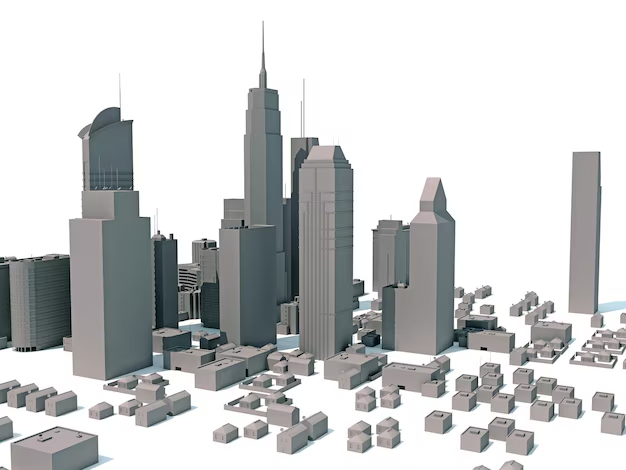
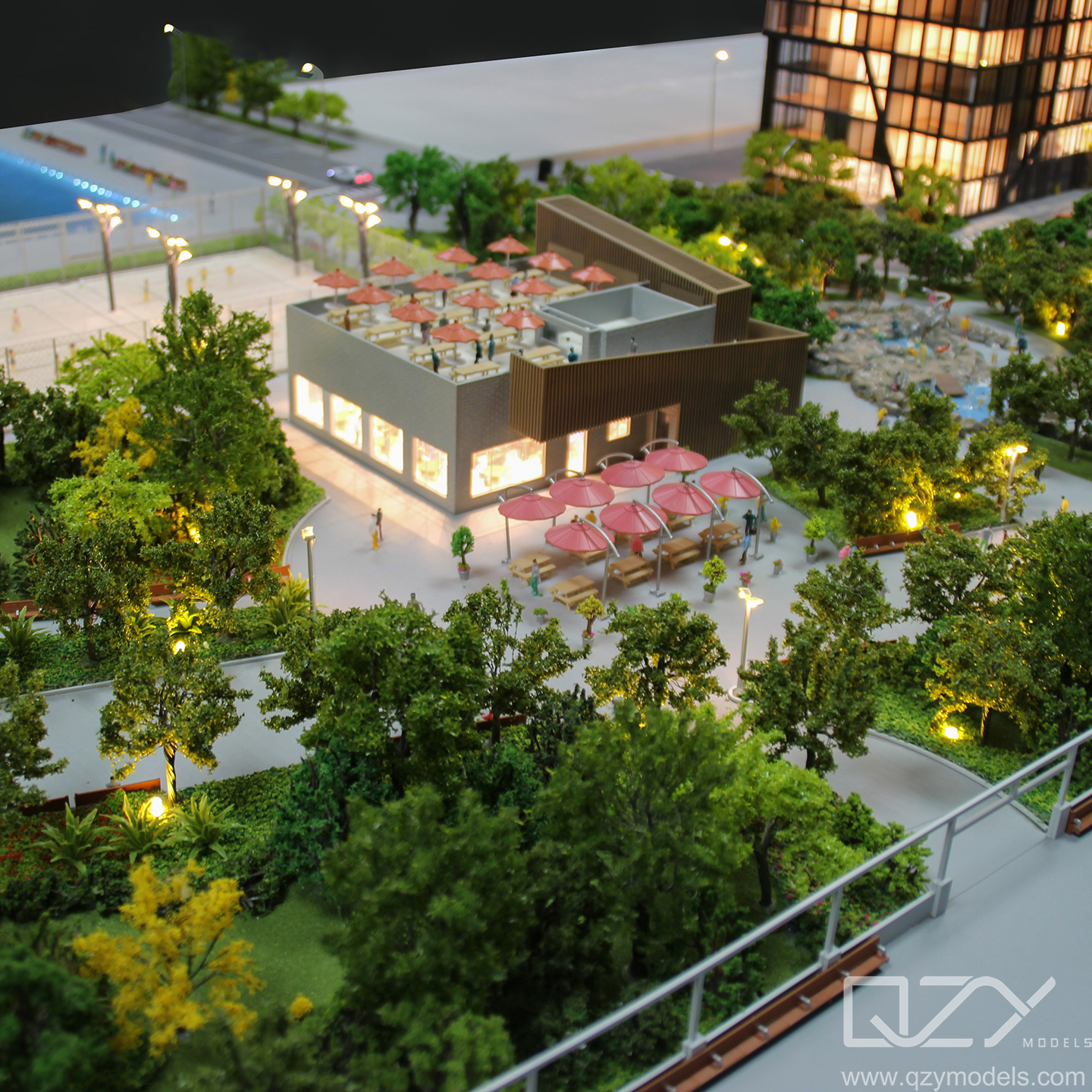
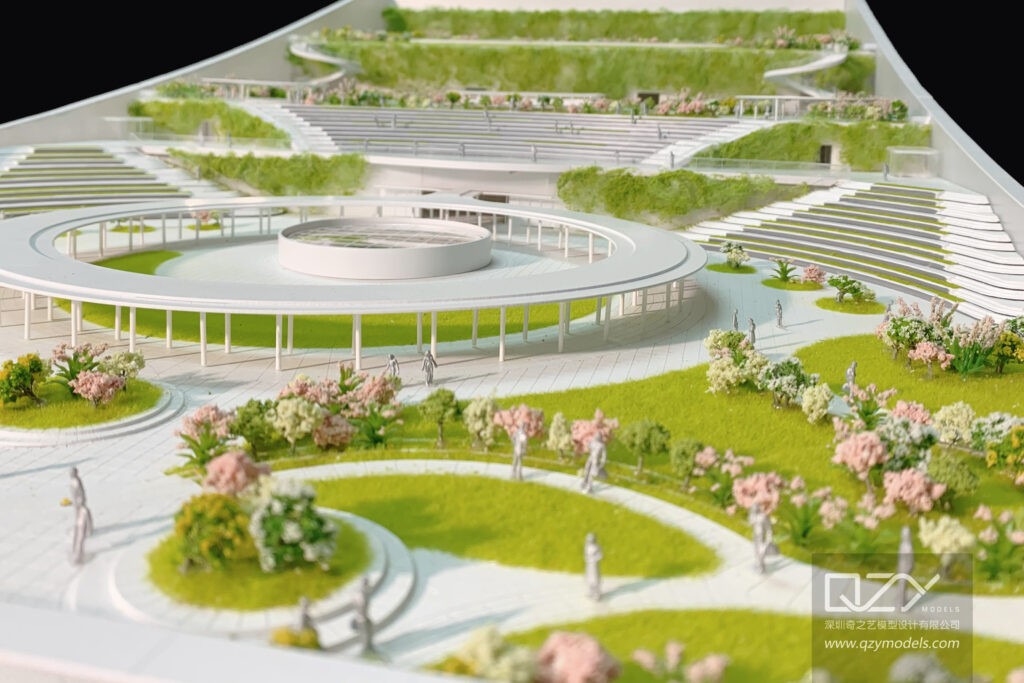
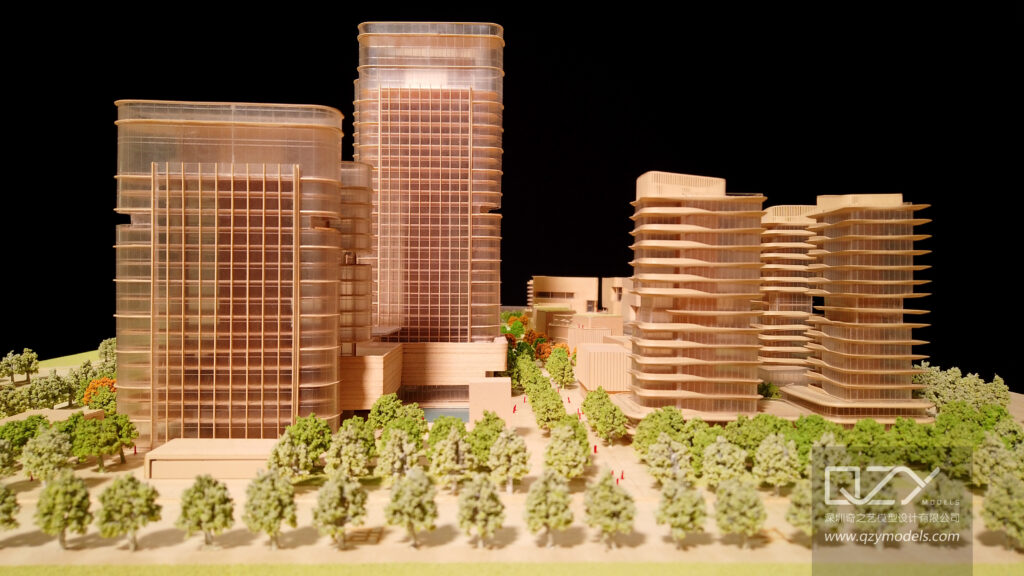
Architecture materials for model making include foam board, wood (balsa, basswood), acrylic, cardboard, plywood, polystyrene foam, and metals such as aluminum or brass. Selection depends on the model’s purpose—conceptual or presentation—balancing ease of use, durability, detail, and cost. Companies like QZY Models leverage these materials to create realistic, precise architectural replicas admired globally.
What Materials Are Commonly Used in Architectural Models?
Common architectural model materials range from foam board and cardboard to balsa wood, basswood, acrylic, MDF, polystyrene, and metals. Choice depends on project stage and required detail. Foam and cardboard enable rapid conceptual prototyping, while wood and acrylic provide structure, texture, and transparency for final presentations. Polystyrene is ideal for terrains, plywood stabilizes bases, and metals like brass enhance premium finishes.
QZY Models expertly combines these materials, layering foam cores with acrylic skins or metal accents to create lifelike models for clients worldwide.
| Common Architecture Materials | Best For | Key Properties |
|---|---|---|
| Foam Board | Concept Models | Lightweight, easy to cut |
| Balsa Wood | Detailed Structures | Soft, carveable |
| Acrylic | Windows/Facades | Transparent, laser-cut |
| Polystyrene Foam | Terrain/Topography | Flexible density |
| MDF | Bases/Platforms | Smooth, stable |
Why Choose Foam Board for Architecture Models?
Foam board is lightweight, affordable, and easy to cut, making it ideal for conceptual models under 1:200 scale. Its foam core sandwiched between paper allows clean cuts with knives or lasers. Paint adheres well, simulating textures from concrete to stucco.
QZY Models employs high-density foam boards in conceptual stages, transitioning to wood or acrylic for final presentations. Priming surfaces improves longevity, while layered cores provide dimensional realism.
How Does Wood Perform as an Architecture Material?
Balsa and basswood excel in model building for lightweight strength and intricate detailing. Balsa is easy to carve for trusses and fine elements, while basswood supports engravings and structural components. Wood imparts warmth, durability, and realistic texture.
QZY Models frequently uses basswood for high-end projects, achieving spatial depth in architectural models. Sealing against humidity preserves appearance over time.
Lightweight Strength and Detailing
Balsa and basswood are standout choices for architectural modeling due to their combination of lightness and strength.
-
Balsa: Extremely lightweight and easy to carve, making it ideal for delicate structures like trusses, intricate facades, and fine decorative elements.
-
Basswood: Denser than balsa, supporting precise engravings and more substantial structural components without compromising detail.
Aesthetic and Functional Benefits
Wood adds more than just structure to models:
-
Provides a natural warmth and realistic texture that mimics actual building materials.
-
Enhances durability, especially when properly treated or sealed.
-
Offers versatility for both conceptual models and high-fidelity presentation pieces.
Professional Application Tips
QZY Models frequently uses basswood for high-end architectural projects, creating models with a strong sense of spatial depth and realism. For longevity:
-
Seal against humidity to prevent warping and maintain the appearance over time.
-
Consider layering and sanding to achieve smooth surfaces for detailed finishes.
-
Combine wood with other materials like acrylic or metal for mixed-media effects.
Quick Checklist for Working with Wood in Models
-
Choose balsa for lightweight, intricate elements.
-
Use basswood for structural parts and engraved details.
-
Apply protective sealant to prevent moisture damage.
-
Sand and finish surfaces for precision and realism.
Common Mistakes to Avoid
-
Using balsa in load-bearing sections—it may bend or break under stress.
-
Skipping sealing or finishing, which can lead to discoloration or warping.
-
Overlooking grain direction; carving against the grain can splinter the wood.
What Role Does Acrylic Play in Architectural Models?
Acrylic simulates glass for windows, canopies, and modern facades. Laser cutting ensures precision edges, while tints and UV-resistant coatings enhance realism. Acrylic thickness ranges from 1–5mm depending on scale.
QZY Models integrates acrylic into architectural and industrial models, enhancing visual clarity and appeal for client presentations.
| Acrylic Types | Thickness | Applications |
|---|---|---|
| Clear | 1–3mm | Windows |
| Tinted | 2–5mm | Facades |
| Frosted | 1–2mm | Diffusers |
Why Use Cardboard and Plywood in Models?
Cardboard and plywood are budget-friendly, durable materials for terrain, roads, and bases. Layering cardboard prevents warping, while plywood provides stable platforms for complex builds. Both are easy to source and eco-conscious.
QZY Models employs plywood for early prototypes, then upgrades to composites or mixed media for final models, combining practicality and aesthetics.
What Advanced Architecture Materials Enhance Models?
Advanced materials include metals (brass, aluminum), resin, 3D-printed polymers, and concrete. Metals provide refined finishes, resin captures curves, 3D printing allows custom components, and concrete simulates industrial textures.
QZY Models uses these materials to innovate high-end architectural models in UAE and other international markets, blending traditional techniques with modern technology.
QZY Models Expert Views
“Since founding QZY Models in 2013 in Shenzhen, our team under Richie Ren’s leadership has selected materials like polystyrene foam, basswood, and acrylic to craft models for global clients including Vanke and Foster + Partners. We match materials to purpose—foam for concepts, metals for showcase models. Sustainability, precision, and storytelling are our focus, ensuring every architectural model communicates design intent with clarity and realism.”
—Richie Ren, Founder, QZY Models
How to Select the Best Architecture Material?
Choose materials based on model type, scale, and budget. Foam or cardboard works for concepts, wood or acrylic for presentations, and metals for final showcase models. Assess workability, durability, and paint adhesion. Hybrid approaches, such as foam cores with metal accents, optimize realism.
QZY Models recommends testing samples and layering materials to achieve professional results across different project scales.
What Tools Complement Architecture Materials?
Knives, sanders, lasers, and adhesives enhance material workability. X-Acto knives suit foam and wood, solvent-based glues secure acrylic, CNC machines cut plywood precisely, and hot wires shape polystyrene. Proper ventilation and safety gear ensure safe, efficient modeling.
Conclusion
Architecture materials—from foam board to metals—enable model makers to transform concepts into precise, compelling miniatures. Selecting materials according to stage, layering for depth, and experimenting with hybrid approaches ensures high-quality models. Begin with foam prototypes, expand to detailed presentations, and leverage expertise from firms like QZY Models to achieve professional results.
FAQs
What is the cheapest material for architectural models?
Foam board and cardboard, typically under $5 per sheet, ideal for concept models.
Is balsa wood better than basswood?
Balsa is lighter and easier to carve; basswood is stronger and better for structural details.
Can you paint all architectural materials?
Yes, with proper priming; acrylics work on foam and wood, enamels on metals.
How sustainable are these materials?
Many, such as plywood and cardboard, are recyclable; FSC-certified wood is recommended.
Where can I source professional architectural model materials?
Specialty suppliers and firms like QZY Models provide custom materials and kits.