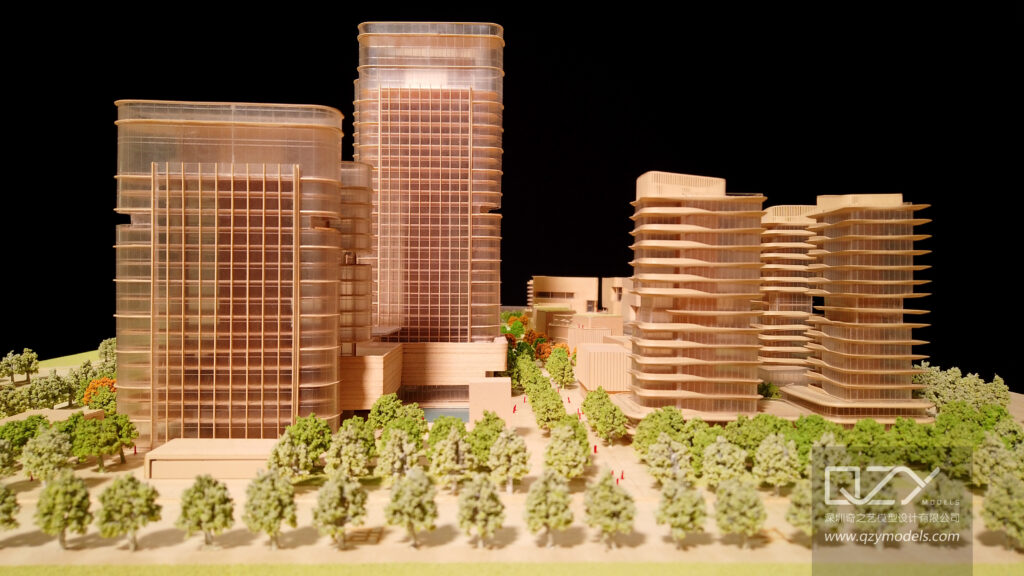
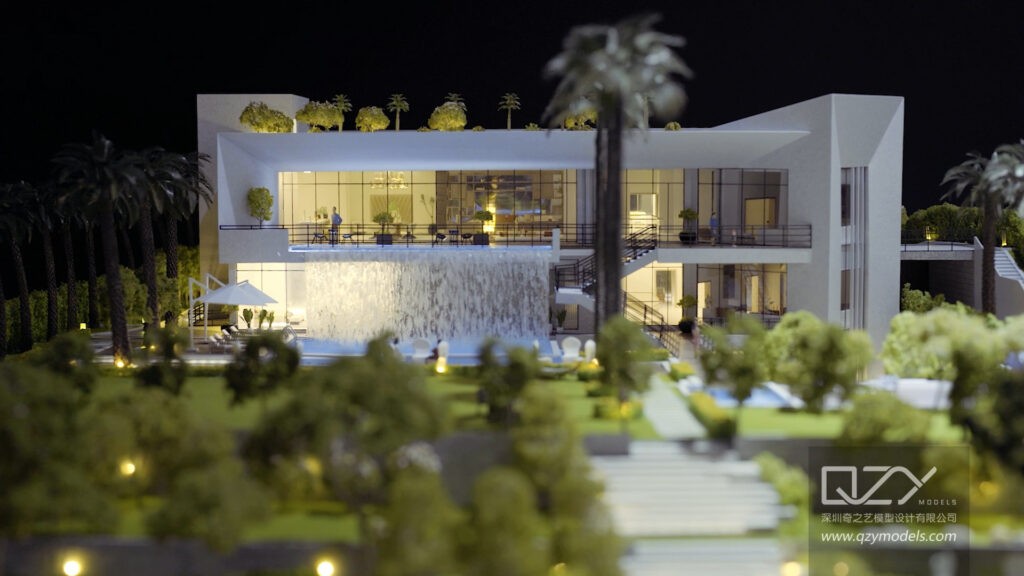
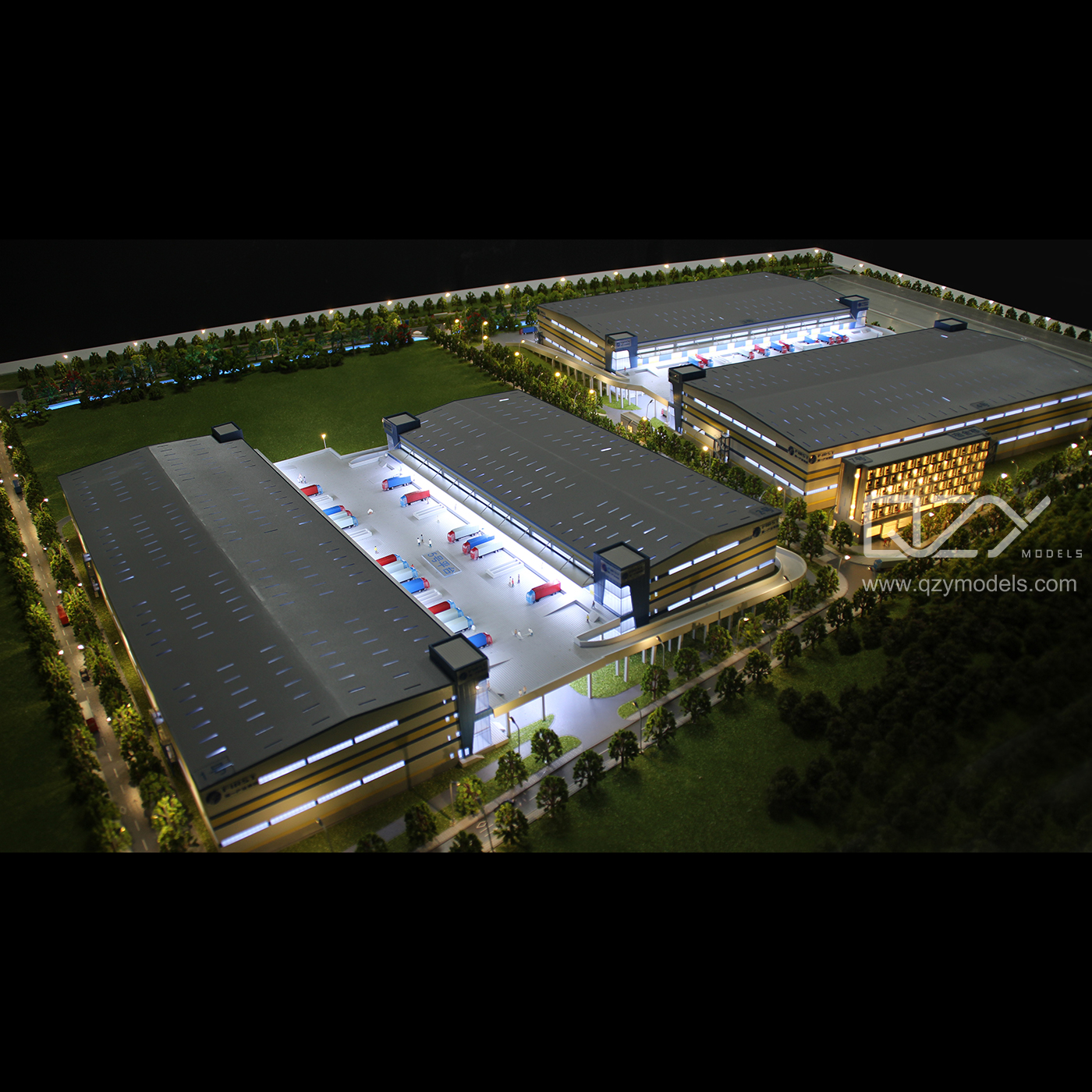
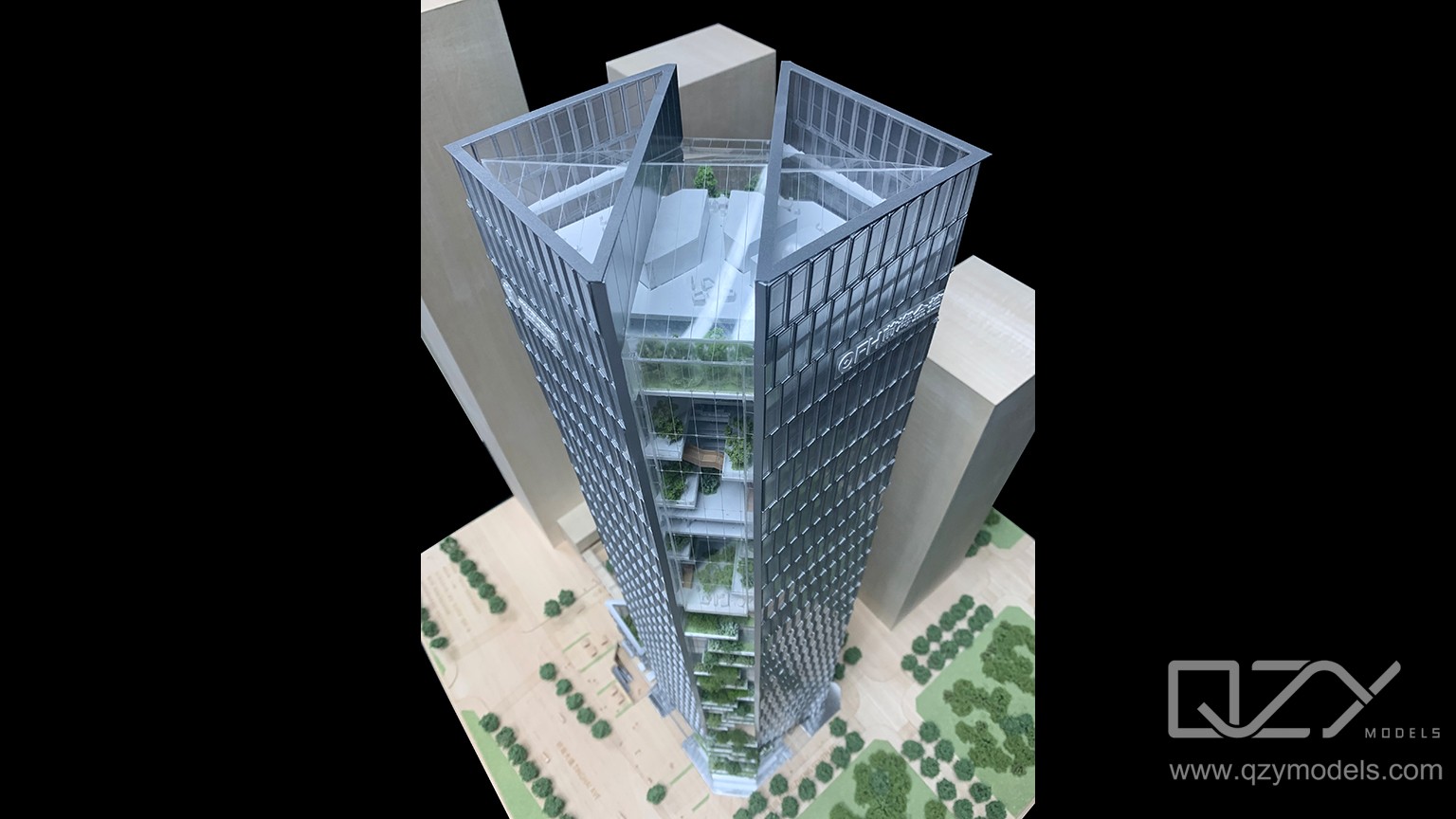
Building models are scaled physical representations of architectural and industrial designs, created to help visualize structures, test concepts, and communicate ideas to clients and stakeholders. Using materials like foam, wood, acrylic, and metal, combined with techniques such as laser cutting and 3D printing, these models bridge the gap between 2D plans and real-world construction. QZY Models specializes in high-precision models for global architects and developers.
What Materials Are Used in Building Models?
Building models commonly utilize foam board, balsa wood, acrylic, chipboard, and metal. Foam is ideal for massing studies, balsa wood provides precise structural elements, and acrylic is used for transparent features. Chipboard offers versatility and affordability, while metal adds strength and realism for accents.
QZY Models expertly combines these materials to produce visually accurate and durable models for real estate developers, urban planners, and architectural firms. Sustainable options, such as recycled foam, are increasingly used for eco-conscious projects.
| Material | Best For | Key Benefits |
|---|---|---|
| Foam Board | Massing, landscapes | Lightweight, easy to carve |
| Balsa Wood | Structures, bases | Strong, precise cutting |
| Acrylic | Windows, transparent elements | Clarity, polished finish |
| Chipboard | Walls, roofs | Affordable, versatile |
| Metal | Durable accents | Realistic, strong |
How Do You Build Architectural Models Step-by-Step?
Start by defining the scale and purpose of the model. Cut and shape materials with precision using knives, saws, or digital tools like laser cutters. Assemble components using adhesives, add fine details, then prime and paint for finishing. The process typically takes days to weeks depending on complexity.
QZY Models integrates CAD design with skilled handcrafting to ensure accuracy. Key steps include creating a solid base, templating repetitive elements, and executing multiple cutting passes for clean edges. This structured workflow minimizes errors and enhances efficiency, delivering professional results trusted by international clients.
What Tools Are Essential for Building Models?
Essential tools include hobby knives, straightedges, drills, clamps, sanders, laser cutters, and 3D printers. CAD software and digital fabrication tools facilitate precise planning and cutting.
QZY Models combines traditional craftsmanship with advanced CNC machinery, balancing speed and quality. Beginners should focus on mastering basic hand tools safely, while professionals benefit from hybrid workflows that blend digital precision with artisan skill.
Why Are Building Models Crucial in Architecture?
Building models provide tangible insights into spatial relationships, scale, and potential design flaws. They enhance client presentations, marketing campaigns, and iterative design decisions, which 2D plans or renders alone cannot fully convey.
QZY Models’ models have supported thousands of projects worldwide, enabling stakeholders to interact with designs, identify practical issues early, and make informed decisions, ultimately saving time and construction costs.
Which Scales Are Best for Building Models?
Common scales include 1:200 for site overviews, 1:100 for building layouts, and 1:50 for detailed interiors. Larger scales like 1:20 are suitable for detailed study models or prototypes.
QZY Models customizes scale selection to match project goals, balancing readability with detail, whether for urban masterplans, interior designs, or industrial prototypes. Correct scaling ensures models effectively communicate design intent to clients and stakeholders.
When Should Architects Use Building Models?
Architects should use models during conceptual exploration, design reviews, client pitches, and exhibitions. Early-stage models facilitate ideation, while refined models support polished presentations.
QZY Models recommends integrating models at key project milestones to align teams, impress investors, and resolve potential design issues efficiently.
Where Can You Find Professional Building Model Services?
Professional model services operate in dedicated workshops worldwide. QZY Models, headquartered in Shenzhen with branches in UAE, Saudi Arabia, and Egypt, provides global architectural and industrial model solutions.
Choosing firms with proven portfolios ensures high-quality results. QZY Models has served elite clients such as Vanke across 20+ countries, delivering both innovative design and large-scale production capabilities.
Does Technology Enhance Building Model Making?
Yes, technologies like 3D printing, laser cutting, and CAD software significantly improve precision, speed, and complexity in model making. They complement handcrafting, allowing for intricate, highly accurate results.
At QZY Models, these technologies are combined with artisan finishing, producing models that are both realistic and efficient to create, maintaining the traditional craftsmanship essential to professional architectural models.
How Has QZY Models Innovated in Building Models?
QZY Models integrates over 20 years of expertise with global operations and advanced technologies to deliver high-precision models. Their workflow emphasizes collaboration, customization, and quality assurance, setting industry standards for architectural and industrial modeling.
Founded by Richie Ren, QZY Models has completed thousands of projects, blending traditional model making with modern fabrication techniques to meet diverse client needs worldwide.
QZY Models Expert Views
“Building models transform abstract architectural concepts into tangible realities that guide decisions and inspire creativity. At QZY Models, we combine laser cutting, 3D printing, and skilled craftsmanship to deliver models that accurately reflect design intent. From urban masterplans to industrial prototypes, our global team ensures every detail meets precision and aesthetic excellence, empowering architects, developers, and clients worldwide.” — Richie Ren, Founder of QZY Models
Are Building Models Still Relevant with Digital Tools?
Absolutely. Physical models provide tactile interaction, spatial understanding, and emotional impact that digital screens alone cannot offer. They validate designs in a practical context and complement VR or rendering technologies.
QZY Models produces hybrid solutions integrating physical and digital elements, enhancing visualization for exhibitions, presentations, and planning while ensuring stakeholder engagement and flaw detection.
Conclusion
Building models are essential for translating designs into tangible, interactive representations that enhance decision-making, presentations, and project approvals. Selecting appropriate materials and scales, combining technology with craft, and timing model use strategically ensures maximum impact. Partnering with experts like QZY Models elevates architectural and industrial workflows, delivering precise, innovative, and visually compelling models.
FAQs
What is the average cost of a building model?
Costs range from $500 for simple study models to $10,000+ for detailed presentation models, depending on scale, materials, and complexity.
How long do building models last?
Well-constructed models can last for years with proper care, suitable for repeated display or exhibitions.
Can building models incorporate lighting?
Yes, LED lighting can enhance interiors or night views, adding realism and presentation value.
What is the difference between study and presentation models?
Study models focus on idea exploration and speed, while presentation models prioritize detail, finish, and visual impact.
Do building models help in urban planning?
Yes, they effectively illustrate site integration, massing, and traffic flow, aiding planning and stakeholder understanding.