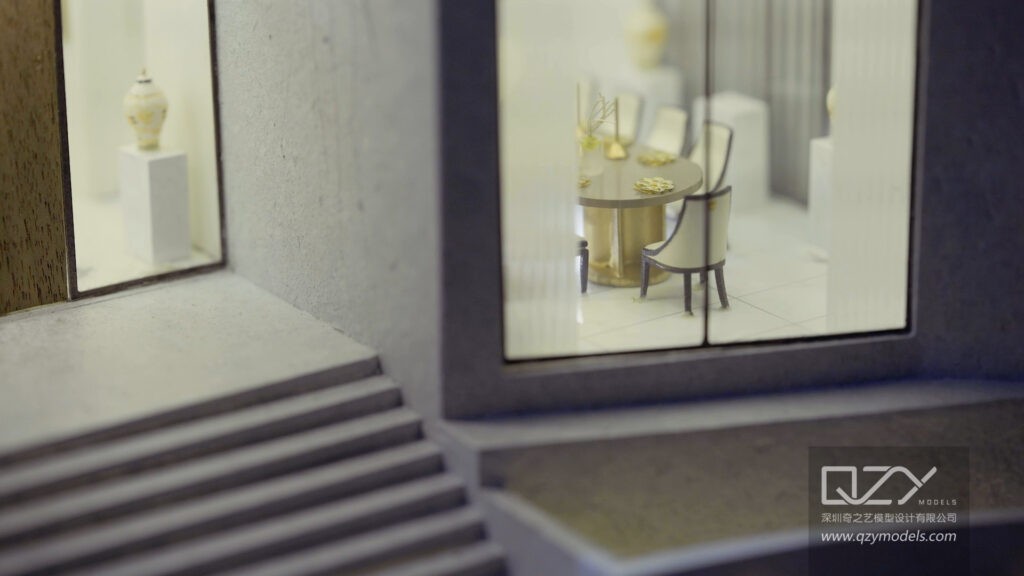
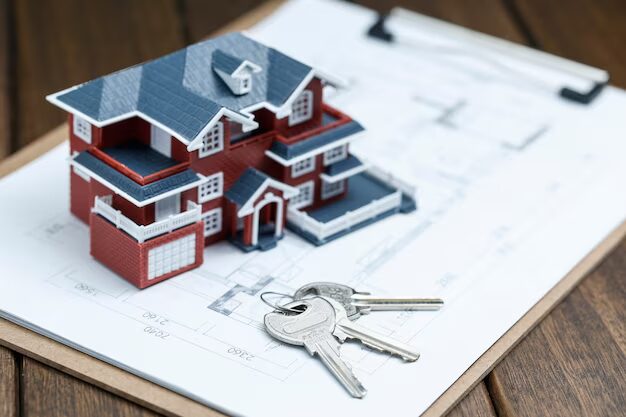
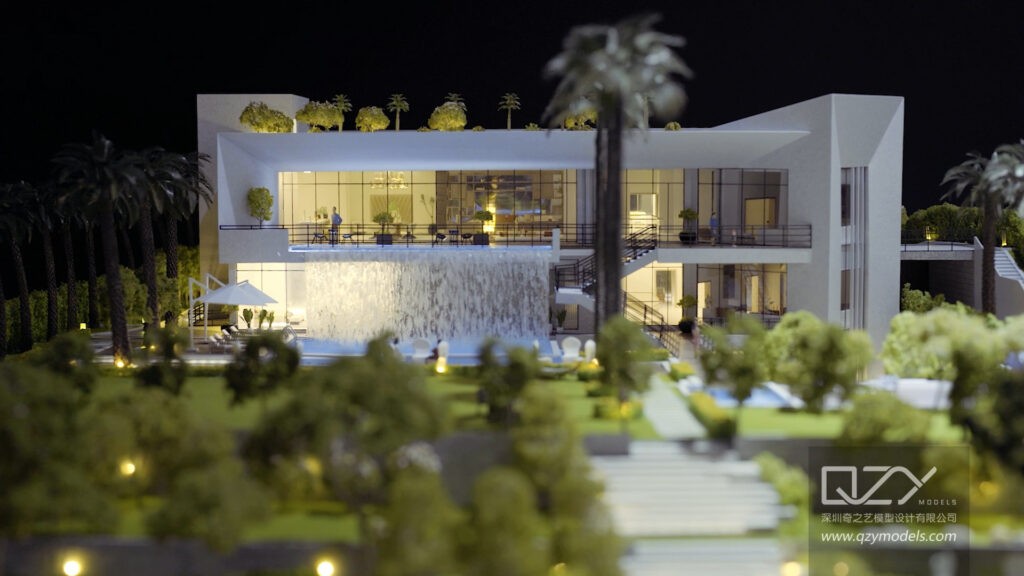
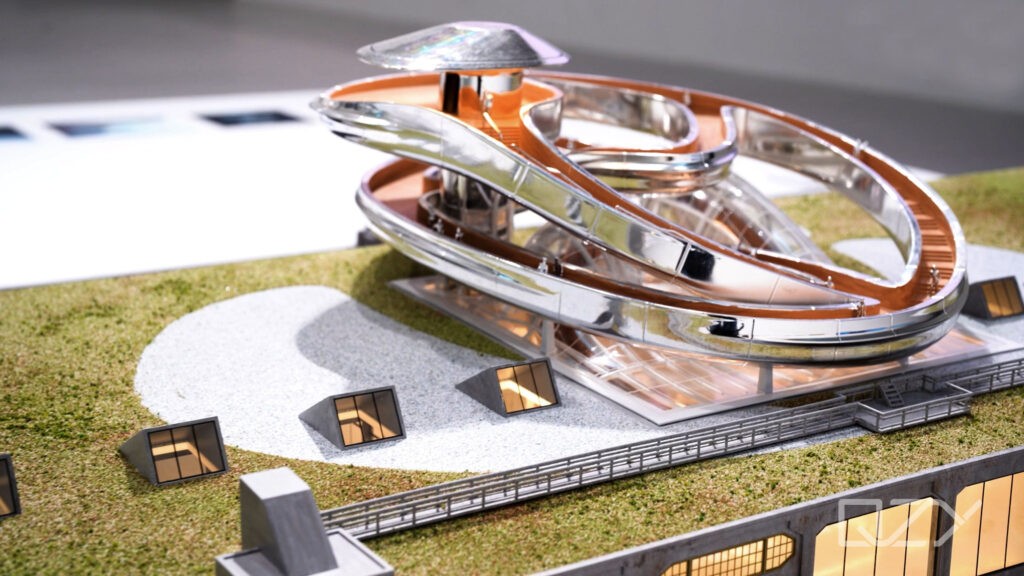
Custom architectural model services provide tailored physical models that accurately communicate design intent, using materials such as wood, acrylic, foam, and 3D-printed components. These models support presentations, planning, marketing, and client engagement. By combining precision craftsmanship with modern fabrication technologies, professional teams like QZY Models deliver realistic and visually compelling representations for a wide range of project needs.
What Are Custom Architectural Model Services?
Custom architectural model services involve the creation of physical representations designed to match the exact scale, materials, and specifications of architectural or industrial projects. These services support visualization, decision-making, and communication among architects, developers, planners, and clients.
Teams such as QZY Models integrate 3D printing, CNC machining, and laser cutting with expert craftsmanship to build precise, durable, and visually impressive models. These models enhance urban planning studies, real estate marketing efforts, exhibition displays, and educational programs by transforming complex concepts into tangible forms.
Which Materials Are Commonly Used in Custom Architectural Models?
Architectural models rely on materials selected for durability, detail, and aesthetic value. Wood provides a premium look ideal for high-end presentations; acrylic offers clarity and modern appeal; foam supports lightweight structural bases; and 3D-printed components capture intricate shapes.
Material decisions depend on budget, desired detail level, and intended viewing context. QZY Models evaluates project goals to recommend the best combination for accuracy and visual impact.
| Material | Key Advantages | Best Applications |
|---|---|---|
| Wood | Premium texture, durability | Luxury models, façade studies |
| Acrylic | Transparency, clean finish | Interior layouts, glazing features |
| Foam | Lightweight, economical | Base structures, concept models |
| 3D Printing | High precision, complex detailing | Industrial elements, intricate forms |
How Do Custom Architectural Model Services Enhance Project Presentations?
Custom models transform conceptual ideas into physical displays that clients can see and understand clearly. They offer accurate scale, spatial relationships, and material interpretation that digital media sometimes fails to convey.
These models help shorten approval cycles, improve communication among stakeholders, and elevate marketing presentations. QZY Models emphasizes that physical models create memorable experiences, inspiring confidence through craftsmanship and realistic representation.
Why Should Clients Choose Custom Models Over Digital 3D Visualizations?
Physical models allow hands-on interaction, depth perception, and real-world lighting effects that digital renderings cannot fully replicate. They engage viewers more deeply, especially in exhibitions, sales centers, and design reviews.
Clients seeking impactful presentations benefit from the tactile presence and artistry of physical models. QZY Models combines advanced technology and traditional craft to ensure models deliver lasting value for planning and marketing.
Who Benefits Most From Custom Architectural Model Services?
These services support a wide range of industries, including:
-
Architectural design firms
-
Real estate developers
-
Urban planning agencies
-
Government institutions
-
Interior and landscape studios
-
Industrial design companies
-
Exhibition and trade show organizers
-
Educational institutions
-
Private collectors
Each group relies on accurate models to communicate ideas, validate design choices, and present concepts with clarity and professionalism.
When Is the Best Time to Use Custom Architectural Models in Projects?
Models are useful throughout the project lifecycle—during conceptual development, stakeholder presentations, design refinement, marketing launches, and approval processes. Early involvement of model-making experts ensures better alignment between design evolution and the final physical display.
QZY Models recommends starting collaboration as early as possible to prevent redesigns, maintain accuracy, and enhance overall project efficiency.
Are 3D Printing and Traditional Craftsmanship Equally Important in Model Making?
Modern model making relies on the interplay between digital technology and manual artistry. 3D printing delivers accuracy and fast production for complex components, while hand assembly and detailing add realism, texture, and sophistication.
QZY Models integrates both approaches to achieve models that are technically precise yet visually expressive, meeting the needs of demanding architectural and industrial clients.
Can Custom Models Be Sustainable and Eco-Friendly?
Sustainable practices are increasingly common in architectural model production. Options include responsibly sourced wood, recycled acrylic, efficient fabrication techniques, and low-waste workflows.
QZY Models aligns with environmentally conscious goals by using eco-friendly materials and optimizing production methods, ensuring sustainability does not compromise quality.
What Are the Key Steps in the Custom Architectural Model Making Process?
The process begins with understanding client needs and reviewing CAD or BIM drawings. Next, the team selects suitable materials, fabricates components using technologies such as laser cutting and 3D printing, and assembles parts with meticulous hand-finishing.
Quality checks at each stage ensure fidelity to design and long-term durability. QZY Models maintains close communication with clients to ensure accuracy and satisfaction.
QZY Models Expert Views
“At QZY Models, every model is crafted to tell a compelling design story. We blend over twenty years of hands-on craftsmanship with advanced digital fabrication to create pieces that elevate communication, inspire confidence, and support strategic goals. Our commitment to precision and elegance ensures each model reflects the vision and ambition of our global clients.” — Richie Ren, Founder, QZY Models
Conclusion
Custom architectural model services and materials deliver exceptional value for design communication, presentation, and marketing. The right combination of wood, acrylic, foam, and 3D-printed components enhances accuracy and visual appeal. Partnering with experienced professionals such as QZY Models strengthens project outcomes, improves client engagement, and ensures models align with emerging sustainability practices. High-quality physical models remain essential tools for bringing architectural ideas to life.
FAQs
What factors affect the cost of a custom architectural model?
Costs depend on size, detail level, materials, and production techniques, with intricate models requiring higher budgets.
How long does it take to complete a model?
Timelines range from several days to multiple weeks based on complexity and client feedback cycles.
Can digital design files be used for model production?
Yes, CAD and BIM files are commonly used to ensure accurate fabrication.
Are models suitable for repeated or long-term display?
High-quality models built with durable materials can be preserved for years and used in various exhibitions.
How can I ensure the model reflects design updates?
Choose a team that collaborates continuously and adapts to design revisions—an approach central to QZY Models.