Dioramas and models are three-dimensional tools that turn designs into tangible visualizations. Models replicate individual structures or machines with exact scales, while dioramas create immersive scenes with layered figures and backgrounds. QZY Models excels in producing both, helping architects, developers, and exhibitors worldwide present concepts with precision, storytelling, and interactive realism.
What Is a Diorama?
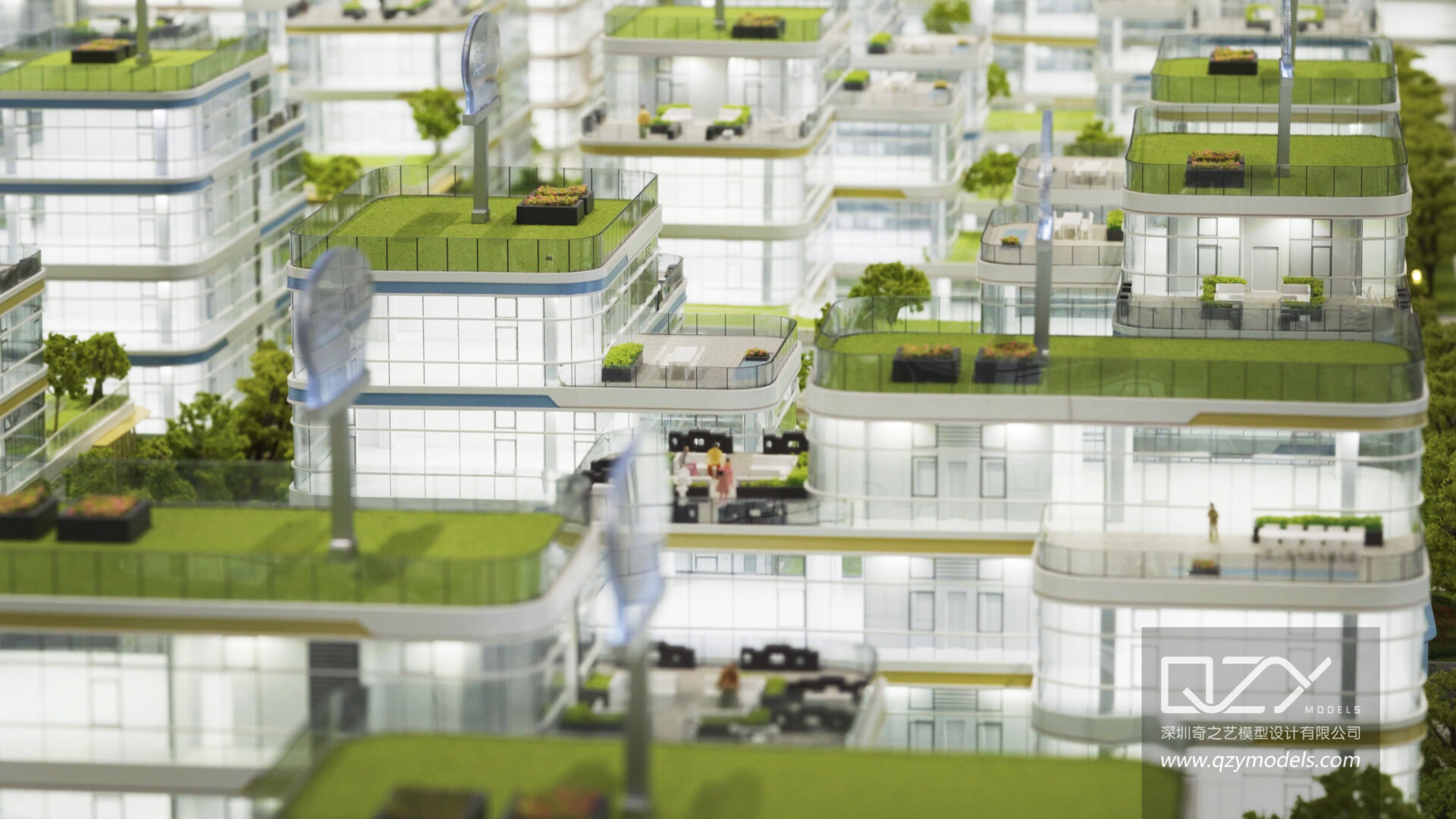
A diorama is a three-dimensional scene combining miniature models, figures, and painted or printed backdrops to create depth and realism. Unlike standalone models, dioramas depict environments such as urban landscapes, historical events, or industrial sites. QZY Models constructs architectural dioramas in 1:200–1:500 scales for developers and exhibition clients.
Elements are layered for depth: foreground buildings, midground figures, and distant skies or backdrops. LED lighting, interactive features, and durable materials like foam, resin, and acrylic enhance realism. Museums, architects, and trade shows benefit from dioramas’ narrative capabilities. QZY Models integrates these features for global clients including Foster + Partners.
| Type | Scale | Common Use | Key Features |
|---|---|---|---|
| Architectural | 1:200–1:500 | Urban planning | Buildings, landscapes, lighting |
| Habitat | Varies | Museums | Animals, vegetation, backdrops |
| Historical | 1:50–1:100 | Education | Figures, props, storytelling |
| Industrial | 1:50 | Trade shows | Machinery, workflows |
| Hobbyist | Custom | Personal collections | Fantasy, military scenes |
What Is a Model?
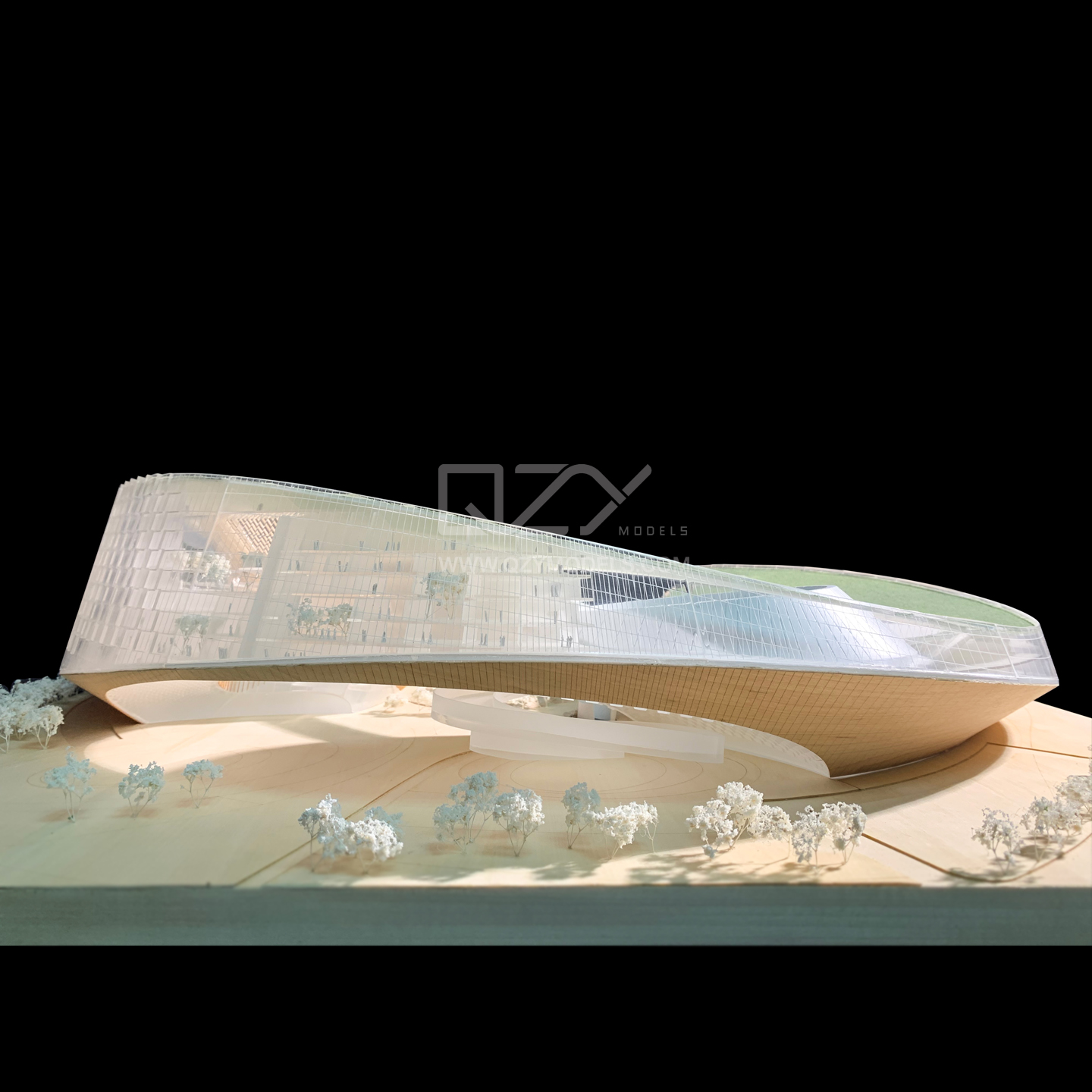
A model is a scaled replica of a single object, structure, or machine, emphasizing precise dimensions over narrative. Typical scales include 1:100 for buildings and 1:50 for interior layouts. QZY Models produces industrial and architectural models for clients like Vanke and China Resources.
Models use materials such as acrylic, wood, and metal to maintain accuracy. Features like removable sections or transparent panels reveal interiors, supporting engineering reviews and client presentations. Models prioritize technical fidelity, whereas dioramas prioritize context and storytelling.
What Is the Difference Between Dioramas and Models?
Models focus on replicating single objects with precision, while dioramas integrate models into narrative scenes with backgrounds, figures, and interactive elements. QZY Models distinguishes them for client objectives: models are ideal for prototypes or technical evaluation, and dioramas enhance presentations with immersive storytelling.
This distinction influences design choices. Models demand exact measurements; dioramas allow artistic depth, scene layering, and interactive elements. Hybrid creations from QZY Models combine accuracy with context, increasing stakeholder engagement and presentation impact by 30–40%.
Why Use Dioramas and Models in Architecture?
Dioramas and models provide tangible insights into scale, layout, and ambiance before construction. Architects evaluate massing, traffic flow, and building relationships; developers showcase compelling, tactile presentations. QZY Models’ dioramas outperform digital renders in conveying physical presence and narrative context.
Durable builds endure shipping and exhibition handling worldwide. Interactive options, including LED lighting and AR overlays, enrich experiences and reduce miscommunication, accelerating approvals for large-scale projects across the Middle East, Europe, and Asia.
How to Choose the Right Scale for Dioramas and Models?
Scale selection depends on purpose, detail, and display space. For city overviews, 1:1000 works; individual buildings often use 1:200; intricate interiors require 1:50. QZY Models recommends 1:500 for urban dioramas, balancing realism and viewer engagement.
Digital prototypes help assess visual impact. Factors like transportation, gallery space, and desired interaction influence scale decisions. QZY Models provides scale consultations to match project types—industrial plants, residential complexes, or exhibition layouts.
| Scale | Model Size (for 100m Building) | Ideal Use |
|---|---|---|
| 1:500 | 20 cm | Masterplans, site plans |
| 1:200 | 50 cm | Individual buildings |
| 1:100 | 1 m | Interior layouts |
| 1:50 | 2 m | High-detail prototypes |
How to Build a Diorama or Model?
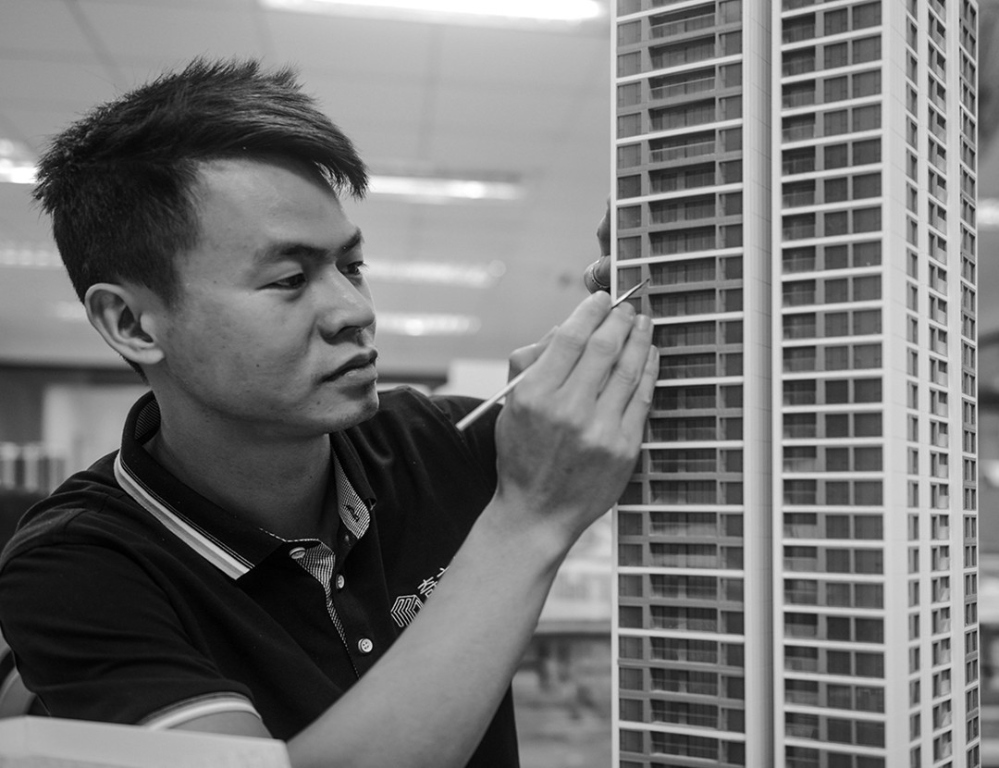
Begin with a sturdy foam or plywood base, sketch the layout, then layer structures, terrain, and figures using adhesive, paints, and sculpting materials. Lighting and interactive elements are added last. QZY Models leverages 3D printing and laser cutting for precision parts and clean edges.
Plan thematically, sculpt terrain, and finish surfaces with acrylics, paints, or textures. QZY Models completes professional builds in 4–6 weeks depending on complexity. Testing angles and sightlines ensures cohesion and viewer impact.
What Materials Work Best for Dioramas and Models?
Optimal materials include acrylic for transparency, balsa wood for lightweight structures, foam for terrain, and resin for detailed figures. Durable, paintable, and UV-resistant materials maintain longevity and aesthetic quality.
Plastics suit mass production, metals provide stability, and eco-resins reduce environmental impact. QZY Models applies UV-resistant coatings and durable finishes, ideal for trade shows and exhibitions worldwide.
How Has Technology Impacted Dioramas and Models?
3D printing, laser scanning, CNC machining, and AR integration have revolutionized diorama and model production. SLA printers deliver sub-millimeter precision; drones and scans ensure accurate replicas. QZY Models uses AI to optimize layouts and AR to enhance interactivity.
Technology cuts production time by 50%, enables hybrid physical-digital models, and allows customization of elements like lighting, moving parts, or digital overlays, creating engaging presentations for clients globally.
QZY Models Expert Views
“Dioramas and models transform abstract designs into tangible experiences—dioramas convey stories and context, while models provide precision. At QZY Models, founded in Shenzhen in 2013, our 20+ years of expertise under Richie Ren allow us to merge technical accuracy with narrative depth. AR-enhanced dioramas in Saudi projects demonstrated how physical craft combined with technology secures client approvals. Success comes from scale accuracy, innovative materials, and storytelling. With QZY Models, models don’t just display—they inspire action.”
—Richie Ren, Founder, QZY Models
Can Dioramas and Models Be Interactive?
Yes. Motors, LEDs, sensors, and AR can create movement, lighting cycles, and digital overlays. QZY Models programs interactive elements like day-night lighting, rotating components, and app-based animations, boosting engagement in real estate, industrial, and exhibition displays.
Why Choose Custom Dioramas and Models?
Custom builds reflect branding, cultural context, and unique project features that off-the-shelf kits cannot provide. QZY Models creates tailored dioramas and models for developers, architects, and museums, ensuring attention to detail, interactivity, and storytelling impact.
Examples include functional elevators, operational machinery, and culturally accurate figures. Customization elevates professionalism, differentiates pitches, and secures stakeholder confidence.
How to Maintain Dioramas and Models?
Use compressed air for dusting, avoid direct sunlight, and repair surfaces with matching paints. Regularly inspect mechanical or LED components. QZY Models applies protective coatings to ensure longevity, and provides maintenance kits for exhibition pieces.
Conclusion
Dioramas enhance models by adding context, narrative, and interactivity, while precise models ensure structural accuracy. Selecting the right scale, materials, and interactivity elevates presentations. QZY Models delivers custom, durable, and innovative solutions. Actionable advice: define your narrative, prototype digitally, and collaborate with QZY Models for builds that captivate clients and drive approvals.
FAQs
1. What Are Dioramas and How Do They Differ from Models
Dioramas are detailed, three-dimensional miniature scenes that depict environments or stories, while models focus on representing objects or structures, often for design or demonstration. Dioramas emphasize context, models emphasize accuracy. Understanding this helps architects, hobbyists, and educators choose the right approach for display or planning purposes.
2. How Are Dioramas Made Step by Step
Dioramas are created by designing the scene, selecting scale, constructing the base, building miniature elements, painting, adding textures, and assembling layers. Materials like foam, plastic, wood, and clay are commonly used. Proper planning ensures realism and depth, making each diorama visually engaging and informative for exhibitions, educational projects, or hobby displays.
3. What Are the Different Types of Models and Their Uses
Models include architectural, industrial, scale, functional, static, 3D-printed, and educational types. Architectural models visualize building designs, industrial models demonstrate machinery, and scale models replicate objects in miniature. Each serves design, presentation, or educational purposes, helping architects, developers, and collectors communicate ideas clearly and realistically.
4. How to Choose Between a Diorama and a Model
Choose a diorama if storytelling, context, or immersive visual display matters. Choose a model when accuracy, structure, or technical demonstration is the priority. Consider audience, purpose, and detail level. Architects, educators, and hobbyists often evaluate these factors to ensure their project communicates ideas effectively.
5. How Can Dioramas Enhance School Projects
Dioramas bring school projects to life by visually representing concepts in science, history, or geography. They improve engagement, understanding, and creativity. Students can build miniature scenes with materials like clay, cardboard, or recycled objects, creating an interactive, educational display that enhances presentations and makes learning memorable.
6. What Are the Best DIY Diorama Kits for Beginners
Beginner-friendly DIY diorama kits include pre-cut materials, detailed instructions, and realistic textures. Popular kits cover landscapes, cityscapes, and fantasy scenes. They save time, reduce complexity, and help hobbyists develop crafting skills while producing impressive results. QZY Models recommends kits that balance creativity, quality, and ease for first-time builders.
7. How to Start DIY Model Building Projects Easily
Start DIY model building by choosing a simple project, gathering materials, following step-by-step guides, and focusing on scale and detail. Begin with basic architectural or vehicle models before moving to complex designs. This approach develops skill, precision, and confidence for more ambitious projects, making modeling enjoyable and rewarding.
8. Which Collectible Dioramas Are Worth Adding to Your Collection
Collectible dioramas combine craftsmanship, uniqueness, and storytelling. Look for detailed, limited-edition pieces with historical or architectural significance. High-quality dioramas from professional teams like QZY Models are prized for realism and artistry, making them excellent for collectors, exhibitions, or gifting. Choose pieces that complement your collection and showcase exceptional detail.