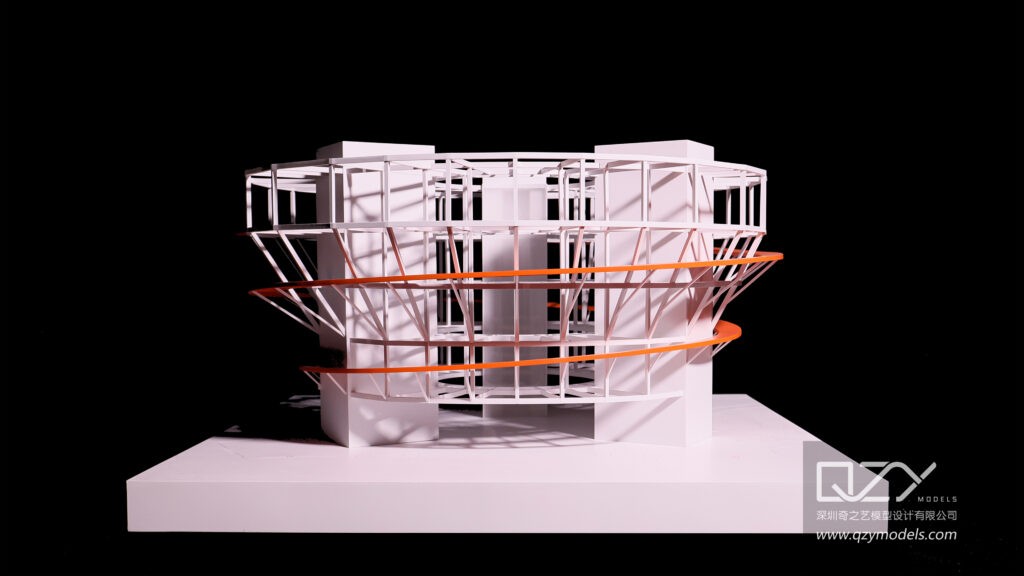
Exhibition architectural model design services provide professional 3D physical models that bring architectural and commercial projects to life at trade shows, events, and exhibitions. These models combine precision craftsmanship, innovative materials, and interactive features to captivate audiences, clarify complex designs, and enhance brand visibility. Providers like QZY Models deliver visually compelling, durable models that make concepts tangible and elevate client engagement.
What Are Exhibition Architectural Models?
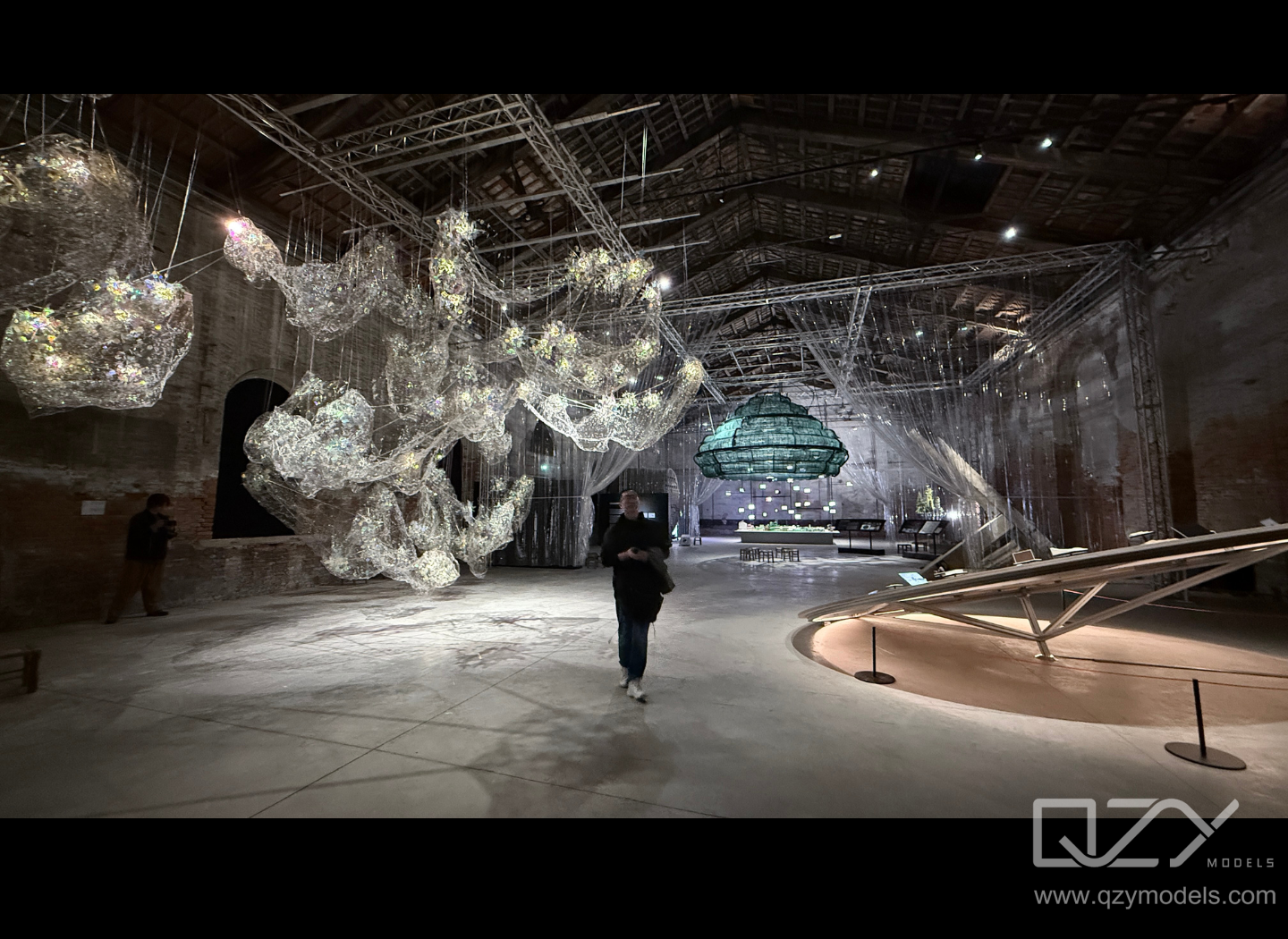
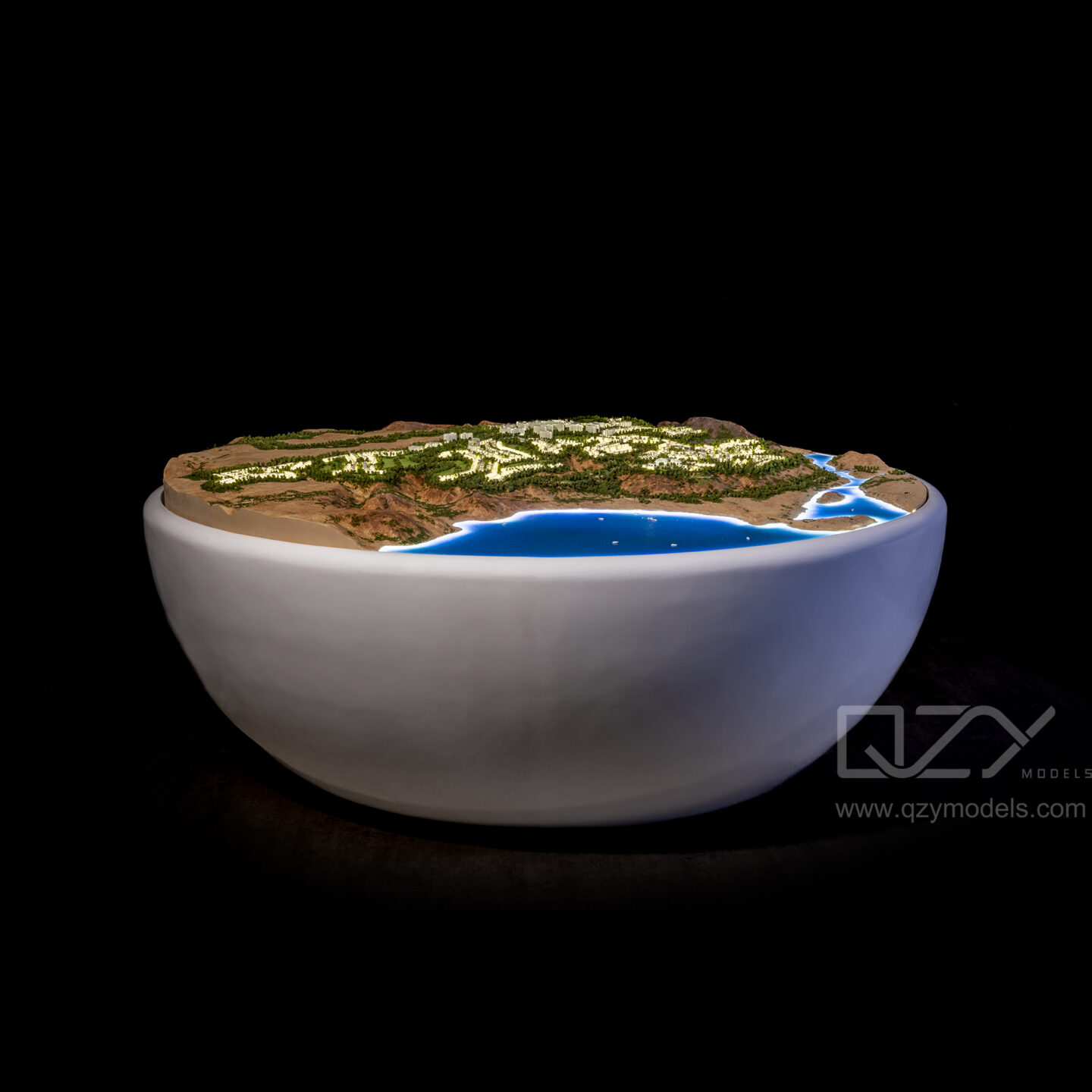
Exhibition architectural models are scaled, three-dimensional replicas of buildings, urban sites, or design projects created for events and trade shows. They use premium materials such as acrylic, wood, and metals to ensure durability and visual appeal. By incorporating interactive elements like LEDs, moving components, or AR, these models engage visitors more effectively than digital renders alone.
QZY Models excels in producing exhibition models that combine craftsmanship and technology, making them ideal for investor presentations, public demonstrations, and trade show booths. Their production process involves detailed client briefs, 3D scanning, prototyping, and precision assembly, ensuring models are both visually striking and functional.
| Key Features of Exhibition Models | Description | Benefits |
|---|---|---|
| High Precision Scaling | 1:100 to 1:500 ratios | Realistic visualization |
| Interactive Elements | LEDs, motors, AR integration | Boosts engagement |
| Durable Materials | Acrylic, metal, composites | Withstands event wear |
| Custom Lighting | Interior/exterior illumination | Enhanced visual impact |
Why Choose Professional Exhibition Model Design Services?
Professional exhibition model services guarantee precision, durability, and tailored results that elevate brand presence and audience engagement. Teams like QZY Models leverage decades of expertise, advanced CNC machining, and hand-finishing techniques to deliver flawless models.
Using professional services saves time, reduces errors, and ensures that complex design elements translate into tangible, captivating displays. These services are particularly valuable for global exhibitions, as they provide shipping, setup, and consultation. By selecting expert providers, clients gain models that attract investors, impress audiences, and generate measurable commercial outcomes.
How Does the Exhibition Model Design Process Work?
The design process typically includes consultation, digital modeling, prototyping, fabrication, finishing, and quality assurance. QZY Models follows a structured workflow to ensure each stage meets high-quality standards and aligns with client objectives.
-
Conceptualization: Analyze blueprints and client goals.
-
Digital Design: Create accurate CAD models.
-
Prototyping: Test forms using 3D printing.
-
Fabrication: Combine technology and handcrafting for precision.
-
Finishing: Apply painting, lighting, and durability testing.
This approach ensures exhibition models are engaging, practical, and suitable for repeated use at trade shows or events.
What Types of Exhibition Architectural Models Are Available?
Exhibition models range from static displays to interactive versions with mechanical components or modular, booth-integrated designs. Hybrid models combining physical structures with AR or digital features are increasingly popular for immersive presentations.
| Model Type | Best For | Scale Range |
|---|---|---|
| Static Display | Presentations | 1:200–1:500 |
| Interactive | Trade Shows | 1:100–1:300 |
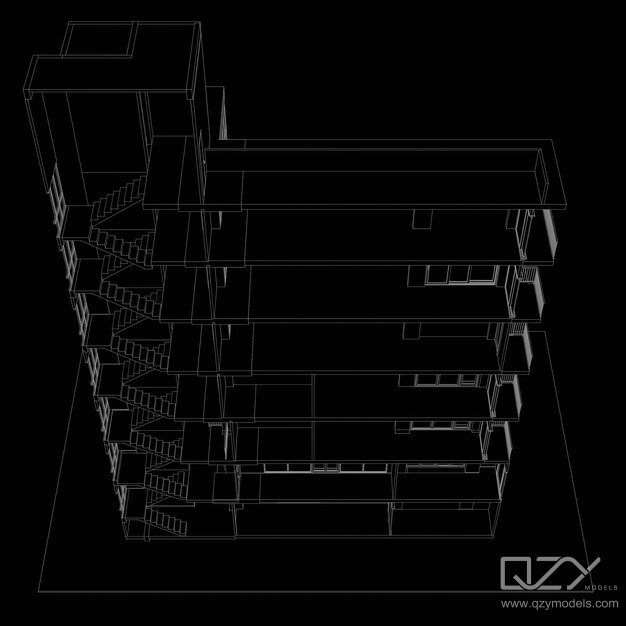
| Sectional | Educational Events | 1:50–1:200 |
| Modular | Booth Customization | Variable |
QZY Models specializes in versatile, visually striking models suitable for both small-scale exhibitions and large expos, ensuring clarity and engagement across diverse audiences.
Which Materials Are Used in Commercial Exhibition Models?
Exhibition models employ materials selected for durability, aesthetics, and functionality. Acrylic offers transparency for windows and canopies, wood adds warmth, metals provide structural support, and foams reduce weight for portability. Innovative composites and flame-retardant materials ensure safe, high-performance displays.
| Material | Properties | Applications |
|---|---|---|
| Acrylic | Lightweight, transparent | Windows, canopies |
| MDF/Wood | Easy to shape | Base, landscape features |
| Aluminum | Strong, metallic | Structural elements |
| LED Fibers | Flexible lighting | Nighttime visual effects |
QZY Models prioritizes material selection based on event needs, integrating sustainability with performance for long-lasting, impressive models.
How to Select the Right Exhibition Model Design Service?
When choosing a provider, evaluate their portfolio, turnaround time, materials expertise, and client testimonials. Firms like QZY Models stand out for global experience, advanced technology integration, and post-production support. Key considerations include:
-
Track record in your industry.
-
Ability to handle complex or custom designs.
-
Client support and consultation services.
-
Material samples and virtual walkthroughs before production.
Selecting the right provider ensures models align with project goals, elevate brand impact, and maximize return on investment.
QZY Models Expert Views
At QZY Models, our mission is to transform architectural concepts into exhibition experiences that resonate with audiences. Since 2013, we have created thousands of models for clients worldwide, combining precision engineering, interactive features, and artistic craftsmanship. Exhibition models are not just visual aids—they drive engagement and generate measurable results. Incorporating interactivity early ensures maximum impact and lasting impressions.” – Richie Ren, Founder, QZY Models
What Benefits Do Exhibition Models Offer for Commercial Events?
Exhibition models enhance audience engagement, simplify complex designs, and strengthen brand credibility. Tangible models outperform digital-only displays by providing a memorable, interactive experience that drives leads and investor interest. Benefits include:
-
Higher Engagement: Captures visitor attention.
-
Clarity: Simplifies presentation of complex concepts.
-
Professionalism: Reinforces brand credibility.
-
Versatility: Adaptable for multiple events.
QZY Models’ clients report improved sales conversion and stronger investor confidence through high-quality exhibition models.
How Much Do Exhibition Architectural Model Services Cost?
Costs vary based on size, complexity, materials, and interactivity, ranging from $5,000 to over $50,000. Smaller static models are more affordable, while large, interactive custom models require higher investment. QZY Models offers competitive pricing, volume discounts, and cost-effective solutions without compromising quality.
| Size/Complexity | Estimated Cost |
|---|---|
| Small Static | $5,000–$15,000 |
| Medium Interactive | $20,000–$40,000 |
| Large Custom | $50,000+ |
Investing in professional exhibition models delivers strong ROI through enhanced audience engagement, clear communication, and repeatable use across multiple events.
FAQs
What makes QZY Models a leading choice for exhibition models?
QZY Models combines 20+ years of expertise, global branches, and precision fabrication to deliver durable, interactive, and visually impactful exhibition models.
How long does the production process take?
Typically 4–8 weeks, depending on model complexity. Expedited options are available.
Are exhibition models reusable?
Yes, they are designed for multiple events with protective cases for safe transportation.
Can models include digital or interactive features?
Absolutely. QZY Models integrates LEDs, AR, and VR for immersive experiences.
What are the standard scales for commercial exhibition models?
Common scales range from 1:100 to 1:500, customizable based on client requirements.