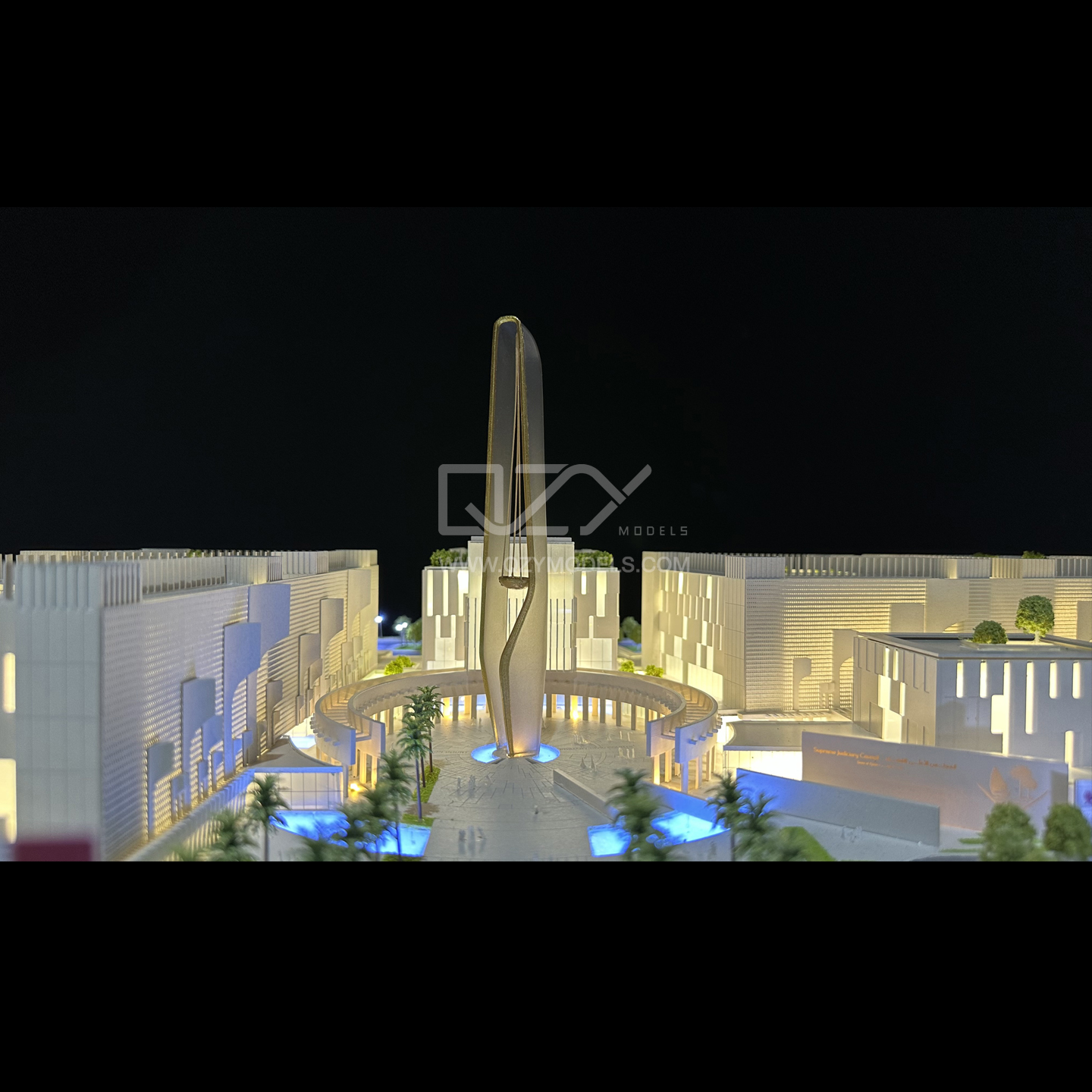
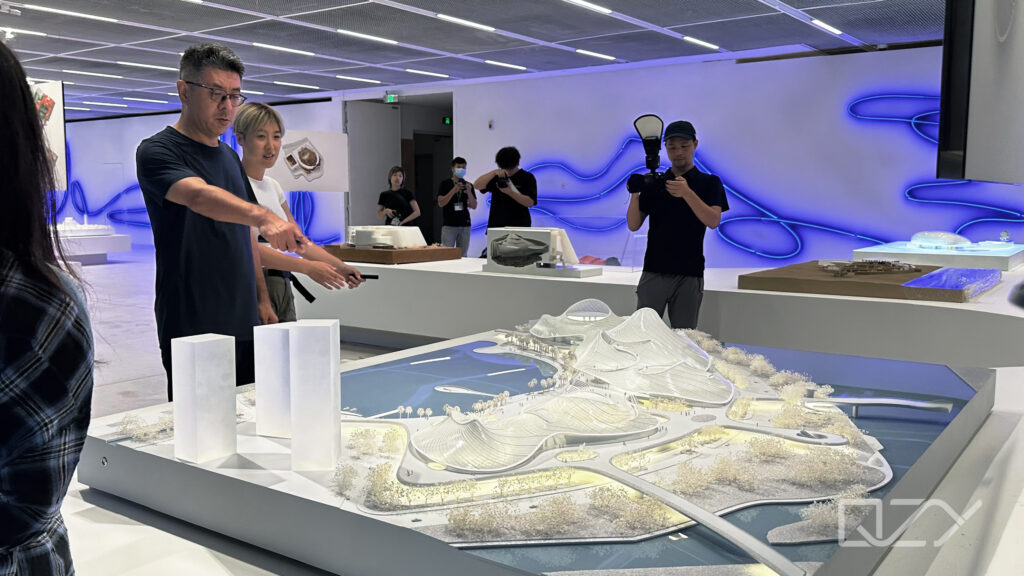
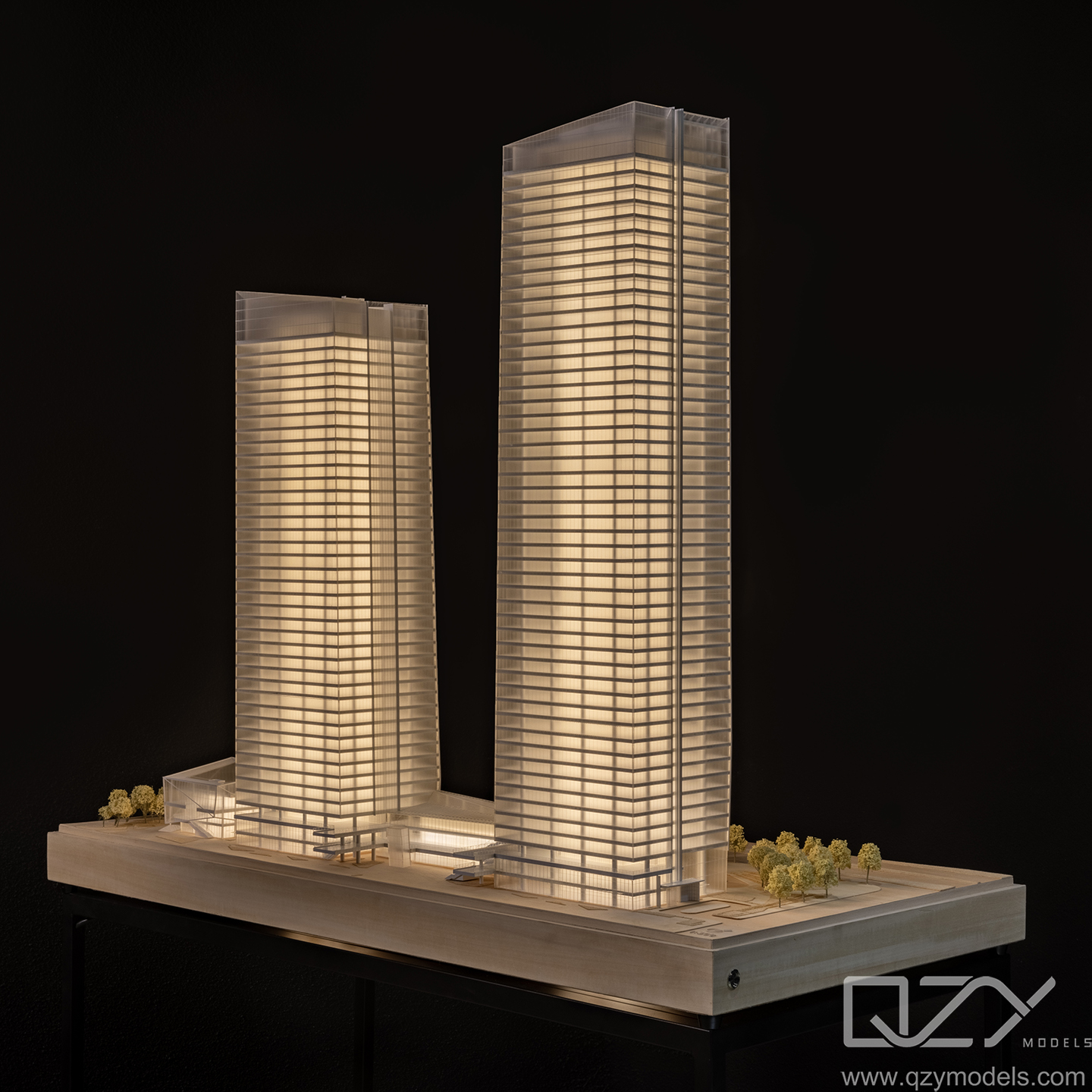
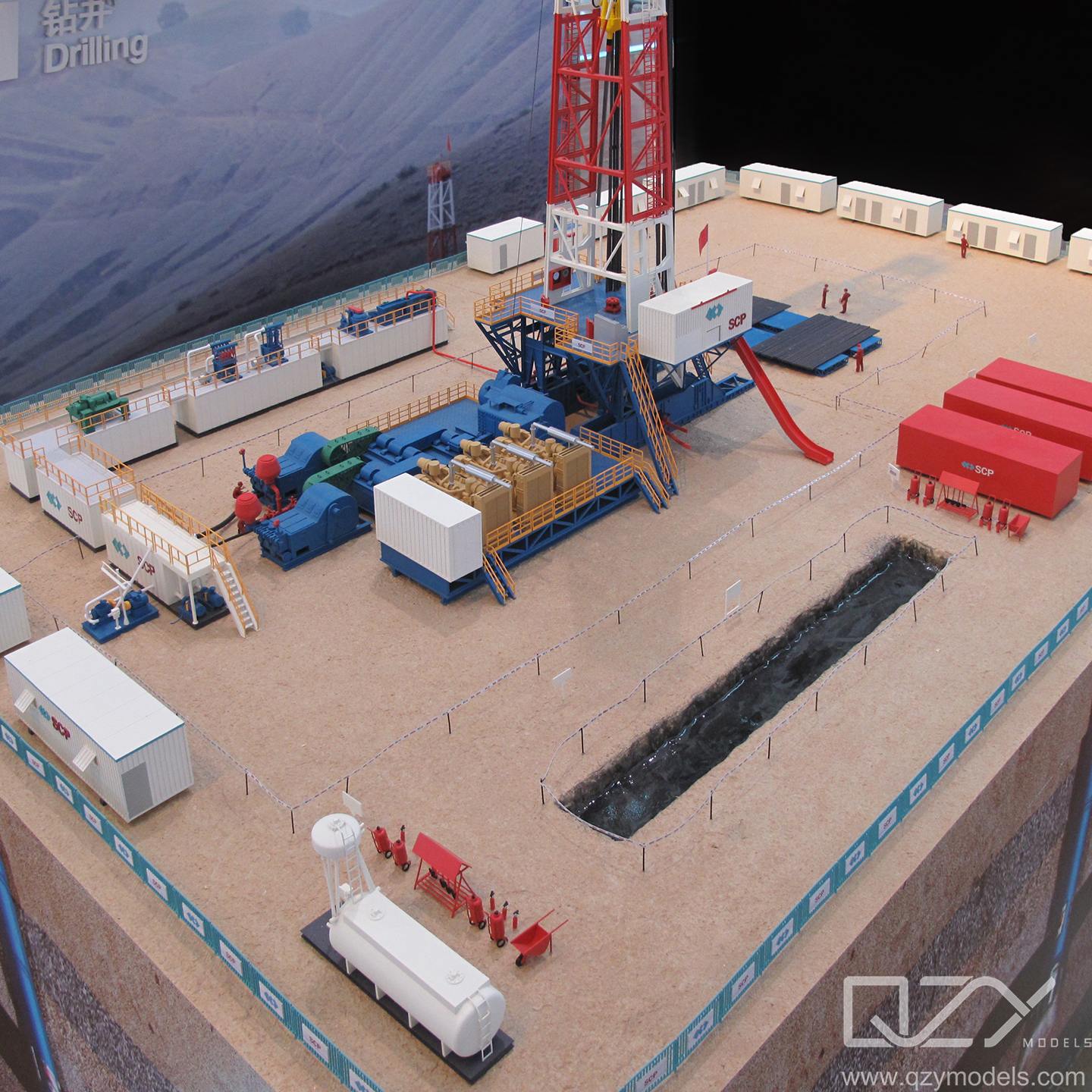
An amusement park model is a precise, scaled replica of a theme park, capturing rides, landscapes, and facilities for planning, marketing, and visualization. These models allow architects, designers, and developers to simulate layouts, test operations, and attract investors. QZY Models specializes in producing these highly detailed replicas, combining craftsmanship and technology to deliver visually stunning, functional miniatures for clients worldwide.
What Are Amusement Park Models?
Amusement park models are miniature representations of theme parks, including roller coasters, water slides, pathways, and visitor areas. They are typically built at scales like 1:50, 1:100, or 1:200 to provide realistic perspectives for planning, marketing, and exhibitions. QZY Models employs advanced modeling techniques, combining laser-cut components, 3D-printed elements, and hand-applied details to achieve high realism.
These models can be static displays or interactive, featuring lighting, motion, and AR integration. Developers use them to simulate crowd flow, optimize ride placement, and ensure operational efficiency before construction. Materials such as acrylic, wood, resin, and LEDs provide durability and visual appeal. QZY Models has delivered thousands of these models globally, elevating client presentations.
| Type of Model | Key Features | Common Uses |
|---|---|---|
| Display Models | High-detail structures, LED lighting | Exhibitions, marketing |
| Operational Models | Functional rides, crowd simulation | Planning, logistics testing |
| Interactive Models | Motion, AR/VR integration | Investor presentations, immersive previews |
Why Create an Amusement Park Model?
Creating an amusement park model helps visualize complex designs, detect layout issues, and secure stakeholder approval. Pre-construction testing reduces risks and can lower project costs by 20-30%. QZY Models’ models also enhance investor engagement and regulatory presentations.
Models improve communication among architects, engineers, and marketing teams, allowing adjustments in ride placement, safety zones, and visitor paths. They also serve as marketing tools for brochures, trade shows, or digital campaigns. For example, a model can simulate peak visitor traffic to optimize park operations before the real build.
How Are Amusement Park Models Built?
Amusement park models begin with detailed digital designs using software like SketchUp, Rhino, or AutoCAD. Components are laser-cut, CNC-machined, or 3D-printed, and then assembled with meticulous handcrafting. Miniature trees, water features, and textures are applied with resin and specialized paints. Production typically takes 4-12 weeks depending on scale and complexity.
QZY Models follows a structured process: client briefing, CAD modeling, prototype approval, material sourcing, assembly, and quality inspection. Advanced techniques such as fiber optic lighting, motion-enabled rides, and high-precision scale verification ensure each model meets exacting standards. Their collaboration with renowned architects like Foster + Partners highlights their precision and reliability.
What Materials Are Used in These Models?
Amusement park models employ materials selected for realism, durability, and visual impact. Acrylic and resin simulate structures and water effects, balsa wood provides lightweight frameworks, and LED lights recreate night-time scenes. QZY Models prioritizes sustainable and eco-friendly materials whenever possible.
Material selection balances aesthetics and functionality. Mirrored acrylic replicates glass facades, synthetic grass mimics natural turf, and motors enable ride motion. Costs vary from $5,000 for small-scale models to over $50,000 for large, feature-rich builds. QZY Models sources materials globally to optimize cost without sacrificing quality.
| Material | Application | Benefits |
|---|---|---|
| Acrylic | Buildings, rides | Durable, transparent |
| Resin | Water, paths | Realistic effect |
| LED Lights | Night scenes | Energy-efficient illumination |
| Balsa Wood | Framework | Lightweight, easy to shape |
Which Scales Are Best for Amusement Park Models?
Scale selection depends on park size, detail requirements, and display context. Common scales include 1:100 for overall layouts, 1:50 for high-detail zones, 1:200 for large parks, and 1:87 for exhibition displays. QZY Models provides expert recommendations tailored to venue space and project goals.
Larger scales reveal finer details, such as benches, signage, and textures. A 1:100 scale model of a 10-acre park can fit a 3×3-foot base, ideal for lobbies, trade shows, or VR-based digital tours. QZY Models customizes scale choices to match client requirements, ensuring both impact and practicality.
What Makes a Model Stand Out?
Exceptional amusement park models feature motion-enabled rides, realistic sound effects, and AR or VR interactivity. Intricate detailing—scaled signage, textures, and landscaping—creates immersive experiences. QZY Models incorporates these elements to ensure models leave a lasting impression.
Dynamic lighting synced with music, modular components for future updates, and sustainability-focused materials elevate the model’s appeal. Such innovative designs have been showcased in exhibitions across the UAE, Saudi Arabia, and globally, positioning QZY Models as a leader in engaging, high-quality amusement park replicas.
How Does QZY Models Create Custom Models?
QZY Models starts with in-depth client consultations, followed by 3D renderings for approval. CNC machining, 3D printing, and precision handcrafting transform designs into physical models. Setup and logistics support are included, ensuring global delivery and installation.
With over 20 years of experience, QZY Models manages projects end-to-end. Founder Richie Ren supervises quality, ensuring international standards are met. Regional branches in the Middle East streamline client support and logistics for developers like Vanke and China Resources.
QZY Models Expert Views
“Amusement park models are not just miniatures—they are strategic tools that bridge concept and reality. At QZY Models, we integrate 3D printing, VR, and motion technologies to simulate guest experiences before construction. This approach reduces costs, enhances stakeholder engagement, and brings the park’s magic to life. Our projects with top global architects demonstrate that precision and creativity drive project success.”
— Richie Ren, Founder, QZY Models
Where Are Amusement Park Models Displayed?
Models are displayed in trade shows, corporate lobbies, museums, investor pitches, and sales galleries. Portable cases enable easy transport and setup. QZY Models designs each model to maximize visual impact at its intended venue.
Strategically placed models attract attention, whether in a lobby greeting visitors or in exhibitions drawing crowds. Digital twins can complement physical models for online demonstrations, extending marketing reach. Real estate developers have increased pre-sales by 15-25% using these immersive presentations.
Can Technology Enhance These Models?
Yes, technologies like VR, AR, IoT, and drones elevate amusement park models. Virtual tours, interactive apps, and real-time data overlays bring the park experience to life. QZY Models integrates these innovations seamlessly for a next-level client experience.
App-controlled lighting, AR walkthroughs, and live-motion simulations enhance presentations for investors and planners. Tech integration modernizes models while preserving tactile engagement, appealing to clients worldwide in Europe, Southeast Asia, and the Middle East.
Conclusion
Amusement park models transform complex park designs into tangible, visually compelling experiences that support planning, marketing, and investor engagement. Partnering with experts like QZY Models ensures high precision, innovation, and global delivery. For developers and designers, investing in a quality model can streamline decisions, reduce risks, and create a captivating showcase that drives success.
FAQs
What is the cost of an amusement park model?
Costs vary between $10,000 and $100,000 depending on size, complexity, and features. QZY Models provides customized quotes.
How long does it take to produce a model?
Typically 4-12 weeks, from initial design to delivery. Expedited options are available with QZY Models.
Can models simulate ride motion?
Yes, motors and moving components replicate rides, visitor flow, and park operations. QZY Models specializes in these interactive elements.
Are digital models as effective as physical ones?
Digital models allow quick iterations, while physical models provide immersive, tactile presentations. QZY Models offers both formats.
Do you provide international shipping?
Yes, QZY Models delivers to 20+ countries, ensuring secure packaging and professional setup support.