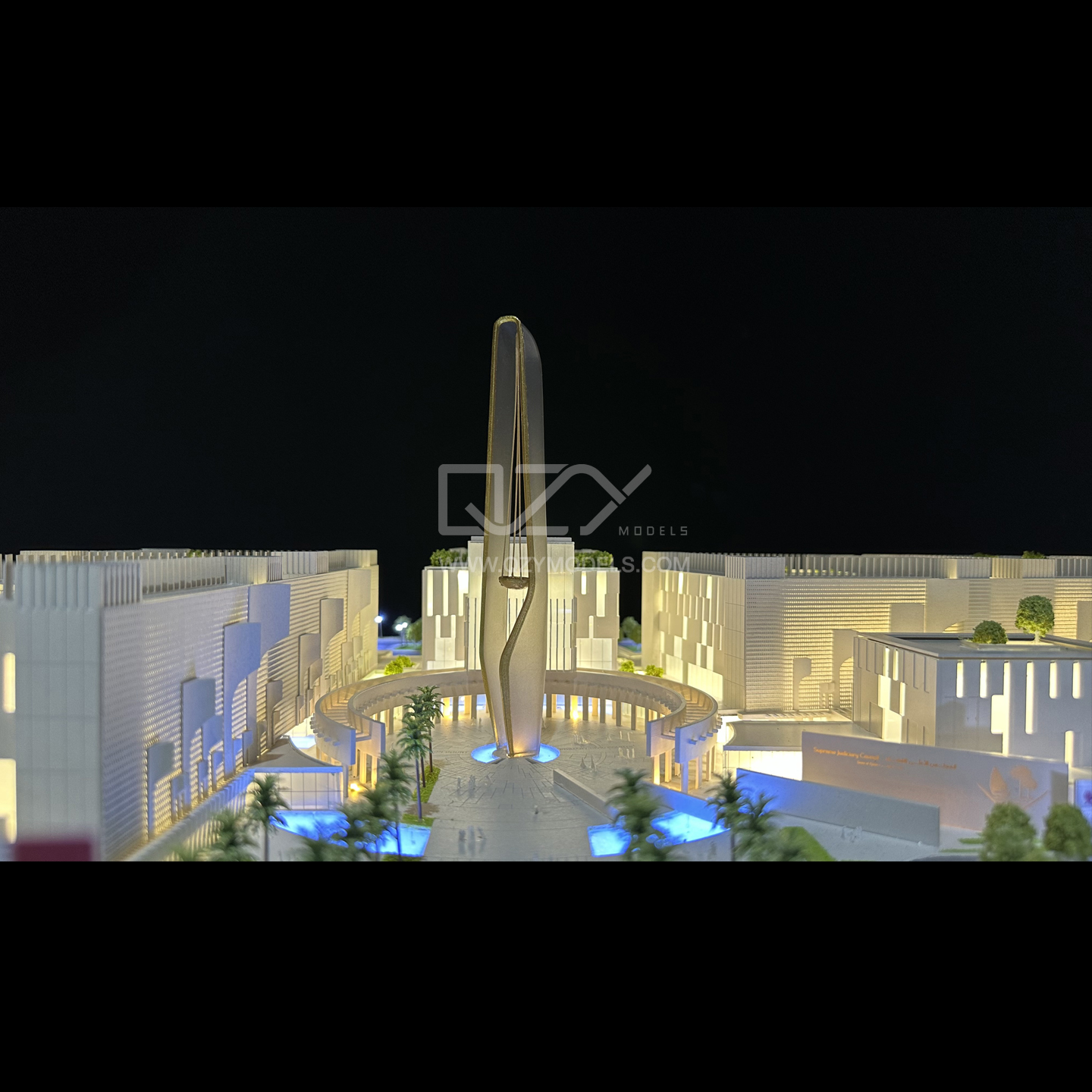
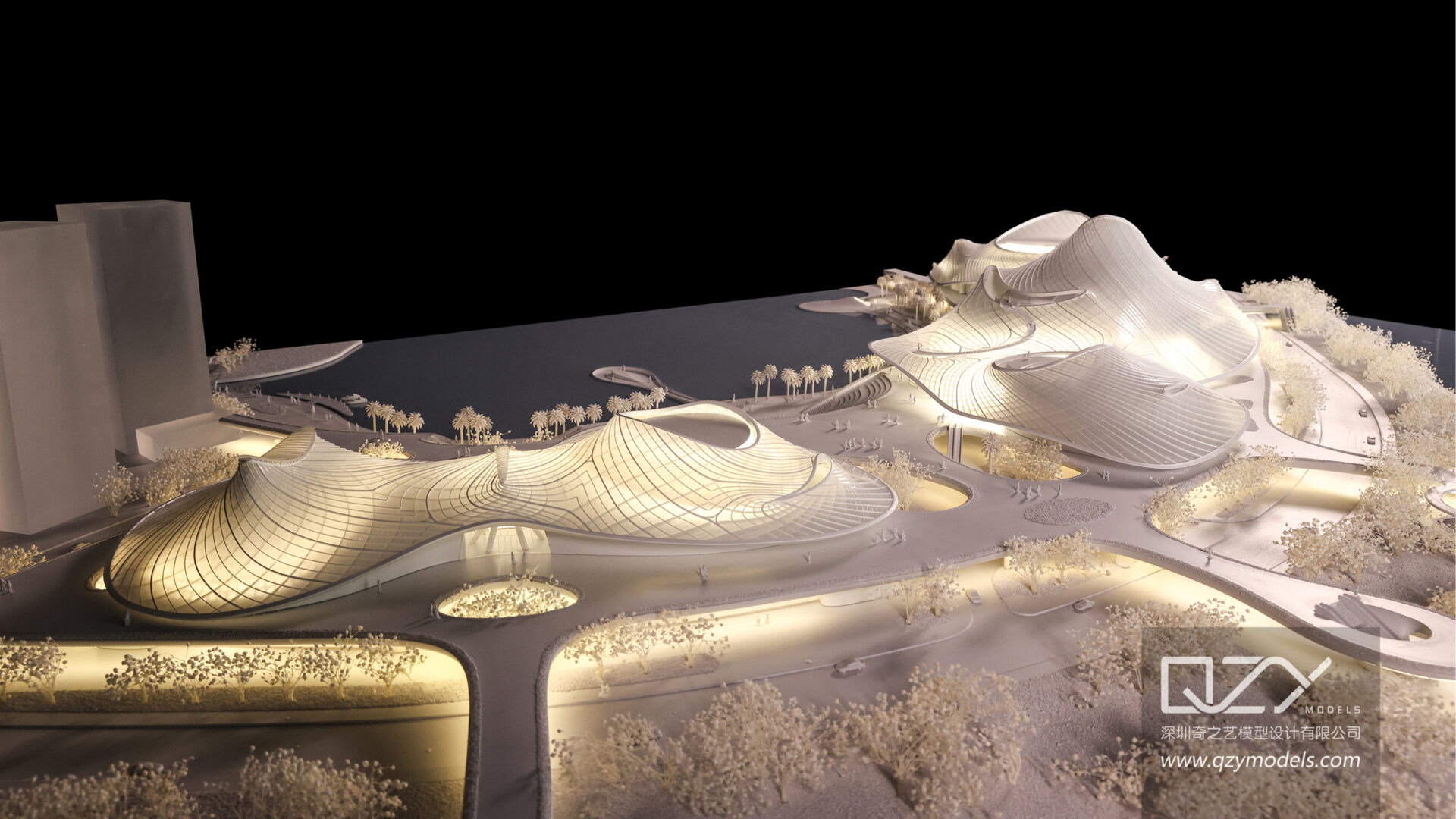
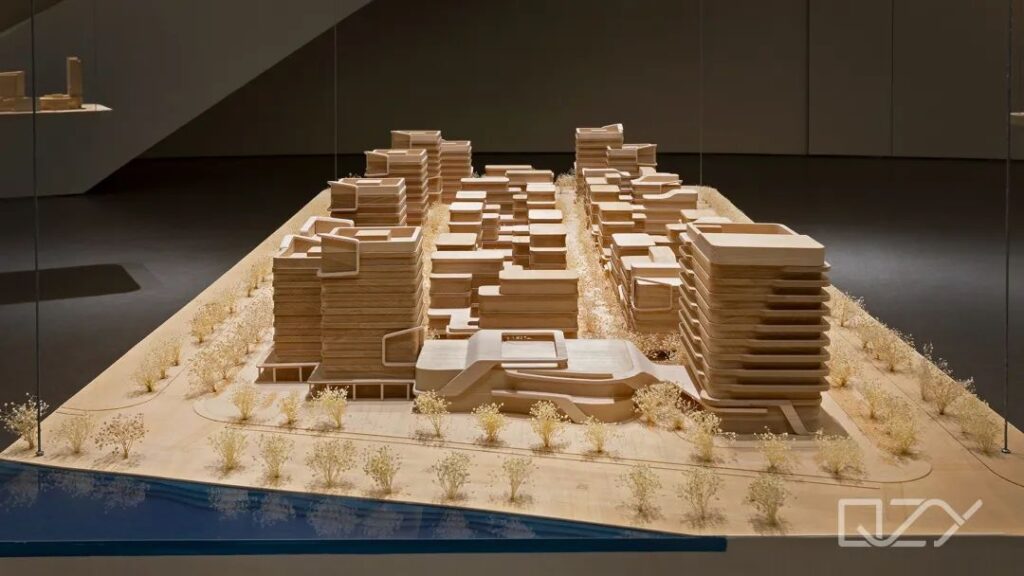
Model houses are precise, scaled replicas of residential designs, enabling architects, developers, and interior designers to visualize layouts, test proportions, and showcase properties to clients. Using materials like acrylic, wood, foam, and LEDs, they range from conceptual prototypes to detailed presentation pieces. QZY Models specializes in crafting these high-fidelity models for real estate sales and architectural visualization worldwide.
How Do Model Houses Function?
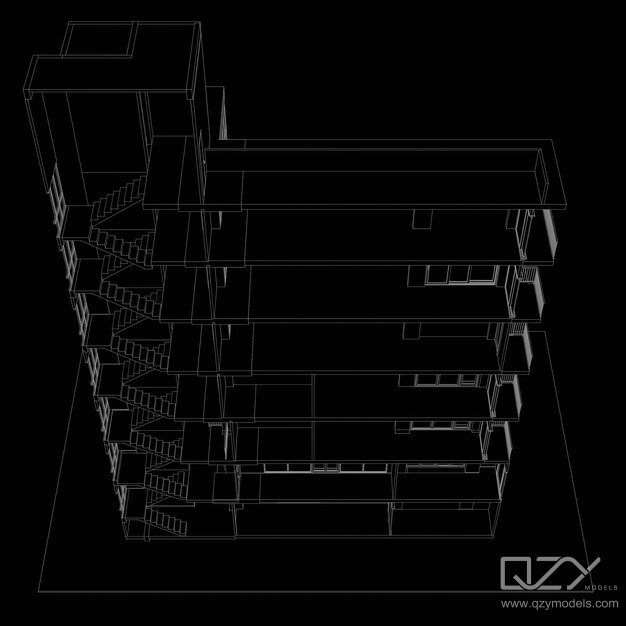
Model houses transform digital plans into three-dimensional physical representations, capturing both exterior and interior details. They allow stakeholders to identify design flaws, understand spatial relationships, and experience lighting, textures, and room flows firsthand. QZY Models integrates sectional cuts, interactive lighting, and AR technology to enhance realism, serving developers, design schools, and private collectors globally. These models bridge blueprints and reality, improving communication and decision-making.
| Model Type | Purpose | Materials | Scale |
|---|---|---|---|
| Conceptual | Early ideation | Foam, basic plastics | 1:200–1:100 |
| Working | Design refinement | Laser-cut wood, acrylic | 1:100 |
| Presentation | Marketing, sales | Acrylic, LEDs, resin | 1:100–1:50 |
| Sectional | Interior flow study | Acrylic, foam, resin | 1:50–1:100 |
Why Are Model Houses Used in Design?
Model houses clarify proportions, detect construction issues, and impress clients with immersive previews. They reduce revisions by 20–30% and accelerate approvals. QZY Models adds interactive features such as motorized roofs, LED lighting, and AR walkthroughs, making models effective tools for exhibitions, private sales, and educational purposes. They provide tactile and visual feedback, enhancing engagement and marketing impact in competitive real estate markets.
How to Choose Model House Types?
Select types based on project stage and goals: conceptual for early ideas, working for design validation, presentation for client engagement, and sectional for interior analysis. QZY Models offers hybrid approaches, combining physical models with AR for interactive demonstrations. Consider scale, display space, durability for transport, and interactivity to maximize impact for exhibitions or investor presentations.
Which Materials Are Best for Model Houses?
Key materials include acrylic for windows, balsa wood for walls and roofs, foam for terrain and base, and 3D resins for intricate details. Fabric and LEDs enhance realism, while sustainable and UV-resistant options increase durability. QZY Models sources eco-friendly woods and composites, ensuring photorealistic finishes suitable for global climates, including desert regions in the Middle East.
| Material | Ideal Use | Durability | Cost |
|---|---|---|---|
| Acrylic | Glass elements, facades | High | Medium |
| Balsa Wood | Walls, roofs | Medium | Low |
| Foam | Base, terrain | Low | Low |
| 3D Resin | Fine detailing | High | High |
How Are Model Houses Constructed?
Construction starts with scaled CAD files, followed by base and structure assembly. Details such as windows, doors, landscaping, and lighting are added, then finishes are applied. QZY Models uses CNC machining, 3D printing, and precise hand-finishing. Their 4–8 week workflow includes prototyping, electronics wiring, quality control, and iterative adjustments based on client feedback, ensuring high-fidelity, durable, and photorealistic results.
What Advanced Techniques Improve Model Houses?
Advanced techniques include AR and VR integration, LED and fiber-optic lighting, motorized elements, 3D scanning, and eco-friendly materials. QZY Models pioneers solar-powered lights for green homes, vacuum-formed curves for complex geometries, and sensor-triggered animations, transforming models into immersive, interactive tools that enhance buyer engagement and drive sales.
QZY Models Expert Views
“Model houses at QZY Models combine craftsmanship with technology to create compelling, realistic experiences. Founder Richie Ren integrates AI-assisted design, AR, and interactive lighting, producing models that boost client conversions and shorten sales cycles. Our projects, from luxury villas to high-end developments in the Middle East and Europe, reflect durability, precision, and aesthetic excellence. QZY Models turns architectural visions into tangible assets that communicate, inspire, and sell.”
— Richie Ren, Founder, QZY Models
When Should Model Houses Be Commissioned?
Commission models early during concept design, mid-phase for design validation, or before pre-sales for marketing. Early involvement identifies potential design flaws, while mid-stage models confirm layouts. QZY Models recommends 4–6 week lead times for standard projects, ensuring alignment with project milestones. High-value residential developments benefit most from timely commissioning, maximizing ROI and engagement.
Which Scales Work Best for Model Houses?
Common scales include 1:200 for overviews, 1:100 for detailed houses, and 1:50 for luxury interiors or sectional models. QZY Models customizes scales to match display environments, transport needs, and client requirements, balancing visual impact with portability.
Can Model Houses Boost Real Estate Sales?
Yes. Immersive, tactile models increase buyer engagement by up to 35%, accelerating decision-making compared with digital renders alone. They evoke emotional connections, highlight unique features, and differentiate listings in competitive markets.
Conclusion
Model houses streamline design processes, reduce errors, and enhance sales through tangible realism. Key takeaways: choose the right model type and scale, select durable and realistic materials, leverage advanced technologies, and collaborate with experts like QZY Models for flawless execution. Actionable advice: prototype early, integrate interactivity, measure sales impact, and iterate for optimal results.
FAQs
What scales are used for model houses?
1:50–1:200; 1:100 balances detail with manageability.
How long does it take to build a model house?
Typically 2–8 weeks depending on complexity and interactive features.
Are model houses environmentally friendly?
Yes, when built with recycled materials, eco-friendly resins, and efficient LEDs.
Can model houses replace digital renders?
No, they complement digital tools by providing tactile, immersive experiences.
Who commonly commissions model houses?
Developers, architects, interior designers, realtors, and design educators.