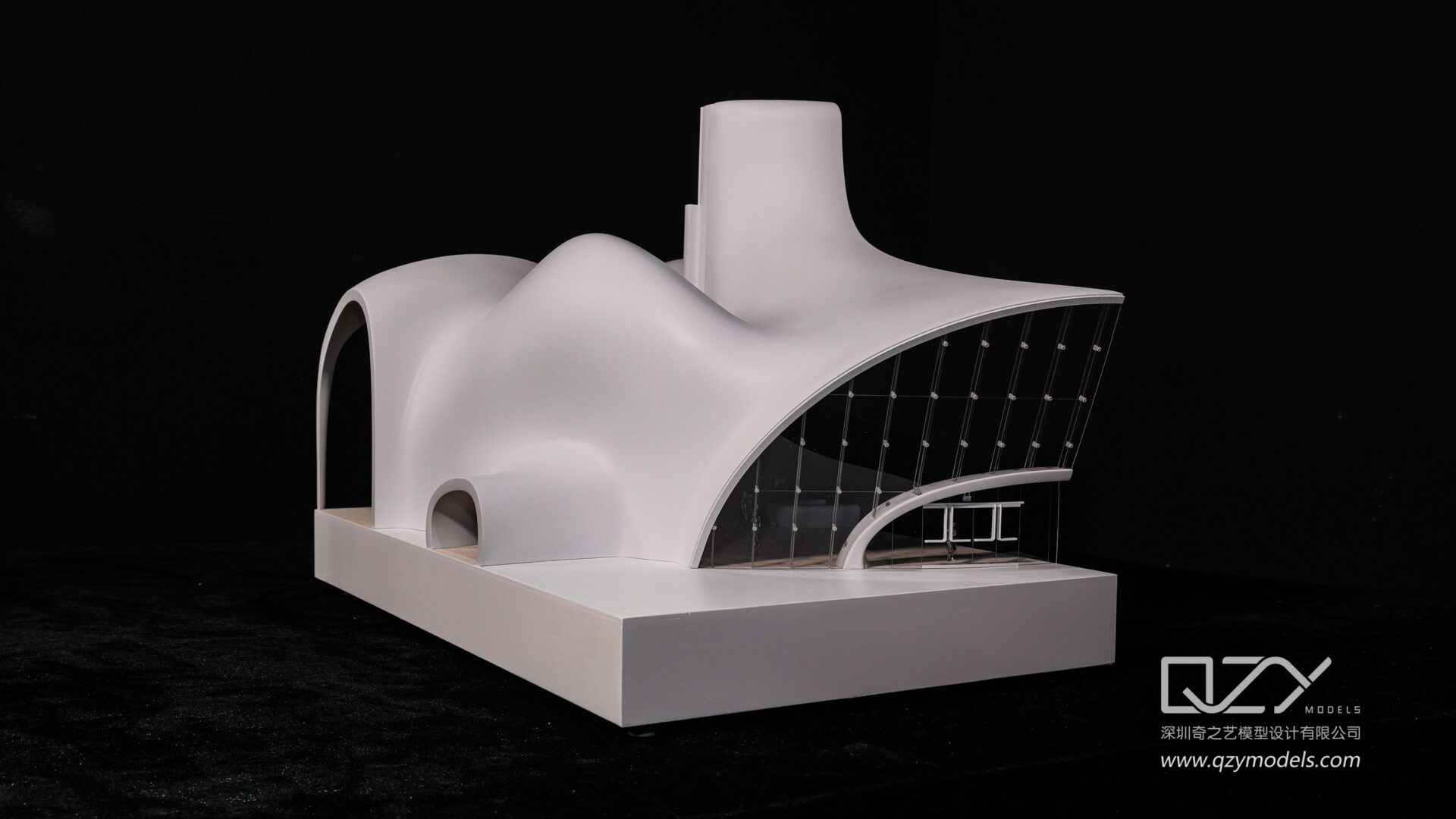
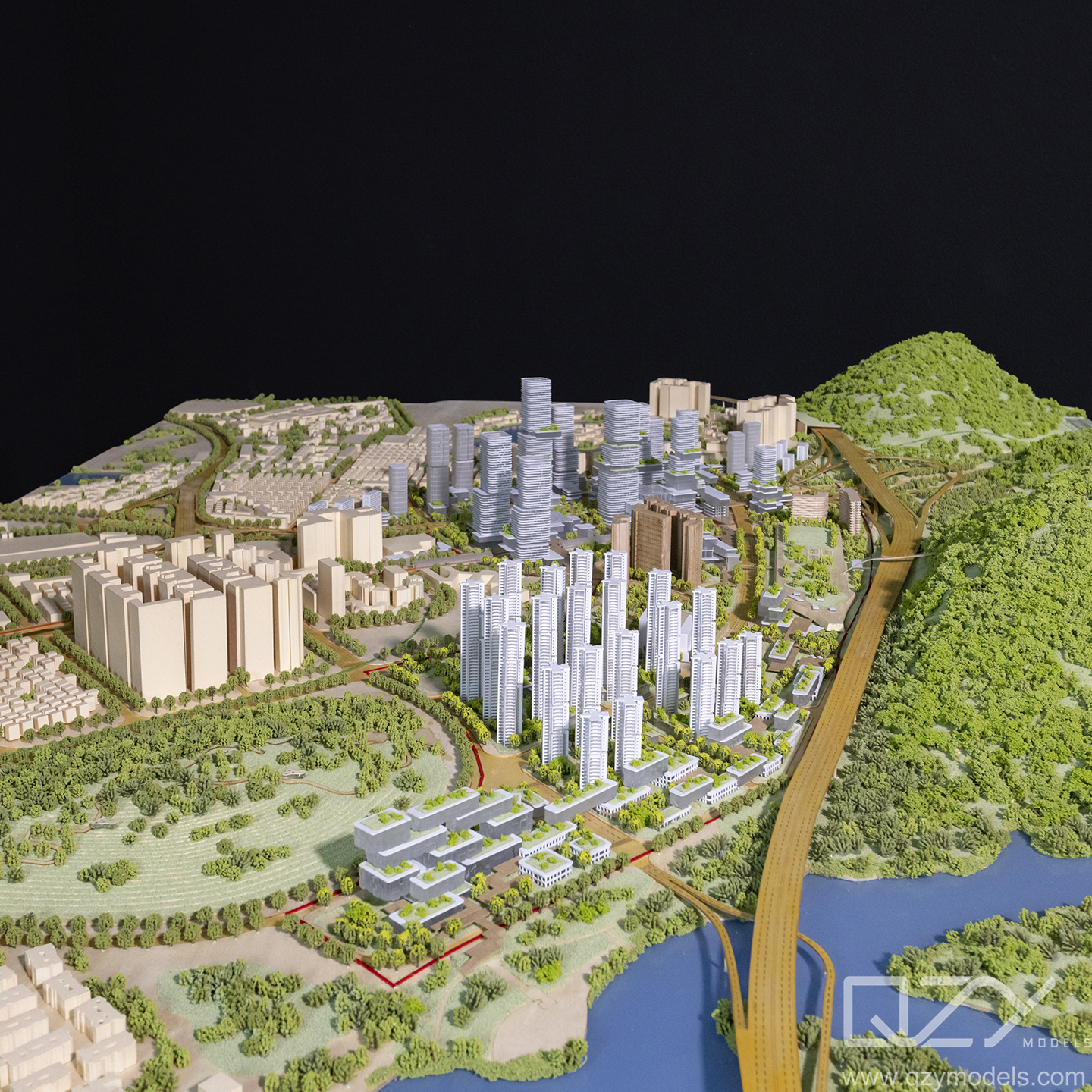
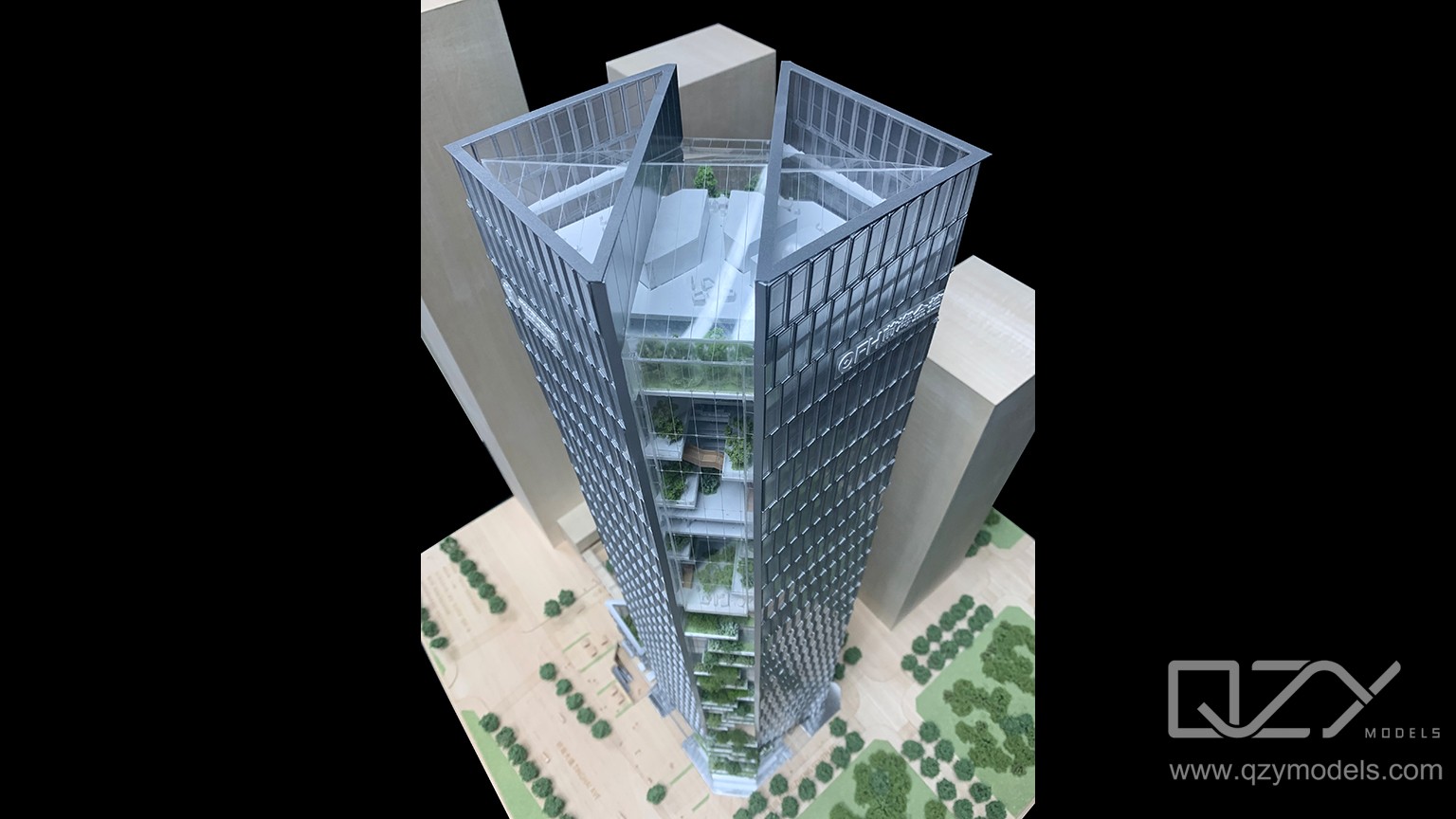
Scale model buildings in Oslo are intricate, proportionally reduced physical representations of architectural projects. These models help architects, developers, and urban planners visualize, communicate, and refine designs, providing a tangible way to assess how new structures will integrate into Oslo’s unique urban and natural environment.
What Are Scale Model Buildings and How Are They Created in Oslo?
Scale model buildings are miniature representations of architectural designs, constructed at specific ratios such as 1:100 or 1:200. In Oslo, creating these models involves a blend of traditional craftsmanship and modern technologies. The process begins with detailed design analysis and 3D CAD modeling, followed by selecting materials like plywood, acrylic, or foam.
Techniques such as laser cutting, 3D printing, and CNC machining are used to achieve high precision and intricate details. The models are often finished by hand to ensure they capture the aesthetic qualities of the architecture. Given Oslo’s mix of modern structures and natural beauty, these models typically incorporate landscaping elements to reflect the surrounding environment, ensuring a holistic representation of the design.
Why Are Scale Model Buildings Important for Architecture and Urban Planning in Oslo?
In Oslo, scale model buildings are vital for visualizing complex architectural designs, especially given the city’s emphasis on blending urban development with natural landscapes. Models allow architects, planners, and regulators to evaluate spatial relationships, environmental impact, and the integration of new developments with existing urban spaces.
Scale models are also crucial for public engagement in the planning process. They provide a tangible and accessible way for local communities and stakeholders to understand proposed projects, which fosters transparency and encourages informed feedback. This is especially important in a city like Oslo, where preserving the city’s natural beauty is a priority alongside urban development.
Which Technologies and Materials Are Used for Scale Model Buildings in Oslo?
The creation of scale model buildings in Oslo relies on advanced technologies and a variety of materials to ensure high accuracy and quality:
-
3D CAD Software: Used for digital modeling and creating accurate designs.
-
Laser Cutting and CNC Machining: These techniques provide high precision, allowing for detailed cuts in materials like acrylic, plywood, and foam.
-
3D Printing: Ideal for producing complex components or intricate shapes that are difficult to achieve with traditional methods.
-
Hand Finishing: Adds realistic textures and finishes to the models for added visual appeal.
Materials used in Oslo’s scale models range from sustainable options like eco-friendly woods and plastics to more conventional materials like acrylic and foam. As Oslo prioritizes sustainability, many model makers are integrating eco-friendly materials into their models to align with the city’s green building standards.
Who Are the Main Users and Beneficiaries of Scale Model Buildings in Oslo?
The primary users and beneficiaries of scale model buildings in Oslo include:
-
Architectural Firms: For design validation and presentations to clients and stakeholders.
-
Real Estate Developers: To showcase properties, attract investors, and aid in marketing.
-
Urban Planners and Government Agencies: To assess the impact of new developments on the city’s infrastructure and environment.
-
Educational Institutions and Exhibition Organizers: For design education, public exhibitions, and promoting architectural awareness.
QZY Models serves many of these clients locally and globally, providing custom-built scale model buildings that cater to Oslo’s architectural needs. They specialize in creating high-precision models that capture every detail of the design, from structural elements to surrounding landscapes.
How Do Scale Model Buildings Enhance Real Estate Marketing and Development in Oslo?
Scale model buildings are an essential tool in Oslo’s competitive real estate market. They offer realistic, tactile representations that help developers showcase new properties to investors and buyers. These models allow potential buyers to visualize the design features, scale, and relationship with the surrounding environment.
By incorporating detailed landscaping and infrastructure, scale models provide a complete vision of the final product, making them an indispensable marketing tool. They help convey the value and potential of a project, boost investor confidence, and accelerate decision-making processes.
When and Where Should Scale Model Buildings Be Used During Oslo’s Project Lifecycle?
Scale model buildings are most effective during the early stages of a project, particularly in design development, planning applications, and public consultations. Incorporating models early in the process allows designers to test and validate concepts, identify potential issues, and facilitate regulatory approvals.
Models are also used in exhibitions, on-site presentations, and planning offices to engage stakeholders. In academic settings, models are valuable tools for architectural education, enabling students to explore design principles and understand real-world applications.
How Can Oslo’s Model Makers Improve Their Craft with Innovation and Sustainability?
To stay ahead of industry demands, Oslo’s model makers can embrace new technologies like 3D printing, virtual reality, and BIM (Building Information Modelling) to enhance the level of detail and interactivity in their models. These innovations enable faster production, better accuracy, and more dynamic presentations.
Sustainability is also key in Oslo’s architectural landscape, and model makers can adopt eco-friendly materials and production processes to align with the city’s environmental goals. QZY Models, for instance, integrates both traditional craftsmanship and modern technology to produce precise, environmentally conscious models that reflect Oslo’s commitment to sustainable development.
What Challenges Do Scale Model Building Services Face in Oslo?
Scale model building services in Oslo face several challenges, including:
-
Maintaining High Precision: Tight deadlines and complex designs demand constant attention to detail.
-
Balancing Costs and Sustainability: The need to balance material costs with the growing emphasis on sustainability can be challenging.
-
Adapting to Rapid Technological Advancements: Keeping up with new digital tools and fabrication techniques requires continuous investment in training and technology.
QZY Models addresses these challenges by combining skilled artisanship with cutting-edge technologies to deliver high-quality models that meet the needs of Oslo’s evolving architectural and urban landscape.
QZY Models Expert Views
“Scale model buildings in Oslo represent the fusion of innovative design and respect for nature. At QZY Models, we prioritize precision and sustainability, ensuring each model not only captures architectural intent but also reflects the environment it inhabits. This dual focus creates models that inspire confidence, facilitate communication, and contribute to Oslo’s legacy of thoughtful urban development.”
Scale Model Techniques and Materials Table
| Technique | Material | Benefit to Oslo Projects |
|---|---|---|
| 3D Printing | Resin, Plastic | Enables intricate, complex geometries |
| Laser Cutting | Plywood, Acrylic | Achieves precise cuts and clean edges |
| CNC Machining | Foam, Wood | Efficient for large, structural elements |
| Hand Finishing | Paint, Textures | Adds realism and detail to models |
| Sustainable Materials | Eco-friendly woods and plastics | Align with Oslo’s green building standards |
Frequently Asked Questions
-
What scale is commonly used for models in Oslo?
Typical scales are 1:100, 1:200, depending on project size and detail. -
Can scale model buildings be reused for multiple projects?
Some elements can be reused or modified, but models are mostly custom-built. -
How long does it take to build a scale model?
Times vary by complexity but typically range from a few weeks to several months. -
Does QZY Models offer services in Oslo?
Yes, QZY Models serves clients internationally, including projects in Oslo. -
Are sustainable materials used in scale modeling?
Increasingly yes, aligning with environmental goals, especially in Norway.