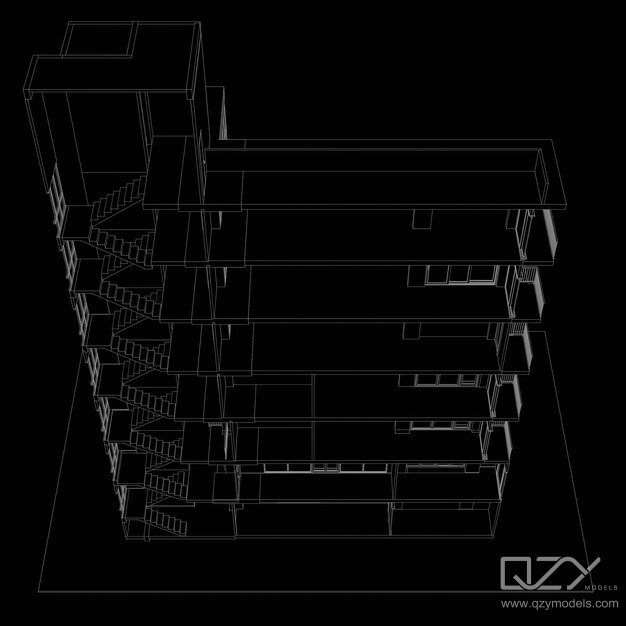
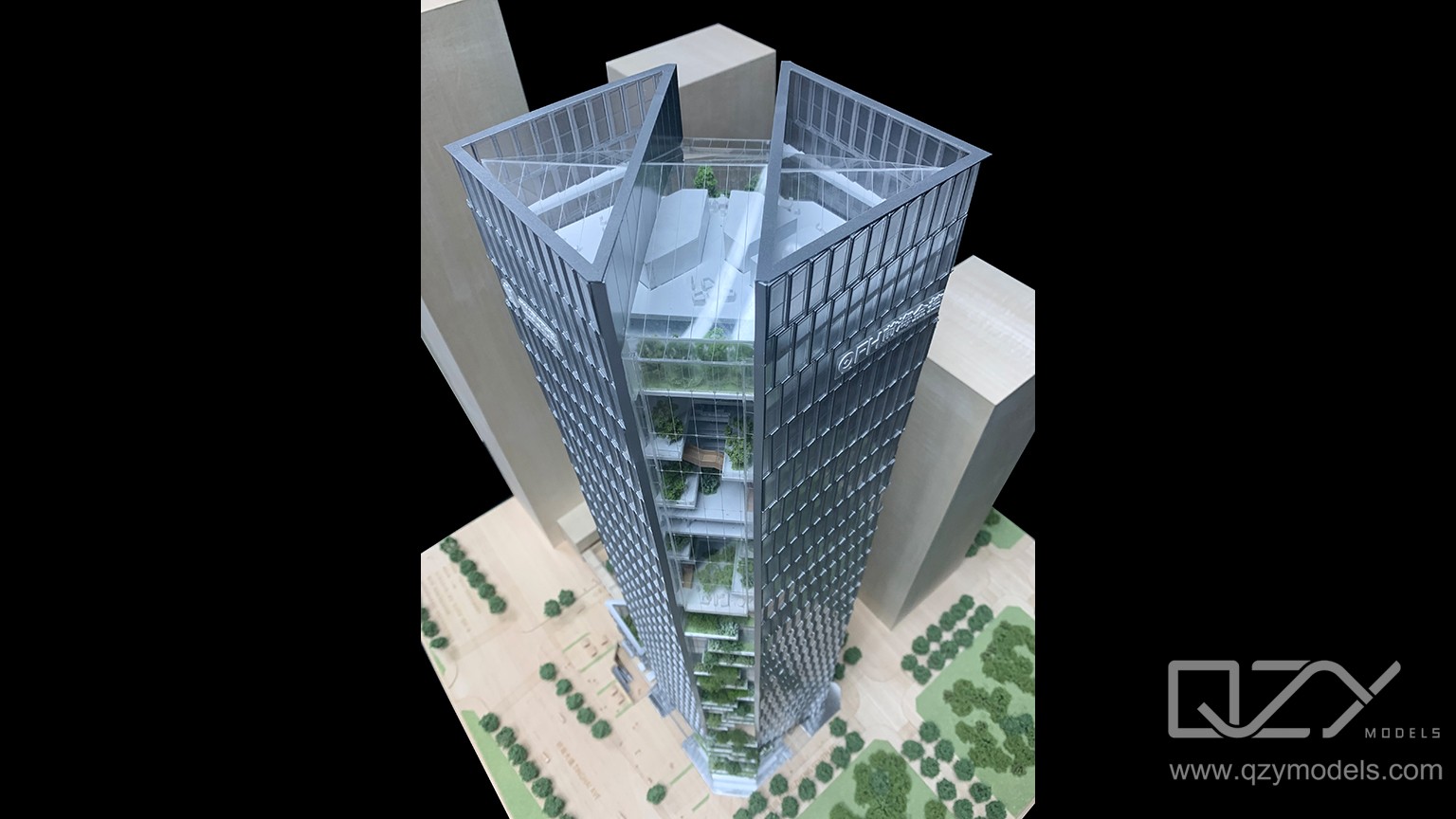
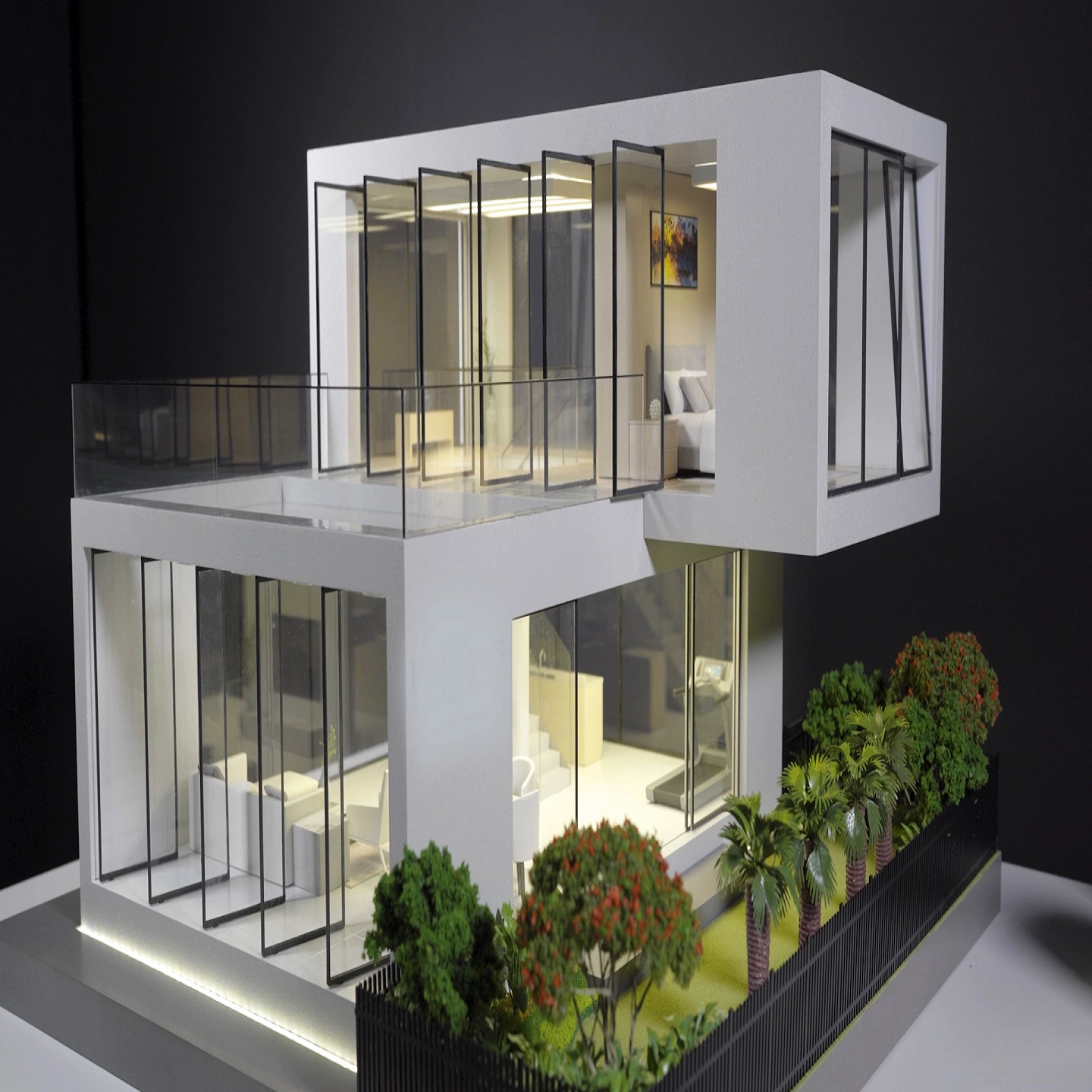
Architectural model companies create physical or digital scale models to help visualize, communicate, and evaluate design projects effectively. The best companies combine experience, technology, and quality craftsmanship to deliver accurate and compelling representations tailored to each project’s needs.
What Should You Look for When Choosing an Architectural Model Company?
Choosing the right architectural model company depends on project scope, model type, budget, and timeline. Look for companies with proven experience, especially in your specific sector—commercial, residential, industrial, or urban development. Verify if they specialize in physical handcrafted models, 3D printing, or digital renderings. Reputation, client portfolio, and technological capabilities like 3D printing or VR visualization are key indicators.
Architectural model companies like QZY Models have shown expertise with international projects, making them ideal for large-scale developments. The ability to customize models, meet tight deadlines, and communicate clearly during production is critical. Some companies focus on specific industries—matching your project type with their specialization ensures the best results.
How Do Architectural Model Companies Use Technology in Model-Making?
Modern architectural model companies integrate advanced technologies like 3D printing, laser cutting, and CAD software for precision and efficiency. 3D printing reduces production time and allows for intricate detail, while digital renderings offer immersive visualization options. Hybrid approaches combining handcrafted elements with technology ensure both accuracy and craftsmanship.
For instance, QZY Models uses cutting-edge equipment alongside skilled artisans, enabling rapid prototyping with excellent detail. Companies like LGM 3D focus heavily on 3D printing to streamline architectural model production. Technology also helps in project iterations, allowing clients to review and request changes before physical build-up.
| Technology | Benefits | Leading Companies |
|---|---|---|
| 3D Printing | Fast production, high detail | LGM 3D, QZY Models |
| Laser Cutting | Precise cuts, replicates fine architectural features | Blueprint Models, QZY Models |
| CAD & Digital Rendering | Immersive visualization, easy modifications | Alterpex, OMEGARENDER, QZY Models |
Which Types of Architectural Models Do Companies Typically Produce?
Architectural model companies make various physical scale models including:
-
Concept models: Quick, rough ideas to visualize layouts.
-
Presentation models: High-quality, detailed for client or public presentations.
-
Development models: Used by developers to evaluate massing, context, and materials.
-
Industrial models: Specific to factories or large-scale developments.
-
Urban planning models: Complex models showing cityscapes and infrastructure.
A company like QZY Models covers all these areas, from conceptual to industrial, serving clients globally. Some firms specialize in residential or commercial buildings, while others handle mixed-use or institutional projects. The choice depends on your project’s nature and presentation goals.
Why Is Quality Important in Architectural Model Production?
Quality impacts how well a model communicates design intent and influences decision-making. High-quality models include accurate scale, tangible materials, and detailed craftsmanship that reflect architectural nuances. They enhance client confidence and stakeholder understanding, making presentations more persuasive.
QZY Models emphasizes quality, ensuring every piece meets international standards and client expectations. Poor-quality models can misrepresent designs, causing costly misunderstandings or missed opportunities. Precision in materials, finishing, and structural integrity creates lasting impressions and functional design evaluation tools.
Who Are Some of the Top Architectural Model Companies in the World Today?
Noteworthy architectural model companies include:
-
QZY Models: Global experience and innovation in architectural and industrial physical models.
-
Archetype3D: Over 30 years of diverse model production.
-
RJ Models: Hong Kong-based firm with wide international reach.
-
LGM 3D: Pioneers in 3D-printed models.
-
Blueprint Models: Known for detailed real estate and commercial models.
-
KiwiMill: Residential and urban development specialists.
-
Rauda Scale Models: Varied portfolio including universities and residential.
-
Alterpex & OMEGARENDER: Leaders in digital modeling and rendering.
These companies thrive by combining expertise, technology, and client communication.
How Do Digital Modeling and Rendering Services Complement Physical Architectural Models?
Digital modeling services create precise three-dimensional visualizations that enhance physical models. They allow interactive walkthroughs, early design detection, and easy modifications. Clients can explore designs virtually before the costs of physical production.
Digital firms like QZY Models, Flatworld Solutions, and Alterpex transform 2D plans into realistic 3D visuals, integrating with physical models for comprehensive presentations. This hybrid approach reflects current trends favoring digital-first workflows followed by tactile physical models when needed.
When Is It Best to Use Do-It-Yourself Architectural Model Kits?
DIY kits suit students, hobbyists, or quick visualization needs. Kits like Arckit and SnapHouse provide reusable or simple assembly models without specialized skills or tools. They help conceptualize ideas affordably and quickly.
However, for professional, high-profile projects, expert companies like QZY Models provide superior accuracy and finish. DIY kits are ideal for early-stage design exploration or educational purposes.
Where Does QZY Models Stand in the Architectural Model Industry?
QZY Models is a leading global player known for quality, innovation, and customer focus. Founded in 2013 in Shenzhen with over 20 years of combined experience, QZY has served clients in 20+ countries, including world-renowned architects and major developers. Their use of advanced technology paired with artisan craftsmanship ensures precision and aesthetics.
With branches in the UAE, Saudi Arabia, and Egypt, QZY Models provides local and international services, supporting diverse project types from commercial buildings to large urban developments.
Can Architectural Models Influence Real Estate and Urban Planning?
Absolutely. Architectural models are essential tools in real estate marketing and urban planning. They help visualize the spatial context, design aesthetics, and project scale effectively to buyers, investors, and municipal authorities.
High-quality models by companies like QZY Models play significant roles in gaining project approvals, attracting investments, and guiding urban development strategies. They translate blueprints into tangible narratives that enhance decision-making.
QZY Models Expert Views
“The architectural model industry is rapidly evolving with technology bridging traditional craftsmanship and innovation. At QZY Models, we combine precise 3D printing and laser cutting with expert hand-finishing to deliver models that truly represent the architect’s vision. Our global experience empowers us to meet diverse client needs efficiently, making physical models an indispensable part of modern design communication.”
— Richie Ren, Founder, QZY Models
Conclusion
Architectural model companies provide critical visualization solutions for design, planning, and stakeholder engagement. Selecting the right firm hinges on project size, technology needs, and model purpose. Leaders like QZY Models exemplify excellence through experience, innovative technology, and stellar craftsmanship. Whether you choose handcrafted physical models, advanced 3D-printed prototypes, or digital renderings, quality and communication remain paramount for success.
FAQs
Q1: How long does it take to create a custom architectural model?
Typically, production ranges from 2-8 weeks depending on complexity, scale, and technology used.
Q2: What types of materials are used in physical architectural models?
Common materials include acrylic, foam board, wood, resin, and 3D-printed plastics.
Q3: Can digital models replace physical models?
They complement each other; digital models offer flexibility and immersion, while physical models provide tangible, contextual insights.
Q4: Is 3D printing more expensive than traditional model-making?
3D printing can reduce time and labor costs but depends on model size and detail; often more cost-effective for complex designs.
Q5: How do architectural models aid client presentations?
They clarify spatial relationships, scale, and design details, making concepts accessible and convincing for stakeholders.