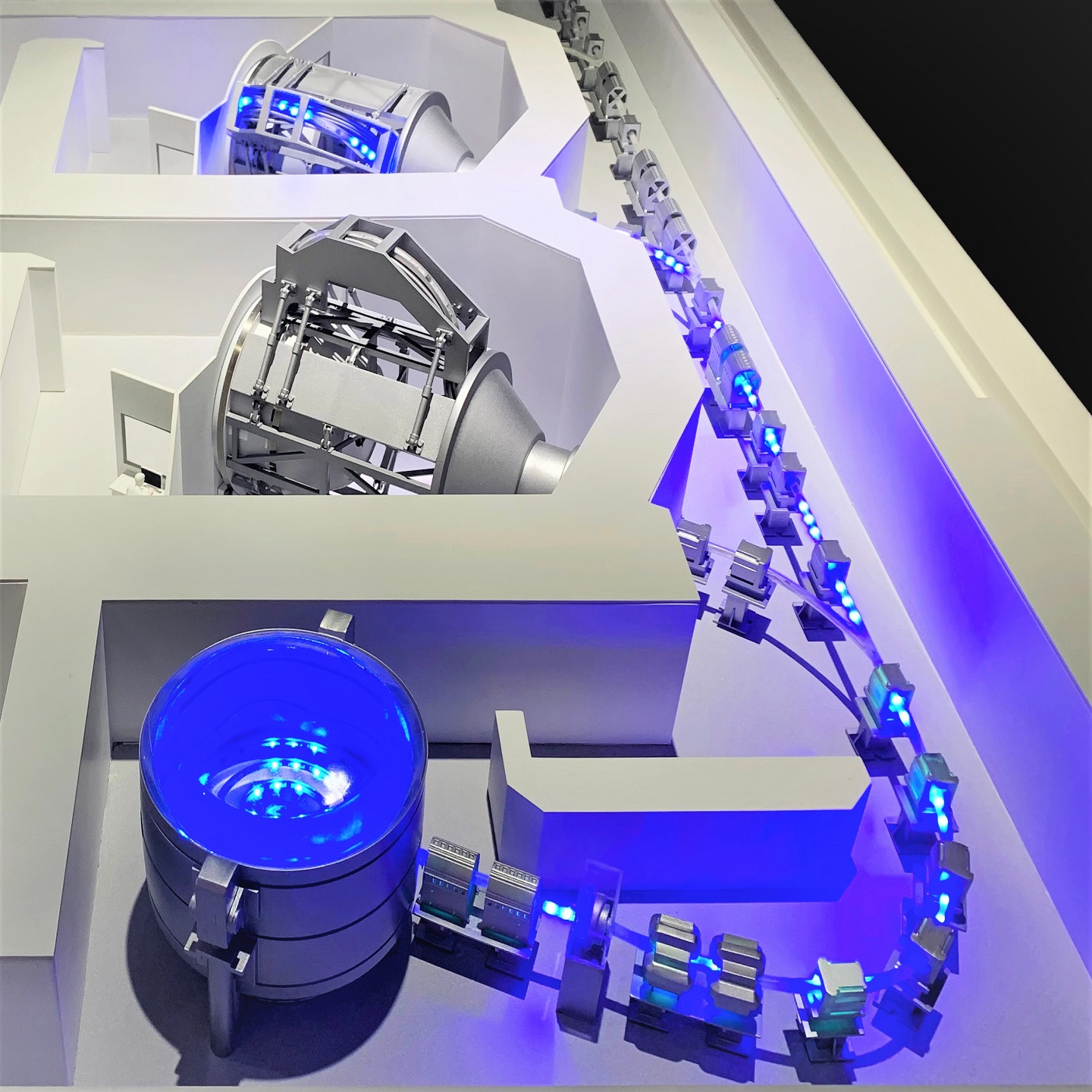
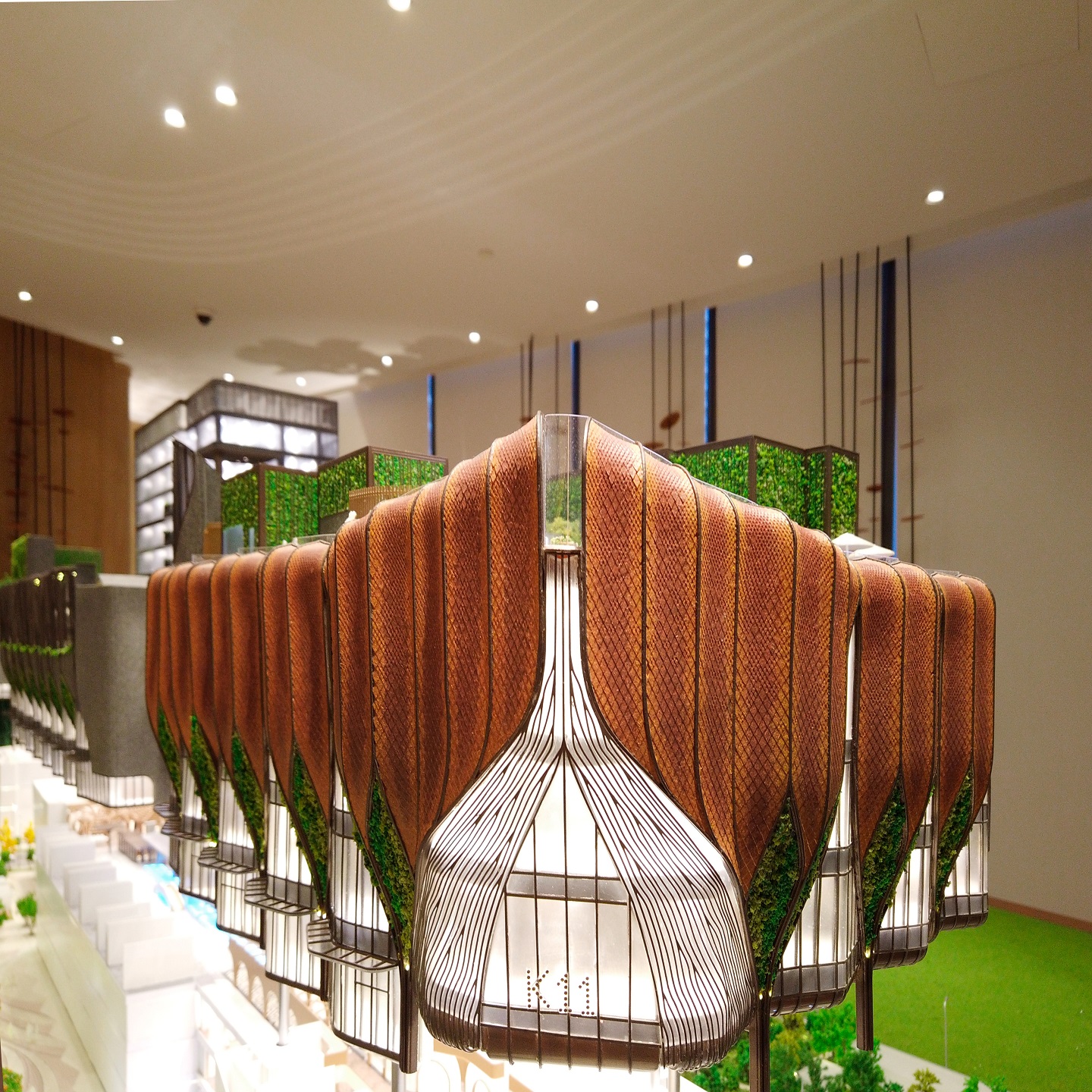
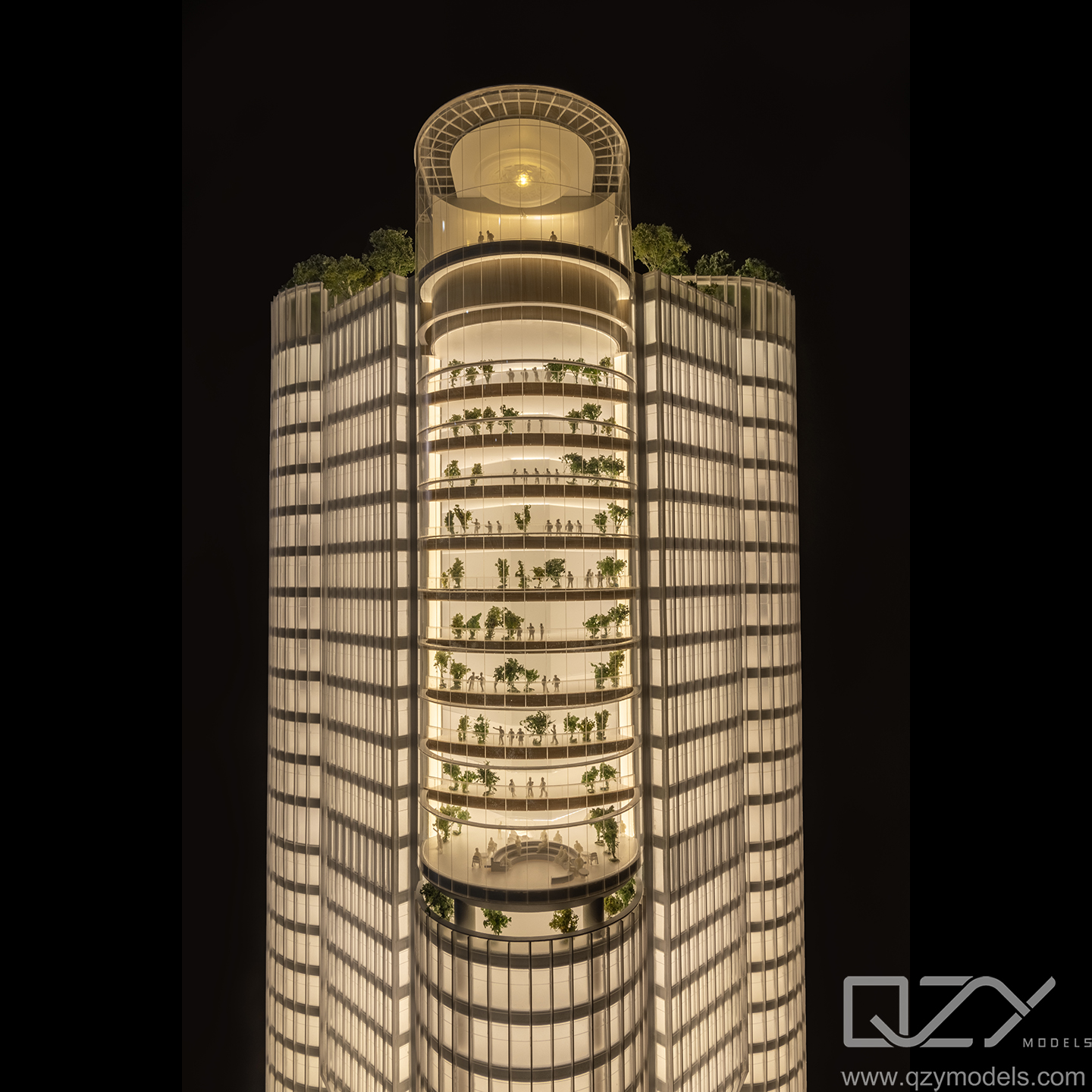
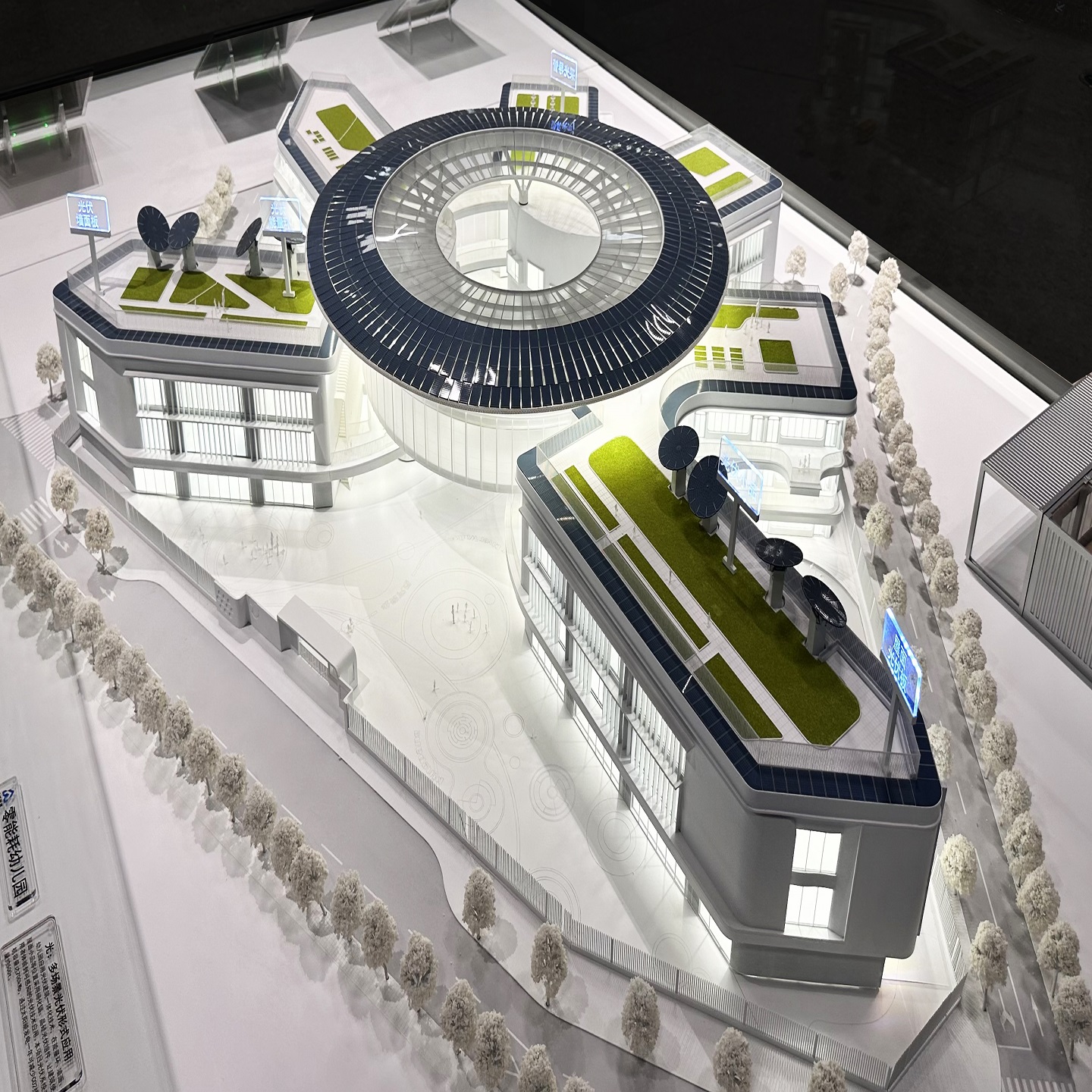
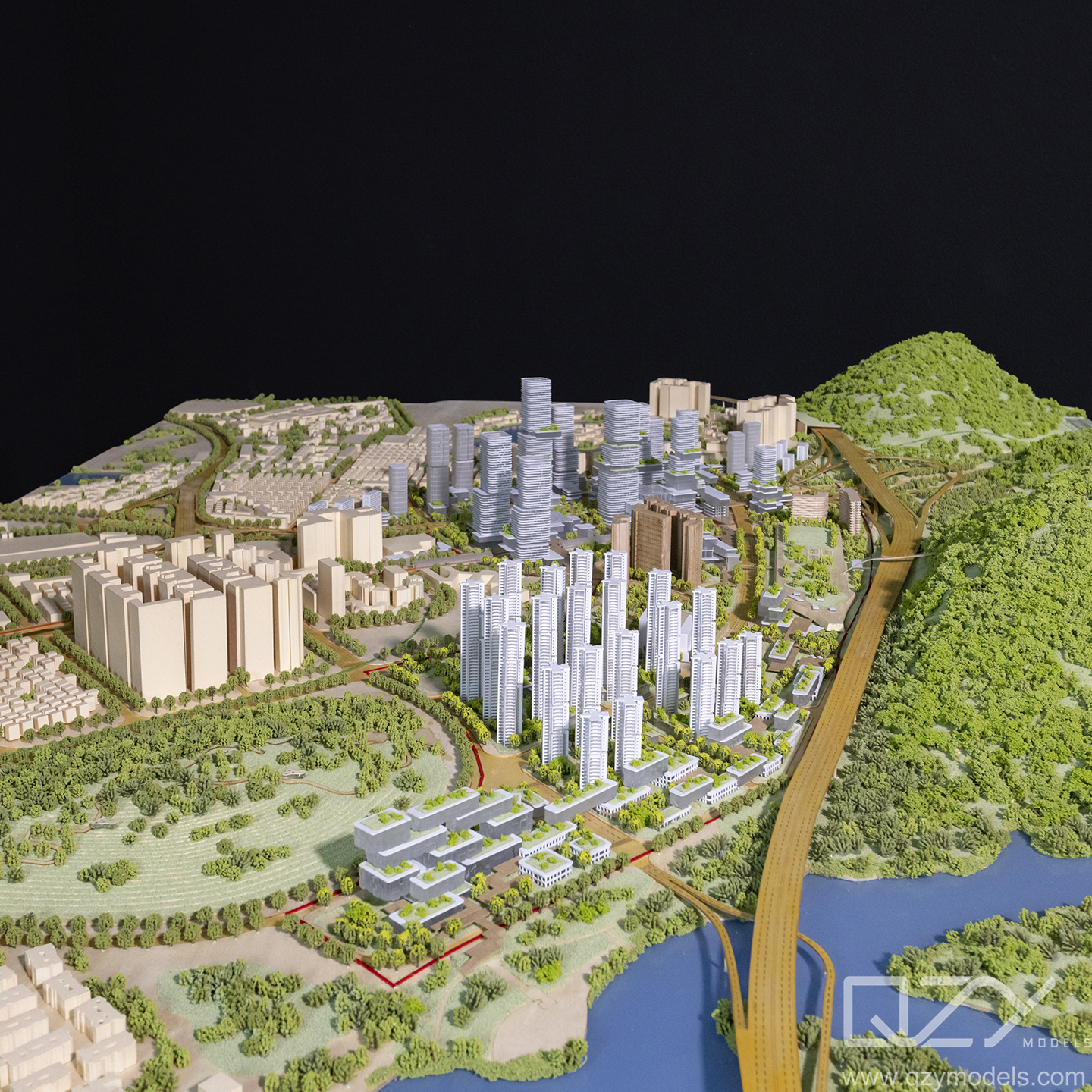
Architectural model design solutions provide tailored, innovative methods and materials for creating precise, detailed, and functional physical models. These solutions enhance visualization, communication, and design validation for architects and clients. Firms like QZY Models combine craftsmanship with advanced technology such as 3D printing and laser cutting to deliver custom architectural models that drive project clarity and success.
What Are Architectural Model Design Solutions and Why Are They Important?
Architectural model design solutions refer to comprehensive approaches and techniques used to create scale models reflecting the architectural project’s unique features and context. They are important because physical models help visualize complex designs, test concepts, communicate ideas effectively to stakeholders, and identify potential design issues early. Quality solutions—offered by experts like QZY Models—ensure models are accurate, visually appealing, and aligned with project goals.
Models act as essential tools bridging abstract designs and real-world applications.
How Are Architectural Models Designed and Produced?
Designing architectural models starts with detailed project analysis, including CAD data interpretation and scale selection. Production involves combining traditional craftsmanship with digital fabrication methods such as 3D printing, laser cutting, CNC machining, and hand finishing. Companies like QZY Models integrate iterative prototyping with client feedback and select materials best suited to the model’s purpose and detail level, ensuring precise, durable, and realistic outcomes.
Collaboration between designers and model makers is key to success.
Which Materials and Technologies Are Most Effective for Architectural Model Design?
Materials range from foam board, wood, and acrylic for basic structures to resins and metals for intricate details. Advanced technologies like SLA or SLS 3D printing achieve high-resolution features, while laser cutting offers precision in facades and structural elements. Combining these leads to models that balance detail, durability, cost, and aesthetics. QZY Models strategically customizes material-technology pairings to meet diverse architectural needs.
Table: Materials and Technologies in Architectural Model Design
| Material | Technology | Key Uses | Benefits |
|---|---|---|---|
| Foam Board | Hand crafting | Concept models, massing | Lightweight, easy shaping |
| Wood | CNC Machining | Structural and presentation models | Durable, natural aesthetic |
| Acrylic | Laser Cutting | Transparent elements, facades | Clarity, precision |
| Resin / Plastic | 3D Printing (SLA/SLS) | Detailed components, facades | High detail, complex geometry |
| Metal Sheets | Laser cutting / Handcrafting | Roofs, fixtures | Strong, realistic finish |
Why Should Architects Invest in Customized Model Design Solutions?
Customized model design solutions ensure that models accurately represent the project’s scale, materials, and spatial relationships. They accommodate unique design complexities, client preferences, and presentation needs. Investing in tailored solutions enhances client communication, speeds design iteration, supports regulatory approvals, and strengthens marketing efforts. QZY Models’ bespoke approach leverages expertise and technology to create impactful, precise models that align perfectly with project visions.
Personalization boosts clarity, professionalism, and stakeholder confidence.
When Is the Best Time to Incorporate Architectural Model Design Solutions in Projects?
The ideal time is early in the design development phase when concepts are still flexible but visual communication becomes critical. Early incorporation allows models to inform design decisions, test spatial relationships, and facilitate client feedback. As the project advances, refined models can illustrate details and materials for final presentations. QZY Models recommends early coordination to align model planning with architectural timelines and budgets.
Phased development maximizes model effectiveness and cost-efficiency.
How Does QZY Models Deliver Superior Architectural Model Design Solutions?
QZY Models combines over 20 years of craftsmanship with cutting-edge digital fabrication and global operations. Their process prioritizes detailed client consultation, precise data handling, and material innovation. Clients benefit from a seamless blend of artisanal skill and technology—meticulously crafted models that capture architectural intent and narrative. Their worldwide presence ensures timely delivery and responsive service, supporting complex projects across diverse markets.
Expertise and innovation define QZY Models’ excellence.
What Are the Key Challenges in Architectural Model Design and How Are They Overcome?
Challenges include selecting appropriate scale and materials, balancing detail with durability, managing production timelines, and integrating complex digital files with manual workmanship. Precision and quality control are vital to prevent errors and maintain aesthetic appeal. QZY Models addresses these through thorough project planning, iterative prototyping, combined traditional and digital techniques, and rigorous quality assurance protocols, delivering consistently superior models.
Proactive collaboration and flexible methods reduce risks and enhance quality.
Are Emerging Technologies Shaping the Future of Architectural Model Design?
Yes, technologies like multi-material 3D printing, AI-assisted design optimization, augmented reality (AR), and virtual reality (VR) integration enhance model detail, interactivity, and client engagement. Digital twins and real-time data integration enable dynamic model updates, while eco-friendly materials support sustainable model making. QZY Models actively incorporates these trends to provide innovative, interactive solutions that elevate architectural storytelling and decision-making.
Innovation drives continuous improvement and competitive advantage.
QZY Models Expert Views
“Architectural model design solutions must combine artistry, precision, and technology to fully capture a project’s unique vision. At QZY Models, we harness decades of experience alongside evolving fabrication technologies to deliver customized, detailed models that communicate design intent compellingly. Our commitment to quality and innovation ensures clients receive not just a model, but a powerful tool that enhances every stage of their architectural journey.” – Richie Ren, Founder, QZY Models
Could Sustainable Practices Influence Architectural Model Design Solutions?
Sustainability is increasingly integral to model design, with growing emphasis on biodegradable and recycled materials, energy-efficient production, and waste reduction. Adopting eco-friendly approaches aligns model making with client and societal green goals, enhancing brand image and reducing environmental impact. QZY Models is committed to sustainable innovation, balancing ecological responsibility with uncompromising model quality and craftsmanship.
Environmental mindfulness harmonizes with high standards.
Conclusion
Architectural model design solutions are essential for translating conceptual plans into tangible, visually impactful representations that drive clarity, collaboration, and project success. Integrating custom tailored materials, advanced fabrication technologies, and early planning phases ensures models meet functional, aesthetic, and budgetary goals. QZY Models exemplifies excellence by expertly blending traditional artistry with modern innovation, delivering architectural models that empower architects, developers, and clients worldwide.
Frequently Asked Questions
Q: What scale is commonly used for architectural models?
A: Scales often range from 1:100 for general models to 1:500 or smaller for contextual site models, depending on the project’s level of detail and purpose.
Q: Can architectural models be easily updated during design changes?
A: Yes, integration of digital fabrication like 3D printing and laser cutting allows rapid iteration and updating of model components.
Q: How do 3D printing and laser cutting improve architectural model production?
A: They increase precision, allow complex geometries, reduce manual labor, and shorten production times while enhancing detail.
Q: Does QZY Models provide customized architectural model solutions globally?
A: Yes, with over 20 years of expertise and multiple international branches, QZY Models offers bespoke architectural modeling services worldwide.
Q: How early should model design solutions be planned in a project?
A: Ideally, during early design development stages to maximize impact on visualization, decision-making, and client communication.