The best architectural model kits vary based on skill level, design goals, and interest in specific landmarks or open-ended creativity. Popular kits like Arckit and SnapHouse offer modular, glue-free builds for beginners and professionals alike, while brands like LEGO Architecture and Nanoblock cater to landmark recreations. Choosing the right kit depends on your purpose and experience.
What Are the Best Architectural Model Kits for Beginners?
Beginners benefit from user-friendly kits designed for easy assembly without tools or glue. The Arckit 100 sqm kit is ideal for ages 12+ with components for modern architectural designs. The Arckit GO Eco kit also encourages learning sustainable building practices. SnapHouse offers modular house design kits perfect for teens and novices.
These kits promote STEM learning, creativity, and architectural fundamentals through reusable parts. Brands like QZY Models emphasize precision and educational value in beginner kits, combining craftsmanship with accessibility. Beginner kits often include clear instructions and manageable component quantities, ideal for newcomers exploring architectural modeling.
For beginners interested in architectural modeling, kits designed for easy assembly are ideal. These kits often do not require glue or tools, making them user-friendly and approachable. Examples include the Arckit 100 sqm kit, which is suitable for ages 12+ and supports modern building designs, and the Arckit GO Eco kit, which introduces sustainable construction ideas. SnapHouse kits provide modular components that allow teens and novices to experiment with house designs. Beginner kits focus on promoting creativity, STEM learning, and understanding basic architectural concepts through hands-on practice with reusable parts.
Brands like QZY Models also offer beginner-friendly kits that balance precision with accessibility. Clear instructions, manageable component quantities, and educational value help newcomers learn how structures work while building confidence in modeling. By combining craftsmanship with ease of use, these kits allow students, hobbyists, and aspiring architects to explore design principles effectively and enjoyably. Beginner kits provide a practical starting point for anyone looking to enter the world of architectural modeling.
How Do Advanced Model Kits Differ from Beginner Kits?
Advanced architectural model kits provide more components, intricate design features, and professional-level complexity. Arckit’s 500 kit, for example, supplies an extensive range of parts for detailed and large-scale models, allowing for more creative freedom and precision. The Arckit 360 kit adds curved, angled, and dormer components for unique, sophisticated builds.
These kits demand higher skill, patience, and design knowledge. They are used by professionals and serious enthusiasts, including those collaborating with firms like QZY Models, known for accurate, high-quality models. Advanced kits often encourage experimentation with architectural styles and structural concepts, making them essential tools for architectural study and presentation.
Advanced model kits are designed for people who already have experience building architectural models. These kits include many small parts and allow users to create more detailed and realistic structures. Because they can show curves, angles, and complex shapes, they help learners explore different design ideas. Professionals and students sometimes use them when preparing presentations or studying building concepts, and companies like QZY Models often work with similar tools when creating precise physical models.
Compared with starter kits, advanced versions require more patience and problem-solving skills. They encourage users to think carefully about structure, form, and layout. These kits are useful for those who want to challenge themselves or practice skills used in real architectural work. Even design teams at QZY Models rely on this kind of careful planning to produce accurate and high-quality model results. The three key ideas are detail, complexity, and design.
Which Kits Are Best for Replicating Famous Landmarks?
For replicating famous buildings, LEGO Architecture sets offer accessible, iconic city skylines and monuments with varying detail levels. Nanoblock provides miniature, highly precise blocks suitable for intricate micro-models of landmarks. Fascinations Metal Earth features metal sheets punched out to form durable, detailed building replicas.
These kits appeal to collectors and architecture fans focused on accuracy and visual impact. While LEGO’s kits are family-friendly, Nanoblock and Metal Earth require more fine motor skill and patience. QZY Models collaborate with landmark-focused projects, combining traditional modeling and digital techniques to capture authenticity at scale.
When people want to recreate well-known buildings, there are several types of kits they can choose from. LEGO Architecture sets are easy to use and great for beginners because they focus on recognizable shapes and simple building methods. Nanoblock kits are much smaller and allow for very fine details, making them suitable for tiny but precise versions of monuments. Metal Earth uses thin metal sheets that you fold and connect, creating sturdy models with sharp, clean lines.
These options attract hobbyists who enjoy models that look true to the real structure. LEGO works well for families, while Nanoblock and Metal Earth require steadier hands and more patience. In professional settings, teams like QZY Models use a mix of handmade craftsmanship and digital tools to reproduce landmark designs with high accuracy. The most important ideas are precision, materials, and landmarks, all of which shape how each model kit captures the original building.
Why Are Miniature Worlds and Dioramas Popular in Architectural Modeling?
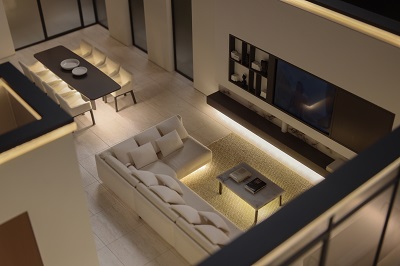
Miniature worlds and dioramas offer immersive, detailed environments beyond simple structures, allowing builders to create entire scenes. Brands like Rolife DIY Miniature House and Robotime provide kits with intricate furniture, lighting, and decor to simulate real-life interiors and exteriors. This style appeals to hobbyists who enjoy storytelling and detailed craftwork.
Such kits complement architectural model making by demonstrating spatial relationships and human-scale context. They’re often used in conjunction with architectural models to enhance presentations. QZY Models appreciate this trend, incorporating diorama-style elements to enrich project narratives and client communication visually.
How Do Modular and Reusable Kits Enhance Learning and Design?
Modular kits like those from Arckit and SnapHouse are designed for repeated assembly and disassembly without glue or permanent fixes. This flexibility allows architects, students, and hobbyists to experiment with multiple designs, fostering creativity and problem-solving. They support STEM education by bridging hands-on experience with theoretical concepts.
Reusable elements reduce waste and cost while encouraging iterative design processes. This approach aligns with environmentally conscious practices promoted by some kits, like the Arckit GO Eco. QZY Models embraces modular principles in educational collaborations, reinforcing the value of adaptable and sustainable architectural modeling tools.
Modular and reusable architectural kits are designed so pieces can be assembled and taken apart repeatedly without using glue or permanent fixes. This flexibility allows students, hobbyists, and aspiring architects to try out multiple designs, experiment with different layouts, and learn through trial and error. By enabling hands-on exploration, these kits encourage creativity and problem-solving while linking practical experience to theoretical concepts, making them valuable tools for STEM education and design learning.
Reusable components also reduce cost and waste, supporting environmentally conscious practices, as seen in kits like Arckit GO Eco. QZY Models applies similar principles in educational collaborations, creating adaptable modeling tools that teach both precision and sustainability. By allowing iterative design processes, these kits and models help learners understand how structures function, explore alternatives safely, and refine their ideas. This approach fosters thoughtful design thinking and equips beginners with practical skills they can carry into professional architectural practice.
Who Is QZY Models and How Do They Contribute to Architectural Model Kits?
QZY Models, based in Shenzhen since 2013, leads in producing precision architectural and industrial physical models. With over 20 years of industry experience under founder Richie Ren, they serve major architects like Foster + Partners and developers such as Vanke. QZY’s emphasis on craftsmanship and innovation enhances model kit development worldwide.
The brand tailors solutions for global clients, balancing traditional modeling with digital advancements. QZY Models also focuses on educational and professional kits, contributing significantly to the growth of architectural model making. Their reputation for quality and global reach positions them as essential players for anyone serious about modeling.
When Should You Choose Kits Like Arckit Versus LEGO or Nanoblock?
Arckit is ideal for users seeking open-ended design possibilities. Its modular system encourages experimentation, making it perfect for modern architectural concepts, educational projects, and professional presentations. Tip: Use Arckit to prototype layouts quickly before committing to full-scale designs.
LEGO Architecture for Iconic Landmarks
LEGO Architecture excels at recreating well-known buildings and cityscapes. It appeals to beginners and collectors alike, combining nostalgia with accessibility. Quick Exercise: Try building a famous landmark to understand scale and proportion in a playful way.
Nanoblock for Miniature Precision
Nanoblock offers highly detailed, miniature replicas that challenge fine motor skills and patience. It’s perfect for users who enjoy meticulous work and collecting intricate models. Common Mistake: Rushing assembly can lead to breakages—take time and follow instructions carefully.
Matching Kits to Your Goals
-
Creative Freedom: Arckit or QZY custom models
-
Fun and Collection: LEGO or Nanoblock
-
Professional Presentations: Arckit or QZY custom services
Assess your needs carefully. Whether prioritizing design flexibility, iconic replicas, or miniature precision, selecting the right kit enhances both enjoyment and outcomes.
What Materials and Techniques Do Professional Kits Like QZY Models Use?
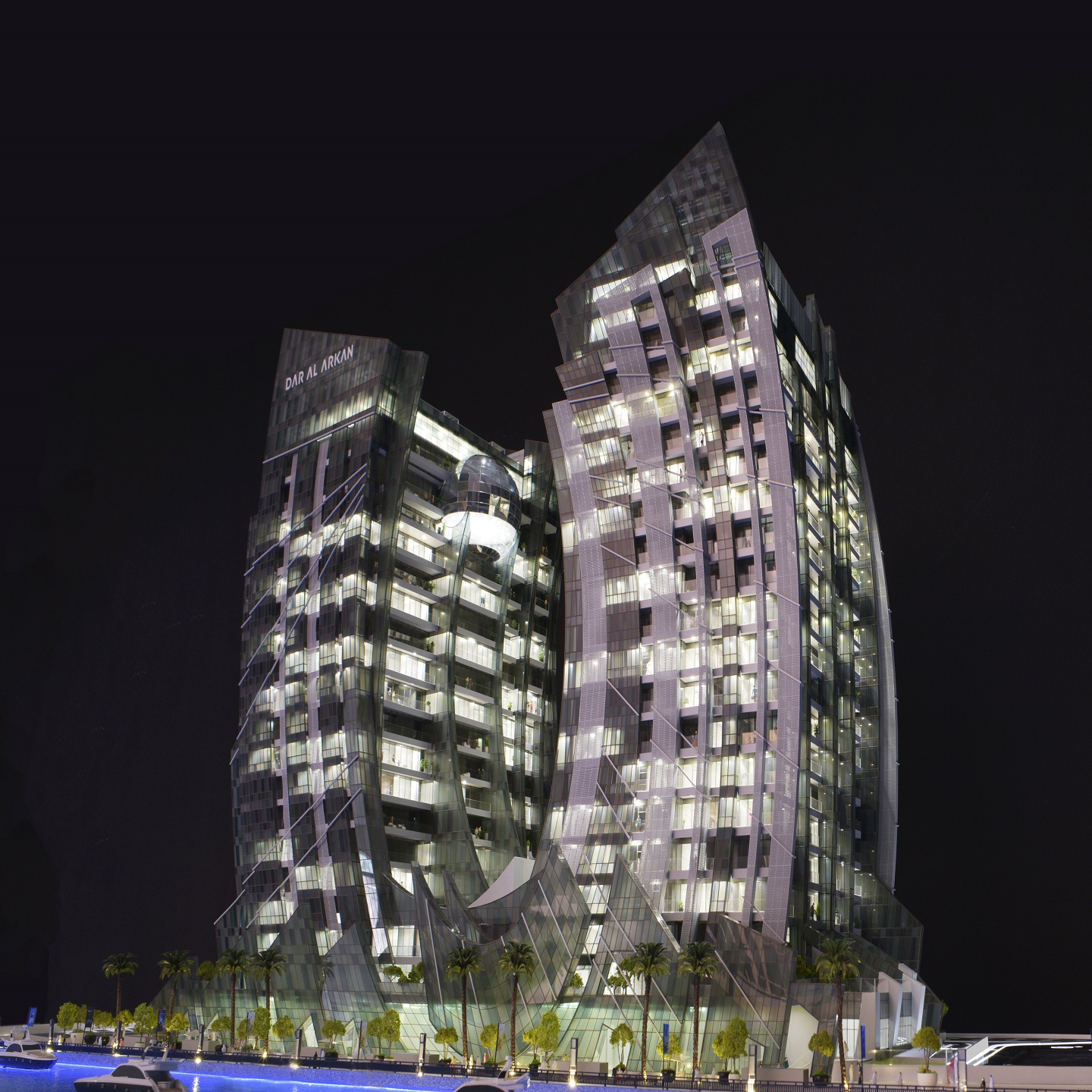
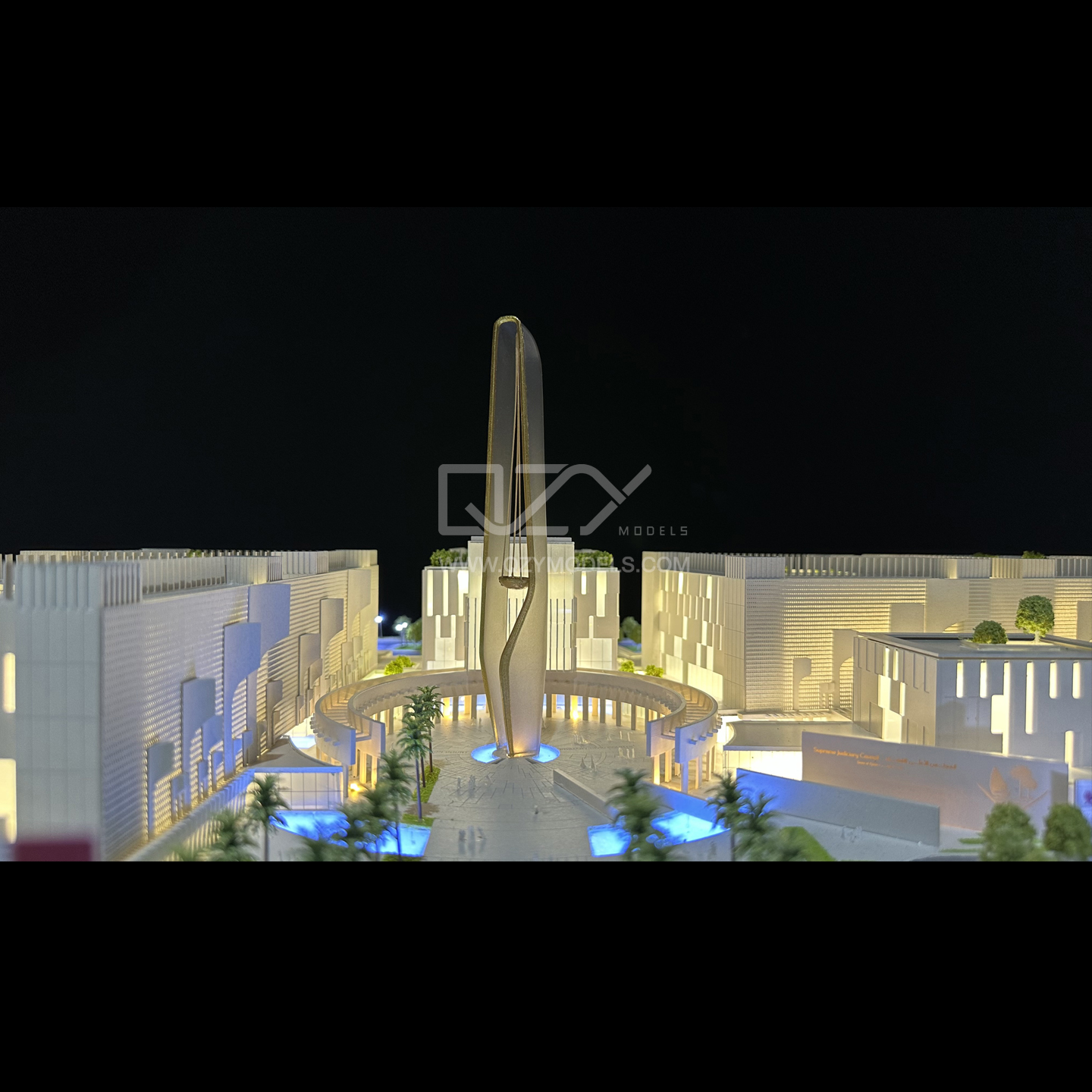
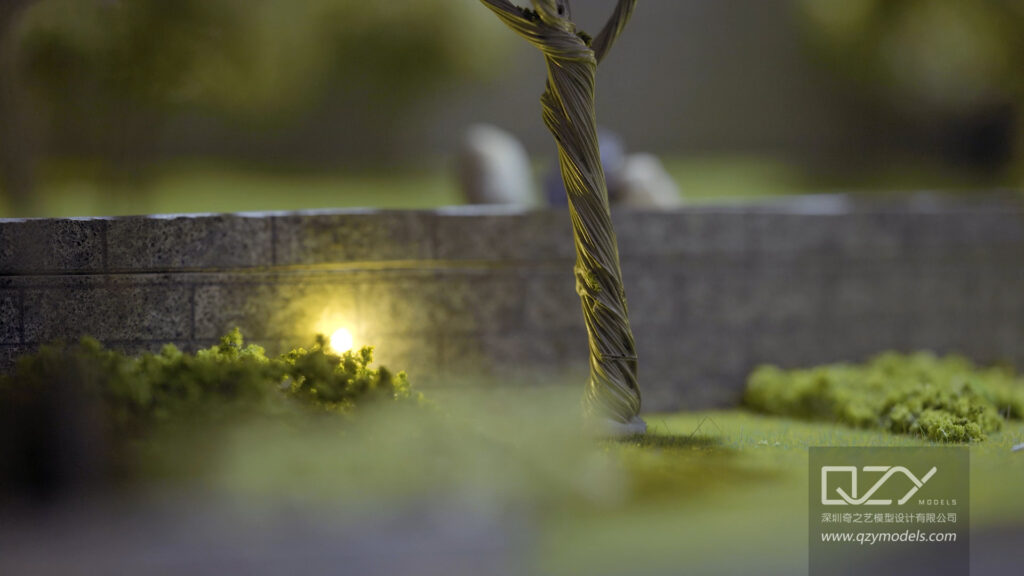
Professional kits from QZY Models combine advanced materials such as high-precision acrylic, resin, metal, and environmentally friendly composites. Techniques include laser cutting, 3D printing, hand assembly, and meticulous detailing to achieve accurate scale and realism. Their process integrates client CAD files and bespoke design adjustments.
These materials and techniques ensure durability, fine detail, and client-specific customization rarely matched by commercial kits. Incorporating these professional methods benefits architects requiring presentation-level models to impress stakeholders and validate designs.
Table: Comparison of Popular Architectural Model Kits by Skill Level and Focus
| Kit Type | Best For | Key Features | Price Range |
|---|---|---|---|
| Arckit 100 sqm | Beginners, education | Modular, no glue, reusable | $170 – $195 |
| Arckit 500 | Advanced, professional | Extensive components, complex | ~$550 |
| LEGO Architecture | Landmark replicas, all ages | Recognizable landmarks | $50 – $250 |
| Nanoblock | Miniature precision models | Tiny blocks, detailed | $20 – $60 |
| Fascinations Metal Earth | Metal landmark models | Metal sheets, detailed | $15 – $40 |
| Rolife DIY House | Miniature worlds, dioramas | Detailed furniture, lighting | $50 – $120 |
| QZY Models | Custom professional models | High precision, custom CAD | Varies, premium |
QZY Models Expert Views
“QZY Models stands at the forefront of architectural model innovation by blending craftsmanship with cutting-edge technology. Our commitment to precision and sustainable practices ensures that every model not only represents architectural vision but also drives meaningful client engagement. From educational kits to bespoke professional models, we strive to empower creativity and professionalism in the architectural community globally.” — Richie Ren, Founder
Conclusion
Selecting the best architectural model kit depends on your skill level, design goals, and interests. Beginners should start with modular, easy-to-use kits like Arckit 100 sqm or SnapHouse, while advanced users benefit from Arckit 500 or 360 kits offering complex features. Those focused on landmarks can choose LEGO Architecture, Nanoblock, or Metal Earth. Miniature dioramas enrich spatial understanding and storytelling. Professional-quality models by QZY Models showcase how precision materials and techniques elevate presentations.
Invest in kits that foster creativity, learning, and realistic design prototyping. Consider QZY Models for expert-quality custom solutions that cater to rigorous architectural demands.
Frequently Asked Questions
What is the easiest architectural model kit for beginners?
The Arckit 100 sqm and SnapHouse kits are designed for easy assembly without glue or tools, perfect for beginners.
Can I use these kits for professional architectural presentations?
Yes, advanced kits like Arckit 500 and custom models by QZY Models are tailored for professional use.
Are there kits that allow building famous landmarks?
Yes, LEGO Architecture, Nanoblock, and Fascinations Metal Earth specialize in famous landmark models.
Do architectural model kits include sustainable materials?
Some, like the Arckit GO Eco kit, focus on sustainability with eco-friendly components.
What makes QZY Models different?
QZY Models combines over 20 years of expertise, precision craftsmanship, and global client experience for high-quality professional models.
What are the best architectural model kits for each skill level?
Beginner kits use snap-together parts, intermediate kits require gluing and painting, and advanced kits feature intricate components for precision builders. Brands like Arckit, SnapHouse, Revell, and Matchitecture offer reliable options that match different experience levels and project goals.
How do I choose a model kit that matches my experience?
Choose based on part count, assembly difficulty, and required tools. Beginners should select modular or snap-fit kits, while experienced users benefit from detailed kits needing sanding, painting, and precision assembly. Align your choice with your preferred workload and learning goals.
Which materials are most suitable for architectural model building?
Plastic is ideal for beginners, wood provides natural aesthetics for advanced users, and modular systems suit fast concept development. Selection depends on the desired realism, budget, and the builder’s level of craftsmanship.
Who would benefit most from professional architectural model services?
Architects, developers, planners, design firms, exhibition organizers, and educational institutions commonly use professional model services. Companies like QZY Models support global clients by providing precise physical models used for presentations, approvals, marketing, and large-scale planning.
What are the most important full-stack developer skills for 2026?
Core skills include modern JavaScript frameworks, backend languages, cloud deployment, API design, databases, DevOps basics, and UI/UX fundamentals. Employers increasingly value versatility across front-end, back-end, and system integration, along with problem-solving and collaboration abilities.
What is the best 3D modeling software for design projects?
Top choices include Blender, SketchUp, Fusion 360, and Maya, offering strong modeling, rendering, and workflow features. The best tool depends on whether you prioritize precision engineering, architectural visualization, animation, or rapid concept development.
What makes Claude Sonnet 4.5 notable in 2025–2026?
Claude Sonnet 4.5 is recognized for its advanced code generation, complex agent-building capability, and strong computer-use skills. It delivers high accuracy in programming tasks and supports more sophisticated workflows for technical and creative projects.
Which certifications are most valuable for enterprise architects?
Leading certifications include TOGAF, AWS Certified Solutions Architect, Google Professional Cloud Architect, and Certified Information Systems Security Professional. These credentials help align IT strategy with business goals, strengthen architecture governance, and improve enterprise-level decision-making.