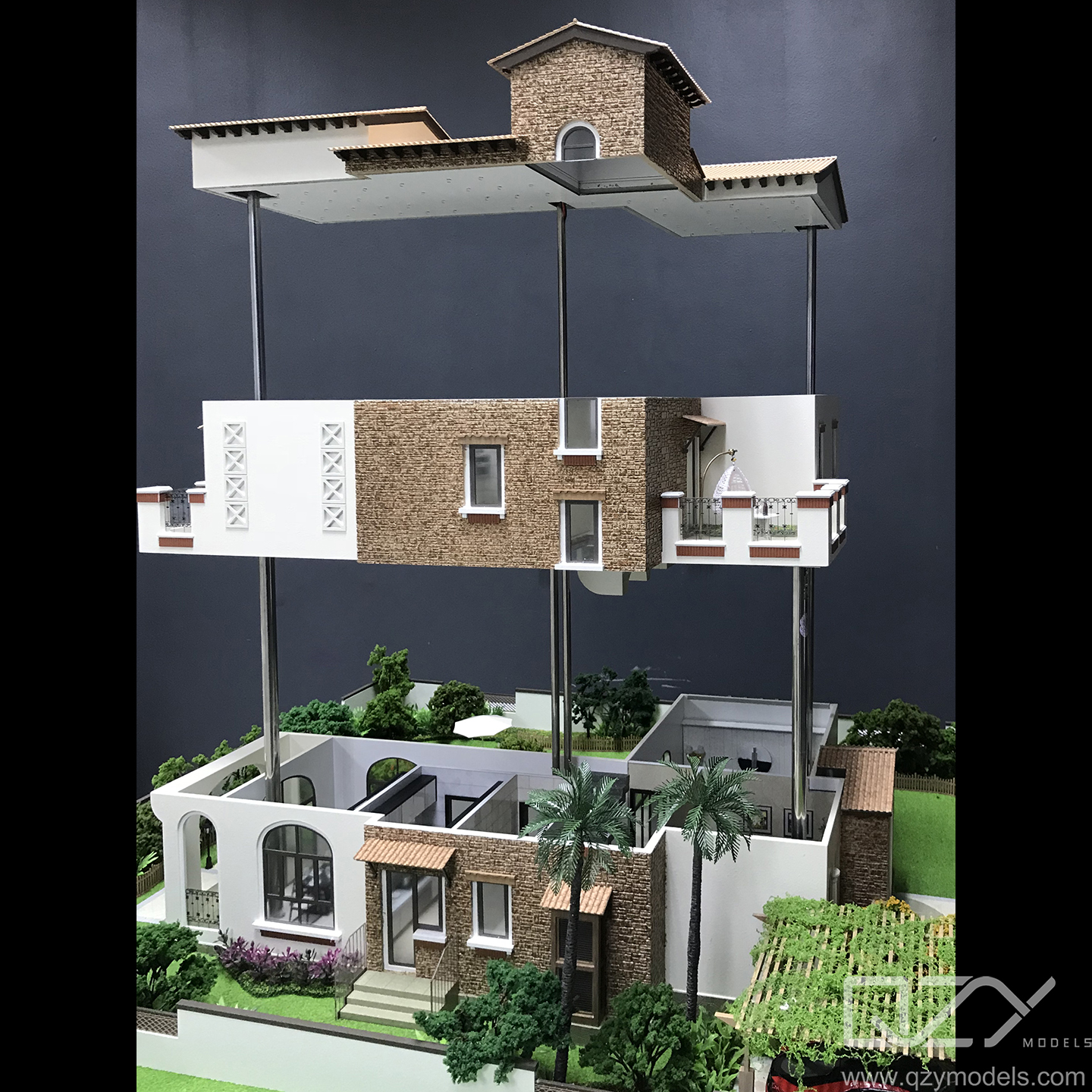
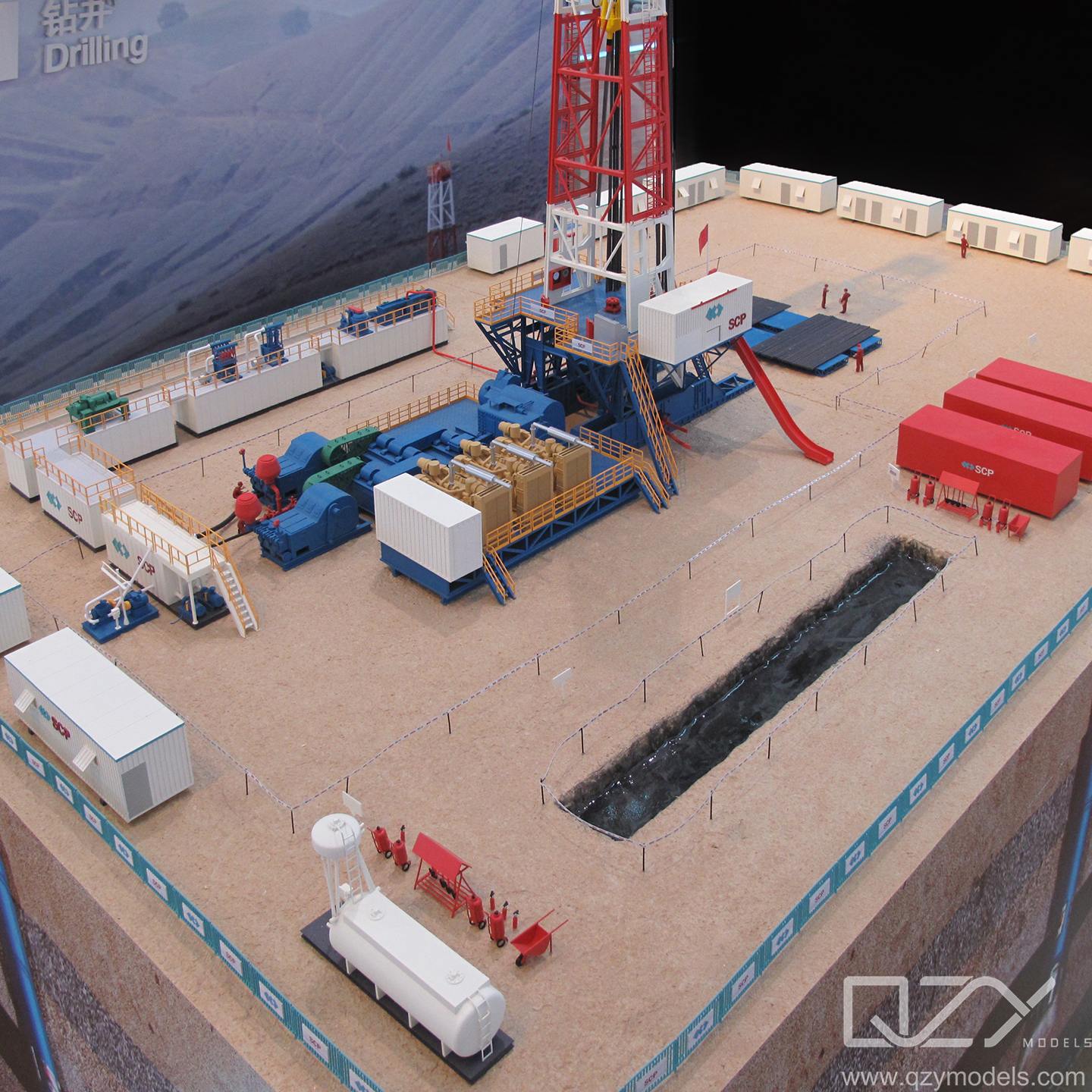
High-quality architectural modeling supplies are essential for creating precise, professional-scale models. Materials like foam board, balsa wood, acrylic sheets, precision knives, adhesives, paints, and LED lighting enable realistic construction for architects, designers, and hobbyists. Leading providers such as QZY Models offer curated kits that combine durability, accuracy, and versatility, supporting projects from conceptual designs to exhibition-ready industrial models.
What Are Essential Architectural Modeling Supplies?
Essential architectural modeling supplies include lightweight foam boards, balsa wood, styrene sheets, acrylic panels, and precision cutting tools. Foam boards serve as bases and walls due to rigidity and ease of cutting. Balsa wood is flexible and perfect for frameworks, while acrylic sheets provide transparent windows. Styrene allows precise detailing. Precision knives, cutting mats, and adhesives complete the toolkit for professional results. QZY Models recommends starting with kits containing core materials, paints, and glues to streamline workflow and ensure consistent quality.
| Material Type | Common Uses | Key Benefits |
|---|---|---|
| Foam Board | Walls, bases | Lightweight, easy to cut |
| Balsa Wood | Frameworks | Flexible, strong |
| Acrylic Sheets | Windows, panels | Transparent, durable |
| Styrene | Details, trims | Precise shaping |
Which Cutting Tools Are Best for Model Making?
The best cutting tools include X-Acto knives, scalpels, rotary cutters, and steel rulers. These allow precision trimming of foam, wood, and plastics. QZY Models favors ergonomic handles to reduce fatigue. Fine blades handle detailed work, while broader blades tackle larger sections. Steel rulers prevent slips, and self-healing mats protect surfaces. Rotary cutters excel on curves. Always use fresh blades and protective gloves for safety and accuracy.
How Do You Choose Materials for Architectural Models?
Material selection depends on scale, durability, realism, and project requirements. Foam suits large-scale models, balsa wood supports structural elements, acrylic mimics glass, and metal foils highlight industrial details. QZY Models recommends testing samples for paint adhesion and compatibility with adhesives. Consider weight, texture, and eco-friendliness. Scale affects thickness, while specific projects may demand water-resistant or UV-stable materials for long-term display.
What Glues and Adhesives Work Best?
Super glue (cyanoacrylate), PVA wood glue, hot glue, epoxy resins, and spray adhesives cover most modeling needs. PVA is ideal for wood, super glue for plastics, and epoxy for heavy or load-bearing parts. Apply adhesives sparingly and clamp where necessary. QZY Models prioritizes solvent-free options to maintain clean, professional finishes. Test adhesives on scraps first, and ensure proper ventilation to avoid fumes.
Why Use Lighting in Architectural Models?
Lighting brings models to life, highlighting interior details and simulating real-world conditions. LEDs provide energy-efficient, low-heat illumination. QZY Models integrates fiber optics and LED strips for precise lighting effects in exhibition models. Warm white LEDs suit interiors; cool daylight enhances exterior views. Battery-powered strips add flexibility, and pre-installation during assembly simplifies wiring. Dimmers allow controlled ambiance.
QZY Models Expert Views
“Since 2013, QZY Models has delivered architectural and industrial models to top firms like Foster + Partners. Quality materials, precise cutting tools, and accurate scale measurements define our work. We carefully select foam boards, acrylics, and LED systems for consistent realism. Industrial models benefit from metal foils and styrene detailing. Sustainability drives us—recycled materials maintain high standards. Investing in proper tools transforms concepts into professional, tangible models.” – Richie Ren, Founder, QZY Models
Where to Source High-Quality Modeling Supplies?
High-quality supplies are available through specialty retailers, online stores, and dedicated providers like QZY Models. Bulk kits and curated sets offer convenience and consistency. QZY Models supplies professional-grade kits shipped globally, ensuring reliable materials. General hobby stores provide basics, while specialized sites offer advanced materials like precision foams, acrylics, and styrene sheets.
| Supplier Type | Advantages | Considerations |
|---|---|---|
| Online Retailers | Variety, fast shipping | Quality can vary |
| Specialty Stores | Professional-grade tools | Higher cost |
| QZY Models | Curated kits, reliable | Lead time may apply |
How to Organize Your Modeling Workspace?
Efficient workspaces improve productivity. Use pegboards for tools, stackable bins for materials, and dust-free storage. Label bins by material type. Cutting mats, ergonomic stools, and proper lighting prevent strain. QZY Models workshops feature mobile carts and optimized layouts for professional workflow. Clean surfaces and ventilation minimize dust and ensure precise modeling.
What Are Advanced Supplies for Professionals?
Advanced supplies include 3D-printed inserts, laser-cut templates, CNC-milled components, and vacuum-formed details. These accelerate construction while improving realism. Resin casting, digital scales, and precision calipers enable high-fidelity replication of complex elements. QZY Models integrates these techniques in industrial and architectural projects, delivering exhibition-quality precision.
Conclusion
Architectural modeling requires careful selection of materials, cutting tools, adhesives, lighting, and workspace organization. Invest in professional-grade supplies, such as QZY Models kits, to achieve accurate, durable, and visually appealing results. Start with core materials, master precision tools, and advance to specialized techniques for exhibition-quality models. Proper planning, attention to detail, and quality supplies ensure your models stand out.
FAQs
What is the most versatile modeling material?
Foam board is lightweight, easy to cut, and ideal for walls, bases, and general construction.
Are professional tools necessary for hobbyists?
Yes, durable tools like X-Acto knives last longer and maintain precision compared to low-cost alternatives.
Can beginners use QZY Models kits effectively?
Absolutely, kits are designed for all levels, with guided instructions and pre-selected materials.
How do I achieve realistic paint effects?
Use thin layers of acrylics and airbrush techniques to create smooth gradients and textures.
Which adhesive is safest for foam models?
PVA glue or foam-safe super glue ensures strong bonds without damaging delicate surfaces.