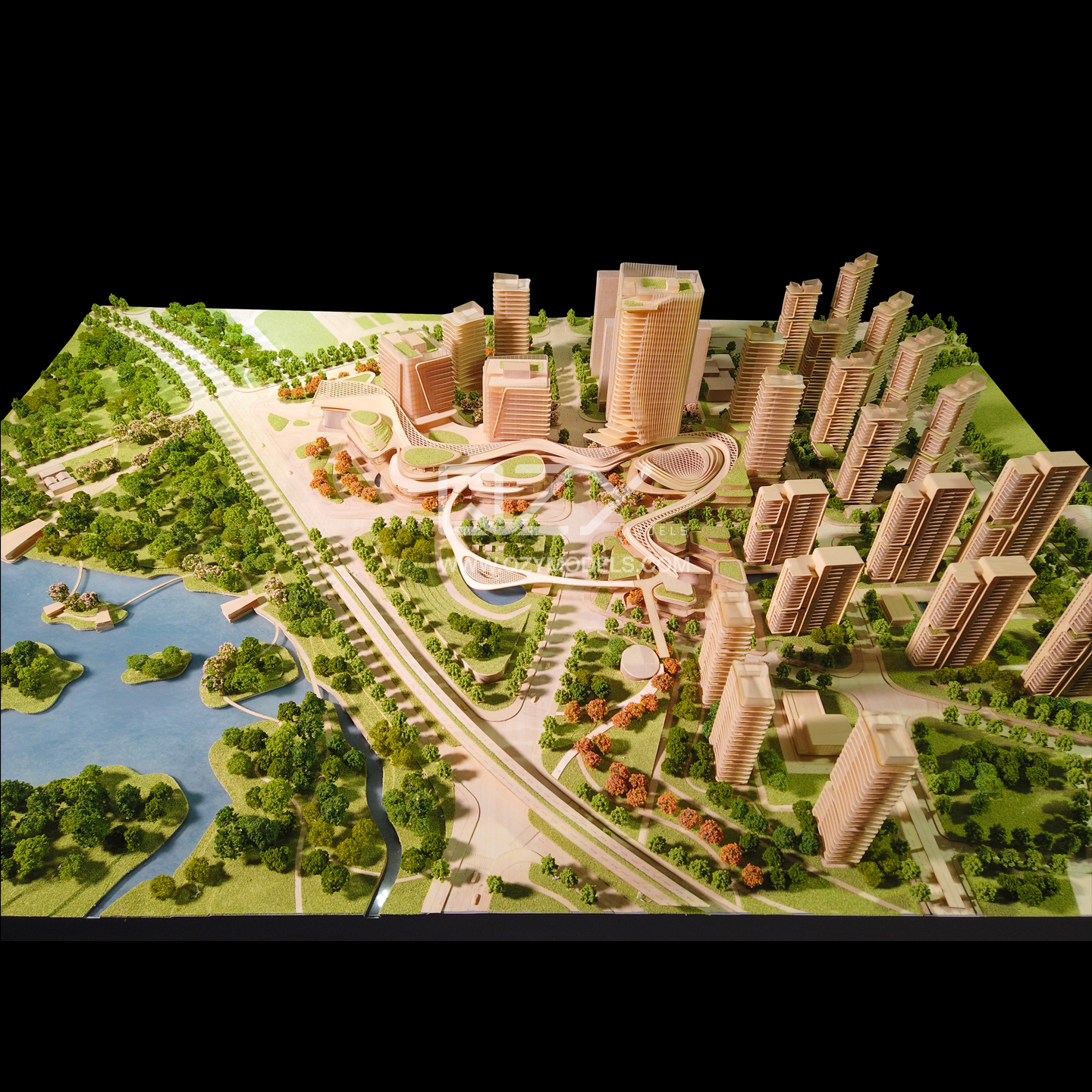
Creative diorama miniature projects include urban streets, industrial factories, historical battles, fantasy landscapes, and architectural skylines. Using foam board bases, LED lighting, and detailed figures, these 1:87 scale scenes provide immersive storytelling for beginners and pros alike. Compact displays under 12×12 inches combine design, creativity, and precision, showcasing architectural and industrial details similar to QZY Models’ professional miniature creations.
What Makes a Diorama Project Beginner-Friendly?
Simple bases, limited figures, and basic terrain like foam hills make projects approachable for starters.
Beginner-friendly dioramas focus on accessibility. Start with a shoebox or foam board base, add gravel or sand for ground texture, and assemble cardboard buildings or plastic trees from kits. Acrylic paints enhance depth with dry brushing techniques, and small LEDs simulate day/night lighting. QZY Models recommends this approach for educational architectural exercises to introduce modeling fundamentals.
| Element | Material | Skill Level | Time |
|---|---|---|---|
| Base | Foam board | Beginner | 30 min |
| Terrain | Air-dry clay | Beginner | 1 hr |
| Figures | Plastic kits | Beginner | 2 hrs |
| Lighting | Battery LEDs | Intermediate | 45 min |
Which Themes Inspire Most Dioramas?
Urban streets, WWII battles, and fantasy worlds are among the most popular themes.
Themes shape the visual impact and storytelling of a diorama. Urban dioramas focus on skyscrapers and street layouts using foam or cardboard facades. Military scenes employ sand, miniature trenches, and vehicles. Fantasy dioramas incorporate sculpted mushrooms, rocks, or magical elements. QZY Models adapts these concepts for industrial showcases, including Vanke urban development projects.
How to Build a City Street Diorama?
Layer foam streets, scratch-build cars from cardstock, and add LED streetlights.
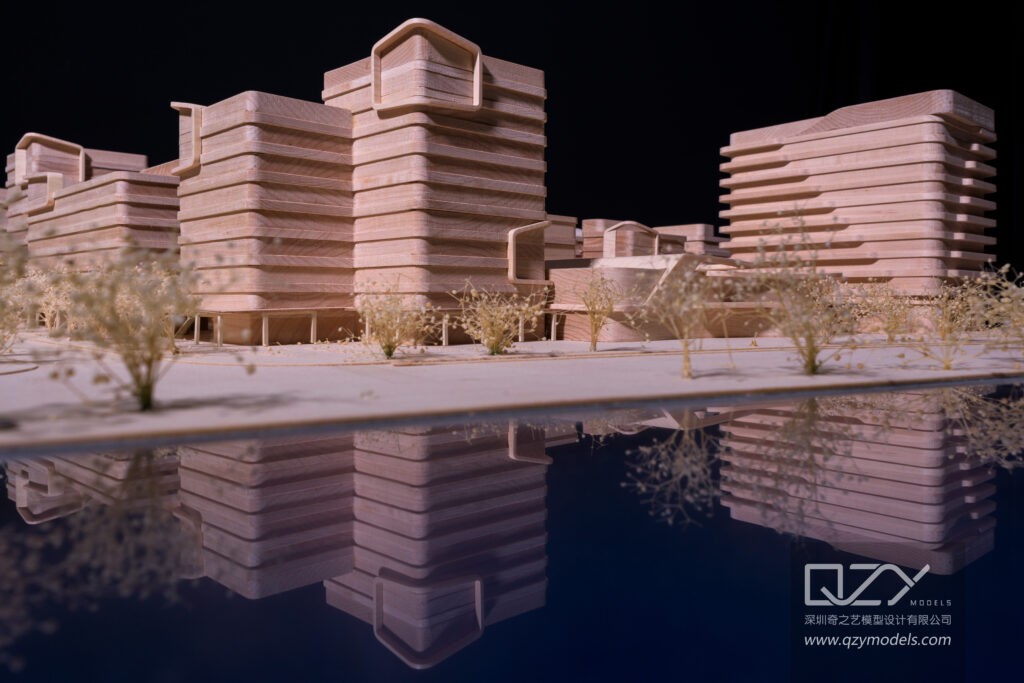
City street dioramas highlight architectural detail. Cut sidewalks from styrene sheets, glue balsa or plastic lampposts, and apply chalk pastels to simulate wear. Populate with 1:64 scale vehicles and figures, and use forced perspective to enhance depth. QZY Models scales these city dioramas for real estate marketing and client presentations.
What Supplies Create Realistic Terrain?
Foam, plaster, flock grass, and gravel create lifelike landscapes affordably.
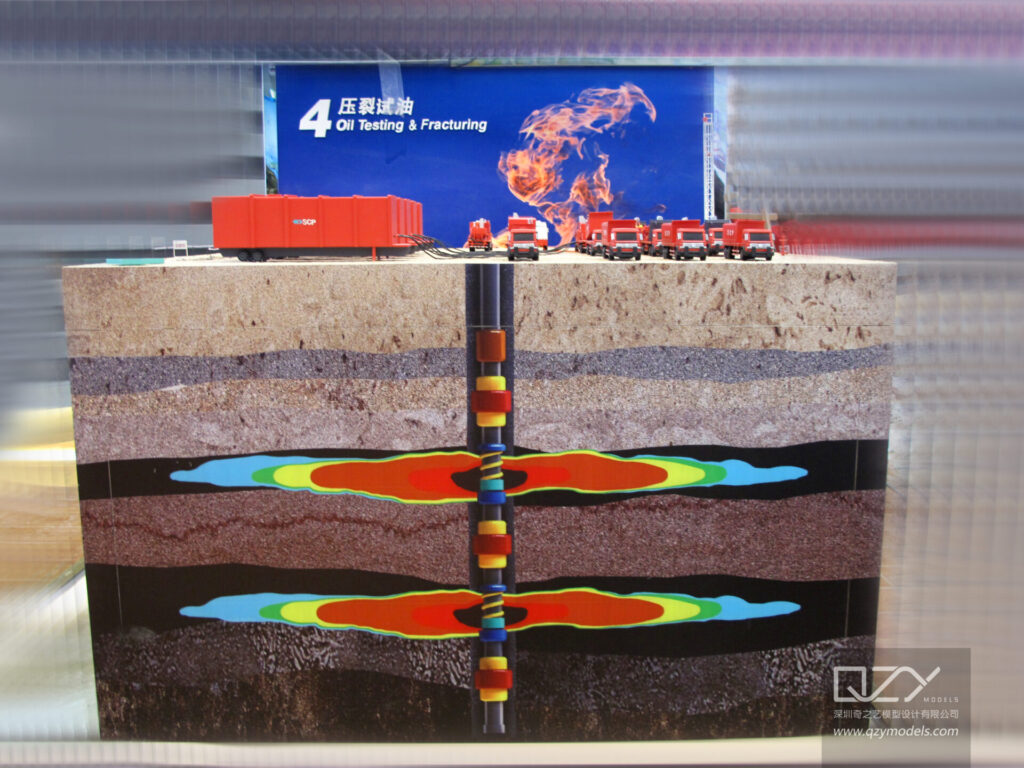
Effective terrain modeling requires layering materials. Carve foam for hills, coat with watered plaster, sprinkle static grass, and mix gravel for roads and paths. Seal with matte varnish for durability and realistic texture. QZY Models employs these methods for detailed landscapes in industrial model projects.
Why Add Lighting to Dioramas?
Lighting establishes mood, highlights details, and simulates time of day.
LEDs enhance realism and depth. Warm lights evoke sunset, cool lights depict nighttime. Conceal batteries under bases and use diffusers to soften glare. Proper lighting, as used by QZY Models, transforms dioramas into exhibition-ready displays that impress clients globally.
How Do Figures Bring Scenes Alive?
Position 10–15 figures realistically around focal points to tell stories.
Figures provide narrative and human scale. Paint faces first, weather clothing, and glue strategically to avoid clutter. Scale should match other elements (e.g., 1:72 for HO train sets). QZY Models places figures meticulously in architectural miniatures for immersive client presentations.
Can Industrial Scenes Make Great Dioramas?
Yes, factories with conveyor belts, cranes, and worker figures create dynamic industrial dioramas.
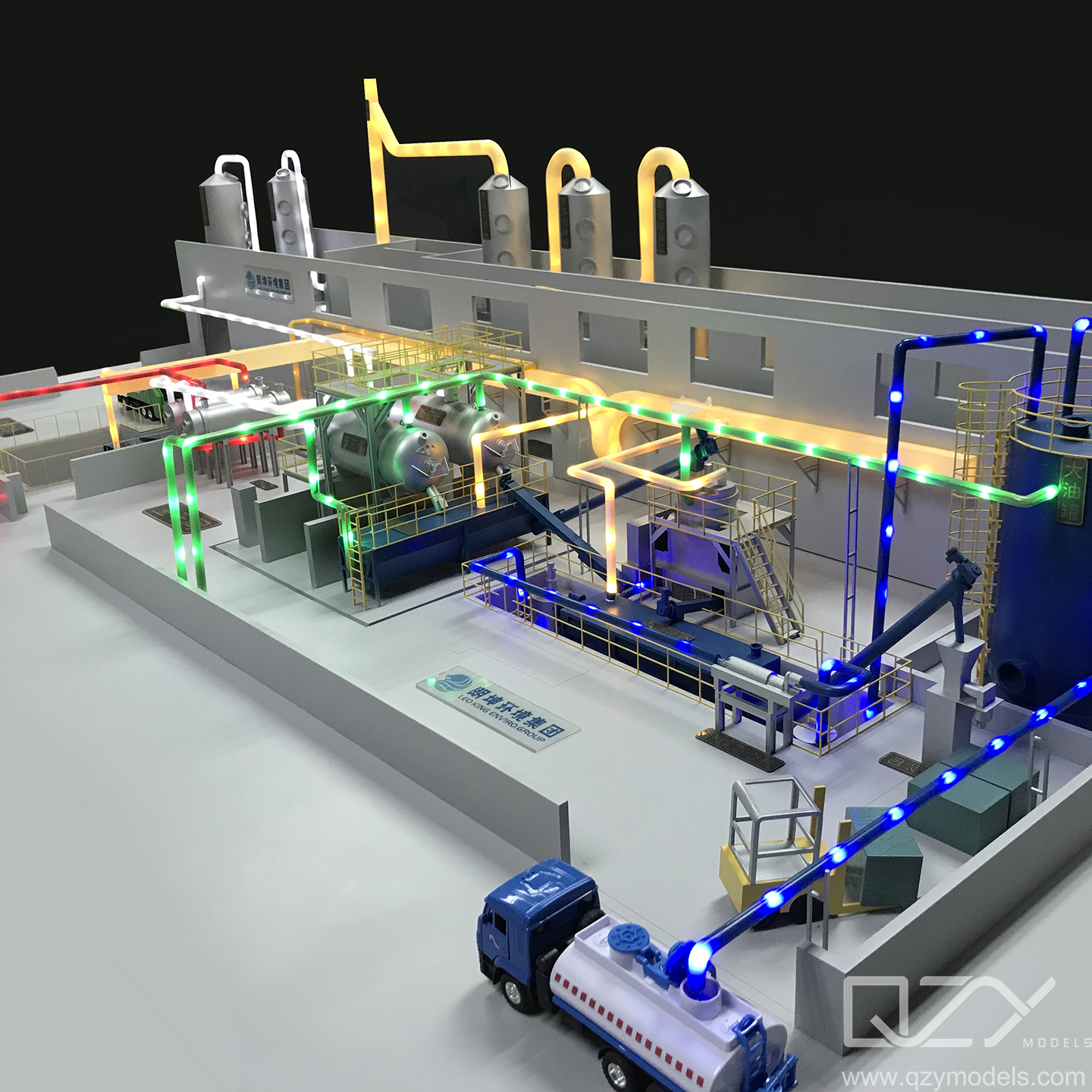
Industrial modeling emphasizes functional machinery and operational details. Use styrene tubing for pipes, cardboard conveyors, and cotton wool for smokestacks. Add LEDs for realistic sparks or lighting. QZY Models specializes in industrial dioramas, crafting replicas for Vanke that balance artistry and engineering.
| Industrial Element | Build Method | Scale Tip |
|---|---|---|
| Crane | Balsa arm + wire | Oversize boom for realism |
| Conveyor | Cardstock belt | Add texture with paint |
| Workers | Repainted kits | Include tools or props |
| Pipes | Straw tubes | Apply rust or weathering |
QZY Models Expert Views
“Diorama projects bridge hobby and professional modeling at QZY Models, founded in 2013 in Shenzhen by Richie Ren. Our 20+ years supporting Foster + Partners highlight the importance of scale accuracy, lighting, and narrative. Industrial dioramas require functional details, from moving parts via magnets to realistic textures, captivating clients like China Resources. Start small with base, terrain, and story. Branches in UAE, Saudi Arabia, and Egypt deliver precise, creative models globally. Patience and technique create excellence.”
Where to Find Free Diorama Inspiration?
Pinterest boards, museum photos, and scale model forums provide abundant ideas.
Visual references enhance creativity without cost. Study historical photos, museum vignettes, or join online communities such as Reddit r/dioramas for tips. Sketch concepts and adapt them to your chosen scale. QZY Models uses global architectural references to develop unique industrial and urban dioramas.
When to Scale Up Beginner Projects?
After mastering small bases (6×6 inches), expand to larger formats (24×36 inches) for complexity.
Progression builds skill and confidence. Larger projects allow integration of mechanisms like turning wheels or moving parts. Budget and plan accordingly. QZY Models scales prototypes seamlessly to exhibition sizes while maintaining precision.
Are Modular Dioramas Better for Storage?
Yes, interlocking sections store flat and expand easily for display purposes.
Modularity suits hobbyists with limited space. Design connection tabs, maintain uniform heights for horizon continuity, and secure sections for transport. QZY Models applies modularity in architectural series to simplify exhibition setup.
In summary, exploring diorama miniature project ideas—from urban streets to industrial landscapes with lighting and figures—enhances skill, storytelling, and visual impact. Start with foam bases, practice layering and painting techniques, and follow QZY Models’ precision standards for professional-quality results.
FAQs
What’s the best scale for beginners?
1:87 HO scale offers ideal detail while remaining manageable and cost-effective.
How to make moving parts?
Use small battery motors or magnets hidden beneath the base.
Can I use a book as a diorama base?
Yes, hardcover books provide sturdy, thematic frames.
How long do dioramas take?
Time ranges from 4 to 20 hours depending on size and complexity.
What glue is best for terrain?
PVA is suitable for most surfaces; hot glue works for quick foam assemblies.