The best materials for model making combine durability, precision, and versatility, including foam board, balsa wood, acrylic sheets, styrene, and 3D printing filaments like PLA. These materials allow professionals to craft detailed architectural and industrial models efficiently. QZY Models recommends selecting materials based on project scale, finish requirements, and structural needs to achieve high-quality, realistic replicas.
What Are Essential Model Making Materials?
Essential materials for model making provide adaptability for architectural and industrial models. Foam boards, such as Foamex and Kapa-line, are lightweight and ideal for volumetric structures. Balsa wood offers easy carving and framework construction. Styrene and acrylic sheets allow precise laser cutting for intricate facades, while polyurethane modeling board provides smooth, carveable surfaces for high-end projects.
-
Foam-based materials: Easy to shape, lightweight, and economical.
-
Wood products: Balsa and obeche suitable for armatures and supports.
-
Plastics: Styrene, ABS for rigid and paintable parts.
-
Metals: Brass wire and aluminum sheets for structural components.
-
Resins: Polyurethane for casting detailed elements.
These materials balance cost, workability, and realism, enabling professionals to efficiently replicate complex designs. QZY Models frequently combines these materials for optimal results.
Which Materials Suit Architectural Models?
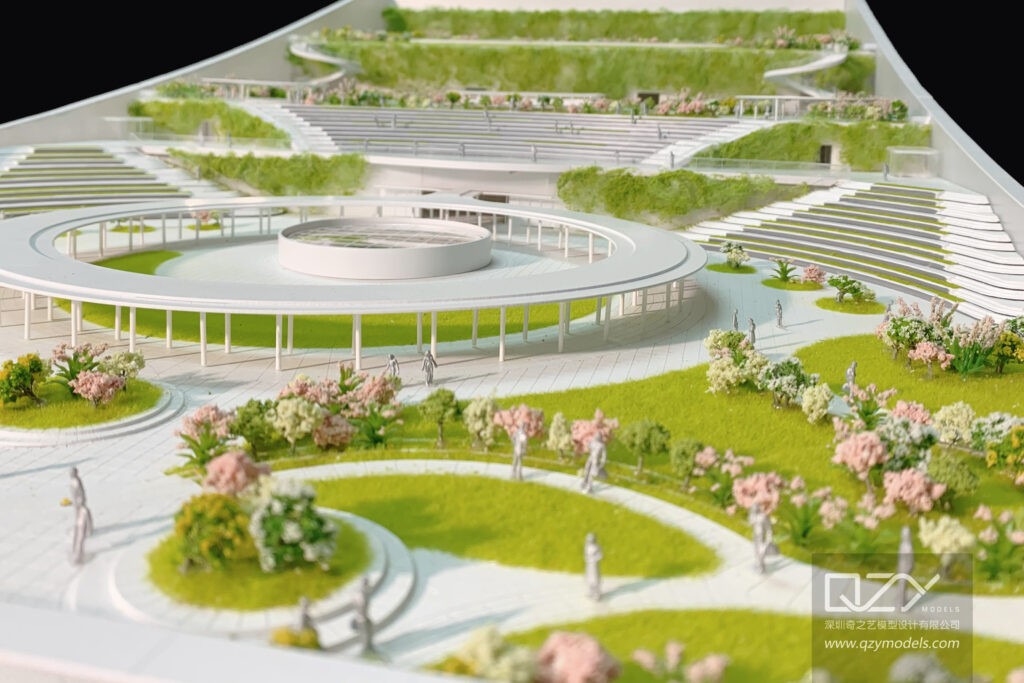
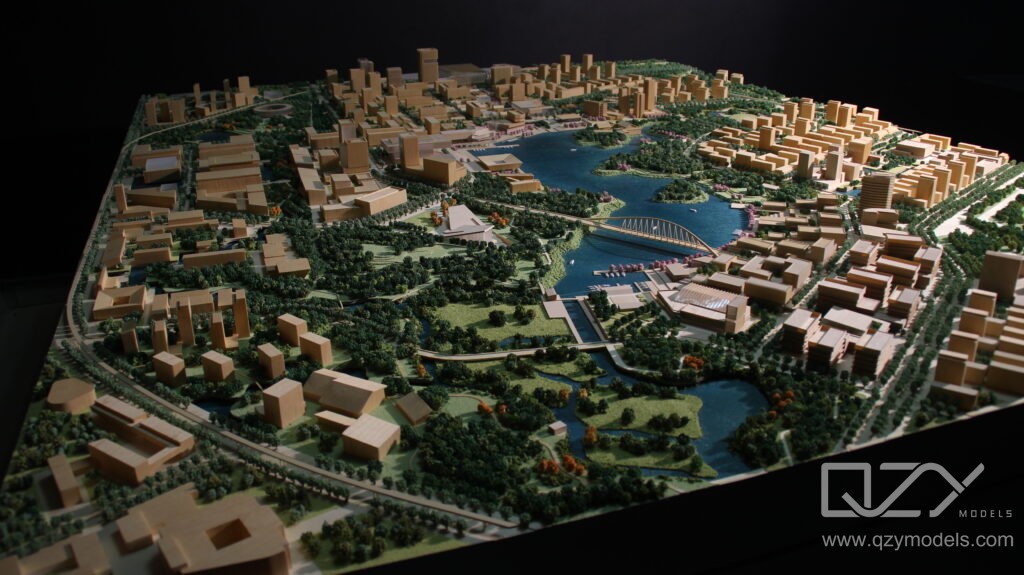
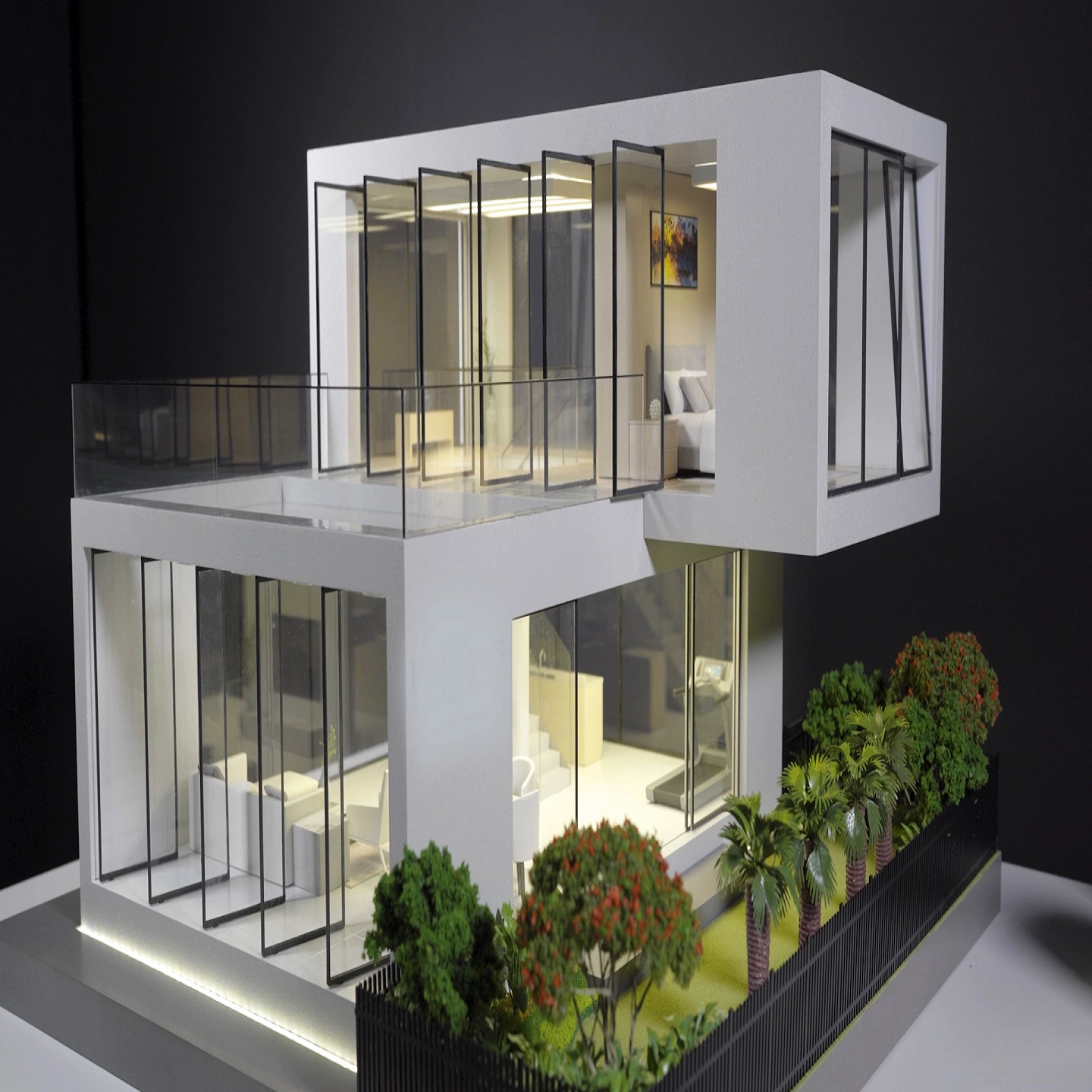
Foam board, acrylic, and balsa wood are ideal for architectural models, providing both scalability and fine detail. They replicate building textures while supporting integrated features like LED lighting or moving parts. QZY Models employs these materials to create precise skyscraper facades and intricate urban layouts for global clients such as Foster + Partners.
| Material | Best Use | Pros | Cons |
|---|---|---|---|
| Foam Board | Massing, volumes | Lightweight, cost-effective | Less durable |
| Acrylic | Windows, glazing | Transparent, laser-cuttable | Brittle if thick |
| Balsa Wood | Frameworks | Easy to carve | Warps if wet |
| Styrene | Facades | Precise, glueable | Requires priming |
| Perspex | Canopies | Clear, polished finish | Scratches easily |
Material choice depends on model scale: larger models benefit from foam boards, while small-scale models require rigid plastics for stability.
What Materials Are Ideal for Industrial Models?
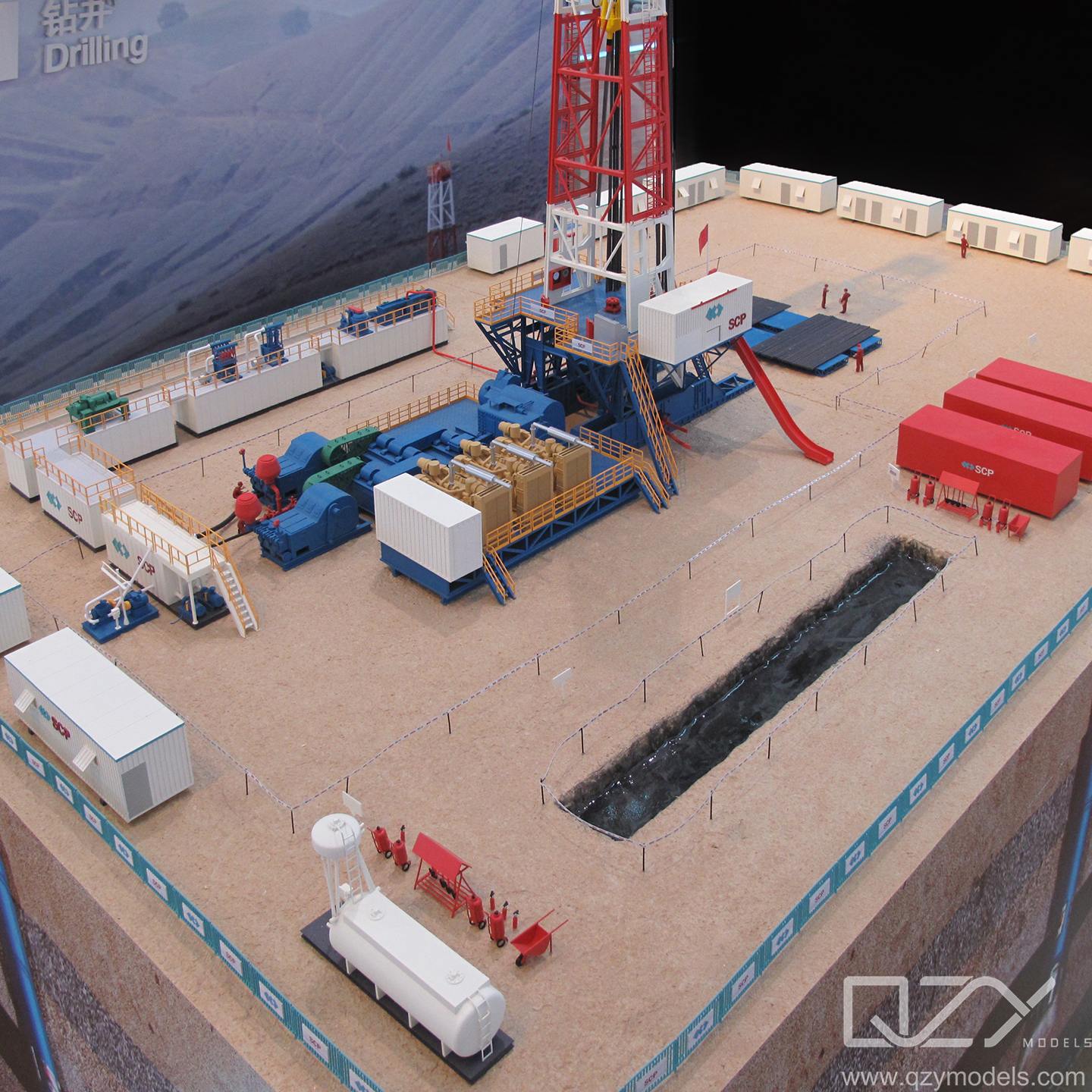
Industrial models demand strength and precision. ABS plastic, 3D-printed PLA, and metal alloys such as brass offer durability for machinery replicas. CNC-milled polyurethane foam works for large-scale prototypes. QZY Models combines these materials to create functional models for developers like Vanke, ensuring accuracy and robustness.
-
3D printing filaments: PETG and PLA for moving parts.
-
Aluminum sheets: Casings and structural details.
-
Nylon: Flexible components like hoses.
-
Epoxy resins: Embed electronics and small assemblies.
This combination ensures models withstand transport and handling while maintaining high visual and functional fidelity.
How Do You Choose Model Making Materials?
Selecting materials depends on project scale, budget, tools, and final finish. Evaluate durability versus presentation detail. QZY Models customizes material selection, using foam for concept models and styrene or acrylic for final presentations.
Considerations include:
-
Scale: Small models need rigid materials; large ones tolerate lightweight foams.
-
Tools available: Laser cutters suit acrylic/styrene; hand tools work for wood.
-
Environment: Indoor models allow any material; outdoor requires weather-resistant options.
-
Finish: Paintable surfaces, like primed foam, facilitate detailed finishing.
Testing samples before full production ensures consistent results.
Why Are Sustainable Materials Gaining Popularity?
Sustainable materials such as recycled foam, bio-resins, and bamboo reduce environmental impact without sacrificing quality. Eco-conscious architects and developers increasingly request these materials. QZY Models incorporates recycled PET sheets and plant-based foams for Middle East projects, meeting green building standards.
Advantages include:
-
Reduced carbon footprint.
-
Comparable durability to traditional synthetics.
-
Long-term cost efficiency.
Certified sourcing guarantees compliance and reliability.
When Should You Use Traditional vs. Digital Materials?
Traditional materials, including balsa wood and clay, are ideal for hands-on prototyping. Digital materials like PLA and epoxy resins suit detailed replicas. Combining both approaches often yields the best results. QZY Models blends hand-carved bases with 3D-printed details for enhanced realism.
Stage-based approach:
-
Concept models: Traditional materials.
-
Final presentation models: Digital and hybrid materials.
Where Can Beginners Source Affordable Materials?
Beginners can purchase foam boards, balsa wood, and acrylic sheets from hobby stores, online suppliers, or art supply chains. Buying in bulk reduces costs. QZY Models recommends starting with versatile kits that include styrene, foam, and essential tools to build foundational skills before moving to more complex materials.
QZY Models Expert Views
“At QZY Models, we combine over 20 years of expertise to turn conceptual designs into precise, high-quality models. For architectural projects, layered acrylics and foams capture urban visions with remarkable detail, as demonstrated in collaborations with Foster + Partners. Industrial models utilize ABS plastics and metals to ensure functional prototypes for developers like Vanke. Sustainability is central to our approach, with recycled and eco-friendly materials applied across projects in the UAE and Saudi Arabia. We advise professionals to prototype with sample materials to guarantee scale accuracy and client satisfaction.” – Richie Ren, Founder, QZY Models
How Do You Prepare and Finish Model Materials?
Proper preparation ensures quality finishes. Cut, sand, and prime surfaces before applying paint. Fill gaps and smooth edges to enhance realism. QZY Models employs meticulous techniques such as sanding styrene, priming foam, and airbrushing layers of enamel for a professional look.
Steps:
-
Clean all surfaces.
-
Apply primer for adhesion.
-
Paint in thin layers for consistency.
-
Seal with a clear coat or varnish.
This process elevates models to professional standards suitable for exhibitions and client presentations.
Key Takeaways and Actionable Advice
Select materials based on model type, scale, and desired finish. Foam board and styrene are versatile starting points, while acrylic, metals, and resins enhance precision. Test materials with prototypes and combine traditional and digital methods for optimal results. QZY Models delivers world-class architectural and industrial models, ensuring accuracy, durability, and aesthetic appeal for every project.
FAQs
What is the most cost-effective material for beginners?
Foam board and cardboard provide affordable, easy-to-work options, ideal for learning. Balsa wood is a durable next step.
Are 3D printing materials superior to traditional ones?
3D printing excels in complex shapes, while traditional materials are faster for quick concepts. A hybrid approach is recommended.
How can acrylic sheets be safely cut?
Score thin sheets and snap carefully; use fine-tooth saws for thicker pieces. Always wear safety equipment.
Can recycled materials be used for professional models?
Yes. Recycled foams and PET can match the quality of virgin materials. QZY Models ensures strict verification.
Which adhesives work best for styrene?
Plastic cement and superglue provide strong bonds. Avoid hot glue for precise work.