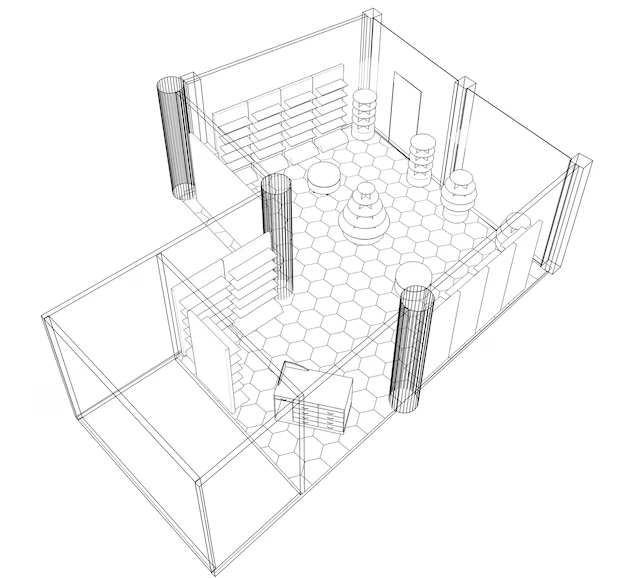
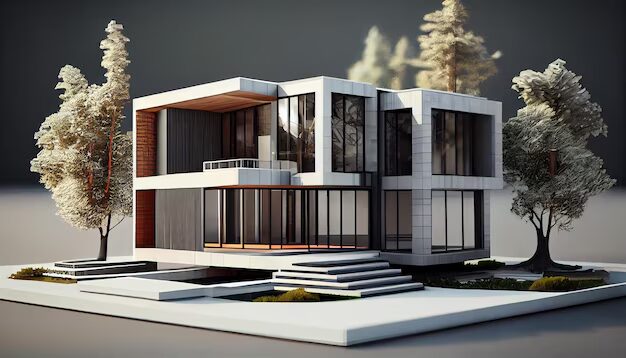
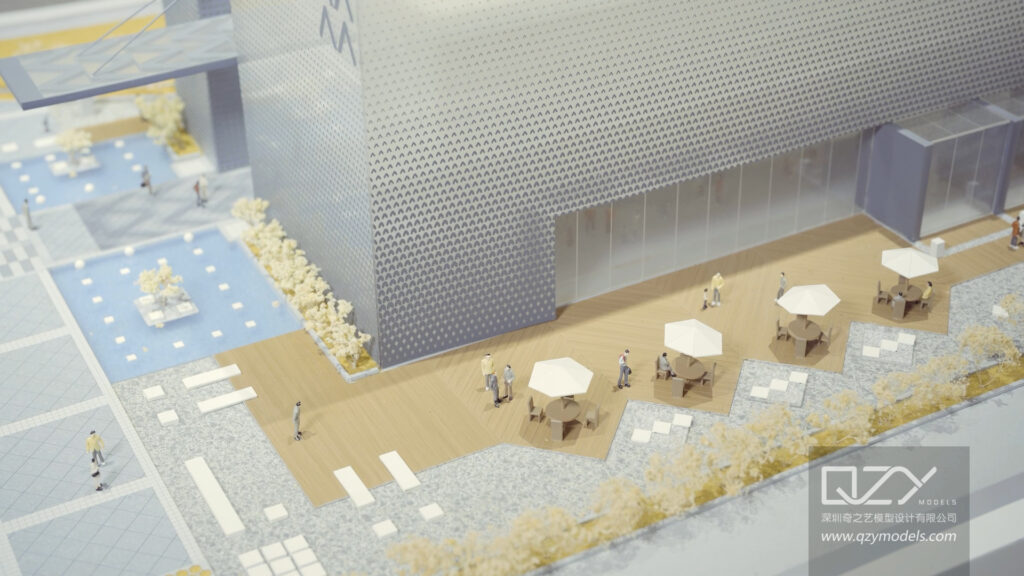
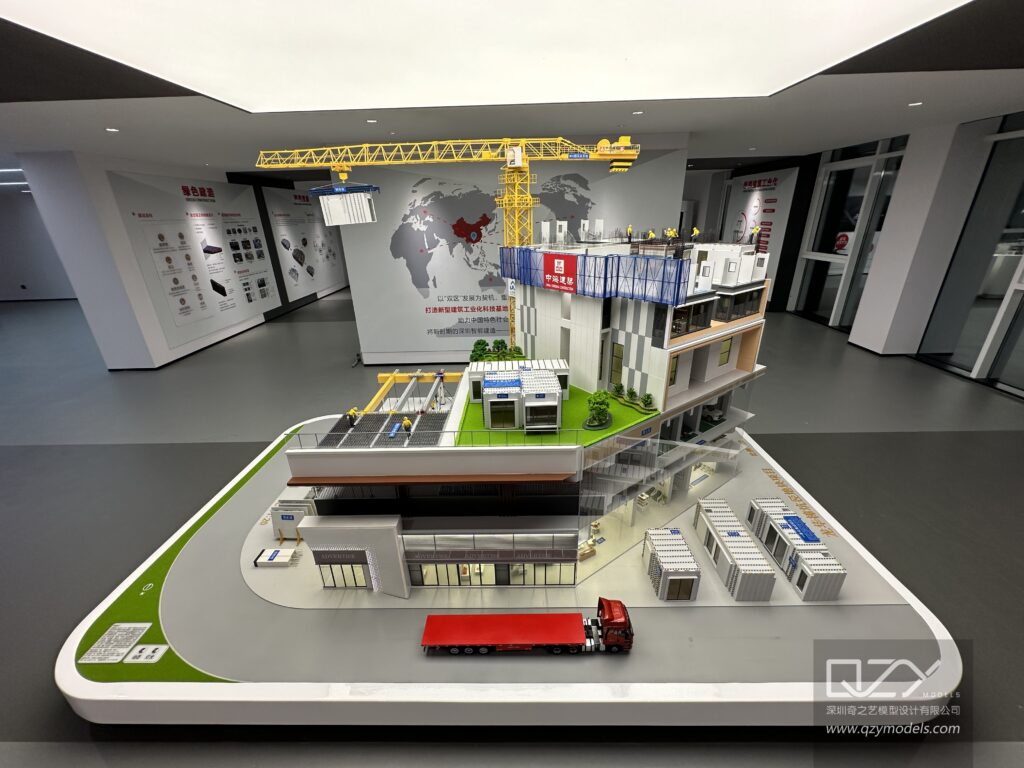
Visualization of design concepts in custom architectural models is essential for transforming ideas into clear, tangible forms. These models help architects, developers, and clients grasp spatial relationships, scale, and materials accurately, improving communication and decision-making throughout the design process. Also check: Custom Architectural Models
How Do Custom Architectural Models Enhance Design Visualization?
Custom architectural models provide a three-dimensional, tactile representation of design projects. They help stakeholders better understand the proportions, layout, and aesthetic qualities beyond two-dimensional drawings or digital images. This hands-on experience encourages effective collaboration and early detection of design challenges.
Physical models allow visualization of light, shadow, and context in ways digital tools may miss. QZY Models specializes in producing precise and visually compelling models that bring architectural concepts to life, fostering clear communication among clients and design teams.
What Materials Are Commonly Used in Custom Architectural Models?
Common materials include acrylic, wood, foam board, resin, and metal. Acrylic provides transparency and modern finishes, wood adds texture and warmth, foam board is lightweight and cost-effective for massing, resin offers detailed components, and metal enhances structural strength and contemporary aesthetics.
Selecting materials depends on the project’s scale, purpose, and budget. QZY Models carefully matches materials to client needs, balancing durability, detail, and visual appeal for every model.
| Material | Benefits | Typical Use | Cost |
|---|---|---|---|
| Acrylic | Transparent, sleek | Facades, details | Medium |
| Wood | Natural texture | Structural parts | Low-Medium |
| Foam Board | Lightweight, easy to cut | Massing models | Low |
| Resin | High detail, durable | Fine components | Medium-High |
| Metal | Strong, modern look | Framework, accents | High |
Which Design Concepts Benefit Most from Physical Model Visualization?
Physical models best enhance the understanding of building massing, landscape context, façade details, and interior space planning. These areas require spatial clarity and detail representation that models provide more effectively than flat or virtual visuals.
Models by QZY Models reveal relationships between structures and surroundings, support evaluation of environmental factors, and assist in refining interior layouts by showcasing real scale and flow, making them invaluable in architecture and urban design.
Why Is Precision Critical in Creating Custom Architectural Models?
Accurate scale, proportions, and detail ensure models effectively communicate design intent. Inaccuracies can cause misinterpretations that lead to costly design changes or approval delays. Precision guarantees that models serve as reliable tools for decision-making and presentation.
QZY Models maintains strict quality controls, employing advanced fabrication methods like laser cutting and 3D printing combined with expert craftsmanship, to deliver models that mirror design specifications with exactness and detail.
Who Are the Key Stakeholders That Benefit from Custom Architectural Models?
Architects use models for iterative design and presentation. Developers and investors rely on models to visualize the project and evaluate feasibility. Urban planners examine site impact and zoning compatibility. Marketing teams utilize models for promotional events, while regulatory agencies assess compliance.
QZY Models delivers tailored models that meet diverse stakeholder needs, enhancing understanding, engagement, and approval processes across global markets.
How Does the Model-making Process Work From Concept to Completion?
The process starts with analyzing architectural plans, followed by material selection and design layout for the model. Fabrication techniques include laser cutting, 3D printing, and hand assembly. Final touches, such as painting and landscaping, complete the model before client review and delivery.
QZY Models integrates feedback throughout each phase, ensuring quality, timeliness, and model accuracy while leveraging the latest technologies and traditional artisanal skills.
Can Technology Improve Custom Architectural Model Visualization?
Technology plays a significant role by improving precision and enabling complex designs. 3D printing and laser cutting facilitate detailed components, while augmented reality (AR) and virtual reality (VR) can complement physical models, allowing interactive exploration.
QZY Models combines traditional model making with digital innovations, creating hybrid experiences that enrich client presentations and enhance project understanding.
Where Are Custom Architectural Models Most Effectively Displayed?
Models are best displayed in design studios, client meetings, exhibitions, marketing events, and public consultations. Optimal lighting and visibility from multiple angles help highlight intricate details and communicate the design effectively.
QZY Models also provides custom display solutions such as protective cases and presentation bases, enhancing the visual impact and preserving model quality in various settings.
QZY Models Expert Views
“Custom architectural models merge creativity, technology, and communication to visualize complex design ideas clearly. At QZY Models, we ensure every model reflects the architect’s vision with superior precision and craftsmanship. Our models not only support design development but also captivate clients, investors, and stakeholders worldwide, serving as powerful tools that inspire confidence and drive project success.” – Richie Ren, Founder of QZY Models
Conclusion
Custom architectural models are invaluable for visualizing design concepts clearly and effectively. Choosing appropriate materials, ensuring exact precision, leveraging technology, and tailoring models to stakeholder needs generate powerful presentations and improve project outcomes. QZY Models’ expertise exemplifies how professional model making transforms architectural ideas into impactful, tangible narratives that support design validation and communication alike.
Frequently Asked Questions (FAQs)
How Can You Achieve Photorealistic 3D Rendering for Custom Architectural Models?
Use physically accurate lighting, calibrated HDR environments, and high resolution PBR textures. Apply real world material references and fine tune reflection, shadow softness, and depth of field. Render at print ready resolution and test multiple camera angles. Combine post production color correction with consistent branding for client ready visuals.
How Should You Present Physical Architectural Models for Maximum Visual Impact?
Position models at eye level with controlled LED lighting to highlight focal zones. Use neutral bases, clear acrylic covers, and minimal labeling to avoid distraction. Create visual hierarchy through scale contrast and pathway emphasis. Ensure the environment is clutter free so the design concept remains the central focus during presentations.
How Do You Communicate Design Intent Through Custom Architectural Models?
Clarify the project goal first, then highlight key elements using color coding, material contrast, and strategic lighting. Simplify non essential details to avoid overload. Align every component with the client brief. QZY Models applies storytelling techniques to ensure stakeholders instantly understand massing, circulation, and functional zoning.
How Can You Integrate Digital Tools with Physical Architectural Models?
Embed QR codes linking to 3D walkthroughs, integrate augmented reality overlays, or project animations directly onto the model surface. Sync BIM data with physical scale representation for technical credibility. Hybrid presentations increase engagement and allow clients to explore design layers interactively during meetings or exhibitions.
How Do You Choose the Right Materials for High Impact Architectural Models?
Select materials based on durability, scale, and visual clarity. Acrylic enhances façade transparency, ABS ensures precision components, and laser cut wood adds texture warmth. Match materials to presentation context such as exhibition or investor pitch. Balance cost efficiency with long term display performance.
How Can Lighting Techniques Enhance Architectural Model Visualization?
Simulate natural daylight angles to reveal massing and façade depth. Use internal LEDs for building cores and controlled spotlights for emphasis. Avoid harsh shadows that distort scale perception. Proper lighting improves realism, strengthens spatial understanding, and creates a compelling visual experience for decision makers.
How Do You Maintain Accurate Scale and Proportion in Custom Architectural Models?
Start with verified CAD drawings and apply precision CNC or laser cutting for dimensional accuracy. Conduct multi stage quality checks to prevent distortion. Maintain consistent scaling across buildings, landscaping, and infrastructure. QZY Models ensures proportion integrity to preserve spatial relationships and planning credibility.
How Can You Optimize Architectural Model Visualization for Faster Client Approval?
Focus on clarity, key selling points, and feasibility. Highlight ROI driven features such as density efficiency or landmark visibility. Reduce revision cycles by aligning early with stakeholder priorities. Deliver polished, detail rich models that communicate value instantly and accelerate confident decision making.