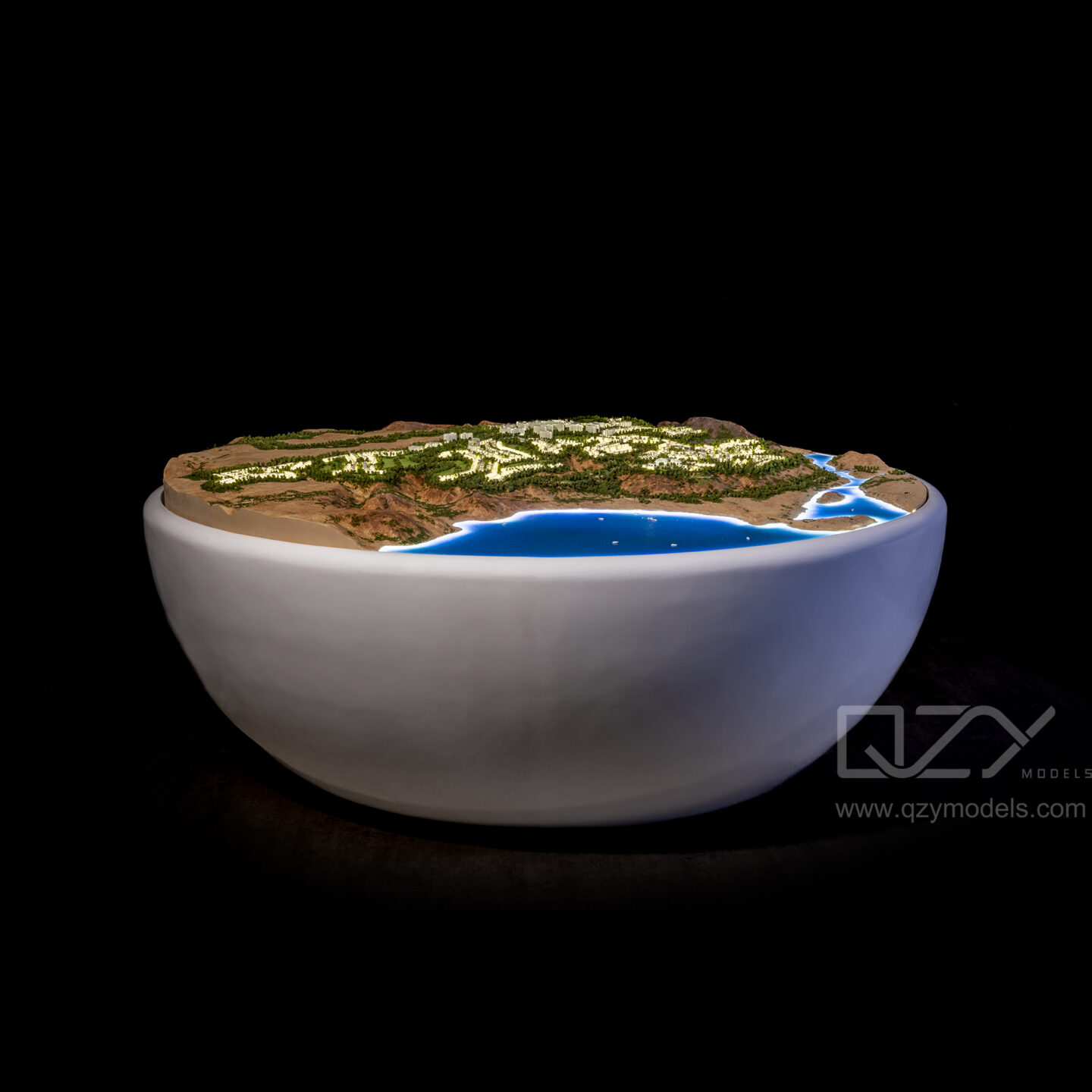
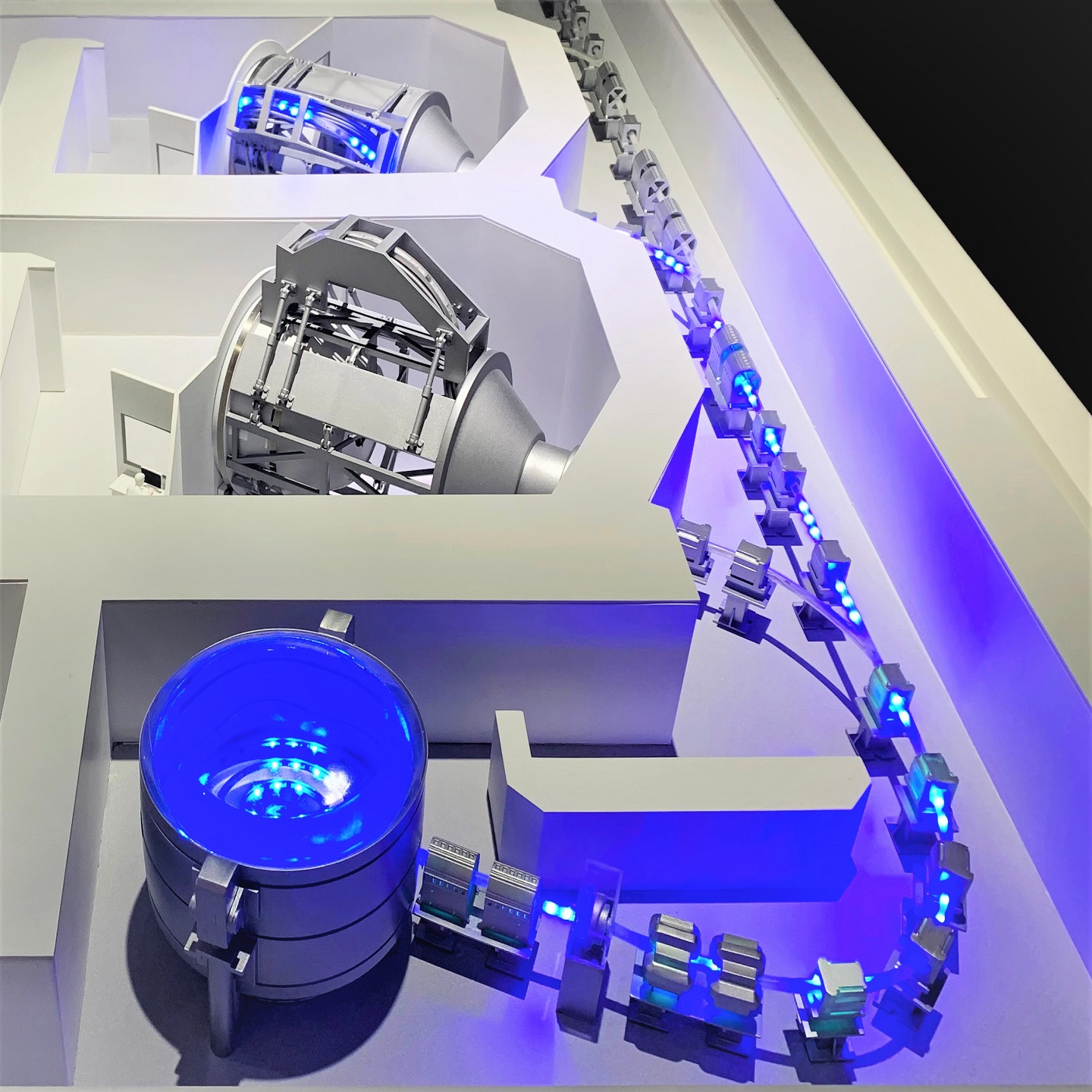
Professional miniature sculpting demands precision, consistency, and advanced ergonomic control. Selecting the right sculpting tools directly impacts model quality, detailing efficiency, and production accuracy—key factors for creators and studios striving for excellence in miniature craftsmanship.
How Is the Miniature Modeling Industry Evolving and What Challenges Remain?
The global miniature market has expanded rapidly as tabletop gaming, collectible displays, and architectural models gain popularity. According to research from Grand View Research, the global modeling tools and materials market surpassed USD 1.5 billion in 2024 and is projected to grow at 6.8% annually through 2030. Despite this momentum, over 65% of artists and studios still rely on manual tools that limit precision and scalability.
Miniature modeling often requires micro-level corrections—sometimes measured in microns. Traditional sculpting tools fail to provide fine control, leading to texture inconsistencies and surface imperfections. These errors increase rework rates by up to 22%, slowing delivery timelines, especially for professional model producers like architectural firms.
For industrial design studios, the challenge isn’t just articulating small form factors—it’s achieving repeatability. As production shifts to global clients demanding uniformity, insufficient tooling or improper ergonomics can reduce consistency and increase operator fatigue, directly impacting productivity.
What Limitations Do Traditional Sculpting Tools Have?
Conventional sculpting tools suffer from three primary drawbacks:
-
Lack of precision: Handcrafted metal tools often produce uneven pressure distribution, affecting minute detailing.
-
Low material adaptability: Most tools are optimized for clay or resin but struggle with hybrid materials like polymer mixes or epoxy.
-
Fatigue and control issues: Long sessions cause strain, especially with poorly balanced handles lacking anti-slip coatings.
Additionally, traditional processes rely heavily on the artist’s individual technique, creating variability that undermines scalability. Professional miniature manufacturers—like those partnering with QZY Models—require standardized tools that deliver precision, repeatability, and ergonomic comfort.
How Does QZY Models Offer an Advanced Sculpting Solution?
QZY Models introduces a professional line of sculpting tools designed for architectural miniatures, collectibles, and large-scale prototypes. Each tool incorporates industrial-grade stainless steel with interchangeable tips optimized for different materials including polymer clay, resin, and epoxy compound.
With over 20 years of industry experience, QZY Models developed these tools specifically for fine-detail applications in architectural micro-models. The company’s engineering-led approach bridges artistry with precision manufacturing, ensuring every stroke translates into consistent form and surface quality.
What Are the Key Advantages of QZY Models’ Tools Compared to Traditional Options?
| Feature Category | Traditional Tools | QZY Models Sculpting Tools |
|---|---|---|
| Precision | Manual control only | Uniform precision with balanced tip weights |
| Material Compatibility | Limited to clay or resin | Compatible with multiple media types |
| Ergonomics | Basic handles | Anti-slip silicone coating and ergonomic grip |
| Durability | Rust-prone metals | Industrial stainless steel, long lifespan |
| Workflow Efficiency | Manual-only finish | Supports modular toolheads for efficiency |
QZY Models’ professional toolkits streamline both traditional hand carving and precision touch-up work. The integration of replaceable heads allows sculptors to maintain surface fidelity without interruptions during detailing.
What Steps Should Artists Follow to Use QZY Models Tools Effectively?
-
Prepare Materials: Ensure modeling compound (clay, resin, epoxy) is kneaded and uniform.
-
Select Tool Head: Choose a tip according to desired texture—smooth, ribbed, or pointed.
-
Perform Detailing: Maintain steady wrist control, leveraging QZY Models’ ergonomic grip to reduce fatigue.
-
Polish Surface: Use the fine edge tools for smoothing contours and refining joint transitions.
-
Maintenance: Rinse in non-corrosive solution, dry thoroughly, and store in provided anti-oxidation casing.
Which Real-World Scenarios Demonstrate the Impact of QZY Models’ Sculpting Tools?
1. Architectural Showcase Model Production
-
Problem: Inconsistent texture finishing across façade miniatures.
-
Traditional Approach: Manual polishing after hand-sculpting, causing surface irregularities.
-
Result with QZY Models: Uniform detail structure; time savings up to 35%; presentation quality improved.
-
Key Benefit: Enhanced visual consistency for high-profile pitches.
2. Character Miniature Studios (Gaming & Collectibles)
-
Problem: Over-detailing causing clay deformation.
-
Traditional Approach: Metal pins and craft blades for micro-carving.
-
Result with QZY Models: Precise control over layered detail; reduced scrap rate by 25%.
-
Key Benefit: Improved reproduction quality for limited-edition series.
3. Industrial Prototype Modeling
-
Problem: Poor detailing accuracy on small-scale mechanical parts.
-
Traditional Approach: Machine trimming requiring post-finishing.
-
Result with QZY Models: Mirrored edges and detailed contours from initial sculpt.
-
Key Benefit: Eliminated secondary trimming stage.
4. Educational Design Workshops
-
Problem: Students struggle to achieve precision in early sculpting exercises.
-
Traditional Approach: Generic crafting kits not suitable for high-detail work.
-
Result with QZY Models: Improved skill acquisition rate and higher model completion consistency.
-
Key Benefit: Enhanced learning outcomes and professional readiness.
Why Should Model Makers Adopt Advanced Sculpting Tools Now?
Precision miniature sculpting is no longer a niche practice—it’s becoming integral to design, visualization, and marketing for industries ranging from real estate to entertainment. Current market trends indicate increased demand for hyper-realistic models and faster project turnaround times. Adopting QZY Models’ professional sculpting kits enables studios to stay competitive by reducing error margins and boosting creative control. As automation and hybrid modeling systems advance, tools that integrate ergonomic precision with industrial quality will define the next generation of miniature production.
FAQ
1. Are QZY Models sculpting tools suitable for both professionals and beginners?
Yes. The tools are designed for precision while remaining accessible to learners through ergonomic balance and easy grip.
2. Can these tools work with polymer clays and epoxies?
Absolutely. QZY Models ensures material compatibility with a wide range of sculpting compounds.
3. How should the tools be maintained for long-term use?
Clean with neutral pH solutions, dry immediately, and store in the anti-corrosion casing.
4. Are replacement heads available for specific detailing needs?
Yes. QZY Models offers modular attachments for texture, cutting, and smoothing.
5. Does QZY Models ship globally?
Yes. With branches in the UAE, Saudi Arabia, and Egypt, QZY Models serves clients across more than 20 countries.