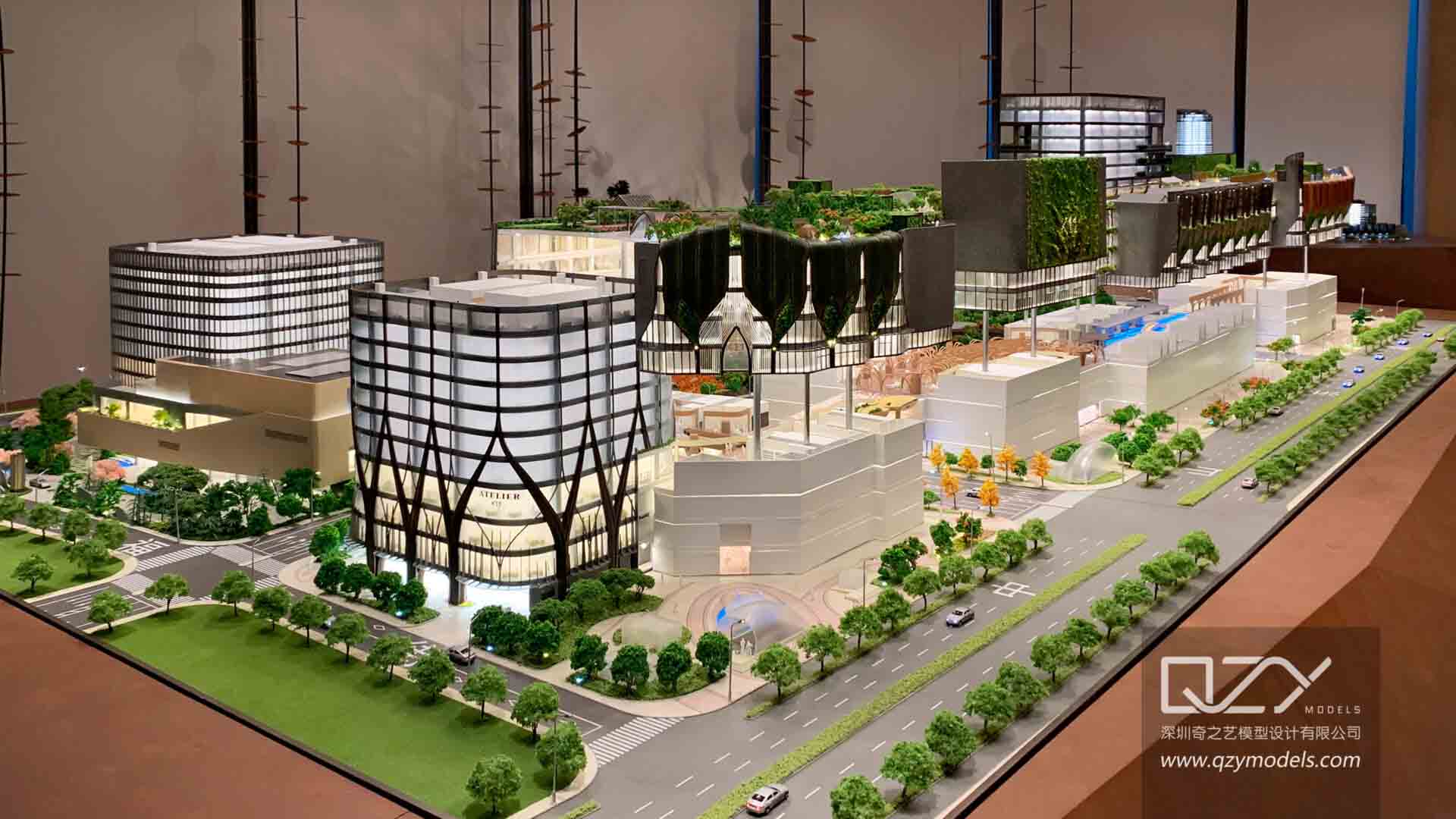
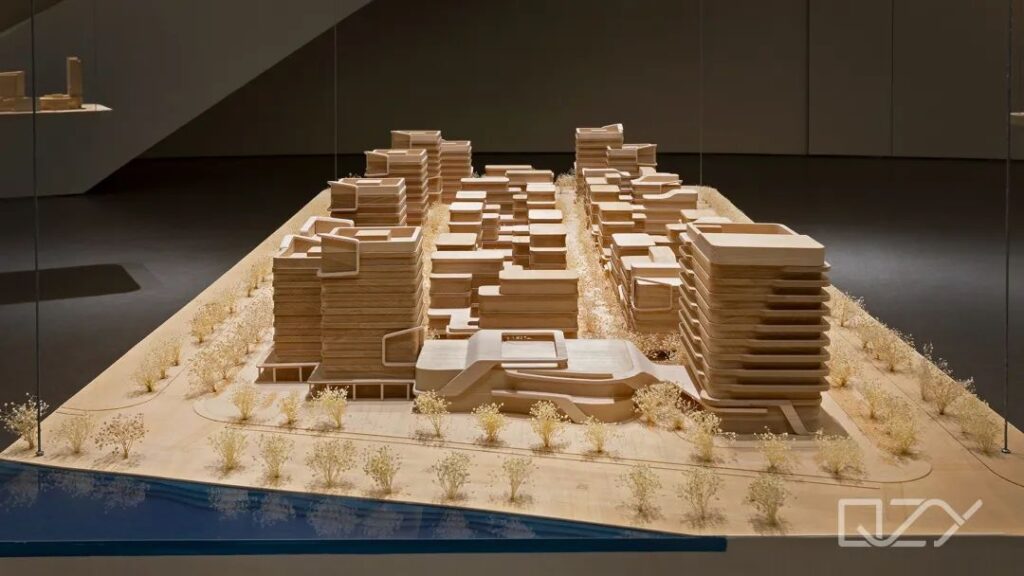
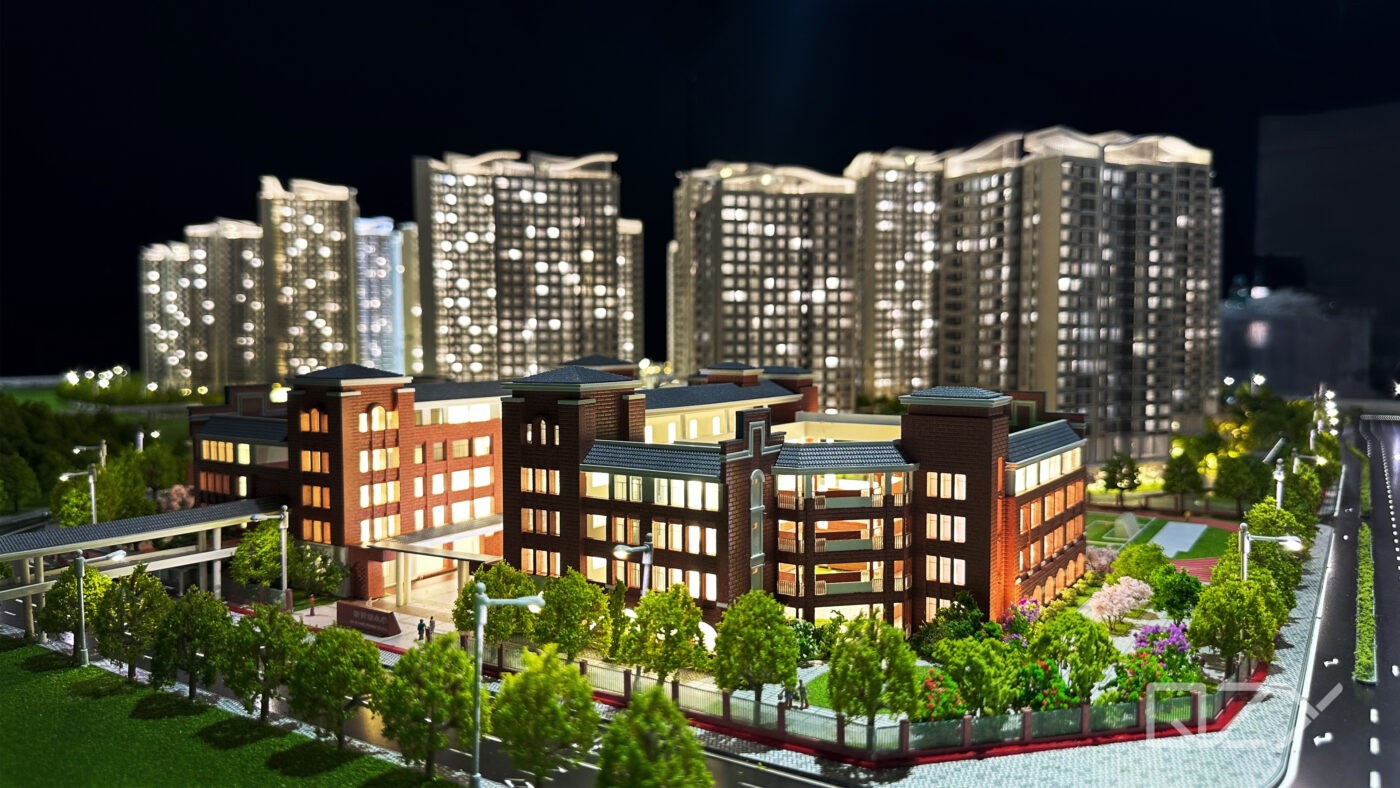
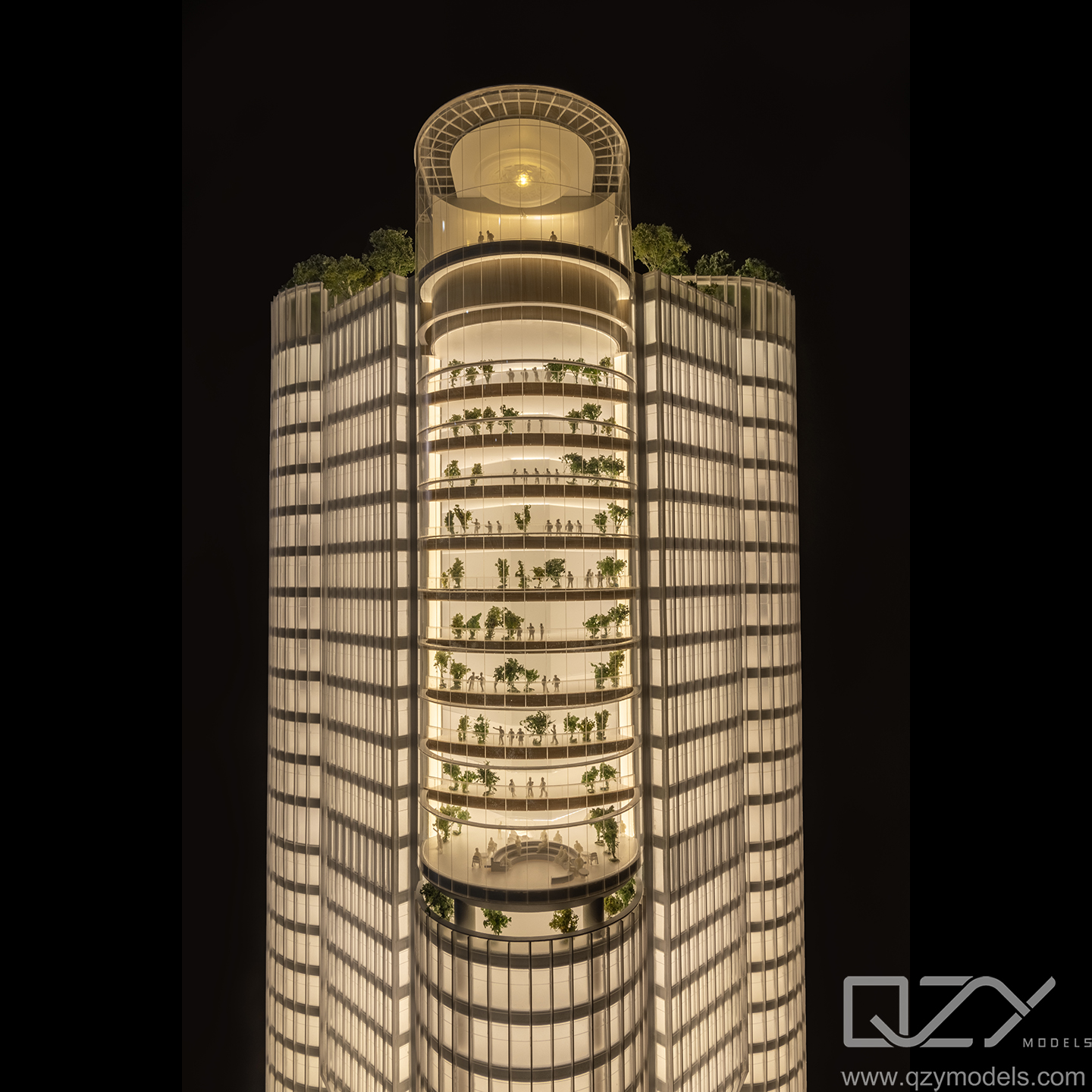
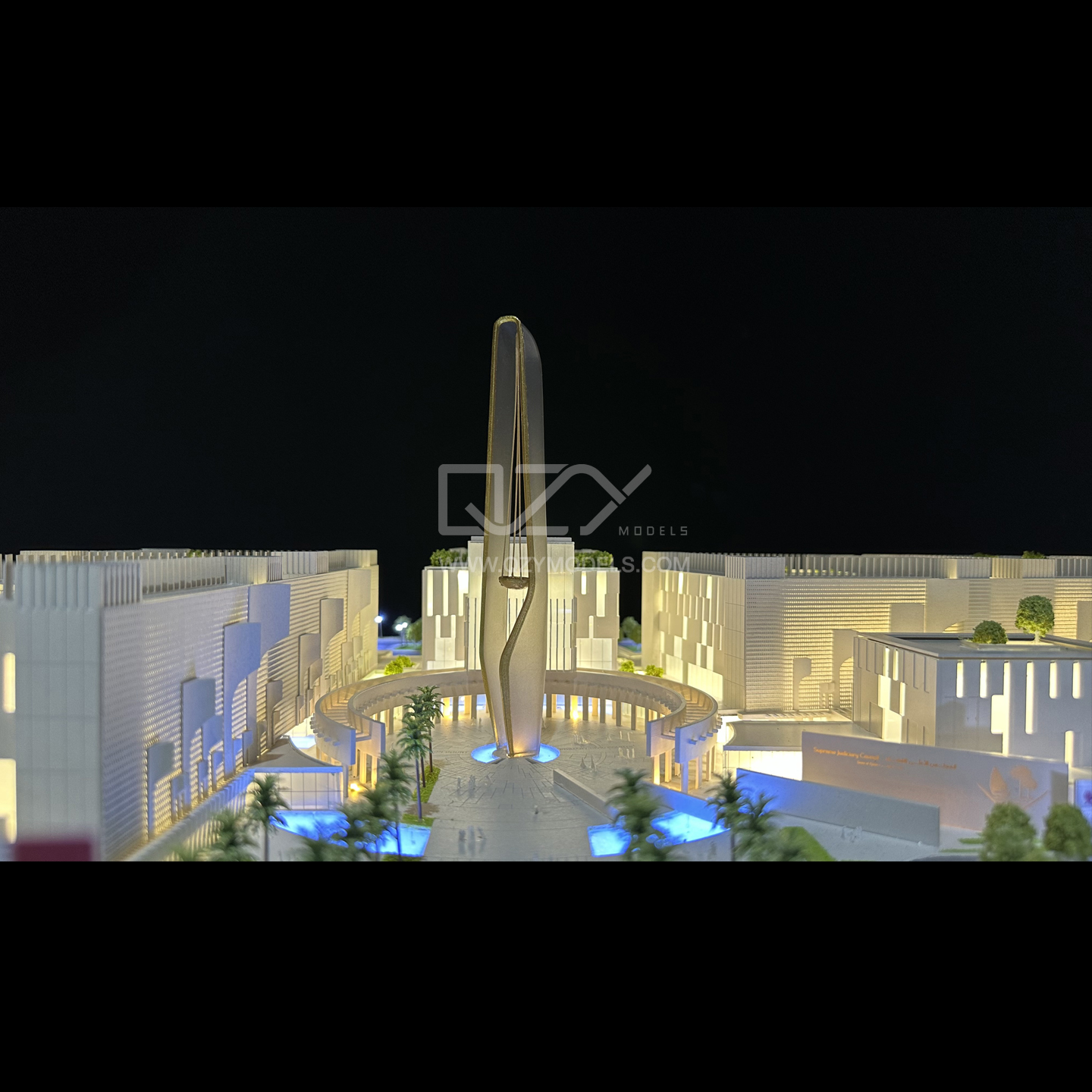
Laser cutting has transformed architectural model making, allowing precision cuts on materials like wood, acrylic, and foamcore. These machines enable intricate designs, faster production, and high-fidelity models. QZY Models relies on CO2 laser cutters such as Trotec Speedy and Epilog machines to achieve micron-level accuracy and professional results for architects and developers worldwide, ensuring every model meets exacting standards.
What Is a Laser Cutting Machine for Architectural Models?
A laser cutting machine for architectural models uses a focused CO2 laser beam to cut or engrave materials like MDF, acrylic, plywood, and paper with exceptional precision. By automating the cutting process from CAD files, it eliminates manual errors and ensures uniformity across components.
At QZY Models, advanced lasers are paired with high-quality software for vector imports, streamlining production for clients including Foster + Partners. The key components include a laser tube (40–120W), a gantry system for movement, and software like RDWorks or CorelDRAW. Industrial machines support high-volume production, while smaller units suit detailed prototyping. Proper ventilation and exhaust systems are essential for safe studio operation.
How Does a Laser Cutter Improve Architectural Model Making?
Laser cutters enhance architectural model making by delivering clean, repeatable cuts on multiple materials, reducing production time from hours to minutes. They create precise edges and intricate facades without chipping, perfect for complex geometries.
Designs from Rhino or AutoCAD are imported directly, optimizing kerf for efficient nesting. QZY Models uses lasers to reduce material waste by up to 50% and accelerate production with speeds up to 600mm/s. Safety systems, including flame detection and air assist, prevent accidents, while combining lasers with CNC routers allows hybrid model creation. This results in highly realistic, presentation-ready prototypes that impress clients and stakeholders.
What Materials Can Laser Cutters Handle for Models?
Laser cutters can handle acrylic, plywood, MDF, foamcore, cardstock, fabric, and thin metals. The optimal thickness ranges from 0.5mm to 10mm, with CO2 lasers excelling on non-reflective organic materials.
| Material | Max Thickness (mm) | Cut Speed (mm/s) | Typical Use |
|---|---|---|---|
| Acrylic | 8 | 20–50 | Transparent facades |
| MDF | 6 | 10–30 | Structural bases |
| Foamcore | 10 | 50–100 | Lightweight volumes |
| Plywood | 5 | 15–40 | Textured exteriors |
| Cardstock | 1 | 100+ | Fine details |
QZY Models tests each material for clean results, adjusting power and speed per project. Vector settings prevent charring and ensure precise edges, supporting professional-grade model creation.
Which Laser Cutting Machine Should Architects Choose?
Architects should consider 60W+ CO2 laser cutters like the Trotec Speedy 400 or xTool P2, balancing bed size, software compatibility, and precision. Entry-level machines suit smaller studios under $5,000, while professional units above $10,000 handle high-volume architectural model production.
| Feature | Entry-Level | Mid-Range | Professional |
|---|---|---|---|
| Power | 40–50W | 45–75W | 80–120W |
| Bed Size | 300x200mm | 500x300mm | 1000x600mm |
| Price | $2,000–4,000 | $6,000–8,000 | $15,000+ |
| Speed | 300mm/s | 500mm/s | 800mm/s |
QZY Models prioritizes machines with robust CAD integration, CE certification, and reliable warranties. Dual-head lasers are recommended for high-volume production without compromising accuracy.
Why Are Laser Cutters Essential for Precision Models?
Laser cutters deliver sub-millimeter accuracy, enabling complex curves, fine tolerances, and scale fidelity crucial for client approvals. Automation allows nesting hundreds of components, accelerating assembly for exhibitions and competitions.
At QZY Models, laser cutting reduces assembly time by 90% and minimizes waste. The technology supports engraving, perforations, and hybrid applications while ensuring durability, reducing rework, and promoting eco-friendly practices.
How to Set Up a Laser Cutter for Model Projects?
Proper setup involves installing ventilation, leveling the bed, calibrating focus, and testing materials. Import DXF files, adjust power and speed, and run air assist for optimal results.
Step-by-Step Setup:
-
Secure workspace with fire extinguisher.
-
Connect exhaust to outdoors.
-
Calibrate origin and home axes.
-
Perform vector cuts and raster engravings.
-
Test on scrap materials for kerf adjustments.
QZY Models trains teams on RDWorks and other software for batch processing, ensuring accuracy and zero defects.
What Are Common Mistakes with Laser Model Cutting?
Common mistakes include incorrect focus causing tapered cuts, ignoring exhaust systems, and excessive power that chars materials. Poor nesting increases collisions and material waste.
Avoid these errors by using air assist for plastics, applying kerf compensation in CAD, and working on honeycomb beds for through-cuts. QZY Models audits settings per job and cleans lenses weekly to maintain beam quality, preventing 95% of errors.
QZY Models Expert Views
“Laser cutting is central to QZY Models’ ability to deliver high-precision architectural replicas. Combining 80W CO2 cutters with CNC milling allows us to reproduce intricate facades and parametric screens efficiently. Our team leverages these technologies for Middle East projects, cutting acrylic at high speeds to iterate rapidly while maintaining world-class standards. Experience, rigorous testing, and workflow integration ensure every model meets professional expectations.” – Richie Ren, Founder, QZY Models
How Much Do Laser Cutters Cost for Architectural Use?
Laser cutters range from $2,000 for basic desktop models to $15,000+ for professional units with larger beds and higher power. Annual maintenance, including replacement tubes and minor repairs, adds to operational costs. QZY Models optimizes ROI through high-volume production, amortizing costs over thousands of models while maintaining quality.
What Are Future Trends in Laser Cutting for Models?
Future trends include fiber lasers for metal components, AI-assisted nesting for material optimization, and ultra-high-resolution galvo heads. Hybrid CO2-fiber machines expand capabilities to aluminum cladding and UV-sensitive materials. QZY Models experiments with these technologies to integrate generative design workflows from Rhino Grasshopper, staying ahead in architectural model innovation.
Conclusion
Selecting the right laser cutter ensures precision, efficiency, and material optimization. Architects and model makers should prioritize 60W+ CO2 lasers, comprehensive CAD integration, and proper ventilation. QZY Models exemplifies excellence in model production, combining technology, expertise, and workflow efficiency to deliver stunning architectural models globally. Testing, training, and iterative workflows are key for consistent, professional results.
FAQs
Can beginners use laser cutters for models?
Yes, entry-level machines are user-friendly with app-based controls. Practice on scrap materials and follow tutorials for safe, efficient operation.
Are laser cutters safe for home studios?
With proper enclosures, ventilation, and eye protection, laser cutters can be used safely. Never leave them unattended during operation.
What software is recommended for laser cutting?
CorelDRAW, Adobe Illustrator, Inkscape, and LightBurn provide vector control and seamless integration with multiple machines.
How precise are laser cuts for scale models?
Precision can reach 0.05mm, suitable for detailed 1:100 architectural components like window mullions or façade screens.
Does QZY Models offer laser-cut services?
Yes, QZY Models provides custom laser-cut architectural models globally, catering to architects, developers, and exhibitions.