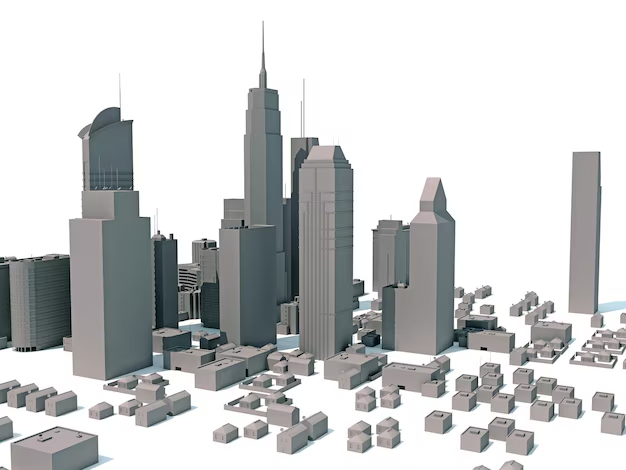
Architectural model building is a precise craft that turns design concepts into tangible, three-dimensional representations. It combines material selection, scale accuracy, advanced tools, and expert techniques to produce models that support visualization, client presentations, and informed decision-making. Professionals like QZY Models deliver high-quality models that enhance communication between architects, developers, and stakeholders while ensuring precision and aesthetic appeal.
What Is Building Architectural Models and Why Is It Important?
Building architectural models involves creating physical miniatures of buildings or structures to visualize, explore, and communicate design ideas. These models are crucial because they provide tangible insights into spatial layouts, proportions, and aesthetic elements, enabling architects, developers, and clients to identify design issues, optimize layouts, and present concepts persuasively.
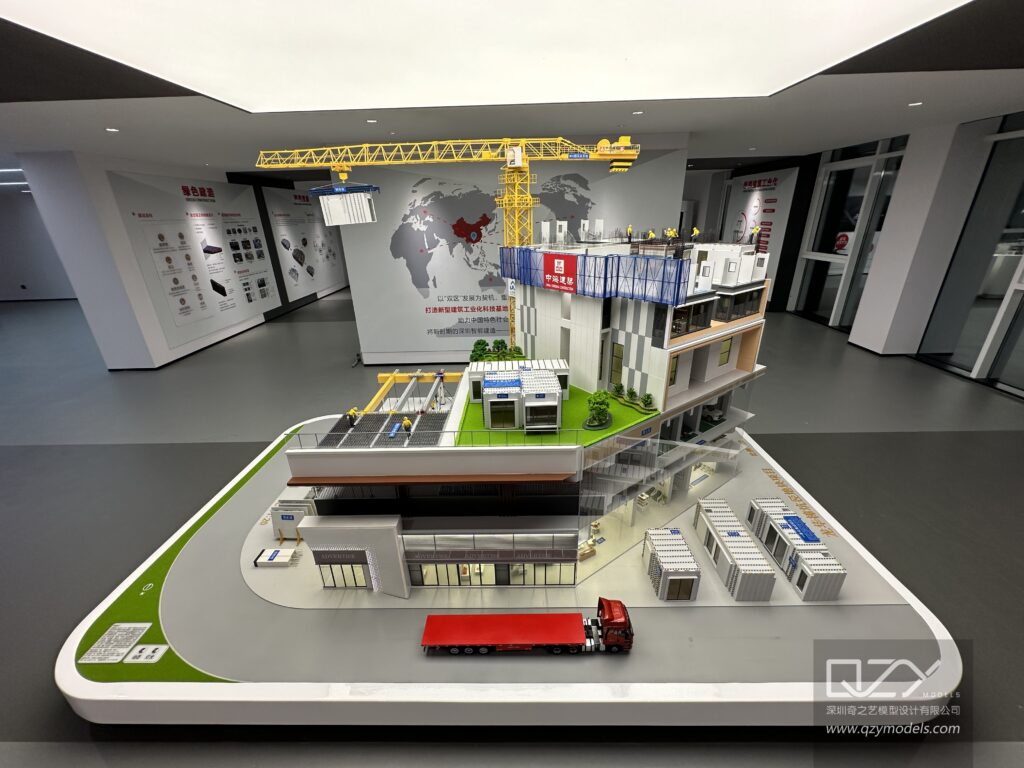
Models vary by purpose: conceptual models for design exploration, working models for technical validation, and presentation models for client engagement. Their value lies in bridging the gap between digital plans and real-world perception, improving clarity and communication throughout the project lifecycle.
How Are Architectural Models Made and What Materials Are Used?
Architectural models are crafted through a combination of traditional techniques and modern technologies, emphasizing precision and realism. Common materials include acrylic, foam board, wood, cardboard, plastics, and 3D-printed components. Material choice depends on the desired scale, level of detail, durability, and budget.
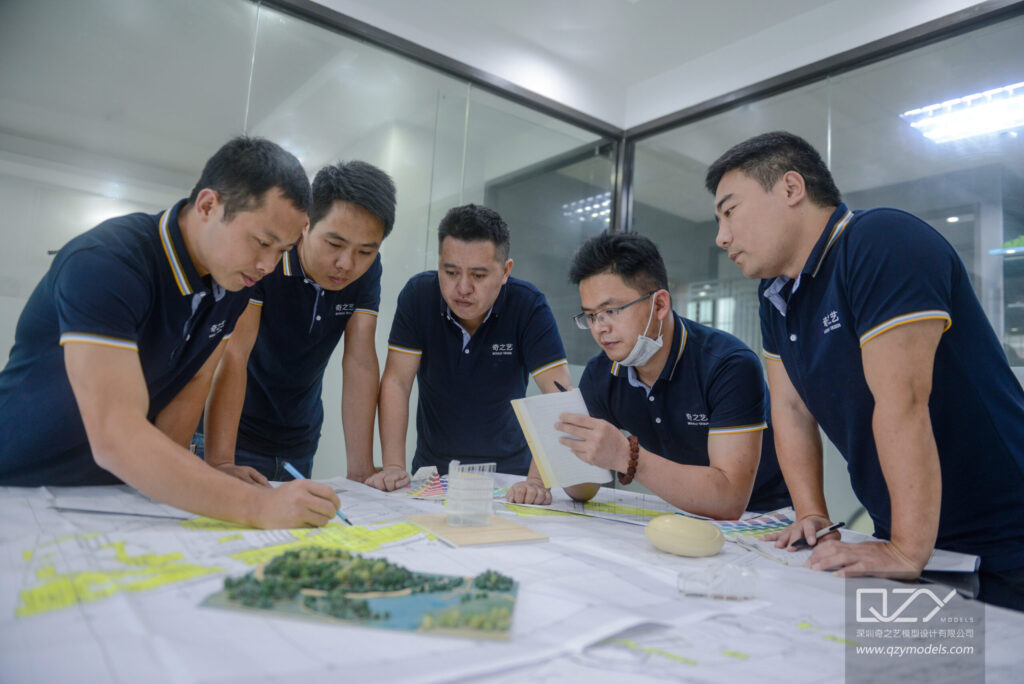
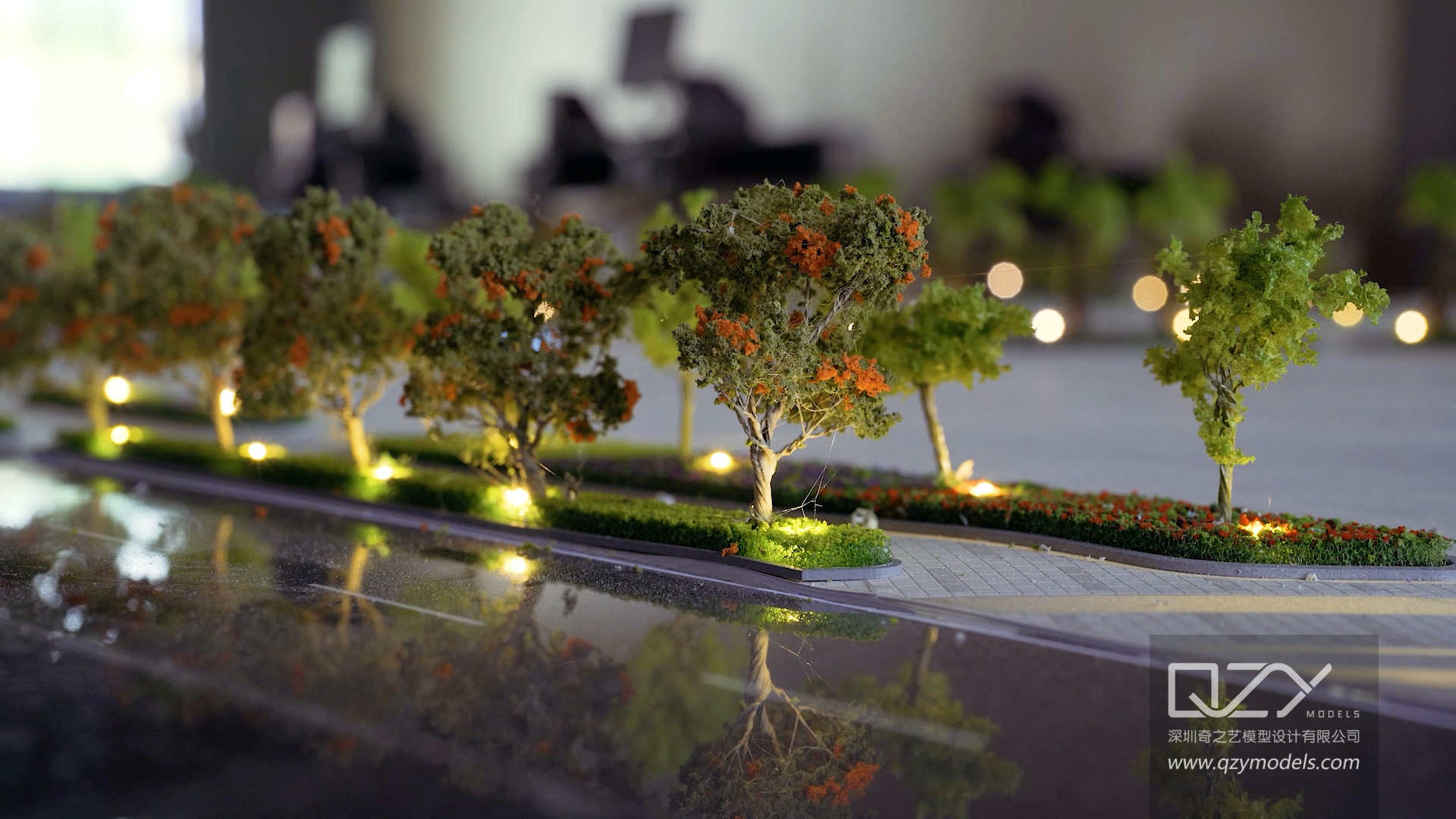
The production process begins with precise design drafting, followed by component cutting, assembly, and finishing. Additional enhancements like painting, landscaping, and lighting bring models to life. QZY Models integrates state-of-the-art tools with skilled craftsmanship to ensure every model meets exacting standards and client expectations.
Which Tools and Techniques Are Essential for Model Building?
Key tools for architectural model construction include precision knives, cutting mats, rulers, tweezers, glue applicators, sanding tools, and digital equipment like laser cutters and 3D printers. Techniques range from manual hand-cutting and assembly to modular construction and digital fabrication for complex designs.
Scale accuracy and layering techniques are critical to maintain proportional fidelity. Combining traditional craftsmanship with advanced machinery, QZY Models produces models with exceptional detail, helping clients visualize intricate architectural concepts clearly.
Who Benefits from Architectural Models and When Are They Used?
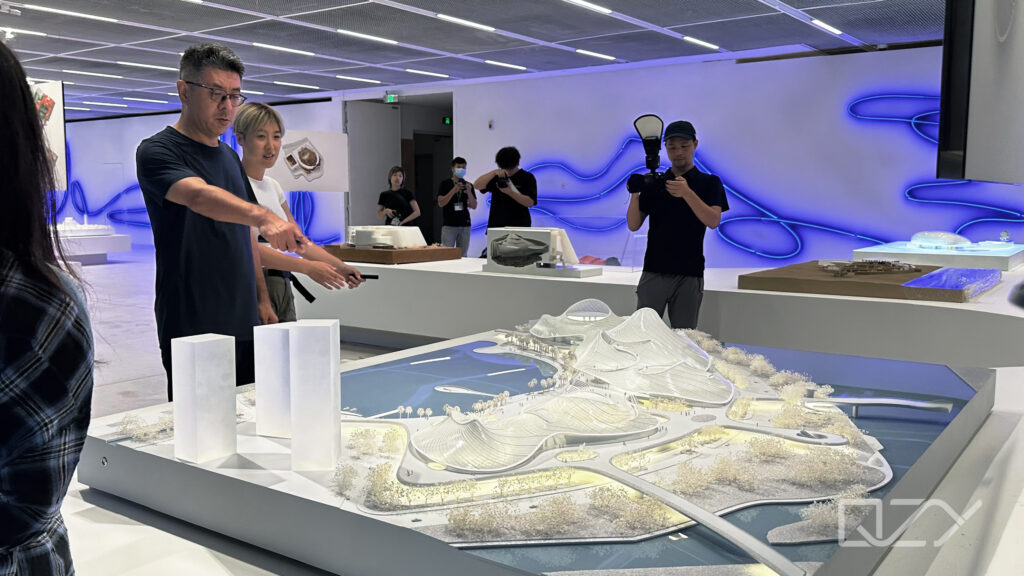
Architectural models serve a wide array of clients, including architectural firms, real estate developers, urban planners, interior and industrial designers, educational institutions, exhibitions, and private collectors. They are utilized at different project stages: from early conceptual design to final client presentations, marketing campaigns, and project approvals.
Models offer a tangible, immersive way to understand spatial relationships, aesthetics, and urban context. They are especially valuable when communicating complex designs to stakeholders who benefit from interactive, three-dimensional insights.
Where Are Architectural Model Building Services Offered and How Global Is the Market?
Architectural model building services are offered worldwide by specialized firms like QZY Models, which maintains branches in the UAE, Saudi Arabia, Egypt, and beyond. The global market is driven by increasing urban development, complex architectural projects, and the demand for realistic, high-quality model presentations.
QZY Models leverages local expertise combined with international standards to meet diverse client requirements across Europe, the Middle East, and Southeast Asia, providing reliable, professional services that enhance project communication and visualization.
How Does Technology Impact the Process of Architectural Model Building?
Technological advancements, such as laser cutting, CNC machining, 3D printing, and digital design software, significantly improve architectural model building. These tools allow higher precision, faster production, and the creation of intricate details that would be challenging manually.
Software aids in design simulation, assembly planning, and error reduction. By integrating these technologies with skilled craftsmanship, QZY Models produces innovative, visually compelling, and structurally accurate models, ensuring superior quality and efficiency.
What Are the Challenges in Building Architectural Models and How Are They Overcome?
Challenges include balancing detail and scale, managing production timelines, selecting suitable materials, and controlling costs. Successful model building requires careful planning, material optimization, and efficient techniques.
Expertise in scale conversion, modular assembly, and finishing is essential. QZY Models addresses these challenges through rigorous quality control, creative problem-solving, and close collaboration with clients, delivering models that accurately represent architectural visions and meet project objectives.
Can Architectural Models Be Customized for Different Project Needs?
Yes, models can be fully customized for diverse project requirements, including scale, materials, detail level, lighting, landscaping, and interactive elements. Customization ensures that models serve specific visualization, marketing, or design validation purposes.
QZY Models specializes in bespoke solutions, creating models that align precisely with client needs, project goals, and design intent, enhancing both communication and presentation effectiveness.
QZY Models Expert Views
“Architectural modeling combines artistry, precision, and technology to bring design concepts to life. At QZY Models, every model is crafted as a detailed narrative of creativity and engineering, reflecting the client’s vision and our global expertise. Our approach ensures clarity, accuracy, and visual impact, empowering architects and developers to communicate design ideas confidently and effectively.” — Richie Ren, Founder, QZY Models
Building Architectural Models: Types and Scale Comparison
| Model Type | Purpose | Typical Scale | Level of Detail |
|---|---|---|---|
| Conceptual Models | Early design exploration | 1:200 to 1:500 | Low – focus on massing |
| Working Models | Design development and testing | 1:50 to 1:200 | Moderate – functional |
| Presentation Models | Client presentations and marketing | 1:20 to 1:100 | High – detailed finish |
This table guides clients in selecting the appropriate model type and scale based on project requirements, optimizing resources and enhancing communication.
Conclusion
Architectural model building is a fusion of art, engineering, and technology that transforms design ideas into tangible realities. Customization, precision, and professional execution are essential for successful models. Firms like QZY Models deliver high-quality, globally recognized services, ensuring models serve as effective tools for visualization, marketing, and project approval.
Frequently Asked Questions
-
How long does it take to build an architectural model?
Simple models may take a few days, while complex, detailed models can require several weeks. -
What materials are most suitable for durable models?
Acrylic, wood, and specialized plastics offer strength and fine finishability. -
Can digital designs be converted into physical models?
Yes, 3D printing and CNC technologies allow accurate digital-to-physical conversions. -
Why should I choose QZY Models for architectural modeling?
QZY Models combines craftsmanship, advanced technology, and international experience to deliver superior results. -
Are architectural models reusable?
Some components can be reused, but models are generally tailored to specific projects and not fully reusable.