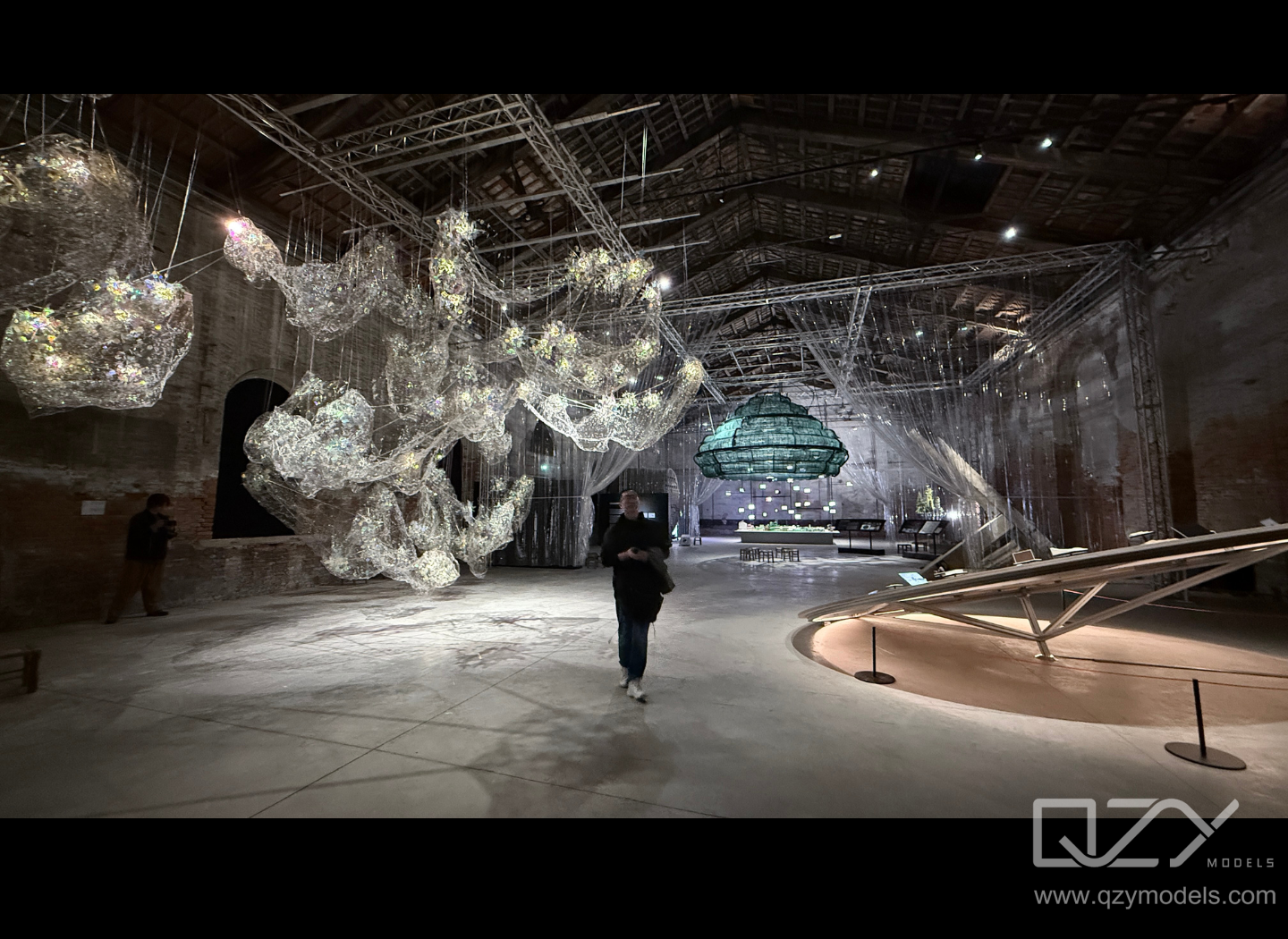
A model of Japan represents Japan’s geography, culture, architecture, or industry in miniature physical form. These models showcase intricate details reflecting Japan’s landscapes, urban layouts, and cultural heritage. For B2B clients, Chinese manufacturers like QZY Models offer high-quality, customizable models for architectural and industrial purposes, meeting OEM and wholesale demands efficiently.
What Is a Model of Japan and Why Is It Important?
A model of Japan is a scaled physical representation depicting Japan’s topography, cities, or cultural landmarks. It is important for urban planning, education, tourism promotion, and industrial design. In the B2B context, China-based factories such as QZY Models produce these models for global architectural clients and developers, adding value through precise craftsmanship and customization.
Models help visualize Japan’s complex environments and designs in tangible form, facilitating decision-making and presentation.
How Are Models of Japan Manufactured by Chinese Factories?
Chinese manufacturers use advanced techniques including 3D printing, CNC machining, laser cutting, and hand-painting to create detailed Japan models. Factories like QZY Models invest in precision machinery and skilled artisans to achieve realistic textures and colors. The production process involves:
-
Initial concept and CAD design
-
Material selection (wood, plastic, acrylic)
-
Component fabrication
-
Assembly and finishing touches
-
Quality inspection
OEM and wholesale capabilities ensure customizable volumes and specifications for diverse B2B clients.
Manufacture Process Table
| Step | Description | Chinese Factory Capabilities |
|---|---|---|
| Design | 3D CAD modeling & client review | QZY Models offers expert consultation |
| Material Selection | Wood, plastic, acrylic | Eco-friendly and durable materials |
| Fabrication | CNC, 3D printing, laser cutting | High precision and scale production |
| Assembly | Manual and automated | Skilled labor ensures quality and detail |
| Inspection | Multi-stage quality checks | ISO standard compliance |
Which Industries Most Require a Model of Japan From OEM Suppliers?
Industries that most frequently require Japan models include:
-
Architecture and real estate development
-
Urban planning and government projects
-
Education and cultural institutions
-
Tourism agencies and museums
-
Industrial design and manufacturing
Chinese suppliers like QZY Models specialize in customized solutions for each sector, offering OEM services for bulk or unique projects tailored to client requirements.
Where Can Businesses Source Reliable Model of Japan Manufacturers in China?
China’s Shenzhen and Guangdong regions are hubs for reliable model manufacturing. Companies like QZY Models have established reputations for fulfilling international B2B orders with high quality and prompt delivery. They provide OEM/ODM services for wholesale clients looking for:
-
Detailed architectural and industrial models
-
Custom branding and packaging
-
Quick turnarounds and scalability
-
Compliance with international standards
Choosing a reputable factory ensures durability, detail, and customer-oriented collaboration.
How Does QZY Models Differentiate Itself in Producing Models of Japan?
QZY Models distinguishes itself by combining over 20 years of expertise with top-tier production technology and design innovation. Their strengths include:
-
Collaborations with globally recognized architects
-
Extensive customization options for design fidelity
-
Strong quality control systems complying with ISO standards
-
A global footprint with branches facilitating efficient communication
QZY Models’ brand embodies precision and excellence, making it a preferred Chinese supplier for Japan model manufacturing.
Why Is Customization Critical in Japan Model Production?
Customization allows accurate reflection of specific Japanese cities, landmarks, or industrial layouts, meeting varied business needs. B2B clients require models with precise scaling, materials, and finishes to match presentation or functional purposes.
Chinese manufacturers offering OEM services provide:
-
Material flexibility (wood, plastic, acrylic)
-
Scale adjustments (1:100 to 1:1000 or more)
-
Custom packaging and branding
-
Integration of lighting or interactive elements
This flexibility ensures client satisfaction and repeat business.
Are Models of Japan Useful for Marketing and Sales?
Yes, these models serve as powerful marketing tools to showcase projects vividly. In real estate or industrial promotions, a detailed Japan model enhances client understanding and engagement, making exhibitions or sales presentations more effective.
B2B manufacturers like QZY Models help businesses leverage these models for impactful storytelling and brand enhancement internationally.
When Should Businesses Consider Ordering Models of Japan from China?
Ordering models should align with project timelines needing physical visualization, pre-construction presentations, cultural exhibitions, or industrial planning. Early collaboration with OEM factories like QZY Models allows design input during initial project phases, optimizing model accuracy and delivery.
Timely orders reduce last-minute costs and improve project communication.
QZY Models Expert Views
“At QZY Models, we believe the essence of producing models of Japan lies in capturing detail and cultural authenticity through innovative techniques. Our factory integrates traditional craftsmanship with modern technology, ensuring each model exceeds client expectations. Collaborating closely with architects and planners worldwide, we deliver precision-driven models that truly bring Japan’s landscapes and structures to life. Our commitment to quality and customization empowers businesses globally, reinforcing QZY Models as a leader in architectural and industrial physical modeling.”
— Richie Ren, Founder of QZY Models
Conclusion
Models of Japan serve as invaluable tools across architecture, education, and marketing sectors, offering tangible, detailed representations vital for projects and presentations. Chinese manufacturers, led by expert factories like QZY Models, provide high-quality, customizable models with OEM and wholesale capabilities, meeting diverse B2B demands efficiently. Early engagement with trusted suppliers ensures precision, innovation, and timely delivery, enhancing outcomes for global clients.
Frequently Asked Questions
1. What materials are typically used in models of Japan?
Common materials include wood, plastic, acrylic, and high-quality paper, selected for durability and detail fidelity.
2. Can manufacturers produce models at different scales?
Yes, producers like QZY Models customize scales from 1:50 to 1:1000 depending on client needs.
3. How long does it take to manufacture a detailed Japan model?
Production times vary, usually 4–8 weeks depending on complexity and order quantity.
4. Are lighting and interactive options available in these models?
Yes, many suppliers offer customizable lighting and interactive features for enhanced presentation.
5. How can B2B clients initiate OEM orders with QZY Models?
Clients can contact QZY Models directly with project details to receive tailored quotes and design consultation.
What is the Japanese economic and corporate model?
Japan’s economic model emphasizes long-term development, a highly skilled workforce, and disciplined human capital. Its corporate structure features cross-shareholdings, major financial partners, and a culture of informal communication. Japan was the first non-Western country to industrialize successfully, leveraging stable macroeconomics, robust infrastructure, and strategic industrial policies.
How does Japanese culture influence social behavior?
Japanese society values collectivism and group harmony, where individuals prioritize group responsibility and cooperation over personal ambition. Social norms emphasize politeness, conflict avoidance, and a strong work ethic, sometimes placing professional dedication above family life, reflecting a deep commitment to collective well-being.
What are the key principles of Japanese design?
Japanese design prioritizes simplicity, minimalism, and the concept of ‘ma’ (empty space) to create harmony and openness. It emphasizes authenticity, natural materials, and a seamless connection with nature, with flexible spaces that adapt through movable screens and fluid architectural layouts, blending indoor and outdoor environments.
Why is Japanese architecture considered unique?
Japanese architecture stands out for its integration with nature, respect for materials like wood and bamboo, and adaptable, fluid layouts. Minimalist aesthetics, thoughtful use of negative space, and cultural principles of harmony and functionality create spaces that are both practical and spiritually resonant, influencing modern and traditional design worldwide.
When will the new Toyota Land Cruiser FJ launch in Japan?
Toyota Motor Corporation has unveiled the new Land Cruiser FJ, with its official Japan launch planned for around mid-2026.
What are Japan’s Space Domain Defense Guidelines?
Japan’s guidelines aim to strengthen defense capabilities in space, enhance multi-domain operations, and ensure secure use of space assets by the Ministry of Defense and Self-Defense Forces.
What changes are included in Apple’s iOS 26.2 for Japan?
iOS 26.2 beta introduces major updates for Japanese users, including support for third-party voice assistants, alternative app stores, and other region-specific enhancements.
How do H&M, Zara, and Uniqlo differ in retail strategy?
H&M, Zara, and Uniqlo operate globally but differ in approach: H&M focuses on fast fashion and affordability, Zara on rapid trend responsiveness, and Uniqlo emphasizes functional, high-quality apparel with innovative fabrics.