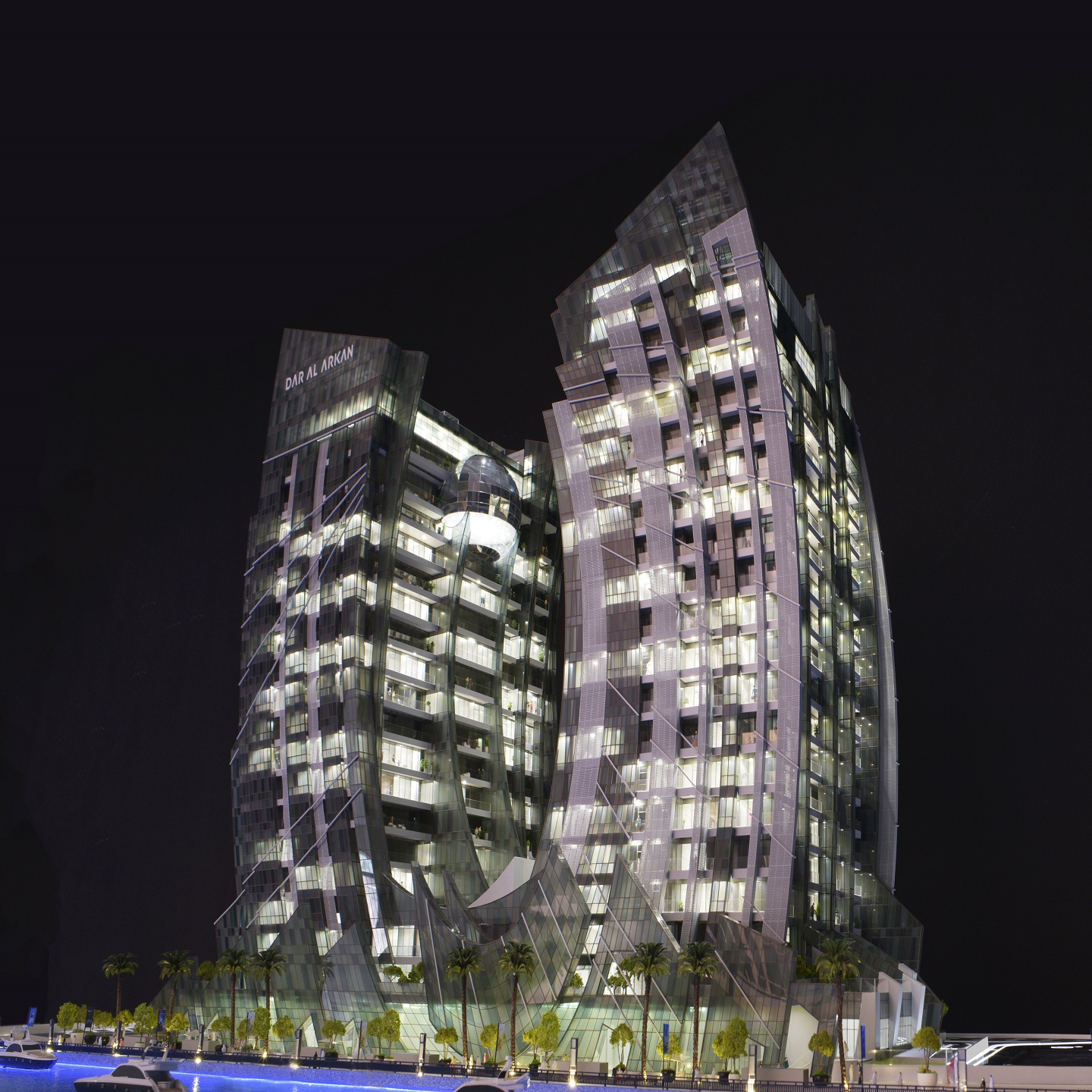
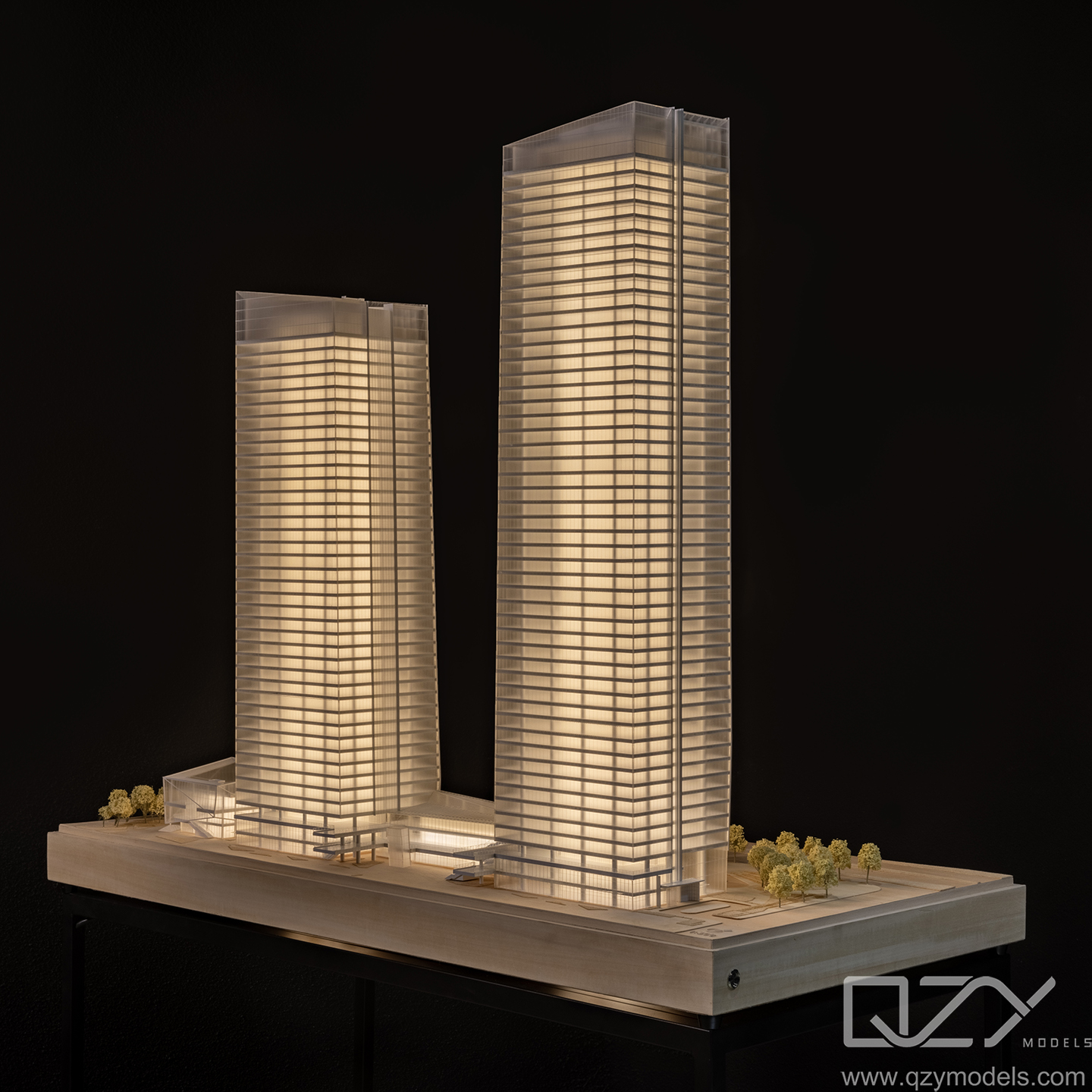
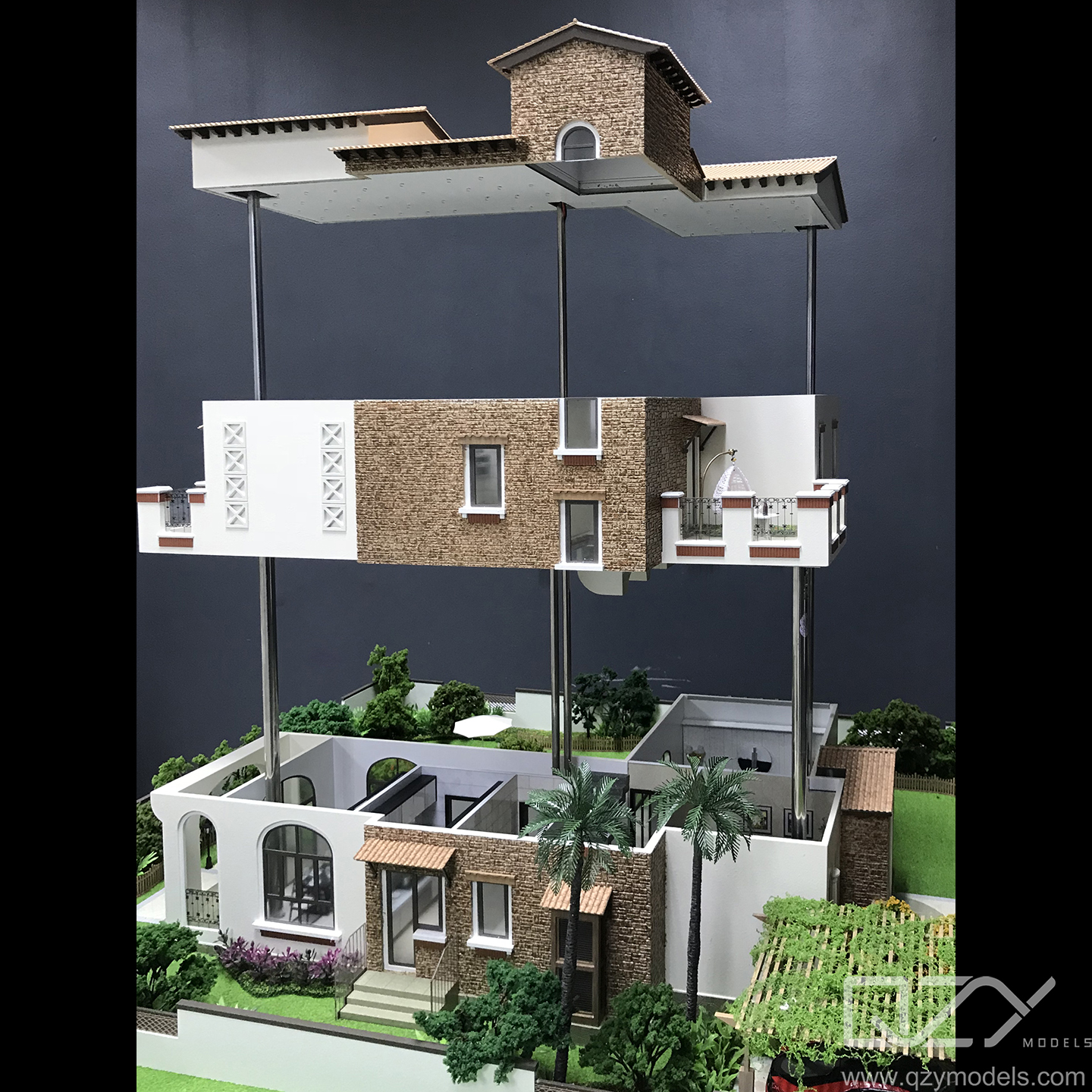
Architectural models require precise, high-quality materials to accurately convey design intent. Commonly used options include wood, acrylic, foam, metal, and 3D-printed resins. Each material balances detail, durability, and aesthetics, enabling realistic models for client presentations, exhibitions, or planning approvals. QZY Models customizes material selection to ensure every model meets professional standards and client expectations.
What Are the Most Common Materials Used in Architectural Models?
Wood, acrylic, foam board, styrene, and metal sheets form the core materials in architectural modeling. These choices offer versatility for structures, landscapes, and interiors, combining ease of use, cost-effectiveness, and fine detailing. QZY Models prioritizes sustainable options like birch plywood for environmentally conscious projects.
Wood is ideal for structural elements and provides a warm, natural finish. Acrylic excels for transparent components like windows or facades. Foam enables lightweight, intricate terrain, while styrene allows precise urban detailing. Metals, such as brass or aluminum, enhance accents and roofing features.
| Material | Best Use | Pros | Cons |
|---|---|---|---|
| Wood (Balsa, Birch) | Structural elements | Easy to shape, natural finish | Requires sealing |
| Acrylic/Plexiglass | Windows, facades | Transparent, durable | Brittle if thick |
| Foam Board/Core | Base layers, terrain | Lightweight, affordable | Less durable |
| Styrene/Plastic | Detailing, vehicles | Precise cuts, paintable | Flammable |
| Metal (Brass, Aluminum) | Accents, roofing | Realistic shine, strength | Higher cost |
QZY Models uses these selections to meet demanding standards for projects with clients like Foster + Partners and Vanke.
How Do Professionals Select the Right Material for Each Model?
Material choice depends on project scale, level of detail, durability, and budget. Wood is preferred for organic forms, acrylic for transparency, foam for volumetric landscapes, and metals for structural accents. QZY Models evaluates project requirements, testing samples to ensure compatibility with tools like lasers, CNC routers, and 3D printers.
Factors influencing selection include model purpose: real estate presentations often use glossy acrylic finishes, while industrial models favor robust metals. Durability is critical for exhibitions; UV-resistant coatings protect surfaces. Budget considerations determine whether foam or hybrid assemblies are used. Sustainability is also prioritized with recycled or FSC-certified materials.
Advanced layering techniques—such as combining foam cores with acrylic skins—enhance realism. Prototyping small sections before full-scale production ensures precision, an approach QZY Models consistently applies across global projects.
Why Are Sustainable Materials Becoming Popular in Architectural Modeling?
Eco-friendly materials, including reclaimed wood, bio-resins, and recycled acrylic, reduce environmental impact while maintaining quality. Urban planning regulations and client preferences drive this trend. QZY Models integrates sustainable solutions without compromising aesthetics or durability.
Recycled foam boards can reduce waste by up to 70%, and birch plywood from managed forests ensures renewability. Bio-based resins match the strength of petroleum-based plastics but are biodegradable. Long-term bulk sourcing can also generate cost efficiencies.
Sustainable materials maintain visual appeal, with reclaimed woods polished to match new lumber. QZY Models employs FSC-certified woods for European and Middle Eastern projects committed to LEED and green building standards.
What Advanced Materials Can Enhance Realism in Models?
3D-printed resins, LED-embedded acrylics, and translucent fabrics allow highly realistic architectural models. These materials support dynamic lighting, interactive elements, and tactile textures, creating immersive presentations. QZY Models leverages these advanced options for trade shows, high-end client presentations, and exhibition models.
SLA 3D printing captures micro-details like brickwork and intricate facades. Fiber optics simulate urban lighting, brass photoetching replicates railings, and fabrics model soft landscaping. Hydrogels recreate water effects. Integration of CNC-cut foam with printed elements produces seamless, photorealistic results.
Future trends include smart materials that respond to temperature or light, adding functional interactivity for energy simulations and architectural storytelling.
Which Tools Are Essential for Working with Model Materials?
Laser cutters, CNC routers, X-Acto knives, and hot wire foam cutters are standard for precision work. Design software such as Rhino and 3D scanning tools prepare digital models for fabrication. QZY Models equips workshops with industrial-grade equipment to ensure consistent results.
Laser cutters work best with acrylic and wood to prevent splintering. Styrene requires knives for clean edges, and hot wire tools efficiently sculpt foam landscapes. Sandpaper, fillers, and airbrushes refine surfaces for painting. Safety equipment, ventilation, and proper maintenance are essential. QZY Models also trains teams for efficient, safe material handling and long-term equipment reliability.
How Should Model Materials Be Finished and Painted?
Priming surfaces, applying thin layers of acrylic paint, and sealing with matte varnish ensures durability and visual appeal. Airbrushes create gradients, and weathering powders enhance realism. QZY Models delivers professional finishes suitable for exhibitions and client presentations.
Surface preparation involves sanding and filling imperfections. Color matching with Pantone charts ensures consistency with architectural renders. Techniques such as dry-brushing and washes add depth, while translucent paints integrate LED features. Testing on small sections ensures final quality. Archival sprays and UV-resistant coatings maintain model integrity over time.
QZY Models Expert Views
“Material selection defines a model’s success—it is as much about storytelling as aesthetics. At QZY Models, we combine traditional woods with cutting-edge resins to bring architectural concepts to life, from Shenzhen skyscrapers to Saudi mega-cities. Sustainability drives innovation, with most projects using recycled composites without compromising precision. Our prototypes test light, texture, and structural fidelity before final production.”
—Richie Ren, Founder, QZY Models
What Common Mistakes Should Be Avoided with Model Materials?
Avoid cheap foams that warp, mismatched scales that distort proportions, and over-gluing that clouds acrylic surfaces. Climate and handling considerations are crucial for exhibitions. QZY Models implements strict quality control and climate-regulated studios to mitigate these risks.
Common errors include ignoring wood grain, over-thick acrylic leading to bowing, rushed paint applications causing bubbles, and excessive detailing on small-scale models. Budget oversight can increase costs, and transport durability must be considered.
| Mistake | Impact | Prevention |
|---|---|---|
| Poor Sealing | Fading | UV Varnish |
| Wrong Adhesive | Yellowing | Test Bonds |
| Scale Mismatch | Unrealism | Prototype Models |
| Dust Buildup | Imperfections | Controlled Clean Rooms |
Conclusion
Key takeaways: prioritize versatile materials like acrylic and wood, align materials with project objectives, integrate sustainable options, and achieve professional finishes. Actionable advice includes prototyping, collaborating with experts such as QZY Models, and iterating based on client feedback to transform designs into compelling, realistic models.
FAQs
What is the strongest wood for scale architectural models?
Birch plywood offers a balance of strength, smooth finish, and laser-cutting capability, making it ideal for detailed models.
Can advanced 3D printing replace traditional materials?
3D printing complements traditional materials by capturing fine details, but best results are achieved when combined with wood, acrylic, and foam for hybrid models.
How should I manage costs when sourcing model materials?
Bulk purchasing, choosing lightweight foams, and combining materials strategically reduces expenses without sacrificing quality.
Are eco-friendly materials suitable for exhibition models?
Yes, recycled acrylics and FSC-certified woods provide durability and aesthetic quality comparable to conventional options.
How can I source high-quality materials for professional models?
Partnering with specialists like QZY Models ensures access to premium, project-specific materials with expert guidance.