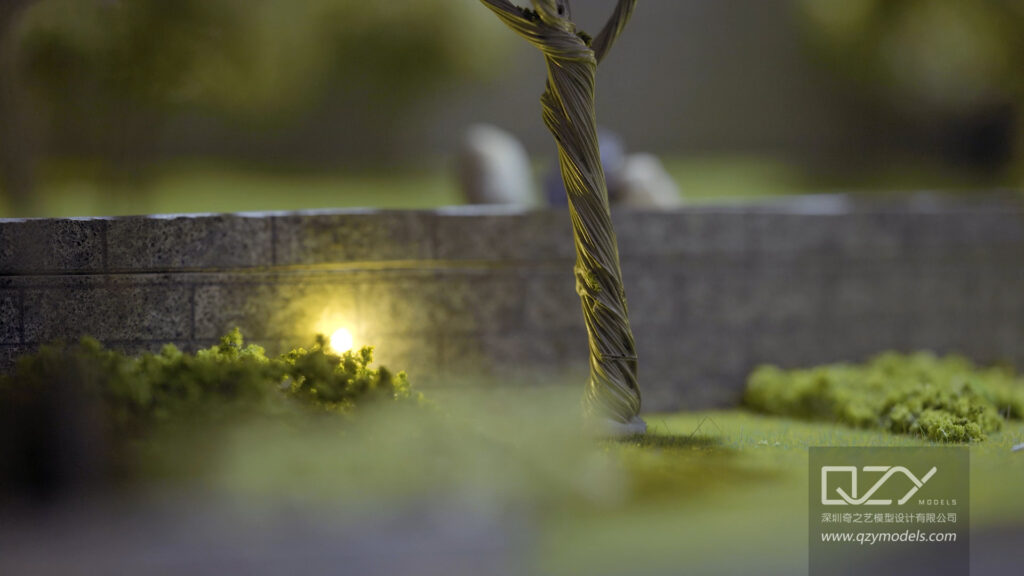
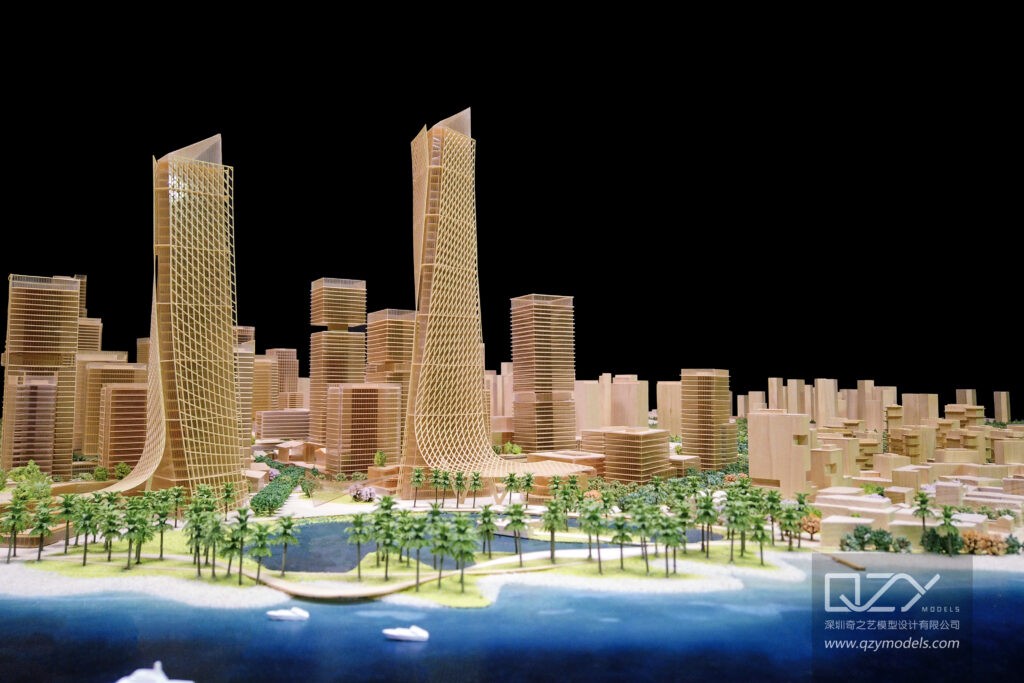
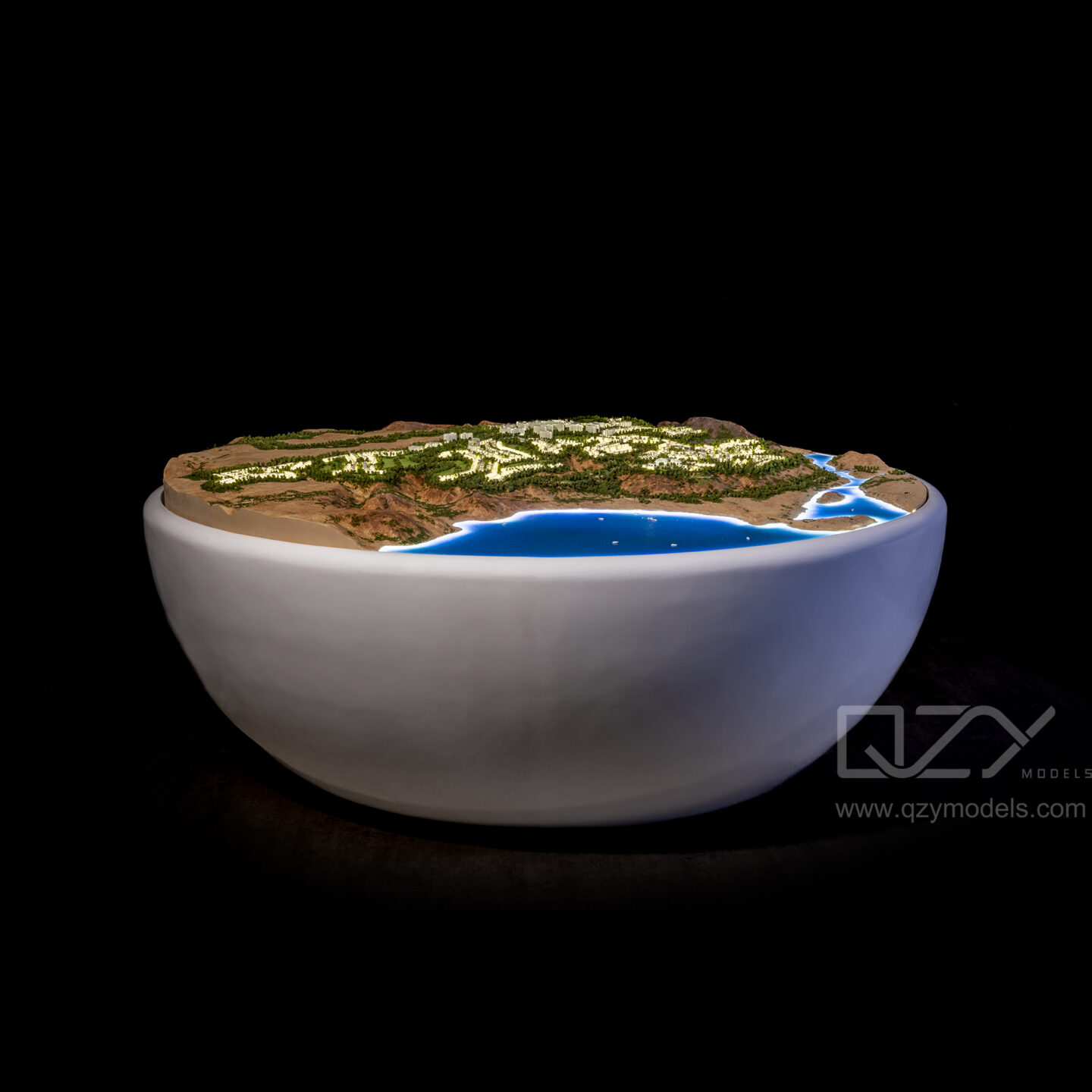
A cruise model is a meticulously crafted physical replica of a cruise ship, designed to capture every detail from hull design to onboard amenities. These models serve as marketing tools, design prototypes, and collector pieces, blending craftsmanship and engineering. QZY Models specializes in creating custom cruise models, delivering high-quality, accurate representations for shipbuilders, developers, and exhibitions worldwide.
What Are Cruise Models Used For?
Cruise models are primarily used for visualization, marketing, and educational purposes. They allow stakeholders to examine scale, proportions, and design elements before construction. Shipbuilders rely on these models to assess hydrodynamics and aesthetics, while developers and cruise lines showcase them at trade shows to attract investors and clients. Museums and private collectors value limited-edition replicas for their craftsmanship and authenticity.
For urban planning, cruise models integrate into harbor simulations, helping evaluate spatial relationships and port layouts. Design schools use them to teach naval architecture and model-making principles. QZY Models ensures durability and precision using materials such as ABS plastic and metal alloys, combined with LED lighting for interactive presentations.
| Use Case | Key Benefit | Example Clients |
|---|---|---|
| Marketing & Sales | Realistic visualization | Cruise Lines |
| Design Prototyping | Scale testing & refinement | Shipbuilders |
| Exhibitions | Engaging displays | Museums |
| Education | Instructional tool | Design Schools |
How Are Cruise Models Constructed?
Cruise models are built through a combination of digital design, CNC machining, and meticulous handcrafting. The process begins with CAD modeling based on blueprints or photographs, ensuring dimensional accuracy. QZY Models, leveraging over 20 years of expertise, produces models in scales ranging from 1:400 to 1:50 depending on client requirements.
CNC machines cut components from acrylic, wood, or foam, followed by hand assembly of detailed elements such as lifeboats, funnels, and railings. Airbrushing, painting, and weathering techniques create realistic finishes, while fiber-optic lighting illuminates cabins, pools, and theaters. Vacuum forming and laser etching add curved surfaces and micro-details. Every model undergoes strict quality control to meet global standards and client expectations.
What Materials Are Best for Cruise Models?
Durable and precise materials are essential for creating high-quality cruise models. ABS plastic is ideal for lightweight, impact-resistant hulls, while mahogany or balsa wood allows detailed deck and superstructure carving. Metal alloys provide accurate micro-scale components like railings and antennas, and acrylic sheets replicate windows and domes with clarity.
QZY Models prioritizes sustainable, non-toxic coatings and UV-resistant finishes. Luxury replicas may incorporate brass or aluminum for added elegance, and foam cores reduce weight without compromising structure.
| Material | Key Features | Application |
|---|---|---|
| ABS Plastic | Lightweight, strong | Hulls & Bases |
| Mahogany Wood | Carvable, aesthetic | Decks & Superstructures |
| Metal Alloys | Durable, precise | Railings & Micro-details |
| Acrylic | Transparent, clear | Windows & Domes |
Which Scale Should You Choose for a Cruise Model?
Scale selection balances detail, display size, and cost. Most marketing models are produced at 1:100 to 1:200 scales. Smaller scales like 1:400 suit desktops, while 1:50 models are ideal for exhibitions or large lobbies.
QZY Models customizes scales according to client needs, allowing for interior cutaways to reveal theaters, atriums, or pools. Exhibition models over 3 meters require reinforced bases and careful logistics planning. Cost increases with scale and complexity, making 1:200 a practical standard for global shipping while preserving visual impact.
Why Choose Custom Cruise Models from Experts?
Custom cruise models from QZY Models deliver unmatched accuracy, innovative features, and personalized designs. Unlike generic replicas, these models can include AR integration, interactive components, and precise liveries to reflect a client’s brand identity.
Clients benefit from intellectual property protection, rapid prototyping, and a high-quality visual representation that supports marketing, investor presentations, and exhibitions. QZY Models has completed projects for prestigious firms such as Foster + Partners, providing turnkey solutions that blend craftsmanship and technology.
How Much Does a Cruise Model Cost?
The cost of cruise models varies based on scale, complexity, and materials. Basic 1:200 replicas start at $5,000, while luxury exhibition models with full lighting and motion features may exceed $50,000.
QZY Models offers transparent pricing, factoring in labor, materials, and customization. Larger scales, additional lighting, and interactive elements increase cost proportionally, while bulk orders can reduce per-unit expenses.
| Scale | Detail Level | Typical Cost |
|---|---|---|
| 1:400 | Basic | $5,000 |
| 1:200 | Standard | $15,000 |
| 1:100 | High & Interactive | $30,000+ |
QZY Models Expert Views
At QZY Models, we transform cruise ship concepts into tangible, visually stunning models. Our team applies 3D printing, CNC machining, and hand-finishing to create precise, interactive replicas that capture every detail—from hull curves to sky lounges. By combining sustainable materials and advanced lighting, we produce models that serve as both marketing tools and collectible art pieces, enhancing presentations and engaging audiences worldwide.”
—Richie Ren, Founder, QZY Models
When Should You Commission a Cruise Model?
Cruise models are most effective when commissioned during conceptual design, pre-launch marketing, or expansion planning—typically 3 to 6 months before key events. Early commissioning allows design refinements, while pre-sales models enhance investor and client engagement. QZY Models streamlines production timelines of 4-8 weeks for marketing, exhibition, or commemorative purposes.
Are Cruise Models Still Relevant in the Digital Age?
Physical cruise models remain essential despite digital visualization tools. They offer tactile engagement and immediate impact that virtual models cannot replicate. QZY Models integrates physical replicas with VR or AR experiences, enhancing presentations and investor pitches. Physical models appeal to emotional perception, making them highly effective for marketing, exhibitions, and collector appreciation.
FAQs
What sets QZY Models apart for cruise replicas?
Precision craftsmanship, global experience, and bespoke customization make QZY Models a leader in the field.
How long does a custom cruise model take to complete?
Typically 4-12 weeks depending on scale and complexity, with expedited options available.
Can models include lighting or motion?
Yes, LEDs, fiber-optic lighting, and moving elements can be incorporated.
Which scales are recommended for marketing or display?
1:200 is ideal for marketing; 1:100 is best for exhibitions or detailed interior views.
Are cruise models suitable for international shipping?
Absolutely, reinforced structures and impact-resistant materials ensure safe transport worldwide.